
Discover the warning signs of a perforated eardrum, from sudden pain to hearing loss. Learn about the best treatments, recovery tips, and how to protect your ears from permanent damage.
Introduction
The human ear is a delicate masterpiece of biological engineering, but it is more vulnerable than many realize. A perforated eardrum (also known as a ruptured eardrum or tympanic membrane perforation) is a condition that can cause intense distress and, if ignored, lead to permanent hearing impairment. Understanding the mechanics of this injury is the first step toward safeguarding your sensory health.
What Exactly is a Perforated Eardrum?

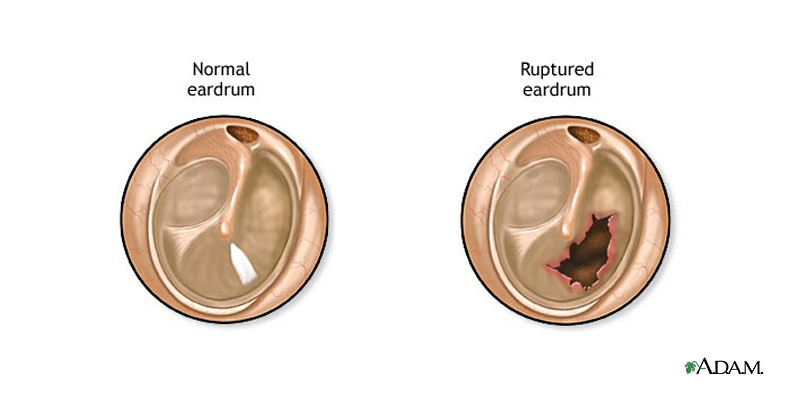
The eardrum is a thin, cone-shaped membrane that separates your external ear canal from your middle ear. It serves two vital purposes: it vibrates when sound waves hit it—starting the process of hearing—and it acts as a barrier, protecting the sterile middle ear from bacteria, water, and foreign objects.
When a hole or tear occurs in this membrane, the “shield” is breached. This not only disrupts your ability to hear clearly but also leaves the middle ear wide open to infection.
The Warning Signs: How to Know if Your Eardrum is Ruptured
Symptoms can appear suddenly, often following a sharp “pop” or a moment of intense pain. Common indicators include:
- Sudden Ear Pain: A sharp pain that may subside quickly.
- Drainage: Clear, pus-filled, or bloody fluid leaking from the ear.
- Hearing Loss: A noticeable muffled sensation or partial loss of hearing in the affected ear.
- Tinnitus: Constant ringing or buzzing in the ear.
- Vertigo: A spinning sensation or dizziness that can lead to nausea.
If you are experiencing these symptoms alongside general malaise, it may be linked to systemic inflammation. Much like how Kenan Thompson managed his GERD struggle, managing ear health requires a proactive approach to prevent long-term complications.
Common Causes of Eardrum Perforation
- Middle Ear Infections (Otitis Media): This is the most frequent cause. Fluid buildup puts pressure on the membrane until it finally snaps.
- Barotrauma: This occurs when the air pressure in the middle ear and the pressure in the environment are out of balance. This is common during scuba diving or sudden altitude changes in an airplane.
- Loud Sounds (Acoustic Trauma): A sudden blast of noise, such as an explosion or a gunshot, can cause a tear.
- Foreign Objects: Using cotton swabs (Q-tips) or hairpins to clean the ear is a leading cause of accidental perforation.
- Severe Head Trauma: A skull fracture can cause the dislocation or damage of the middle and inner ear structures.
Diagnosis and Professional Care
If you suspect a tear, visiting an ENT (Ear, Nose, and Throat) specialist is non-negotiable. They will typically use an otoscope—a lighted instrument—to look inside the ear canal. In some cases, a hearing test (audiometry) is performed to determine the extent of the impact on your auditory range.
According to the Mayo Clinic, most perforated eardrums heal on their own within a few weeks. However, if the tear is large or fails to close, medical intervention like a tympanoplasty (surgical repair) may be required.
Treatment and Recovery: Protecting the Breach
While the eardrum heals, the primary goal is to prevent infection and manage pain.

- Keep it Dry: This is the golden rule. Use silicone earplugs or a cotton ball coated in petroleum jelly when showering. Avoid swimming entirely.
- Antibiotics: If the perforation was caused by an infection, your doctor will likely prescribe antibiotic ear drops or oral medication.
- Pain Management: Over-the-counter pain relievers can help manage the initial discomfort.
- Avoid Blowing Your Nose: The pressure created by blowing your nose can interfere with the healing membrane.
Just as you would focus on preventive care and lifestyle hacks for your physical fitness, ear health requires specific “maintenance” habits. Avoid sticking anything smaller than your elbow into your ear canal!
Frequently Asked Questions (FAQs)
Q: Can a perforated eardrum heal on its own? A: Yes, most small perforations heal within a few weeks without surgery. However, they must be kept dry and monitored by a professional.
Q: Will my hearing return to normal? A: In most cases, yes. Once the membrane has closed and the inflammation has subsided, hearing usually returns. If the damage involves the tiny bones behind the eardrum, recovery may be more complex.
Q: Can I fly with a ruptured eardrum? A: Ironically, it is often safer to fly with a hole in your eardrum than with a blocked Eustachian tube, as the hole allows pressure to equalize. However, you should always consult your doctor first to prevent infection.
Q: Are cotton swabs safe for cleaning ears? A: No. Cotton swabs often push wax deeper or accidentally puncture the membrane. The ear is self-cleaning; if you have excess wax, seek professional irrigation.
The Bottom Line
A perforated eardrum is a serious but treatable condition. By recognizing the symptoms early and maintaining strict hygiene—especially keeping the ear canal dry—you can ensure a full recovery. Your hearing is a precious gift; don’t let a “small” hole lead to a big problem.