
Explore how “Saturday Night Live” star Kenan Thompson managed his GERD journey. This comprehensive guide details the causes, lifestyle fixes, and medical treatments for this common digestive disorder.
Introduction
For decades, Kenan Thompson has been a source of laughter, from his early days on “All That” and “Kenan & Kel” to his record-breaking tenure on “Saturday Night Live.” But behind the scenes, Thompson has navigated a very real, very unfunny health challenge: Gastroesophageal Reflux Disease, or GERD. While specific details of his personal regimen are private, his public acknowledgment of the condition shines a light on a disorder affecting about 20% of adults. His experience underscores a critical message: this pervasive “heartburn” is a manageable medical condition, not just an occasional inconvenience.
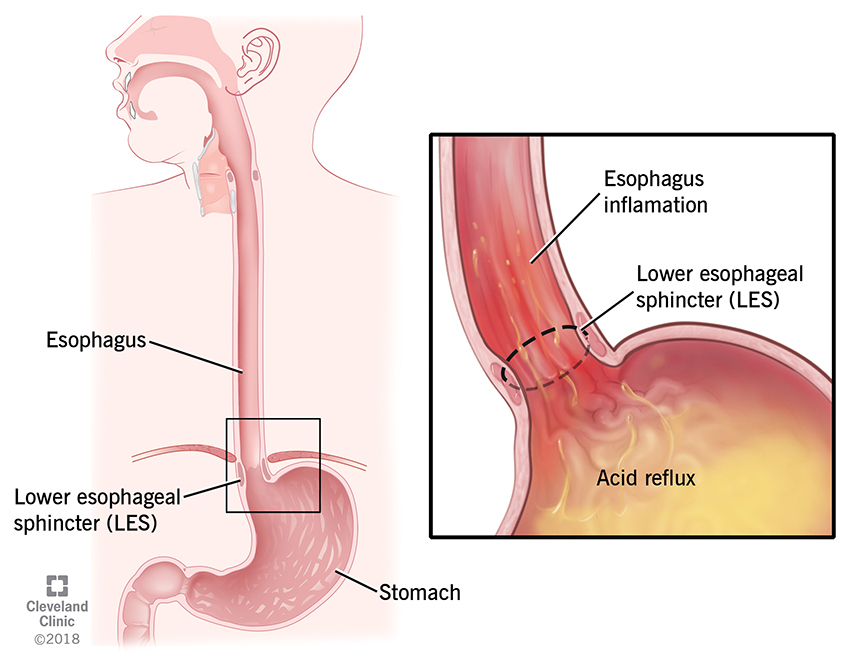
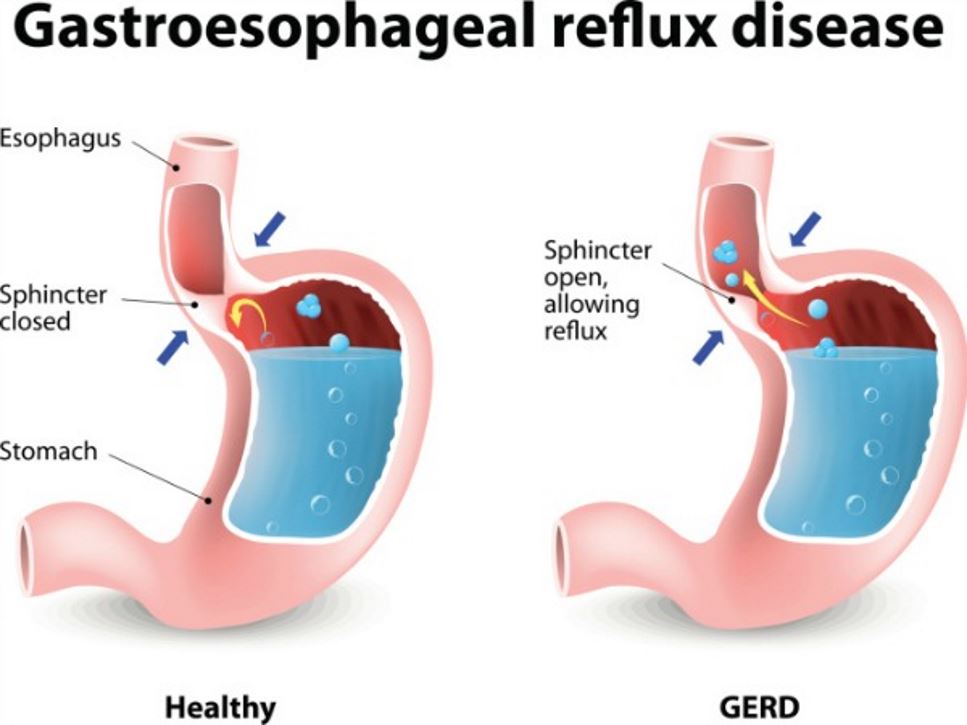
GERD occurs when the lower esophageal sphincter—a valve-like muscle at the stomach’s entrance—weakens or relaxes inappropriately, allowing powerful stomach acid to flow back up (reflux) into the esophagus . Unlike the stomach, the esophagus lacks a protective lining, so this acid causes irritation, inflammation, and the classic burning sensation known as heartburn.
Beyond the Burn: Recognizing the Full Spectrum of GERD
While heartburn is the hallmark, GERD is a multifaceted disorder with symptoms that can extend beyond the chest:
- Regurgitation: A sour or bitter-tasting acid backing up into the throat or mouth .
- Dysphagia: The feeling of food being stuck in the chest or throat .
- Chronic Cough & Hoarseness: Especially problematic at night, acid can irritate the throat and vocal cords .
- Non-Cardiac Chest Pain: Discomfort that can be severe enough to mimic heart-related pain .
- Dental Erosion: Persistent acid in the mouth can wear away tooth enamel.
Ignoring these signals can lead to serious complications over years, including esophagitis (inflammation), esophageal strictures (narrowing), and a pre-cancerous condition called Barrett’s esophagus .
The Triggers: Why Me?
Understanding what contributes to GERD is the first step toward control. Key factors include:
- Hiatal Hernia: This common condition, where part of the stomach pushes through the diaphragm, is a major mechanical cause of GERD .
- Lifestyle & Diet: Obesity increases abdominal pressure . Smoking weakens the esophageal sphincter . Trigger foods like fried/fatty items, chocolate, caffeine, and alcohol can relax the sphincter or increase acid production .
- Other Factors: Pregnancy, certain medications (like some antidepressants or painkillers), and delayed stomach emptying can also play a role .
Lifestyle as Medicine: Your First Line of Defense
Management starts with modifying daily habits. These evidence-based strategies can be profoundly effective:
1. Dietary Intelligence: It’s not just about denial, but smart substitution.
- Avoid Common Aggravators: Cut back on citrus, tomato-based products, spicy foods, garlic, onions, and carbonated drinks .
- Embrace Helpful Foods: Incorporate high-fiber whole grains, alkaline foods (like bananas and melons), and watery vegetables (like cucumber and celery) .
- Change Eating Patterns: Opt for smaller, more frequent meals instead of three large ones. Crucially, stop eating at least 3-4 hours before bedtime to let your stomach empty before you lie down .
2. The Gravity Advantage:
- Elevate Your Bed: Raising the head of your bed by 6-8 inches using bed risers or a wedge pillow is more effective than extra pillows. This uses gravity to keep acid in the stomach during sleep .
3. Weight Management & Habit Cessation:
- Even modest weight loss can dramatically reduce reflux frequency and severity .
- Quitting smoking and limiting alcohol are non-negotiable for long-term control .
When to Escalate: Medical Management of GERD
If lifestyle changes aren’t enough—a common scenario—medical treatments are highly effective.
1. Over-the-Counter & Prescription Medications:
- Antacids (Tums, Rolaids): Provide quick, short-term relief by neutralizing acid .
- H2 Receptor Antagonists (Pepcid AC, Zantac): Reduce acid production for longer relief than antacids .
- Proton Pump Inhibitors (PPIs – Prilosec, Nexium, Prevacid): The most potent acid reducers, allowing the esophagus to heal. These are typically used for more severe or persistent GERD and require proper medical guidance .
2. Surgical and Advanced Procedures:
For those who don’t respond well to medication or wish to avoid long-term drug use, options include:
- Fundoplication: A laparoscopic procedure where the top of the stomach is wrapped around the lower esophagus to strengthen the valve.
- Newer Endoscopic Procedures: Less invasive techniques like TIF (Transoral Incisionless Fundoplication) that tighten the valve through the mouth .
The Future of GERD Care: Innovation and Personalization
Research is moving toward more personalized care. Scientists are exploring the role of the microbiome, the promise of artificial intelligence in diagnosis via voice analysis, and the benefits of behavioral interventions like diaphragmatic breathing exercises. Participating in clinical trials also helps advance these future treatments for everyone .
FAQs
Q1: What’s the main difference between occasional heartburn and GERD?
A1: Occasional heartburn is common, often triggered by a large meal or specific foods. GERD, or Gastroesophageal Reflux Disease, is diagnosed when this backwash of stomach acid happens frequently—typically at least twice a week—and irritates the lining of your esophagus over time . It’s a chronic condition that often requires consistent management.
Q2: Are the lifestyle changes for GERD really that effective?
A2: Yes, absolutely. For many people, lifestyle modifications are the first and most powerful line of defense. Clinical research shows that weight loss, avoiding late-night meals, and elevating the head of your bed can significantly reduce acid exposure and symptoms . These changes address the mechanical pressures and triggers that cause reflux.
Q3: I’ve heard long-term use of PPIs (like omeprazole) can be bad. Should I be worried?
A3: Proton Pump Inhibitors (PPIs) are highly effective and safe for most people when used as directed. However, long-term, high-dose use has been associated with potential risks like increased susceptibility to certain infections or nutrient deficiencies . It’s crucial to use the lowest effective dose for the shortest time necessary and under a doctor’s supervision. Never stop a PPI suddenly without medical advice, as it can cause rebound symptoms.
Conclusion: Taking Control of the Narrative
Kenan Thompson’s career demonstrates that a diagnosis like GERD doesn’t have to limit your potential or vitality. His journey mirrors the effective path for millions: acknowledge the problem, understand its mechanisms, implement disciplined lifestyle changes, and seek professional medical partnership when needed.
GERD is a chronic condition, but it is a manageable one. By becoming an expert in your own triggers and consistently applying the layered strategies of diet, habit modification, and appropriate treatment, you can extinguish the fire of reflux and protect your long-term health. The goal is not just symptom relief, but healing and prevention—ensuring your esophagus, and your quality of life, remain healthy for all the scenes to come.