
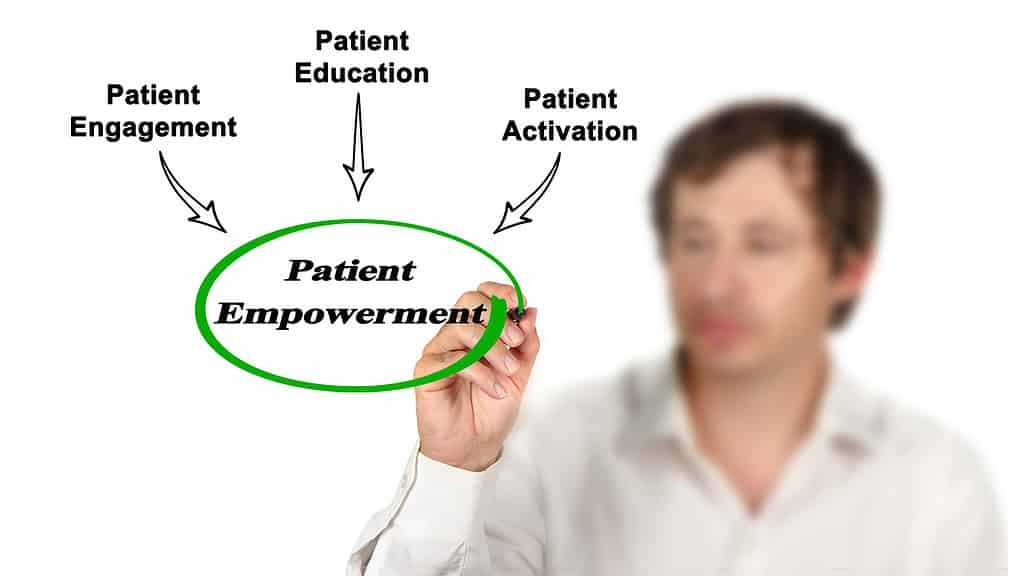

Discover evidence-based patient empowerment strategies that help individuals make informed decisions, improve health outcomes, and avoid common healthcare mistakes.
Introduction: Why Patient Empowerment Matters More Than Ever
Patient empowerment strategies are transforming modern healthcare. In an era of complex treatments, rising healthcare costs, and chronic disease burden, patients who actively participate in their care experience better outcomes, improved satisfaction, and reduced medical errors. Empowerment is no longer optional—it is essential.
Patient empowerment means equipping individuals with the knowledge, skills, confidence, and autonomy needed to make informed decisions about their health. When patients move from passive recipients to active partners in care, the entire healthcare system benefits.
This article explores practical, evidence-based patient empowerment strategies, explains why they matter, and shows how individuals, caregivers, and healthcare providers can apply them effectively.
What Are Patient Empowerment Strategies?
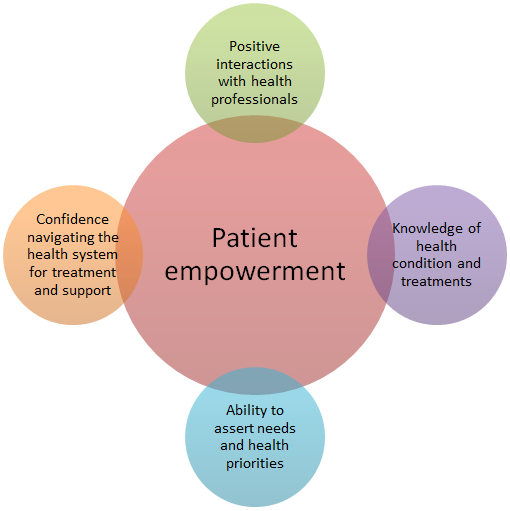
Patient empowerment strategies are structured approaches that enable patients to:
- Understand their health conditions
- Participate in decision-making
- Communicate effectively with healthcare providers
- Manage their own care confidently
These strategies focus on shared decision-making, health literacy, self-management, and access to reliable health information. They are particularly critical in managing chronic conditions such as diabetes, hypertension, and HIV, where long-term patient engagement determines success.
The Benefits of Patient Empowerment
Improved Health Outcomes
Empowered patients are more likely to adhere to treatment plans, attend follow-up appointments, and adopt healthy behaviors. Research consistently shows lower hospitalization rates and improved disease control among engaged patients.
Reduced Medical Errors
When patients ask questions, verify medications, and understand procedures, errors are more easily identified and prevented.
Better Patient Satisfaction
Patients who feel heard and involved report higher trust in healthcare providers and greater satisfaction with care delivery.
Cost-Effective Healthcare
Patient empowerment strategies reduce unnecessary tests, emergency visits, and hospital readmissions, lowering overall healthcare costs.
Core Patient Empowerment Strategies That Work
1. Health Education and Health Literacy
Health literacy is the foundation of patient empowerment. Patients must understand diagnoses, treatment options, medication instructions, and preventive measures.
Effective strategies include:
- Using plain language instead of medical jargon
- Providing visual aids and written summaries
- Encouraging patients to repeat information in their own words
Reliable health education resources such as the World Health Organization provide patient-friendly materials that support informed decision-making.
2. Shared Decision-Making
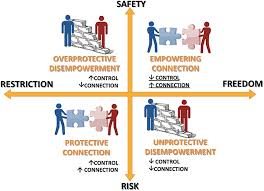
Shared decision-making places patients and healthcare providers on equal footing. Instead of being told what to do, patients discuss options, risks, and benefits.
This approach:
- Respects patient values and preferences
- Improves adherence to chosen treatments
- Builds trust between patients and clinicians
Shared decision-making is especially important in areas like medication selection, surgical options, and long-term care planning.
3. Encouraging Self-Management Skills
Self-management empowers patients to take daily control of their health. This includes:
- Monitoring symptoms
- Managing medications
- Making lifestyle adjustments
- Recognizing warning signs that require medical attention
For example, structured self-management programs for chronic illnesses have been shown to improve quality of life and reduce complications.
4. Access to Personal Health Information
Patients should have easy access to their medical records, test results, and treatment plans. Digital health tools such as patient portals support transparency and autonomy.
Access to health data allows patients to:
- Track progress over time
- Prepare meaningful questions for appointments
- Detect inconsistencies or errors early
The Centers for Disease Control and Prevention emphasizes patient access to information as a key pillar of modern healthcare.
5. Effective Patient–Provider Communication
Strong communication is central to patient empowerment strategies. Patients should feel confident asking questions, expressing concerns, and seeking clarification.
Healthcare providers can support this by:
- Allowing adequate consultation time
- Practicing active listening
- Validating patient experiences
Patients who communicate openly are more likely to follow treatment plans and report symptoms early.
Digital Tools and Technology in Patient Empowerment
Technology has accelerated patient empowerment through:
- Mobile health apps
- Telemedicine services
- Wearable health devices
- Online patient communities
These tools enable patients to monitor health metrics, receive reminders, and connect with healthcare professionals remotely. Telemedicine, in particular, expands access to care and supports ongoing patient engagement.
However, digital empowerment must be paired with data privacy education and guidance on identifying credible online health information.
The Role of Caregivers and Family Support
Caregivers play a critical role in patient empowerment, especially for children, older adults, and individuals with disabilities.
Effective caregiver involvement includes:
- Supporting informed decision-making
- Assisting with medication management
- Encouraging independence where possible
Family-centered care models strengthen empowerment while respecting patient autonomy.
Common Barriers to Patient Empowerment (And How to Overcome Them)
Limited Health Literacy
Solution: Simplify communication and provide culturally appropriate educational materials.
Time Constraints in Clinical Settings
Solution: Use pre-visit questionnaires and digital follow-ups to extend patient engagement beyond appointments.
Cultural and Social Factors
Solution: Respect cultural beliefs and involve community-based education programs.
Fear or Mistrust
Solution: Build trust through transparency, empathy, and consistent communication.
FAQs: Patient Empowerment Strategies Explained
What is the main goal of patient empowerment strategies?
The primary goal is to enable patients to actively participate in healthcare decisions, leading to better outcomes and improved quality of life.
How can patients become more empowered in healthcare?
Patients can improve empowerment by learning about their conditions, asking questions, using credible health resources, and engaging in shared decision-making.
Do patient empowerment strategies improve health outcomes?
Yes. Studies show empowered patients experience better disease control, fewer complications, and higher satisfaction with care.
Are digital tools safe for patient empowerment?
When used responsibly and with attention to data privacy, digital tools can significantly enhance patient engagement and self-management.
The Future of Patient Empowerment
Patient empowerment strategies will continue to shape healthcare delivery. As systems move toward value-based care, patient engagement will be a key quality indicator. Empowered patients are better equipped to navigate complex health systems and advocate for safer, more effective care.
Healthcare organizations that invest in empowerment initiatives—from education programs to digital innovation—will see lasting improvements in outcomes and trust.
Conclusion: Taking Control Is the First Step to Better Health
Patient empowerment strategies are powerful tools that shift healthcare from provider-driven to patient-centered. By improving health literacy, encouraging shared decision-making, and leveraging technology, patients gain control over their health journeys.
Empowerment is not about replacing healthcare professionals—it is about partnership. When patients and providers work together, healthcare becomes safer, more effective, and more humane.