
Water fuels every function in your body. Learn how much water you really need daily, hydration myths, and tips for staying healthy and energized.
Introduction

Water is the foundation of life. Every organ, tissue, and cell in your body depends on it to function properly. Yet, despite its importance, many people overlook hydration until they feel thirsty — which is already a sign that the body is running low.
But here’s the common question: How much water do we really need? You’ve probably heard the advice to drink “8 glasses a day”, but is that the right guideline for everyone? The truth is, hydration needs vary based on age, activity, climate, and health status. This article will break down the science of hydration, its health benefits, myths to avoid, and practical tips to ensure your body gets the water it needs daily.
Why Hydration Matters
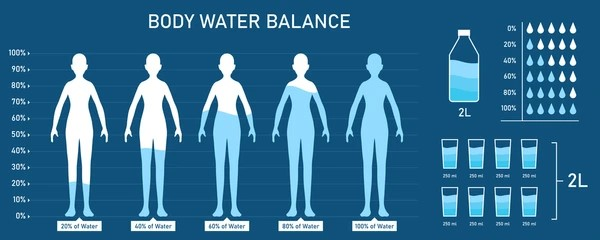
Water makes up about 60% of the human body. It plays critical roles in:
- 🧠 Brain function: Supports focus, memory, and mood. Even mild dehydration (1–2% of body weight) can impair concentration and cause headaches.
- ❤️ Circulation: Helps regulate blood pressure and ensures nutrients reach cells.
- 🌡️ Temperature control: Sweating and evaporation help cool the body during heat or exercise.
- 🦴 Joint health: Lubricates joints, reducing friction and pain.
- 🚽 Digestion & detoxification: Aids bowel movement, prevents constipation, and flushes out toxins via the kidneys.
- 💪 Muscle function: Maintains electrolyte balance, reducing the risk of cramps.
Without adequate hydration, these systems cannot function effectively — leading to fatigue, dizziness, dry skin, or even serious complications like kidney stones and heatstroke.
How Much Water Do You Really Need?
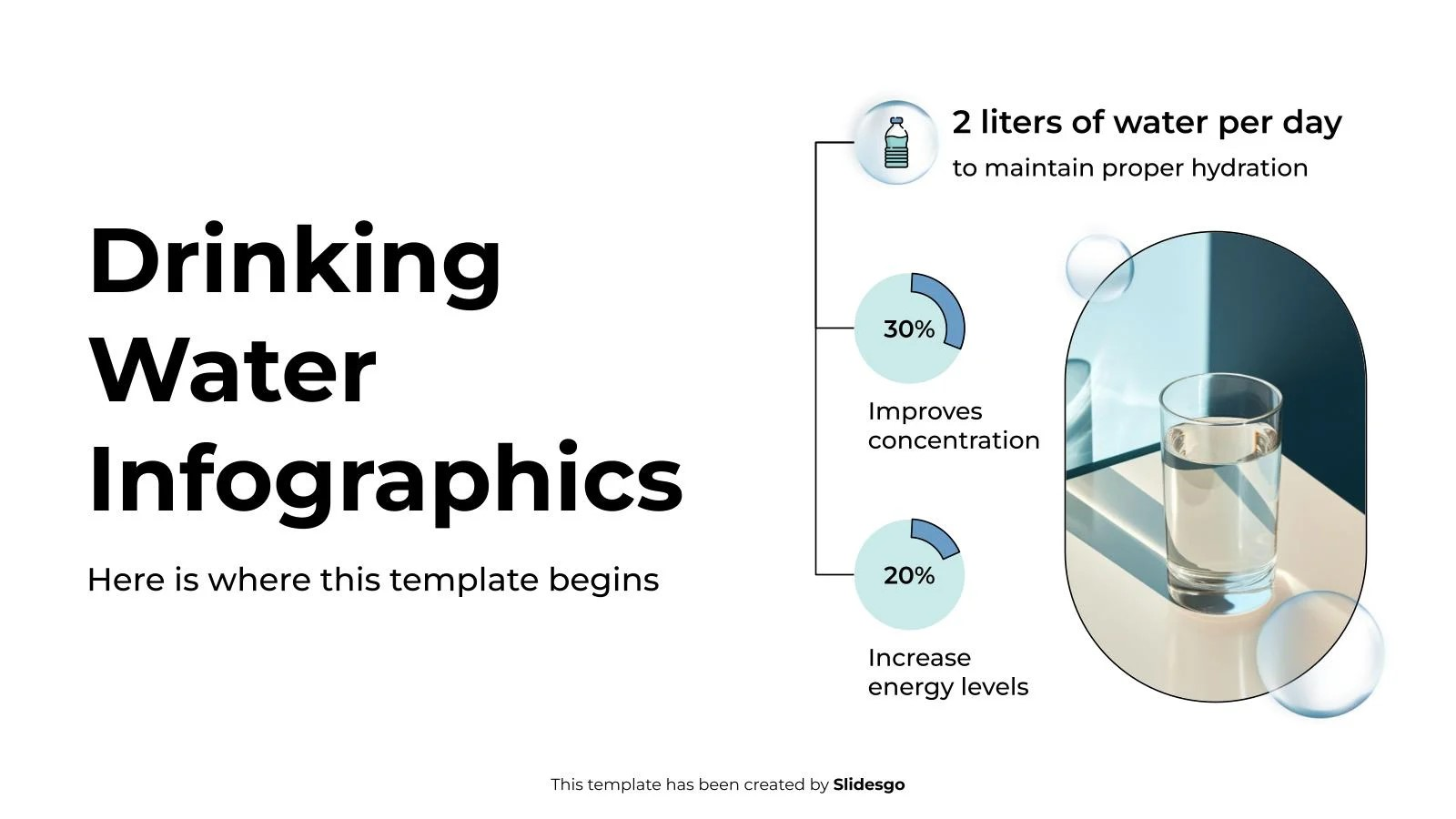
There’s no one-size-fits-all rule. The old “8 glasses (2 liters) per day” guideline is simple but not entirely accurate. According to the U.S. National Academies of Sciences, Engineering, and Medicine (NASEM) [1], the average daily water intake should be:
- Men: About 3.7 liters (15.5 cups) per day
- Women: About 2.7 liters (11.5 cups) per day
👉 Important: This includes all fluids (water, tea, coffee, soups, milk) and water-rich foods (fruits, vegetables). Roughly 20% of our daily fluid intake comes from food.
Factors That Affect Your Hydration Needs
Your water requirements may increase depending on:
- Physical activity 🏋️
- Intense workouts cause fluid loss through sweat. Athletes may need 0.5–1 liter of water per hour of exercise.
- Climate ☀️
- Hot and humid environments increase sweat loss. Cold weather also increases urination, leading to dehydration risk.
- Health conditions 🏥
- Fever, diarrhea, or vomiting require higher fluid intake.
- Certain diseases (kidney stones, urinary tract infections) demand increased hydration.
- Pregnancy & breastfeeding 🤰
- Pregnant women need about 0.3 liters extra daily.
- Breastfeeding mothers require an extra 0.7–1 liter daily to support milk production.
- Diet 🥗
- High-protein or high-fiber diets require more fluids for digestion.
- Salty or spicy foods increase thirst.
- Alcohol and caffeine can lead to mild fluid loss.
Signs of Dehydration
Early dehydration is often overlooked. Symptoms include:
- Dry mouth and lips
- Dark yellow, concentrated urine
- Fatigue or dizziness
- Headaches
- Muscle cramps
- Reduced focus and alertness
Severe dehydration may cause rapid heartbeat, low blood pressure, confusion, or fainting — which requires immediate medical attention.
Myths and Facts About Hydration
🚫 Myth 1: Everyone must drink 8 glasses of water daily.
✅ Fact: Needs vary by individual. Food and other beverages also count toward hydration.
🚫 Myth 2: Coffee and tea dehydrate you.
✅ Fact: While caffeine is mildly diuretic, moderate coffee and tea intake contribute to hydration.
🚫 Myth 3: Thirst is the best indicator of hydration.
✅ Fact: Thirst often appears after mild dehydration has already started.
🚫 Myth 4: Clear urine means perfect hydration.
✅ Fact: Pale yellow urine is the best sign of healthy hydration. Completely clear urine may indicate overhydration.
Healthy Hydration Tips
- Start your day with a glass of water.
- Carry a reusable water bottle to remind yourself to drink.
- Set reminders or use hydration apps if you often forget.
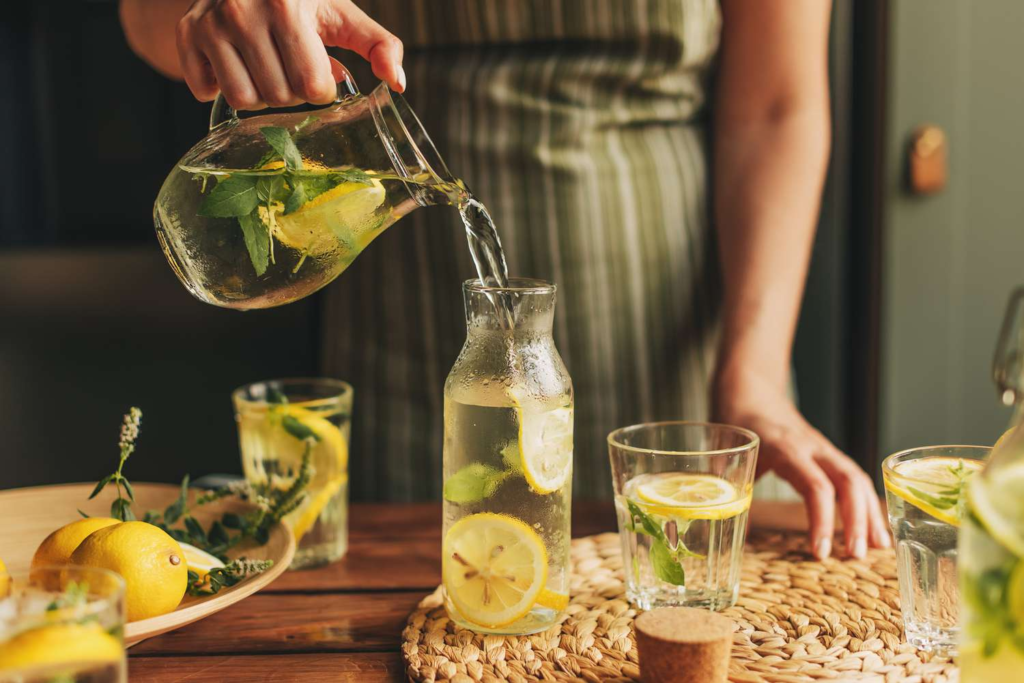
- Flavor water naturally with lemon, cucumber, or herbs if plain water feels boring.
- Eat water-rich foods like watermelon, cucumber, oranges, and lettuce.
- Balance intake—avoid both dehydration and overhydration, which can dilute electrolytes and cause hyponatremia.
Conclusion
Water is not just a thirst-quencher; it’s essential fuel for every function in your body. While the “8 glasses a day” rule is a simple guide, hydration needs depend on age, lifestyle, diet, and environment. Most adults should aim for 2–3.7 liters daily, including both fluids and food sources.
👉 Listen to your body, check your urine color, and adjust intake based on activity and climate. By making hydration a daily habit, you can boost energy, protect your organs, improve skin health, and support long-term wellness.
Remember: Hydration is life. Drink smart, not just more.