
Discover the shocking truth about sugar cane. We reveal its complete nutrition facts, traditional health uses, and the critical reasons it’s not the superfood some claim. Read before you chew!
Introduction
In the pantheon of sweet treats, sugar cane holds a unique and ancient place. This towering grass, with its tough, fibrous stalk filled with sweet juice, is the primary source of 80% of the world’s sugar. But beyond its role in creating refined white sugar, sugar cane in its raw or minimally processed form is often celebrated in traditional cultures and modern wellness circles. Proponents tout it as a natural energy booster and a source of minerals. However, this narrative requires a serious, evidence-based examination. Is chewing on a stalk of sugar cane a healthy habit, or is it a wolf in sheep’s clothing—delivering a massive dose of sugar under a “natural” guise? This comprehensive article cuts through the sweetness to reveal the complete nutritional profile, explore its traditional uses, and deliver the crucial, science-backed facts you need to understand its real impact on your health.
The Sugar Cane Plant: A Botanical Powerhouse with a Simple Secret
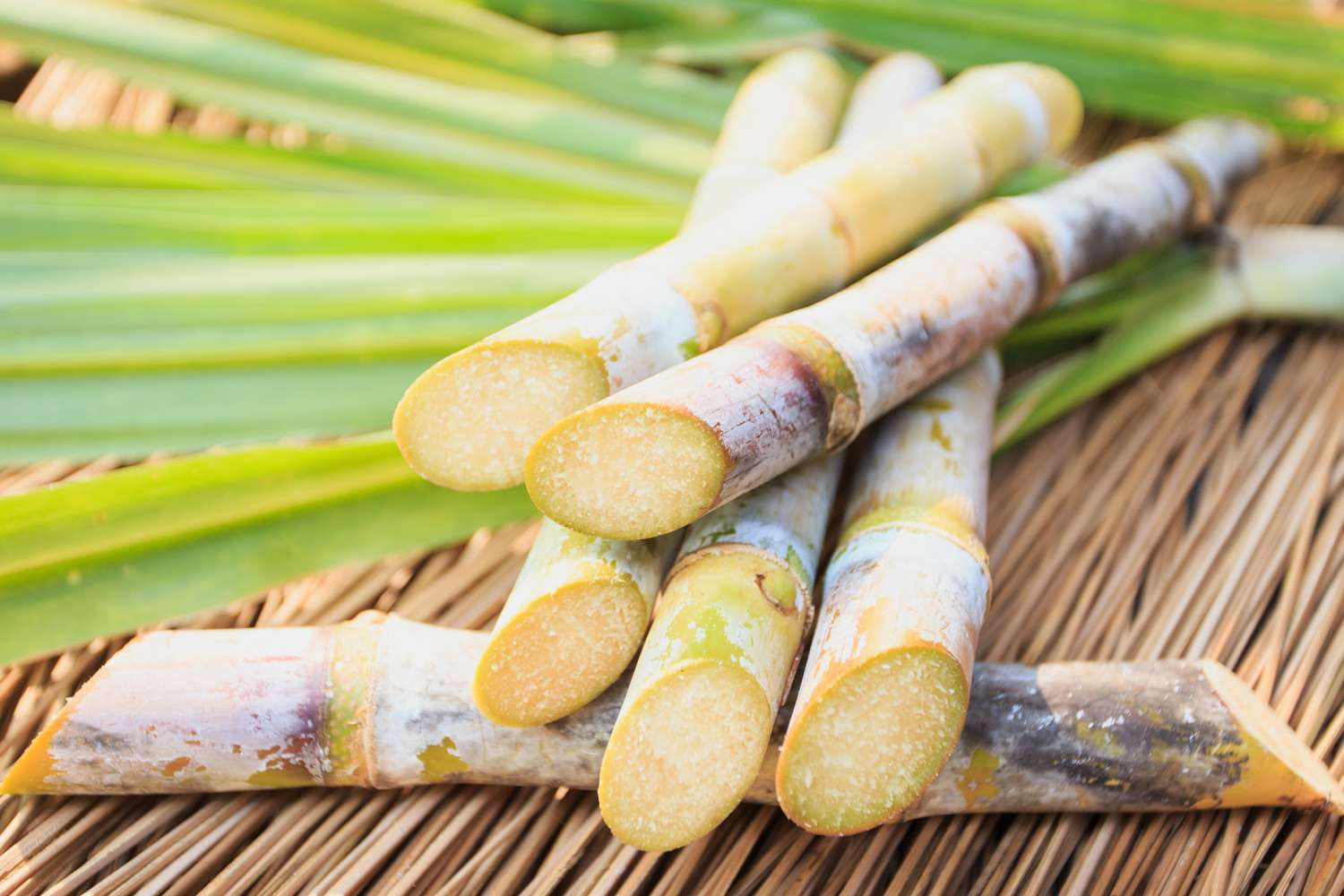
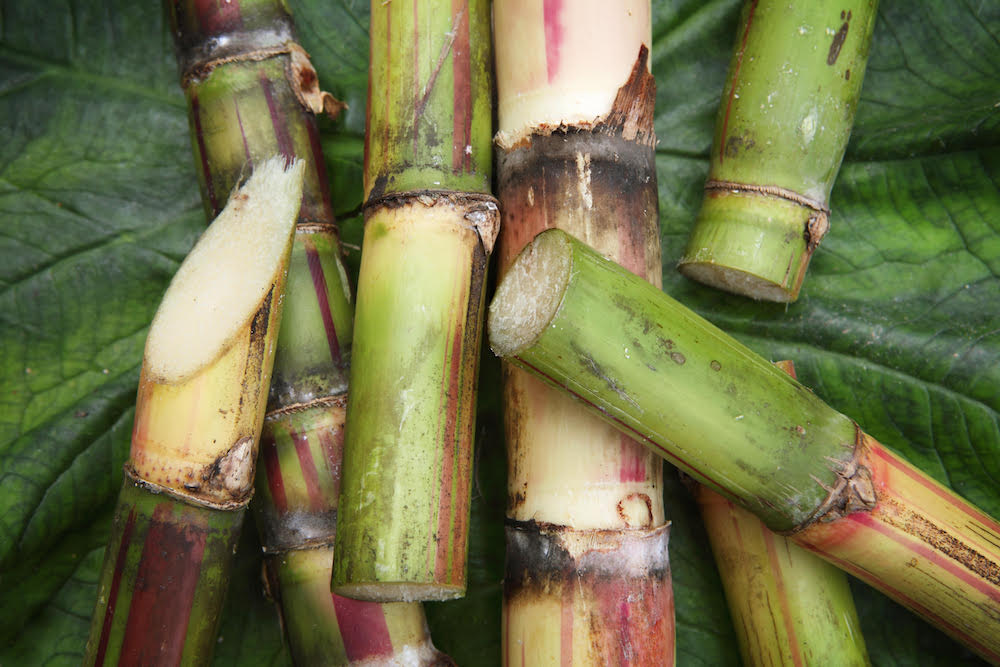
Sugar cane (Saccharum officinarum) is a perennial grass native to tropical Southeast Asia and New Guinea. It thrives in warm, wet climates and grows in tall, jointed stalks that look similar to bamboo. The plant’s magic—and its problem—lies in what it stores: within its fibrous stalks, sugar cane concentrates sucrose, the simple carbohydrate we know as table sugar, in a watery juice.
It is crucial to distinguish between the whole plant stalk and the products derived from it:
- Raw Sugar Cane: The intact stalk, which can be chewed to extract juice.
- Cane Juice: The extracted, often fresh-pressed, liquid from the stalk.
- Refined White Sugar: The heavily processed, crystallized end product, stripped of all molasses, fiber, and most nutrients.
- Less-Processed Sugars: Products like panela, jaggery, or muscovado sugar, which retain some molasses and trace minerals.
This article focuses primarily on the nutrition and health implications of consuming raw sugar cane or its fresh juice.
Sugar Cane Nutrition Facts: It’s Almost All Sugar
The fundamental truth about sugar cane is that its primary nutritional contribution is carbohydrates in the form of sucrose. A detailed look at its composition is revealing.
Nutritional Profile of Raw Sugar Cane Juice (Per 100ml serving, estimated):
| Nutrient | Approximate Amount | Key Context & Health Role |
|---|---|---|
| Calories | 65-75 kcal | Empty calories, primarily from sugar. |
| Total Carbohydrates | 16-18 g | Almost entirely sucrose (a disaccharide of glucose + fructose). |
| Sugars (Sucrose) | 15-17 g | The dominant nutrient. 100ml provides ~4 teaspoons of sugar. |
| Dietary Fiber | 0-0.5 g | Negligible in juice. Present in the fibrous stalk (bagasse) but not consumed. |
| Calcium | 10-20 mg | ~1-2% of DV. A modest amount. |
| Iron | 0.5-1 mg | ~3-6% of DV. Non-heme iron with poor bioavailability. |
| Potassium | 40-70 mg | ~1-2% of DV. An electrolyte, but amounts are low. |
| Magnesium | 3-5 mg | <1% of DV. A trace amount. |
| Antioxidants | Polyphenols, Flavonoids | Present in the plant, but concentrations in juice are very low compared to colorful fruits/vegetables. |
Data is compiled from agricultural and food science analyses. Note that values can vary by cultivar and growing conditions.
As the table shows, the headline is stark: sugar cane juice is essentially sugar water with trace minerals. While it contains small amounts of electrolytes like potassium and minerals like calcium and iron, these are not present in nutritionally significant quantities. You would get far more of these nutrients from a handful of spinach, a banana, or a glass of fortified plant milk.
Examining the Purported “Health Benefits”
Claims about sugar cane’s health benefits often stem from traditional use and focus on its unrefined state. Let’s analyze them with a critical lens.

1. “Natural” Energy Boost:
This is a factual claim but a misleading benefit. The sucrose in sugar cane is broken down into glucose and fructose, providing a rapid source of calories. This can indeed offer a quick energy spike. However, this is followed by a corresponding blood sugar crash, leading to fatigue, hunger, and irritability. This rollercoaster effect is detrimental to sustained energy and metabolic health. Calling this a “benefit” is like calling a sugar rush from a soda a health benefit.
2. Source of Antioxidants and “Alkalizing” Properties:
The raw plant does contain compounds like polyphenols, flavonoids, and plant sterols, which have antioxidant properties in lab studies. However, the concentration of these in the consumed juice is minimal. The “alkalizing” claim is part of the popular (but scientifically unsupported) alkaline diet theory. The body tightly regulates its blood pH regardless of food intake; a food cannot “alkalize” your system.
3. Hydration and Electrolytes:
In very hot climates, fresh cane juice has historically been used as a hydrating drink. Its water and small potassium content can contribute to fluid balance. However, modern, science-backed electrolyte solutions or simply coconut water are far superior choices, offering a better electrolyte profile without the massive sugar load.
4. Use in Traditional Medicine:
In Ayurveda and other traditions, sugar cane or its derivatives are used for conditions ranging from jaundice to urinary tract issues. While culturally significant, these uses are not supported by robust clinical trials. The primary active ingredient being administered in these cases is still sugar.
The Crucial Counterpoint: The Overwhelming Evidence on Sugar
To evaluate sugar cane honestly, one must consider the vast body of evidence on added sugar consumption, which applies directly to the sucrose in cane juice.
- Dental Health: Sugar is the primary fuel for cavity-causing bacteria in the mouth. Sipping on sugary cane juice bathes the teeth in sugar, significantly increasing the risk of tooth decay and erosion. For more on protecting your oral health, explore our guide on what causes tooth decay.
- Blood Sugar and Diabetes: Regular consumption of sugary drinks is strongly linked to insulin resistance, weight gain, and a significantly increased risk of developing type 2 diabetes.
- Heart Health: High-sugar diets contribute to obesity, inflammation, high triglycerides, and high blood pressure, all major risk factors for heart disease.
- Empty Calories: Sugar cane juice provides energy but almost none of the essential vitamins, protein, healthy fats, or fiber required for true nourishment. It displaces more nutrient-dense foods in the diet.
The Critical Distinction: Whole Stalk vs. Juice vs. Refined Sugar
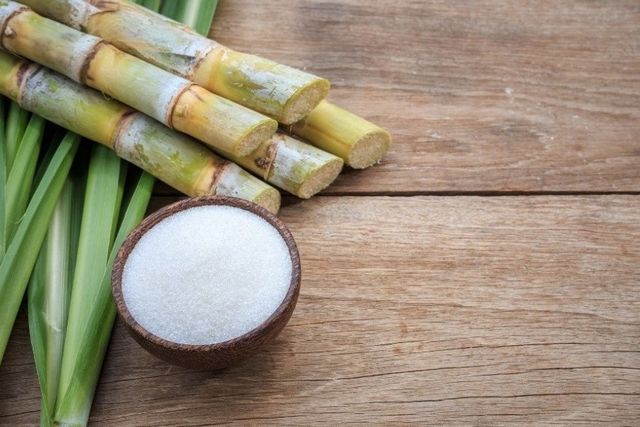
- Chewing the Raw Stalk: This is the least harmful way to consume it. The fibrous bagasse acts as a natural brush and requires work, which limits intake. However, the sugar content is identical, and it still poses a high risk to dental health.
- Drinking the Juice: This is the most problematic. It removes the fibrous barrier, allowing for rapid consumption of large amounts of sugar and easy exposure to teeth. A typical 250ml (8oz) glass contains about 40 grams (10 teaspoons) of sugar—meeting or exceeding the American Heart Association’s recommended entire daily limit for added sugar.
- Refined White Sugar: This is pure, empty calories (sucrose) with all plant material removed. It has no nutritional value and carries all the documented health risks of excessive sugar consumption.
FAQs: Your Sugar Cane Questions Answered Honestly
Q1: Is sugar cane juice healthier than soda or packaged fruit juice?
It is less processed than soda and may contain trace minerals, but it is not a “healthier” choice in any meaningful way. A 250ml glass of fresh cane juice contains a similar amount of sugar (35-40g) as the same serving of Coca-Cola (39g). Both cause similar spikes in blood sugar and pose similar risks to dental and metabolic health.
Q2: Can people with diabetes drink sugar cane juice?
No. It is strongly discouraged. The high glycemic load of cane juice will cause a rapid and significant rise in blood glucose levels, which is dangerous for individuals managing diabetes or prediabetes. Even small amounts can disrupt blood sugar control.
Q3: Does sugar cane help with digestion or constipation?
There is no scientific evidence for this. The juice contains no fiber to aid digestion or bulk stool. Chewing the stalk provides insoluble fiber, but you are not swallowing the fibrous bagasse, so it doesn’t contribute to digestive health in the way that eating whole fruits, vegetables, or grains does.
Q4: What about “organic” or “unfiltered” cane juice?
“Organic” refers to farming practices, not nutritional content. The sugar molecule (sucrose) from an organic stalk is chemically identical to that from a conventional one. “Unfiltered” juice may contain more plant sediment, but not more fiber or nutrients in significant amounts. The core issue—extremely high sugar concentration—remains.
Q5: Are the minerals in sugar cane juice a good reason to drink it?
Absolutely not. The mineral content is negligible. You would need to drink a liter of cane juice (ingesting over 160g of sugar) to get a modest 10-20% of your daily potassium or calcium—amounts you can get from a single small banana or a half-cup of cooked broccoli without any of the negative sugar effects.
Conclusion: A Clear Verdict on a Complicated Plant
Sugar cane is an impressive agricultural plant with a deep cultural history. However, when evaluated as a food for modern human health, the evidence is clear and uncompromising.
For the general public, sugar cane in the form of juice or chewed stalk is not a health food. Its defining characteristic is an overwhelmingly high concentration of sugar, which aligns it with other sugary drinks that public health authorities globally recommend limiting. The trace amounts of minerals and antioxidants do not offset the well-established metabolic, dental, and cardiovascular risks associated with its sugar content.
If you enjoy the unique flavor, consider it exactly what it is: a natural sweet treat. Consume it on the rarest of occasions, in the smallest of quantities—preferably by chewing the stalk rather than drinking the juice—and with full awareness of its impact. For true health benefits, turn to whole fruits like berries, apples, and oranges, which deliver essential vitamins, powerful antioxidants, and beneficial fiber along with their natural sweetness, packaged in a way your body is designed to handle.
Your health deserves more than just empty calories dressed in natural packaging. Choose nourishment over just sweetness.