
Discover the shocking truth about what really causes tooth decay. This definitive guide reveals the science of cavities, hidden risk factors, and proven prevention strategies.
Introduction: The Silent Epidemic in Your Mouth
Tooth decay isn’t just an occasional nuisance—it’s a global health crisis and the most common non-communicable disease on the planet, according to the World Health Organization. Despite being almost entirely preventable, it affects billions, causing pain, infection, and even systemic health issues. But what really causes those dreaded cavities? The answer is more complex and fascinating than just “sugar.” It’s a battle for survival happening on the surface of your teeth, where harmful bacteria wage war against your enamel 24/7. Understanding this process is your ultimate weapon in preventing decay. This definitive guide will uncover the shocking science, the hidden risk factors, and the powerful, proven strategies to keep your smile healthy for a lifetime.
The Core Process: How a Cavity Forms (The “Caries Triad”)
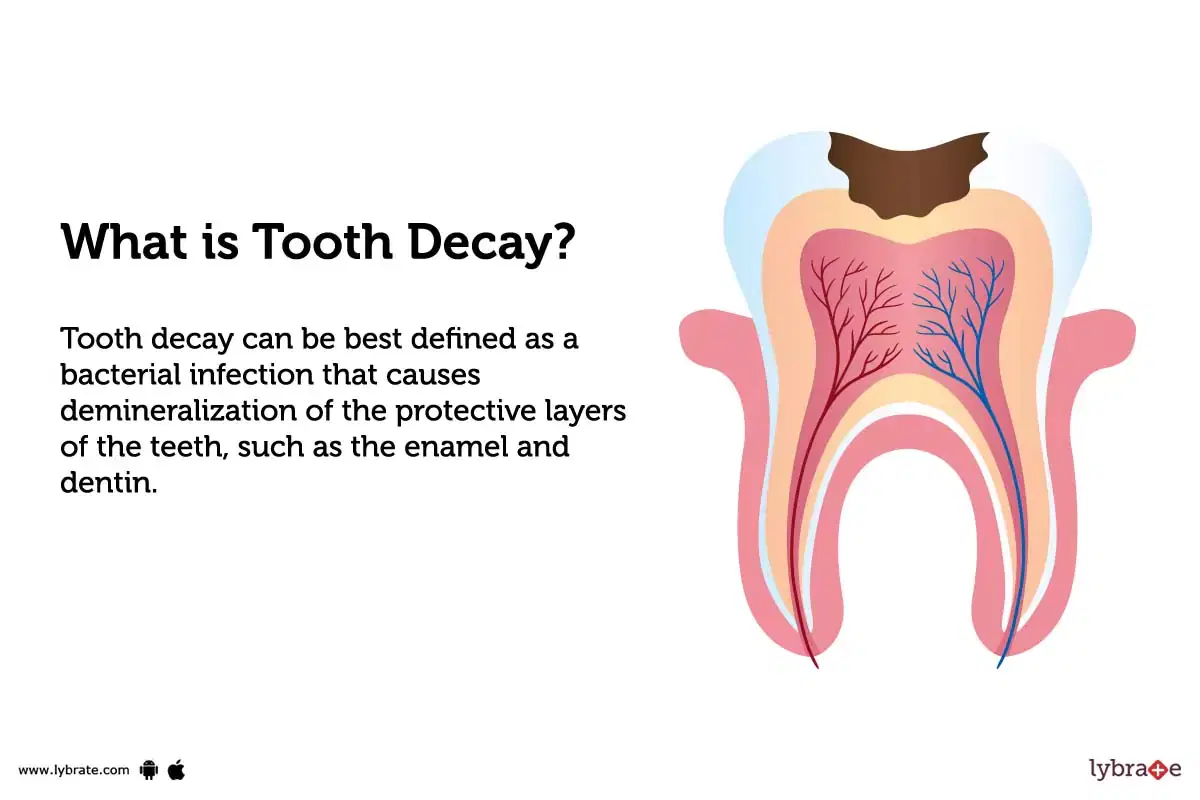
Tooth decay, or dental caries, is a dynamic disease process that results from an imbalance in your mouth’s natural chemistry. It requires the convergence of three key factors, often visualized as the “Caries Triad”:
- Susceptible Tooth Surface: Your enamel, though the hardest substance in the human body, has vulnerable areas.
- Cariogenic Bacteria: Specifically, Streptococcus mutans and Lactobacillus species.
- Fermentable Carbohydrates: Sugars and starches that bacteria feast on.
When these three factors coexist over time, decay is the inevitable result. Remove just one, and you stop the process entirely.
The 5-Stage Breakdown of Tooth Decay
Cavities don’t appear overnight. They progress through distinct, predictable stages:
- Stage 1: Demineralization (The “White Spot”)
This is the critical, reversible stage. Bacteria produce acid as a byproduct of metabolizing sugar. This acid dissolves the calcium and phosphate minerals from your enamel in a process called demineralization. The first visible sign is a chalky white spot on the tooth—an area where the enamel has begun to break down beneath the surface, but the outer layer is still intact. At this stage, the damage can be reversed with fluoride, improved hygiene, and dietary changes. - Stage 2: Enamel Decay
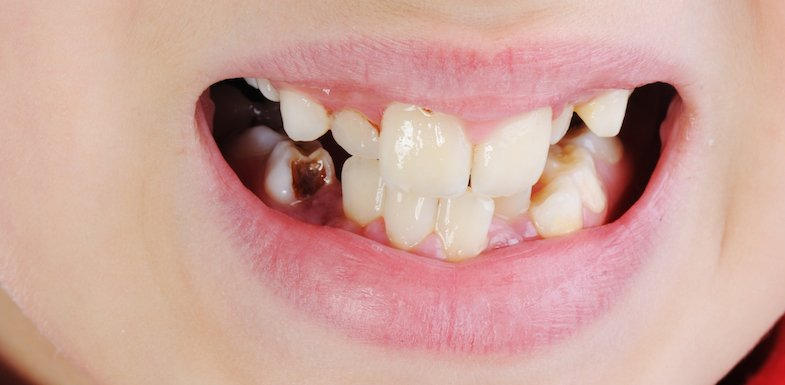
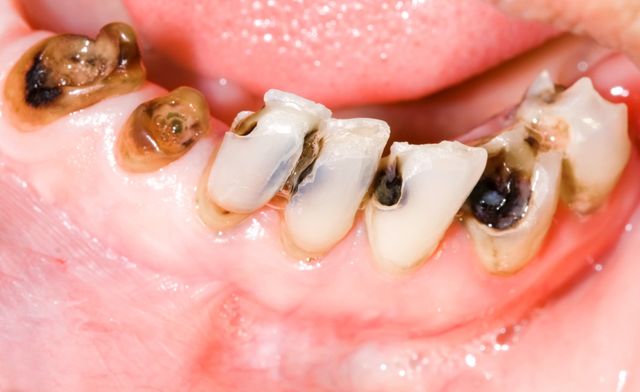
If acid attacks continue, the enamel’s structure collapses, creating a microscopic hole or cavity. The white spot may turn brownish. The enamel has now been irreversibly destroyed and requires professional restoration by a dentist. - Stage 3: Dentin Decay
Decay breaches the softer, sensitive layer beneath the enamel: dentin. Dentin contains tiny tubes leading to the nerve, so you may start to feel sensitivity to hot, cold, or sweet foods. Decay progresses much faster through dentin. - Stage 4: Pulp Involvement
Bacteria invade the tooth’s innermost chamber, the pulp, which contains nerves and blood vessels. This causes a severe toothache, abscess (pus-filled swelling), and intense pain. The standard treatment is a root canal or tooth extraction. - Stage 5: Abscess Formation
The infection spreads through the root tips into the surrounding bone, forming a painful abscess. This is a serious medical and dental emergency that can lead to fever, swelling, and, in rare cases, life-threatening systemic infection.
The Primary Culprits: An In-Depth Look at the Causes
1. Dental Plaque: The Bacterial Battlefield
Plaque is a sticky, colorless biofilm that constantly forms on your teeth. It’s a thriving metropolis of bacteria, saliva, and food debris. When you consume sugar or starch, plaque bacteria metabolize it within minutes, producing acid. If plaque isn’t removed regularly (at least every 24 hours), it hardens into tartar (calculus), which shields bacteria and irritates gums.
2. Diet: The Fuel for Decay (It’s More Than Just Candy)
This is the most controllable factor. The key isn’t just the amount of sugar you eat, but the frequency and form.
- Sugary Foods & Drinks: Sodas, juice, candy, pastries, and even “healthy” snacks like dried fruit and flavored yogurt are prime culprits. Liquid sugars are especially harmful as they coat every tooth surface. This is a core reason why public health policies like the sugar tax are implemented—to reduce consumption at a population level.
- Fermentable Carbohydrates: Refined starches in chips, crackers, white bread, and pasta break down into sugars in the mouth.
- Acidic Foods & Drinks: Citrus, soda (both diet and regular), and sports drinks erode enamel directly, making teeth more vulnerable to decay.
- Frequency of Eating/Sipping: Constant snacking or sipping sugary drinks creates a continuous acid bath in your mouth, never allowing saliva time to neutralize pH and remineralize teeth.
3. Saliva: Your Mouth’s Natural Hero (or Potential Weak Point)
Saliva is your body’s best defense against decay. It:
- Washes away food particles and bacteria.
- Neutralizes acids produced by plaque.
- Delivers minerals like calcium and phosphate to repair early decay (remineralization).
- Contains antimicrobial substances.
Conditions that reduce saliva flow (xerostomia, or dry mouth) dramatically increase decay risk. Causes include many medications (for allergies, depression, high blood pressure), medical treatments like radiation therapy, autoimmune diseases (e.g., Sjögren’s syndrome), and simply mouth breathing.
4. Tooth Anatomy and Alignment
Deep pits and fissures on chewing surfaces, crowded or misaligned teeth, and the edges of old fillings create perfect hiding places for plaque that are difficult to clean. This is why sealants—protective plastic coatings applied to back teeth—are so effective for children and teens.
5. Weakened Enamel: The Loss of Your Armor
Enamel can be weakened from birth or over time:
- Developmental Defects: Conditions like Amelogenesis Imperfecta or childhood illnesses/fevers during tooth formation.
- Acid Erosion: From gastroesophageal reflux disease (GERD), bulimia, or excessive consumption of acidic items.
- Abrasion: From overly aggressive brushing or using a hard-bristled toothbrush.
6. Behavioral & Socioeconomic Factors
- Poor Oral Hygiene: Inconsistent or ineffective brushing and flossing.
- Lack of Fluoride: Fluoride is the single most effective public health measure for preventing decay. It integrates into enamel, making it more acid-resistant, and enhances remineralization.
- Socioeconomic Status: Access to dental care, education, nutritious food, and fluoridated water significantly impacts decay risk. This ties directly into the ethical principle of Justice in healthcare—a core tenet explored in frameworks like the 4 pillars of medical ethics, which emphasizes fair and equitable care.
Prevention: Your Action Plan for a Cavity-Free Mouth
Preventing decay is a proactive, multi-pronged strategy.
1. Dietary Mastery
- Limit Sugar Frequency: Have sweets only with main meals, not as standalone snacks.
- Choose Tooth-Friendly Snacks: Cheese, nuts, yogurt, and crunchy vegetables (like carrots and celery).
- Drink Water: Make fluoridated water your primary beverage. Rinse with water after consuming anything sugary or acidic.
- Use a Straw: For acidic drinks, use a straw to minimize contact with teeth.
2. Impeccable Oral Hygiene
- Brush Twice Daily for Two Minutes with a fluoride toothpaste. Use a soft-bristled brush and gentle, circular motions. Consider an electric toothbrush for more effective plaque removal.
- Floss Once Daily to clean between teeth where a brush can’t reach. This is non-negotiable for preventing interproximal decay (between teeth).
- Consider Therapeutic Mouthwash: An over-the-counter fluoride or antimicrobial mouthwash (like chlorhexidine, by dentist recommendation) can provide extra protection.
3. Harness the Power of Fluoride
- Use fluoride toothpaste. For high-risk individuals, dentists can prescribe high-concentration pastes or apply professional fluoride varnishes.
4. Professional Dental Care
- Regular Check-ups & Cleanings: Every 6 months, or as recommended by your dentist. This allows for early detection (catching white spots) and professional plaque/tartar removal.
- Sealants: Highly effective for protecting the grooved surfaces of back teeth in children and adolescents.
- X-Rays: Detect decay between teeth and under existing fillings that are invisible to the naked eye.
5. Address Dry Mouth
- Stay hydrated.
- Chew sugar-free gum with xylitol (which also inhibits bacteria).
- Use over-the-counter saliva substitutes or moisturizing gels.
- Talk to your doctor about medication adjustments if possible.
Table: High-Risk vs. Low-Risk Cavity Profile
| Factor | High-Risk Profile | Low-Risk Profile |
|---|---|---|
| Diet | Frequent sugar/acid intake, sugary sipping | Sugar limited to mealtimes, water as main drink |
| Oral Hygiene | Inconsistent brushing/flossing, visible plaque | Brushing 2x/day with fluoride paste, daily flossing |
| Saliva Flow | Low (dry mouth), often on medications | Normal, healthy flow |
| Fluoride Exposure | Uses non-fluoride toothpaste, no fluoridated water | Uses fluoride toothpaste, drinks fluoridated water |
| Dental Care | Irregular dental visits, active decay present | Regular check-ups/cleanings, no recent decay |
| Medical Status | Conditions like diabetes, GERD, eating disorders | Generally healthy |
Special Considerations
- Children & Baby Teeth: Baby teeth have thinner enamel and are more decay-prone. Early Childhood Caries (“baby bottle decay”) from putting a child to bed with a bottle of milk or juice is devastatingly common and preventable. Establishing good habits early is crucial, as outlined in foundational guides on children’s oral care basics.
- Root Decay in Older Adults: As gums recede, exposed tooth roots (covered in softer cementum) are highly susceptible to decay. Dry mouth from medications compounds this risk.
- Decay Around Restorations: Recurrent decay can occur at the margins of old fillings or crowns, especially if the restoration is failing or hygiene is poor.
FAQs: Your Top Tooth Decay Questions Answered
1. Can you reverse a cavity?
Yes, but only in the very earliest stage of demineralization (the white spot). Once the enamel structure has collapsed and a physical hole (cavity) forms, it cannot regenerate. The early damage can be “reversed” through remineralization using fluoride, prescription toothpaste, dietary changes, and excellent plaque control. This is why early detection via dental visits is so critical.
2. Are cavities contagious?
In a way, yes. The main cavity-causing bacteria, Streptococcus mutans, can be transmitted from a primary caregiver (like a parent) to an infant through saliva-sharing behaviors like sharing spoons, cleaning a pacifier with your mouth, or kissing on the lips. This is why it’s important for parents to have good oral health themselves.
3. Why do I get cavities even though I brush?
This is common and frustrating. Potential reasons include:
- Diet: Constant snacking/sipping, even on “healthy” sugars.
- Technique: Missing certain areas (especially back molars and between teeth).
- Not Flossing: Up to 40% of your tooth surfaces are between teeth.
- Dry Mouth: From medications or medical conditions.
- Deep Tooth Grooves: That trap plaque.
- Old, Leaking Fillings: That harbor bacteria.
- Genetic Factors: Affecting enamel strength or saliva composition.
4. Do diet sodas cause cavities?
While they contain no sugar to feed bacteria, they are extremely acidic (pH often around 3.0). This acid erodes enamel directly, weakening it and making it more susceptible to decay from other sources. They are not a “safe” alternative for dental health.
5. Is tooth decay genetic?
Genetics can play a role in enamel strength, tooth morphology (deep grooves), saliva composition, and even sweet preference. However, behavior and environment (diet and hygiene) are the dominant factors. You cannot blame genetics for cavities caused by a poor diet and lack of flossing.
Conclusion: Empowerment Through Knowledge

Tooth decay is not a mystery or simple bad luck. It is a predictable, biochemical process driven by specific and well-understood factors. The shocking truth is that this entirely preventable disease remains rampant because of misinformation, dietary habits, and barriers to care. The power to prevent it lies in your daily choices: what you eat and drink, how meticulously you clean your teeth, and your commitment to regular professional care. By understanding the enemy—plaque bacteria fueled by frequent sugar—you can deploy the proven defenses: fluoride, saliva, dietary discipline, and impeccable hygiene. Take this knowledge, act on it, and you can win the battle for a healthy, cavity-free smile for life.