
Discover Agbalumo (African Cherry), the tropical superfruit! Learn its amazing nutrition facts, science-backed health benefits for immunity, digestion, and heart health, and how to enjoy this West African treasure.
Introduction

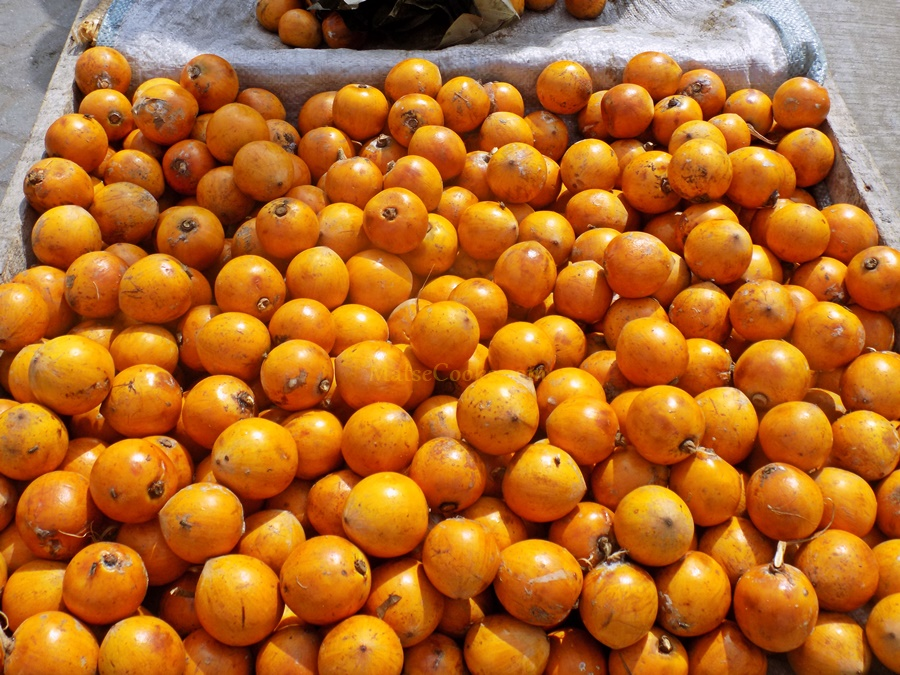
In the bustling markets of West Africa, between December and April, a unique, tangy-sweet treasure appears: the Agbalumo. Known by many names—African cherry, udara, or African star apple—this fuzzy, green-to-orange fruit is far more than a seasonal snack. It is a culturally cherished and nutritionally dense superfruit with a health profile that has been celebrated in traditional medicine for generations and is now catching the eye of nutritional science. With a flavor that intrigues (a complex blend of sweet, sour, and slightly milky notes) and a texture that delights, the Agbalumo (Chrysophyllum albidum) is a powerful package of vitamins, antioxidants, and fiber. This article peels back the skin of this exotic fruit to reveal its complete nutritional composition and the compelling reasons why it deserves a spot in the global superfood conversation.
Meet the Agbalumo: A Botanical Gem of West Africa
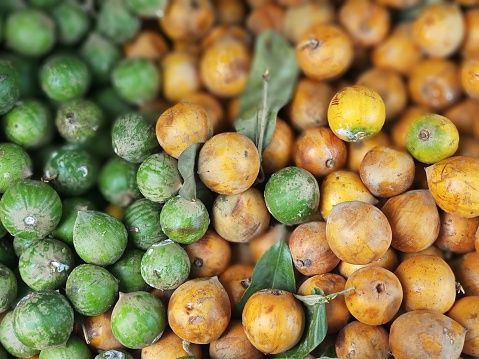
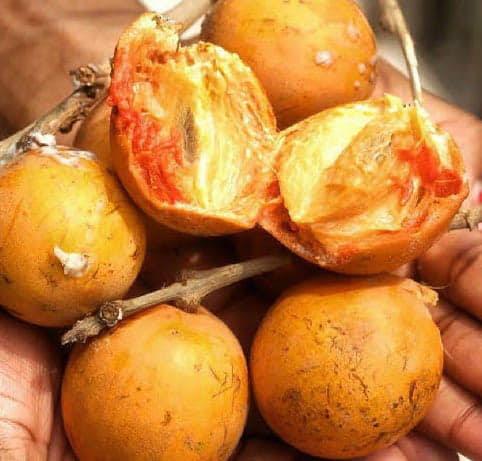
Botanically known as Chrysophyllum albidum, the Agbalumo tree is native to the tropical regions of West Africa, particularly Nigeria, Ghana, and Cameroon. The fruit is roughly the size of a small apple, with a distinctive star-shaped pattern visible when sliced crosswise—hence the name “African star apple.” Its skin is thin, leathery, and changes from green to a bright orange or reddish-brown when ripe. Inside, the flesh is succulent, often in shades of pink to pale orange, and contains 3-5 glossy, black seeds.
It’s crucial to distinguish it from the common sweet cherry (Prunus avium) or sour cherry (Prunus cerasus). Agbalumo is a completely different species with a unique nutrient profile and culinary use, celebrated not just for its pulp but also for the potential benefits of its seeds, bark, and leaves in traditional wellness practices.
Agbalumo Nutrition Facts: A Powerhouse in a Small Package
While comprehensive standardized data is still emerging from regional research, analyses of Chrysophyllum albidum pulp reveal an impressive density of essential nutrients. The fruit is low in calories but rich in critical vitamins, minerals, and protective plant compounds.
Nutritional Profile of Agbalumo Pulp (Per 100g serving, estimated from scientific analyses):
| Nutrient | Approximate Amount / Key Fact | % Daily Value (DV) Estimate / Health Role |
|---|---|---|
| Calories | 60-75 kcal | Low-energy density, suitable for weight management. |
| Dietary Fiber | 5-10 g | Exceptionally high. 20-40% of DV. Crucial for digestion and satiety. |
| Vitamin C (Ascorbic Acid) | 25-50 mg | 30-55% of DV. Potent antioxidant and immune system fuel. |
| Calcium | 40-60 mg | 4-6% of DV. Supports bones, teeth, and nerve function. |
| Potassium | 150-200 mg | 3-5% of DV. Vital for heart rhythm and blood pressure control. |
| Phosphorus | 20-30 mg | 2-3% of DV. Works with calcium for bone health. |
| Iron | 0.5-2 mg | 3-11% of DV. Non-heme iron, important for blood health. |
| Vitamin A & Carotenoids | Present (Beta-carotene) | Supports vision, skin health, and immunity. |
| Antioxidants | Flavonoids, Tannins, Phenolic Acids | High levels combat oxidative stress and inflammation. |
| Natural Sugars | Fructose, Glucose, Sucrose | Provides sweet taste; balanced by very high fiber content. |
Data is synthesized from peer-reviewed analyses of Chrysophyllum albidum published in African scientific journals.
DV based on a 2,000-calorie diet.
The standout features are immediately clear: Agbalumo is an extraordinary source of dietary fiber and vitamin C, two pillars of preventive health. Its rich antioxidant profile further elevates its status from mere fruit to functional food.
Top Evidence-Based Health Benefits of Agbalumo (African Cherry)
The synergy of its nutrients translates into tangible benefits, many of which are now being validated by research.
1. Immune System Fortification and Antioxidant Powerhouse
Agbalumo is loaded with vitamin C, a crucial nutrient that stimulates the production and function of white blood cells, the body’s primary defense against infections. Its high concentration of flavonoids and phenolic compounds acts as a secondary shield. These antioxidants neutralize harmful free radicals, reducing oxidative stress—a key driver of chronic inflammation, premature aging, and diseases like cancer and heart disease. Consuming Agbalumo can be a delicious strategy to bolster your body’s natural defenses, especially during its peak season, which often coincides with cooler, illness-prone months in some regions.
2. Digestive Health and Blood Sugar Regulation Champion
This is arguably Agbalumo’s superpower. With an estimated 5-10 grams of fiber per 100g, it is one of the most fiber-rich fruits you can eat. This fiber, particularly pectin (a soluble fiber), adds healthy bulk to stool, promoting regularity and preventing constipation. Furthermore, soluble fiber slows the digestion and absorption of carbohydrates, which helps prevent sharp spikes in blood sugar and insulin levels. This makes Agbalumo a potentially beneficial fruit for individuals managing type 2 diabetes or insulin resistance, as part of a balanced diet. The fiber also promotes a feeling of fullness, aiding in weight management.
3. Heart Health Support
The fruit supports cardiovascular wellness through multiple pathways. Its potassium content helps regulate blood pressure by counteracting the effects of sodium. The soluble fiber can help lower levels of LDL (“bad”) cholesterol by binding to it in the digestive tract. Additionally, the potent antioxidants protect the lining of blood vessels from inflammatory damage, reducing the risk of atherosclerosis (hardening of the arteries).
4. Anti-Inflammatory and Anti-Microbial Properties
Traditional use of Agbalumo bark and leaves for wound healing and treating infections finds some support in science. Extracts from the plant have demonstrated anti-inflammatory and antimicrobial activities in laboratory studies. The tannins and flavonoids present are thought to inhibit the growth of certain bacteria and fungi, explaining its use in folk medicine for conditions like sore throats, diarrhea, and skin infections. While more human studies are needed, this traditional knowledge points to its potent bioactive nature.
5. Potential Anti-Cancer and Anti-Diabetic Properties (Emerging Research)
Exciting preliminary research is exploring Agbalumo’s therapeutic potential. Test-tube and animal studies have shown that extracts from the fruit, seed, and leaf may inhibit the growth of cancer cells (including breast and liver cancer cells) and exhibit strong anti-diabetic effects by improving insulin sensitivity and lowering blood glucose. These studies highlight the fruit’s pharmacological promise, though they underscore the need for more clinical research in humans.
How to Select, Eat, and Use Agbalumo
Selecting a Ripe Fruit:
A ripe Agbalumo yields slightly to gentle pressure. The skin color deepens from green to a vibrant orange, yellow, or reddish-brown, often with a slight wrinkling. The fruit will also detach easily from the stem.
How to Eat It:
- Wash the outer skin.
- Gently squeeze the fruit until the skin cracks or make a small tear with your fingers.
- Peel back the thin skin to reveal the soft, juicy pulp.
- Suck the pulp directly from the skin or scoop it out. The seeds are not typically eaten. The unique experience is part of its charm—the pulp is often slightly fibrous and tart, becoming sweeter as you eat.
Culinary and Traditional Uses:
- Fresh Snack: Enjoy it raw as a refreshing, tangy snack.
- Juice and Smoothies: The pulp can be blended into juices, smoothies, or cocktails.
- Fruit Salads: Adds a unique tangy twist to fruit salads.
- Traditional Medicine: In some cultures, infusions are made from the leaves or bark.
FAQs: Your Agbalumo Questions Answered
Q1: Is Agbalumo the same as the common cherry I find in supermarkets?
No, they are completely different. The common cherry (Prunus species) is a small, red, stone fruit from temperate regions. Agbalumo (Chrysophyllum albidum) is a tropical fruit from West Africa, larger, with leathery skin and a star-shaped seed arrangement. Their flavors, textures, and nutritional profiles are distinct.
Q2: Can you eat the seeds or skin of Agbalumo?
The skin is edible and often consumed along with the pulp, though some prefer to peel it. The seeds are generally not eaten raw due to their hardness. However, in traditional settings, the seeds are sometimes dried, cracked open, and the inner kernel is consumed or used medicinally. The seeds are also known for their high oil and protein content.
Q3: Where can I buy Agbalumo outside of West Africa?
Your best bet is in African or international grocery stores, especially those specializing in West African foods, during its seasonal window (typically December to April). It may be sold under the names Agbalumo, Udara, or African Cherry.
Q4: Are there any side effects or people who should avoid it?
Agbalumo is safe for most people when eaten as a food. Due to its very high fiber content, introducing it in large amounts suddenly may cause temporary digestive discomfort like bloating. Those with late-stage kidney disease should be mindful of its potassium content, though a single serving is not excessively high. As with any new food, try a small amount first.
Q5: How does its nutritional value compare to more common fruits like apples or oranges?
Agbalumo holds its own remarkably well. It typically contains 2-4 times more fiber than an apple or orange. Its vitamin C content is competitive with oranges, especially for certain varieties. Its unique value lies in this combination of exceptional fiber, good vitamin C, and a dense, diverse array of antioxidants not found in common temperate fruits.
Conclusion: A Cultural Treasure with Global Superfood Potential
Agbalumo, the African cherry, is a testament to the incredible nutritional diversity found in regional foods. It is not just a fruit; it is a package of wellness—offering a formidable combination of gut-healthy fiber, immune-boosting vitamin C, and heart-protecting antioxidants. While it has been a cherished secret in West Africa for centuries, modern science is beginning to uncover the robust reasons behind its traditional esteem.
Seeking out and trying Agbalumo is more than a culinary adventure; it’s an opportunity to connect with a rich food heritage and nourish your body with a truly unique set of nutrients. So, if you spot this fuzzy, orange gem in a market, embrace the chance to experience one of nature’s most impressive and delicious health gifts from the African tropics.