
Grapes: more than just sweet snacks. Discover their powerhouse nutrition facts and proven benefits for your heart, brain, and immunity. Your complete guide.
Introduction

Often relegated to the fruit bowl or charcuterie board, the humble grape is undergoing a radical reputation shift. No longer just a sweet snack or the source of wine, science is revealing grapes to be a dense packet of medicinal compounds, a true “medicine in a cluster.” From their unique heart-protective polyphenols to their emerging role in brain health and cancer defense, grapes are a fascinating study in how a simple whole food can deliver complex, systemic benefits. This article uncovers the complete nutritional profile and the compelling, research-backed reasons why a handful of grapes might be one of the smartest health decisions you make all day.
A Fruit of Antiquity, A Subject of Modern Science
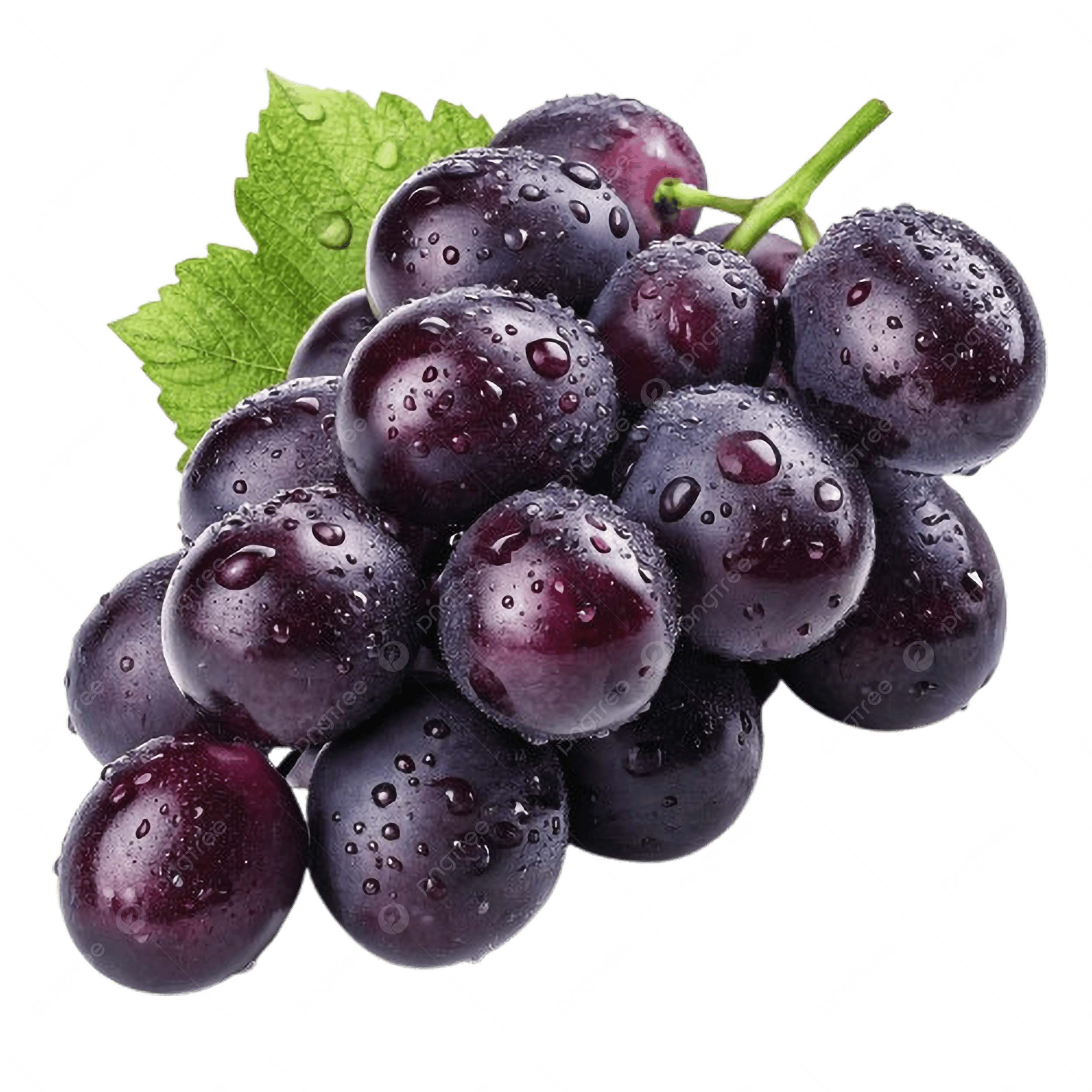
Grapes (Vitis vinifera) are one of the oldest cultivated fruits, with a history intertwined with human culture. But beyond their culinary and symbolic legacy lies a modern scientific narrative. What makes grapes extraordinary is their skin and seeds—where a potent arsenal of polyphenols like resveratrol, flavonoids, and anthocyanins are concentrated. These aren’t just responsible for the color of red and purple grapes; they are bioactive compounds with direct, beneficial effects on human physiology.
The Nutritional Blueprint: What’s in a Grape?
To appreciate their impact, let’s examine the core nutritional data. The values below are for a one-cup serving (about 150 grams) of raw, red or green grapes.
| Nutrient | Amount per 1 Cup (151g) | % Daily Value (DV) / Key Fact |
|---|---|---|
| Calories | 104 kcal | Moderate source of natural energy |
| Carbohydrates | 27.3 g | Primary energy source, includes natural sugars and fiber |
| Dietary Fiber | 1.4 g | 5% of DV. Supports digestion and gut health. |
| Vitamin K | 22 mcg | 24% of DV. Crucial for blood clotting and bone metabolism. |
| Vitamin C | 4.8 mg | 5% of DV. Antioxidant vital for immunity and skin. |
| Potassium | 288 mg | 6% of DV. Supports nerve function and blood pressure. |
| Copper | 0.2 mg | 19% of DV. Essential for iron absorption and energy production. |
| Polyphenols | Resveratrol, Quercetin, Catechins, Anthocyanins | Not quantified by DV. The source of most unique health benefits. |
Data synthesized from USDA nutritional databases and phytonutrient research.
This table reveals the foundation, but the real story is in the polyphenols. These are the compounds that make grapes a standout functional food.
Top Science-Backed Health Benefits of Grapes
1. A Guardian of Cardiovascular Health
This is one of the most well-established benefits. Grapes support heart health through multiple, synergistic mechanisms. The polyphenols, particularly resveratrol and flavonoids, are potent antioxidants that reduce oxidative stress and inflammation in blood vessels. They help improve endothelial function—the health of the inner lining of arteries—which is critical for regulating blood pressure and preventing atherosclerosis.
Clinical evidence is strong: A notable study published in the journal Nutrients found that consuming grapes significantly improved vascular function and reduced key markers of inflammation and oxidative stress in men with metabolic syndrome, a major risk factor for heart disease. Furthermore, the potassium in grapes aids in blood pressure regulation, and some compounds may help reduce platelet aggregation, lowering the risk of unhealthy clots.
2. Cognitive Function and Brain Protection

The benefits of grape polyphenols extend to the brain. Resveratrol has been shown to cross the blood-brain barrier, where it exerts protective effects. Research indicates these compounds can reduce neuroinflammation and oxidative stress, two key drivers of cognitive decline and neurodegenerative diseases like Alzheimer’s.
Human studies show promising results. Research involving older adults with early memory decline found that daily consumption of grape powder helped preserve healthy metabolic activity in brain regions associated with Alzheimer’s disease and improved attention and memory performance. The anti-inflammatory properties of grapes appear to shield delicate brain cells from damage.
3. Antioxidant and Anti-Inflammatory Powerhouse
Chronic, low-grade inflammation is a root cause of most modern chronic diseases. Grapes are one of the richest fruit sources of diverse antioxidants. These compounds, especially abundant in the skins of red and purple grapes, neutralize free radicals and down-regulate inflammatory pathways in the body.
This systemic effect is not just theoretical. Regular consumption of grapes and grape products is linked to reduced levels of inflammatory markers like C-reactive protein (CRP) in the blood. By damping this inflammatory fire, grapes contribute to long-term protection against a host of inflammation-driven conditions.
4. Blood Sugar Regulation and Diabetes Management
Despite their sweetness, grapes have a low to moderate glycemic index. More importantly, specific polyphenols in grapes, including resveratrol, have been shown to improve insulin sensitivity. They help the body’s cells use glucose more effectively, which can lead to better blood sugar control.
Population studies add weight to this. Some large observational studies have found an association between moderate fruit consumption, including grapes, and a lower risk of developing type 2 diabetes. The fiber in grapes also helps slow the absorption of sugars, preventing sharp spikes in blood glucose.
5. Cancer Prevention Potential
While no single food can prevent cancer, grapes contain several compounds that show promise in laboratory and animal studies. Resveratrol, in particular, has been extensively studied for its ability to inhibit the growth of cancer cells and induce apoptosis (programmed cell death) in various cancer lines, including breast, colon, and prostate.
The American Institute for Cancer Research classifies grapes (and their polyphenols) as foods with “potential cancer-protective properties,” particularly related to their anti-inflammatory and antioxidant actions that can prevent the initial DNA damage that leads to cancer. They emphasize the importance of getting these compounds from whole foods, not supplements.
6. Support for Eye Health
Grapes contain the antioxidants lutein and zeaxanthin, which are known to accumulate in the retina. They help filter harmful high-energy blue light and protect retinal cells from oxidative damage. Research suggests that a diet rich in these antioxidants may help reduce the risk of age-related macular degeneration and cataracts.
Maximizing Benefits: Selection, Consumption, and Practical Tips
Red, Green, or Black?

Color matters. Red, purple, and black grapes contain the highest levels of anthocyanins and resveratrol because these pigments are concentrated in the skin. Green grapes are still healthy and contain beneficial polyphenols like catechins and gallic acid, but generally in lower concentrations of the most studied compounds.
Whole Fruit vs. Juice vs. Wine
- Whole Grapes: The undisputed best choice. You get all the fiber, the full spectrum of nutrients from skin and flesh, and natural portion control.
- 100% Grape Juice: Retains vitamins and some polyphenols but lacks the beneficial fiber and makes it easy to overconsume sugar. It should be an occasional treat, not a staple.
- Wine: Contains alcohol, which carries its own health risks. While red wine has resveratrol, health authorities do not recommend starting to drink for health benefits. The potential negatives of alcohol outweigh the benefits of polyphenols for non-drinkers.
Selection and Storage:
Choose plump, firm grapes that are firmly attached to their stems. Avoid soft, wrinkled, or brown-stemmed grapes. Store unwashed in a perforated bag in the refrigerator for up to two weeks. Wash just before eating.
Incorporating Grapes into Your Diet:
Freeze them for a refreshing snack, add them to chicken or tuna salads, skewer them with cheese, roast them alongside vegetables, or blend frozen grapes into a “sorbet.” Their versatility is a key to regular consumption.
Frequently Asked Questions (FAQs)
Q1: Are grapes too high in sugar to be healthy?
A: The sugar in grapes is natural fructose and glucose, packaged with water, fiber, and a vast array of nutrients. For most people, eating whole grapes in reasonable portions (1-2 cups) as part of a balanced diet does not negatively impact blood sugar and provides significant health benefits. Those with diabetes should be mindful of portion size and pair grapes with a protein or fat source.
Q2: Should I eat grape seeds?
A: Yes, if you can tolerate the texture! Grape seeds are an exceptionally concentrated source of antioxidants, including proanthocyanidins. Some studies suggest grape seed extract has potent benefits for vascular health. Chewing the seeds (in seeded varieties) releases these compounds.
Q3: What about raisins? Are they as good as fresh grapes?
A: Raisins are a concentrated source of calories, sugar, and certain minerals like iron and potassium. However, the drying process can degrade some heat-sensitive vitamins (like vitamin C) and polyphenols. They are a healthy, portable snack in moderation but should not be considered a direct nutritional substitute for the whole, fresh fruit.
Q4: Do organic grapes offer a significant advantage?
A: Grapes often appear on the “Dirty Dozen” list for pesticide residue. Washing helps but may not remove all residues. Choosing organic grapes, especially if consuming them frequently and with the skin on, can reduce your exposure to these chemicals. If organic isn’t an option, washing thoroughly under running water is essential.
Q5: Can I get the same benefits from a resveratrol supplement?
A: No. Supplement science is complex, and isolated compounds often don’t replicate the benefits of the whole food. The synergy of fiber, vitamins, minerals, and the full spectrum of polyphenols in a grape is what creates the health effect. Supplements lack this synergy and can have unintended side effects or interactions.
Conclusion: A Cluster of Wellness

The grape is a profound example of nature’s packaging genius. Within each tiny orb lies a complex network of nutrients and bioactive compounds that communicate with our biology in protective, restorative ways. From safeguarding your heart and sharpening your mind to regulating your metabolism and calming systemic inflammation, the regular inclusion of whole grapes—particularly the deeply colored varieties—is a simple, delicious, and powerfully effective strategy for long-term health. Embrace the whole fruit, seeds and all, and let this ancient food be a modern pillar of your wellness.