
Is a carrot a fruit or vegetable? Discover its amazing nutrition facts and science-backed health benefits for vision, heart, and immunity. Your complete guide to this orange powerhouse.
Introduction

For many, the humble carrot is the very definition of a vegetable—crunchy, savory, and a salad staple. Yet, in the colorful world of plant-based foods, it occupies a fascinating space. While botanically a root vegetable, its nutritional profile and health impacts rival, and often surpass, those of many celebrated fruits. Often lumped into the “red and orange” category in dietary guidelines alongside fruits like oranges and mangoes, the carrot is an undisputed nutritional powerhouse in its own right. This article digs deep beneath the soil to unearth the complete nutrition facts and the profound, science-backed health benefits of the carrot, proving that its value extends far beyond just good vision.
The Carrot at a Glance: Botanical Identity and Nutritional Standpoint
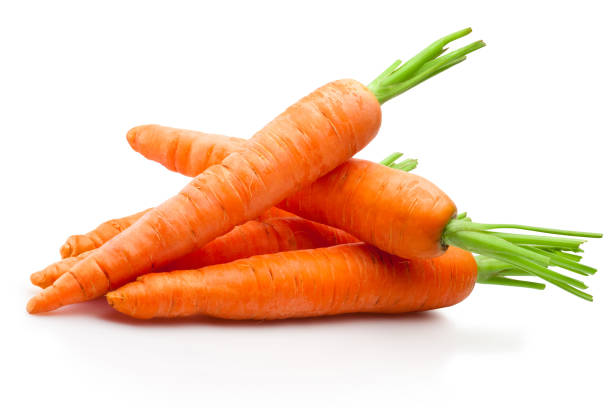
First, let’s settle the garden debate. By strict botanical definition, the carrot (Daucus carota) is a root vegetable, specifically a taproot. However, major dietary guidance systems like the U.S. Dietary Guidelines don’t categorize foods by botany but by their nutrient profiles. Here, carrots are proudly featured as a leading member of the “Red and Orange Vegetables” subgroup, a category created specifically to highlight foods rich in carotenoids like beta-carotene. This places the carrot in a league with sweet potatoes and pumpkins, all celebrated for their dense concentrations of health-promoting compounds.
So, while you won’t find a carrot growing on a tree, its nutritional contributions are absolutely “fruit-like” in their potency and variety.
Decoding the Nutrition: What’s in a Carrot?
To truly appreciate its benefits, we must examine what a standard serving provides. The following table details the nutritional composition of one medium, raw carrot (approximately 85 grams), offering a clear snapshot of its density in essential nutrients.
| Nutrient | Amount per Medium Carrot (~85g) | % Daily Value (DV) / Key Fact |
|---|---|---|
| Calories | 30 kcal | Low-calorie, nutrient-dense food |
| Dietary Fiber | 2.5 g | 10% of DV. Excellent source for digestive health. |
| Vitamin A (as Beta-Carotene) | >200% DV | Extraordinarily high. The primary source of its famed benefits. |
| Vitamin K | 10% DV | Important for blood clotting and bone health. |
| Potassium | 201 mg | 6% of DV. Supports nerve function and blood pressure regulation. |
| Vitamin C | 6% DV | An antioxidant that supports immunity and skin health. |
| Biotin & Vitamin B6 | Present | Supports metabolism and energy conversion. |
| Phytonutrients | Beta-Carotene, Lutein, Alpha-Carotene, Polyacetylenes | Powerful antioxidants and anti-inflammatory agents. |
Data synthesized from nutritional analysis and public health resources.
This profile reveals the carrot’s secret: it’s not just about vitamin A. It’s a synergistic package of fiber, minerals, and a diverse array of plant compounds that work together.
Top Science-Backed Health Benefits of Carrots
1. Vision and Eye Health Protector (Beyond the Myth)
The link between carrots and eyesight is rooted in truth but often oversimplified. Carrots are packed with beta-carotene, which the body converts into vitamin A. This vitamin is essential for forming rhodopsin, a pigment in the retina that allows us to see in low-light conditions. A deficiency can lead to night blindness. Furthermore, carrots contain lutein, an antioxidant also found in high concentrations in other fruits and vegetables like kiwi and grapes, which helps protect the eyes from damaging blue light and may reduce the risk of age-related macular degeneration.
While eating carrots won’t give you superhuman night vision, a diet rich in these carotenoids is fundamental to long-term ocular health.
2. A Champion for Heart Health
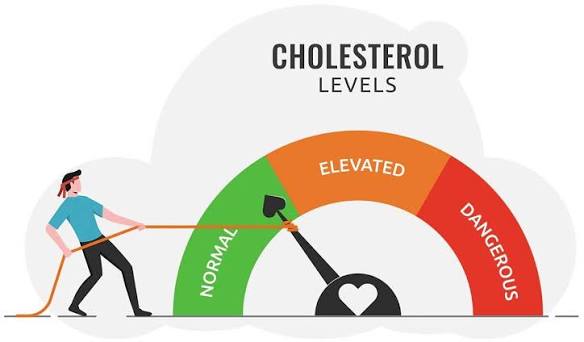
Heart disease remains a leading global concern, and carrots offer multi-faceted support. Their potassium content helps regulate blood pressure by balancing the effects of sodium. More importantly, the antioxidants in carrots, particularly various carotenoids, are linked to lower levels of oxidative stress and inflammation, two key drivers of cardiovascular disease. The soluble fiber in carrots may also contribute to healthy cholesterol levels.
3. Antioxidant and Anti-Inflammatory Powerhouse
Chronic inflammation is a root cause of many modern diseases. Carrots are rich in a variety of antioxidants beyond just beta-carotene, including alpha-carotene and lutein. These compounds “mop up” harmful free radicals—unstable molecules that damage cells. Diets high in such antioxidants from fruits and vegetables are consistently linked to a reduced risk of numerous chronic conditions, from certain cancers to neurological disorders.
4. Digestive Health and Weight Management Ally
With a notable 2.5 grams of fiber per medium carrot, this root veggie is excellent for digestion. Fiber adds bulk to stool, promotes regular bowel movements, and supports a healthy gut microbiome. Furthermore, the combination of high fiber and water content with low calorie density makes carrots exceptionally satiating. Snacking on raw carrots can help manage hunger pangs, support healthy blood sugar levels, and is a strategic food for weight management goals.
5. Immune System Support and Skin Health
The nutrients in carrots create a strong defense team for your body. Vitamin A is critical for the integrity and function of the skin and mucosal cells, which are the body’s first line of defense against pathogens. The vitamin C in carrots, while not as high as in citrus fruits, still contributes to immune cell function and collagen production. Interestingly, the carotenoids in carrots (like beta-carotene and lycopene, also found in watermelon) may provide minor protective effects against sun damage, though they are no substitute for sunscreen.
How to Maximize Benefits: Selection, Preparation, and Dietary Tips

Selection and Storage:
Choose firm, smooth carrots with bright orange color. Avoid those that are limp, cracked, or have green tops at the shoulder (which can taste bitter). To store, remove any green tops to prevent moisture loss, place in a sealed bag in the crisper drawer of your refrigerator, where they can last for weeks.
Preparation Insights:
- To Peel or Not to Peel: Washing thoroughly is often enough. The skin contains concentrated nutrients, so leaving it on maximizes fiber and phytonutrient intake.
- Raw vs. Cooked: Both are excellent. Cooking, especially steaming or roasting, softens the cell walls, making the beta-carotene more bioavailable (easier for your body to absorb). Enjoy them both ways for variety.
- Pair with Healthy Fats: Since vitamin A and carotenoids are fat-soluble, consuming carrots with a source of healthy fat (like a drizzle of olive oil, avocado dip, or a handful of nuts) enhances your body’s absorption of these critical nutrients.
Incorporating Carrots into Your Diet:
Moving beyond crudité platters is easy and delicious. Grate them into oatmeal or muffin batter, spiralize them into “noodles,” blend them into soups and smoothies, or roast them with herbs as a sweet, caramelized side dish. They add natural sweetness, moisture, and nutrients to almost any meal.
Frequently Asked Questions (FAQs)
Q1: Can eating too many carrots turn my skin orange?
A: Yes, this condition is called carotenemia. It’s a harmless, temporary effect caused by extremely high intakes of beta-carotene. The skin, particularly on the palms and soles, may take on a yellow-orange tint. It resolves by simply reducing carrot (and other beta-carotene-rich food) consumption.
Q2: Are baby carrots as nutritious as whole carrots?
A: Yes. Baby carrots are typically just larger carrots that have been peeled and cut into a uniform size. They retain nearly all the nutritional value of whole carrots, though some surface nutrients may be lost in peeling. They are a convenient and perfectly healthy option.
Q3: Is carrot juice as healthy as eating whole carrots?
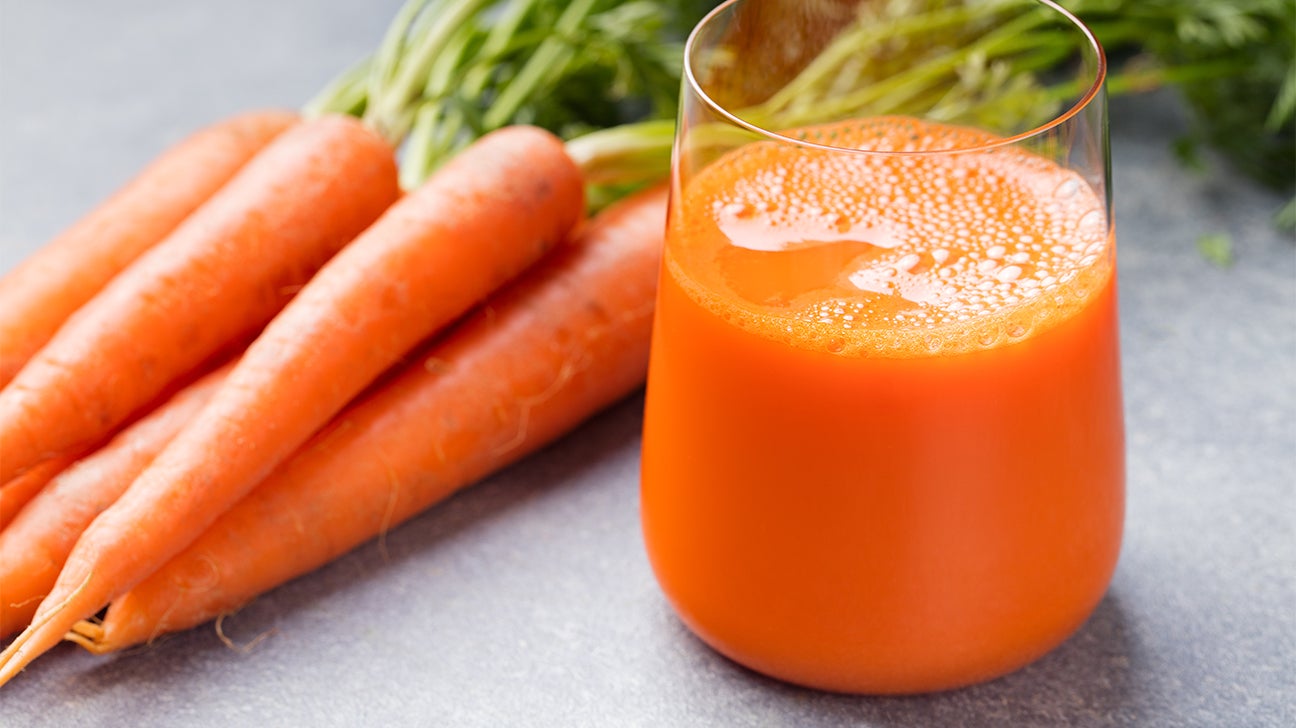
A: Not quite. While 100% carrot juice retains most vitamins, minerals, and antioxidants, it lacks the dietary fiber found in the whole vegetable. Juice also concentrates the natural sugars and makes it easier to consume a large amount quickly. Whole carrots are preferable for their fiber content and satiety value.
Q4: How do the phytonutrients in carrots compare to those in berries or citrus fruits?
A: Different families of plants offer different phytonutrient “toolkits.” Carrots are exceptional for carotenoids (like beta-carotene). Berries excel in anthocyanins, and citrus fruits are famous for flavonoids like hesperidin. This is precisely why dietary guidelines stress eating a variety of colorful fruits and vegetables—to gain the full spectrum of protective compounds.
Q5: Do carrots fit into specific healthy eating patterns?
A: Absolutely. Carrots are a cornerstone of nearly all heart-healthy and plant-forward diets. They are a highlighted component of the “Red and Orange Vegetables” subgroup in the USDA’s MyPlate guidance, which recommends increasing variety in this category. They naturally align with Mediterranean, DASH (Dietary Approaches to Stop Hypertension), and vegetarian diets.
Conclusion: A Root of Wellness
The carrot stands as a testament to the idea that profound health benefits often come in the simplest packages. Far more than a one-nutrient wonder for eyesight, it is a synergistic bundle of fiber, vitamins, minerals, and unique phytonutrients that supports your heart, gut, immune system, and overall cellular defense. By understanding its complete nutritional profile and embracing its versatility in the kitchen, you can transform this common root vegetable into an uncommon tool for daily wellness. So, the next time you crunch into a carrot, savor not just its sweetness, but the remarkable, science-backed health legacy it brings to your plate.
For more insights on building a holistic approach to health through diet, explore our article on the foundational 4 pillars of medical ethics, which emphasizes the principle of beneficence—doing good for one’s health.