
Discover why berries are considered nature’s superfood. Explore the powerful nutrition facts and science-backed health benefits of strawberries, blueberries, raspberries, and blackberries for your heart, brain, and more.
Berries: The Tiny Nutritional Titans Packing an Unbeatable Health Punch

Forget the exotic superfoods from distant jungles; some of the most potent medicine on the planet grows in your local garden or supermarket aisle. Berries—the small, often brightly colored fruits of various plants—are not just a sweet summer treat. They are nutritional powerhouses, clinically recognized for their dense concentrations of vitamins, fiber, and, most importantly, a formidable arsenal of antioxidants. While all fruits are beneficial, science places berries in a league of their own, with some studies suggesting they contain nearly ten times the antioxidants of other common fruits and vegetables. From safeguarding your heart and sharpening your mind to regulating blood sugar and fighting cellular damage, this article dives deep into the compelling evidence that makes berries an essential component of a health-forward diet.
Beyond the Sweetness: Decoding the Berry Family
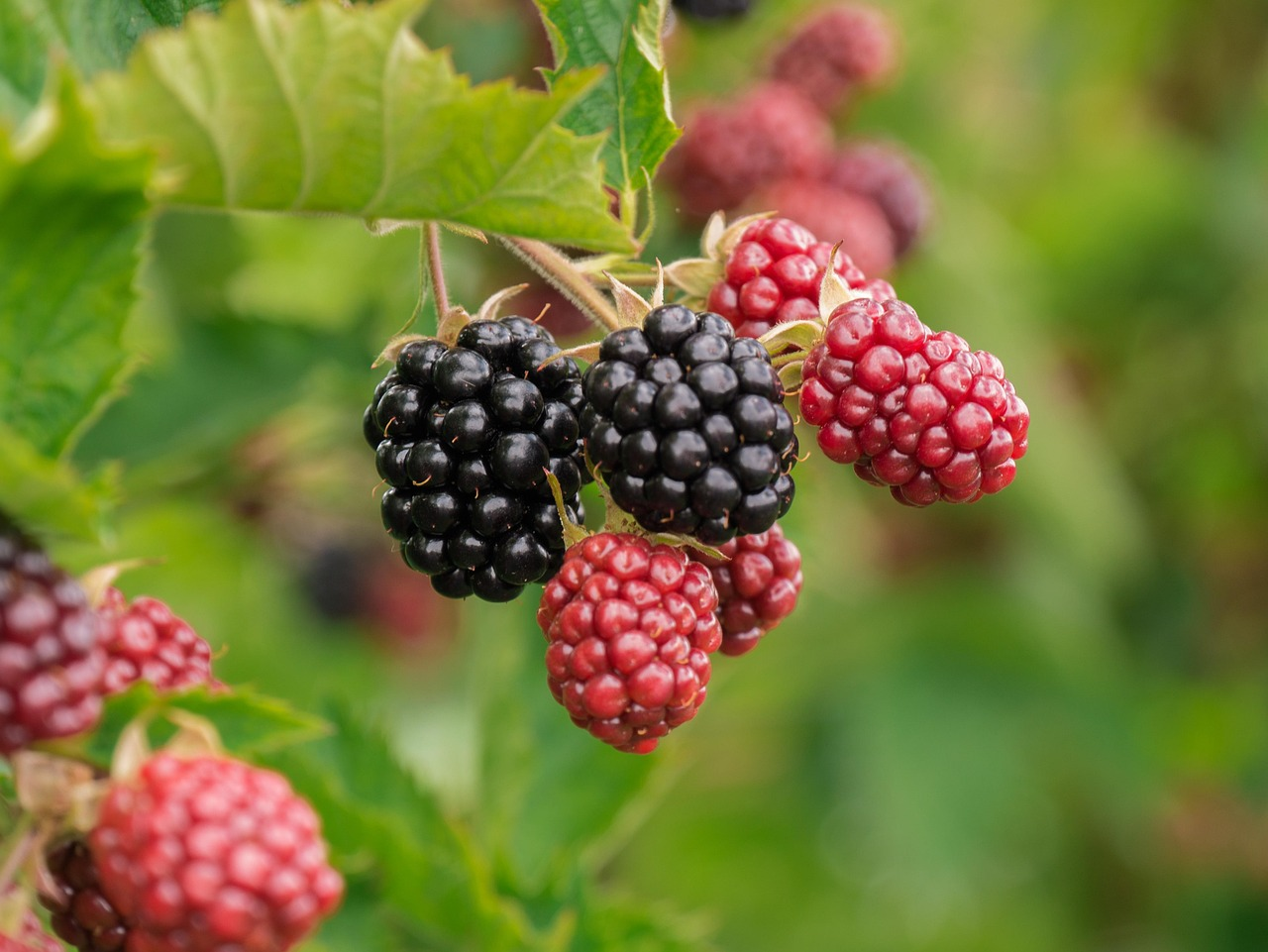
Botanically, a berry is a simple fruit with seeds and pulp produced from the ovary of a single flower. This includes surprises like bananas and kiwis, but in the culinary world, we think of the small, edible treasures: strawberries, blueberries, raspberries, and blackberries. Each variety brings a unique phytochemical profile, indicated by its vibrant color, but they share a common nutritional theme: they are low in calories, exceptionally high in fiber and vitamin C, and bursting with protective plant compounds.
The U.S. Department of Agriculture (USDA) recommends that adults consume 1.5 to 2.5 cups of fruit daily, depending on age, sex, and activity level, with an emphasis on whole fruits over juice. Incorporating a daily serving of berries is one of the most effective ways to meet this guidance while maximizing nutrient intake. A single cup of mixed berries contributes significantly to your daily fiber goal and provides a megadose of antioxidants with minimal impact on blood sugar.
The following table breaks down the standout nutritional profiles of four common berries per one-cup serving, highlighting what makes each one special:
| Nutrient (per 1 cup) | Strawberries (152g) | Blueberries (148g) | Raspberries (123g) | Blackberries (144g) |
|---|---|---|---|---|
| Calories | 48.6 kcal | 84.4 kcal | 64 kcal | 61.9 kcal |
| Dietary Fiber | 3 g | 3.6 g | 8 g | 7.6 g |
| Vitamin C | 89.4 mg (99% DV) | 14.4 mg (16% DV) | 32.2 mg (36% DV) | 30.2 mg (34% DV) |
| Vitamin K | 3.2 mcg (3% DV) | 28.6 mcg (24% DV) | 9.6 mcg (8% DV) | 28.5 mcg (24% DV) |
| Manganese | 0.6 mg (26% DV) | 0.5 mg (22% DV) | 0.8 mg (35% DV) | 0.9 mg (39% DV) |
| Key Antioxidants | Anthocyanins, Ellagitannins, Proanthocyanidins | Anthocyanins (highest concentration) | Ellagic Acid, Anthocyanins | Anthocyanins, Catechins |
| Notable Feature | Extremely high in Vitamin C | Highest antioxidant capacity of common fruits | Highest fiber content of all berries | Rich in fiber and Vitamin K |
The Science-Backed Health Benefits of Berries
The synergy of fiber, vitamins, and potent phytochemicals in berries translates into wide-ranging, clinically observed health benefits.
1. Champions of Heart Health
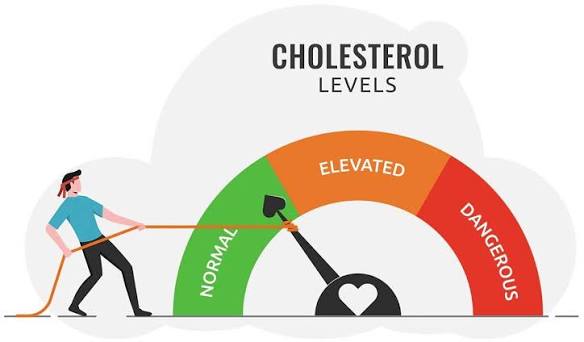
Berries are a heart’s best friend. The soluble fiber, like pectin found in strawberries and blueberries, helps reduce LDL (“bad”) cholesterol levels. More powerfully, the anthocyanins that give berries their red, blue, and purple hues have been consistently linked to improved cardiovascular function. These compounds help reduce oxidative stress and inflammation in blood vessels, improve blood lipid profiles, and lower blood pressure. A landmark study following nearly 400,000 people found that a higher intake of anthocyanin-rich berries was associated with a significantly lower risk of heart attacks.
2. Guardians of Brain Function and Cognitive Decline
The anti-inflammatory and antioxidant effects of berries extend powerfully to the brain. Studies show that the phytochemicals in berries can cross the blood-brain barrier, where they accumulate in areas critical for learning and memory. They help “clean up” free radicals and reduce inflammation associated with neurodegenerative diseases like Alzheimer’s and Parkinson’s. Regular consumption of berries, especially blueberries and strawberries, has been correlated with slower rates of cognitive decline in older adults, effectively helping to keep the brain younger and more resilient.

3. Masters of Blood Sugar Regulation
Despite their sweetness, berries have a low glycemic index (GI), meaning they cause a slow, minimal rise in blood sugar and insulin levels. This is thanks to their high fiber content, which slows the digestion and absorption of sugars, and their abundant polyphenols, which improve insulin sensitivity. For individuals with type 2 diabetes or insulin resistance, berries are an excellent fruit choice. The same large study that showed heart benefits also found that every 17-gram increase in daily berry consumption was linked to a 5% lower risk of developing type 2 diabetes.
4. Potent Anti-Inflammatory and Anti-Cancer Agents
Chronic inflammation is the root of many modern diseases, including cancer. The diverse array of antioxidants in berries, such as ellagic acid in raspberries and resveratrol in blueberries, combat this by neutralizing DNA-damaging free radicals and modulating inflammatory pathways. While no food can prevent cancer, population studies suggest that diets rich in berries are associated with a reduced risk of several cancers, including esophageal, colon, and lung cancer. The compounds in berries may inhibit tumor growth and promote the death of cancerous cells.
5. Allies in Digestion and Weight Management
With some of the highest fiber counts of any fruit—raspberries and blackberries deliver about one-third of the daily recommended intake in a single cup—berries are exceptional for digestive health. Fiber adds bulk to stool, promotes regularity, and acts as a prebiotic, feeding the beneficial bacteria in your gut microbiome. Furthermore, their combination of high water content, fiber, and low calorie density makes them incredibly satiating. They help you feel full longer, which can naturally reduce overall calorie intake and support healthy weight management goals.
How to Select, Store, and Maximize Berry Benefits
Selection & Storage:
- Choose plump, firm, and brightly colored berries without moisture or mold.
- Store unwashed in a single layer on a paper towel in a ventilated container in the refrigerator. Wash gently just before eating.
- Freezing is fantastic: To enjoy berries year-round, spread washed and dried berries on a baking sheet to freeze individually before transferring to a bag. Frozen berries retain nearly all their nutrients and are perfect for smoothies, oatmeal, or baking.
Incorporating Berries into Your Diet:
- Simple & Fresh: Enjoy a handful as a snack, or add to yogurt, cottage cheese, or salads.
- Blend Them: Add frozen berries to smoothies for a nutrient and flavor boost.
- Cook Smart: Use them in oatmeal, chia puddings, or as a topping for whole-grain pancakes. Bake them into healthy muffins or compotes.
- Savory Pairings: Try strawberries in a spinach salad with balsamic vinegar or a blueberry salsa with grilled chicken.
A Note on Juice vs. Whole Fruit:
While 100% berry juice contains vitamins and antioxidants, it is stripped of its precious, health-defining fiber and concentrates the sugars. For the full spectrum of health benefits, whole or cut-up berries are infinitely superior. If you do drink juice, the USDA recommends that no more than half your daily fruit intake come from juice.
Frequently Asked Questions (FAQs)
Q1: Are berries too high in sugar for people with diabetes?
No. Berries are one of the best fruit choices for individuals managing diabetes or blood sugar levels. They have a low glycemic index due to their high fiber content, which prevents sharp spikes in blood glucose. The American Diabetes Association lists berries as a superfood. Portion control is always wise—a typical serving is 3/4 to 1 cup—and pairing them with a source of protein (like Greek yogurt) can further stabilize the response.
Q2: Are frozen berries as nutritious as fresh?
Yes, often even more so. Berries are typically frozen at peak ripeness, locking in their nutrient profile. Vitamins and antioxidants are well-preserved in freezing. In contrast, “fresh” berries that have traveled long distances may have degraded in nutrient content by the time you eat them. Frozen berries are a cost-effective, convenient, and healthy option.
Q3: Which berry is the absolute healthiest?
There is no single winner; variety is key. Each berry offers a unique phytochemical profile. Strawberries are unmatched in vitamin C. Blueberries are famed for their antioxidant capacity. Raspberries and blackberries are fiber champions. The best strategy is to “eat the rainbow” and consume a mix to gain the broadest range of protective compounds.
Q4: How can I get more berries into my family’s diet, especially for picky eaters?
- Blend Them: Add a handful of spinach with mixed berries into a smoothie—the fruit flavor dominates.
- Make a “Sundae”: Top plain yogurt with berries and a drizzle of honey or a sprinkle of granola.
- Bake Them In: Add blueberries or diced strawberries to muffin, pancake, or oatmeal cookie batter.
- Freeze Them: Frozen berries can be a refreshing, sweet treat similar to popsicles.
Q5: Do berry supplements or extracts offer the same benefits?
No. While supplements may concentrate specific compounds like anthocyanins, they lack the synergistic effect of the whole fruit’s complete package of fiber, vitamins, minerals, and the full spectrum of phytochemicals. The fiber is crucial for blood sugar control and satiety. Whole-food nutrition is always the preferred and most effective path.
Conclusion: A Small Habit with Monumental Returns
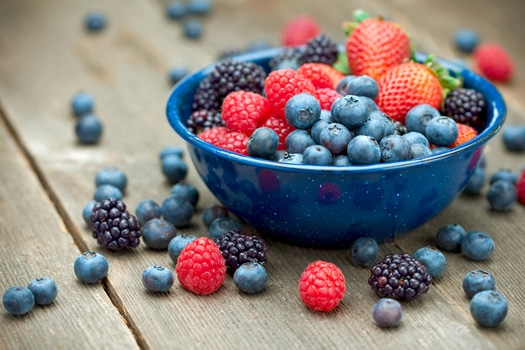
Incorporating a daily serving of berries is one of the simplest, most delicious, and most scientifically sound dietary decisions you can make. These small fruits deliver an outsized impact, offering robust protection for your heart and brain, helping to regulate your metabolism, and fighting the cellular damage that leads to chronic disease. They exemplify the powerful principle that nutrient-dense, whole foods are the foundation of lasting health. So, make room in your fridge and your routine for these nutritional titans—your body will thank you for it with every vibrant, health-promoting bite.