
Comprehensive guide to Lassa fever covering transmission routes, deadly symptoms, breakthrough prevention methods, and critical survival strategies for rural communities in West Africa.
Understanding the Silent Killer: What Is Lassa Fever?

Lassa fever represents one of West Africa’s most persistent and deadly public health threats, claiming hundreds of lives annually while infecting tens of thousands more. This viral hemorrhagic disease, first identified in 1969 in the Nigerian town of Lassa, has evolved from a localized outbreak into an endemic threat affecting millions across the region. With mortality rates reaching 18.7% in recent outbreaks and no licensed vaccine available, understanding this disease isn’t just important—it’s potentially life-saving for rural communities where transmission risk remains highest.
The Lassa virus, transmitted primarily through contact with infected rodents, causes a disease that progresses from flu-like symptoms to potentially fatal complications including bleeding, organ failure, and shock. What makes Lassa fever particularly dangerous is its deceptive nature: approximately 80% of infections produce mild or no symptoms, allowing the virus to spread silently through communities while the remaining 20% face severe, potentially fatal illness.
Recent data paints a sobering picture. In 2025 alone, Nigeria recorded over 6,000 suspected cases with nearly 800 confirmed infections resulting in 206 deaths. The disease has spread from initially affecting 20 Nigerian states to now impacting 34 of the country’s 37 states, demonstrating its expanding geographic reach. This escalation demands urgent attention to prevention strategies, particularly in rural areas where healthcare infrastructure remains limited and rodent exposure is unavoidable.
The Rodent Connection: How Lassa Fever Spreads in Rural Communities
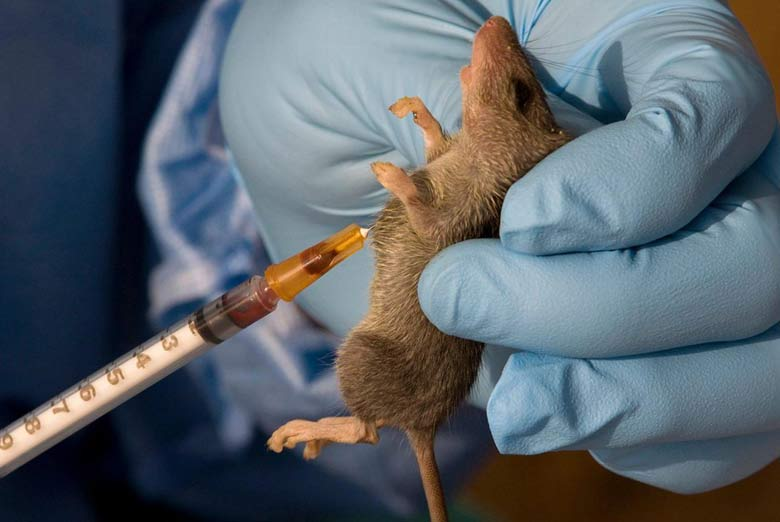
Understanding transmission routes is fundamental to preventing Lassa fever. The disease primarily spreads through the multimammate rat (Mastomys natalensis), a small rodent commonly found in rural and peri-urban areas throughout West Africa. These rodents harbor the virus without becoming ill, continuously shedding it through their urine, feces, and saliva throughout their lifetime.
Primary Transmission Pathways
Direct Contact with Contaminated Materials: Rural residents encounter the greatest risk when they touch surfaces, food, or household items contaminated with infected rodent excreta. This occurs most commonly during food preparation, cleaning activities, or when rodents access stored grains and other food supplies.
Inhalation of Viral Particles: When dried rodent droppings or urine become disturbed through sweeping, cleaning, or movement in infested areas, microscopic viral particles become airborne. Inhaling these particles introduces the virus directly into the respiratory system, representing one of the most efficient transmission routes.
Consuming Contaminated Food or Water: Traditional food storage methods in rural areas often fail to protect supplies from rodent contamination. Eating food or drinking water contaminated with rodent excreta can introduce the virus into the digestive system.
Person-to-Person Transmission: While less common than rodent-to-human transmission, Lassa fever can spread between people through contact with infected blood, urine, feces, or other bodily fluids. This secondary transmission accounts for approximately 20% of cases and poses particular risks to healthcare workers and family members caring for infected patients.
Rodent Bites: Direct bites from infected rodents can transmit the virus, though this represents a less frequent transmission route compared to environmental contamination.
Why Rural Areas Face Elevated Risk
Rural communities encounter multiple risk factors that create perfect conditions for Lassa fever transmission. Substandard housing with gaps, cracks, and openings allows rodents easy access to living spaces. Traditional food storage practices using woven baskets, clay pots, or open containers fail to exclude rodents from food supplies. Poor sanitation and waste management create attractive environments for rodent populations to thrive.
Economic constraints prevent many rural families from implementing effective rodent control measures or maintaining rodent-proof housing. Agricultural activities including crop harvesting, grain storage, and working in fields bring workers into frequent contact with rodent habitats. Limited access to healthcare means many infections go undiagnosed until severe complications develop, and inadequate health education leaves many rural residents unaware of transmission risks and prevention strategies.
Similar to how hantavirus poses significant risks in rural areas, Lassa fever thrives in environments where human-rodent interaction is unavoidable and healthcare resources are scarce.
Recognizing the Warning Signs: Lassa Fever Symptoms That Demand Immediate Action
Early symptom recognition dramatically improves survival chances, yet Lassa fever’s non-specific initial symptoms often lead to delayed diagnosis. The virus has an incubation period of 6-21 days after exposure, with symptoms developing gradually.
Early-Stage Symptoms (Week 1-2)
The disease begins with symptoms easily mistaken for common illnesses like malaria, typhoid, or influenza:
- Gradual onset of fever (typically 101-104°F or 38-40°C)
- General weakness and fatigue that progressively worsens
- Severe headaches
- Muscle aches throughout the body
- Sore throat with difficulty swallowing
- Chest pain and coughing
- Nausea, vomiting, and diarrhea
- Abdominal pain
During this early phase, many patients dismiss symptoms as routine illness, delaying medical care. However, seeking evaluation at this stage significantly improves treatment outcomes.
Severe Disease Progression (Week 2-3)
As disease advances, approximately 20% of patients develop severe complications:
- Facial swelling and fluid accumulation in body tissues
- Bleeding from the mouth, nose, vagina, or gastrointestinal tract
- Blood in urine or stool
- Extremely low blood pressure (shock)
- Protein in urine indicating kidney damage
- Pleural effusion (fluid around the lungs)
- Difficulty breathing
- Confusion, disorientation, or other neurological symptoms
- Seizures
Without appropriate medical intervention, severe cases can progress to multi-organ failure, shock, and death within two weeks of symptom onset.
Special Considerations for Vulnerable Populations
Pregnant women face particularly devastating outcomes from Lassa fever. Maternal mortality reaches 80% in third-trimester infections, and fetal loss approaches 95%. Pregnant women developing fever after potential rodent exposure require immediate medical evaluation.
Children under age 5 and elderly individuals also experience higher complication rates and mortality. Healthcare workers caring for Lassa fever patients face increased infection risk through exposure to contaminated blood and bodily fluids.
When to Seek Emergency Medical Care
Anyone experiencing fever along with multiple symptoms listed above—particularly if they’ve recently encountered rodents, cleaned infested areas, or live in endemic regions—should seek immediate medical evaluation. Don’t wait for severe symptoms to develop. Inform healthcare providers about potential rodent exposure so they can consider Lassa fever in their diagnostic process.
Just as recognizing early stroke warning signs enables life-saving intervention, identifying Lassa fever symptoms early dramatically improves survival chances.
Powerful Prevention Strategies: Protecting Rural Communities from Lassa Fever
Since no licensed vaccine exists and treatment options remain limited, prevention represents the most effective strategy against Lassa fever. Implementing comprehensive rodent control and hygiene measures can dramatically reduce transmission risk in rural communities.
Environmental Rodent Control: Creating Hostile Habitats

Eliminate Food Sources: Store all food—including grains, dried foods, and animal feed—in sealed metal or thick plastic containers that rodents cannot chew through. Never leave food exposed overnight. Clean up food spills immediately and maintain clean kitchens and food preparation areas.
Remove Rodent Shelter: Clear brush, tall grass, and vegetation from around homes and storage buildings. Remove woodpiles, old equipment, discarded tires, and debris that provide rodent nesting sites. Keep firewood stored at least 30 feet from buildings and elevated off the ground.
Proper Waste Management: Use covered trash containers and dispose of garbage regularly. Don’t allow waste accumulation near homes. Compost piles should be located away from living areas and properly managed to avoid attracting rodents.
Structural Improvements: Seal cracks, holes, and openings in walls, floors, and roofs. Install metal screens over ventilation openings. Ensure doors and windows close tightly. Use concrete or metal to block gaps where utilities enter buildings. Remember that rodents can squeeze through openings as small as ¼ inch.
Community-Wide Initiatives: Coordinate rodent control efforts across entire villages or neighborhoods. Individual household efforts become less effective when neighboring properties harbor large rodent populations. Community cleanup campaigns targeting rodent habitats benefit everyone.
Safe Food Storage and Handling Practices
Traditional food storage methods in many rural West African communities inadvertently facilitate rodent access. Implementing rodent-proof storage dramatically reduces transmission risk:
- Use metal containers with tight-fitting lids for storing grains, flour, rice, and other dry goods
- Elevate food storage containers off the ground
- Regularly inspect storage areas for signs of rodent activity
- Discard food showing evidence of rodent contamination
- Cook food thoroughly before consumption
- Wash fruits and vegetables carefully before eating
Personal Protection Measures
Avoid Direct Rodent Contact: Never handle rodents with bare hands, whether alive or dead. Don’t allow children to play with or touch rodents. Teach children that rodents are not pets and pose serious health risks.
Safe Cleanup Procedures: When cleaning areas with rodent evidence, never sweep or vacuum as this aerosolizes viral particles. Instead, wear protective gloves and ventilate the area for 30 minutes before beginning. Spray rodent droppings, urine, and nesting materials with disinfectant solution (1 part bleach to 10 parts water) and allow 5-10 minutes for virus inactivation. Wipe up materials with disposable cloths or paper towels and seal in plastic bags for disposal.
Hand Hygiene: Wash hands thoroughly with soap and clean water after any potential contact with rodent-contaminated materials, before eating, and before food preparation. When soap and water aren’t available, use alcohol-based hand sanitizers containing at least 60% alcohol.
Safe Water Practices: Protect water sources from rodent contamination. Cover water storage containers. Boil drinking water when rodent contamination is suspected.
Healthcare Worker Protection
Healthcare workers face elevated Lassa fever risk when caring for infected patients. Essential protective measures include using appropriate personal protective equipment, implementing strict infection control procedures, properly handling and disposing of contaminated materials, and maintaining awareness of transmission risks during patient care.
According to the World Health Organization, healthcare-associated transmission has contributed significantly to Lassa fever outbreaks, making provider education and protection paramount.
Treatment Options and Medical Management: What You Need to Know
While no specific antiviral medication is officially approved for Lassa fever, early medical intervention dramatically improves survival outcomes. Understanding available treatment options and when to seek care can mean the difference between life and death.
Current Treatment Approaches
Ribavirin Therapy: The antiviral drug ribavirin has been used off-label for decades to treat Lassa fever, despite limited clinical evidence. Research suggests ribavirin reduces mortality when administered within the first six days of symptom onset, particularly during early disease stages. However, ribavirin availability remains limited in many rural healthcare facilities, creating treatment access challenges.
Supportive Care: Medical management focuses on supporting organ function while the immune system fights the virus. This includes careful fluid management to maintain blood pressure and organ perfusion without causing fluid overload, oxygen supplementation for respiratory support, blood transfusions for severe bleeding or anemia, medications to control fever and pain, and treatment of secondary bacterial infections that may develop.
Intensive Monitoring: Severe cases require intensive care unit-level monitoring including continuous assessment of vital signs, fluid balance monitoring, laboratory testing to track organ function, and early intervention for complications as they develop.
Importance of Early Medical Intervention
Patients who receive medical care within the first week of symptom onset demonstrate significantly better outcomes than those whose treatment is delayed. This underscores the critical importance of early symptom recognition and prompt healthcare seeking behavior.
Unfortunately, many rural residents delay seeking care due to limited healthcare access, lack of transportation to medical facilities, cultural beliefs preferring traditional healing practices, fear of hospital-acquired infections, or inability to afford medical expenses.
Addressing these barriers requires multifaceted approaches including improving rural healthcare infrastructure, providing transportation assistance for sick patients, community education emphasizing early care-seeking, and reducing financial barriers to healthcare access.
Similar to how early intervention improves outcomes in conditions like hepatitis, prompt Lassa fever treatment significantly increases survival chances.
The 2025 Outbreak: Current Situation and Response Efforts
The 2025 Lassa fever situation in West Africa, particularly Nigeria, represents one of the most severe outbreaks in recent history. Understanding current epidemiological trends helps contextualize the urgency of prevention efforts.
Nigeria’s Growing Crisis
Between January and December 2025, Nigeria experienced a dramatic surge in Lassa fever cases. The Nigeria Centre for Disease Control and Prevention reported over 8,000 suspected cases with nearly 1,000 confirmed infections resulting in 206 deaths—an 18.7% case fatality rate. Four states bore the brunt of the outbreak: Ondo State (35% of confirmed cases), Bauchi State (25% of confirmed cases), Edo State (16% of confirmed cases), and Taraba State (12% of confirmed cases).
The geographical expansion from 20 affected states in 2018 to 34 states in 2025 demonstrates Lassa fever’s endemic consolidation across Nigeria. This spread correlates with climate change effects on rodent habitats, urbanization patterns bringing humans into closer contact with rodent populations, inadequate public health infrastructure and surveillance systems, and limited resources for rodent control and disease prevention.
Contributing Factors to the 2025 Surge
Several interconnected factors drove the 2025 outbreak’s severity. The extended dry season from November through May creates peak transmission periods when food scarcity drives rodents into human settlements searching for sustenance. Widespread poverty and substandard housing throughout rural Nigeria create ideal environments for rodent infestations and disease transmission.
Traditional food storage methods fail to protect supplies from rodent contamination. Poor sanitation and waste management in many communities attract and sustain large rodent populations. Limited access to healthcare results in late diagnosis and treatment, increasing mortality rates. Inadequate public health funding hampers surveillance, outbreak response, and prevention efforts.
Response and Intervention Measures
Various organizations have mobilized to address the crisis. Médecins Sans Frontières (Doctors Without Borders) has constructed six health centers providing comprehensive Lassa fever management and support. The Nigerian government allocated 2025 budget provisions for strengthening public health infrastructure, surveillance systems, and community engagement initiatives.
The Nigeria Centre for Disease Control distributed personal protective equipment, ribavirin supplies, and diagnostic tools to high-burden areas. International partners including WHO provided technical support, epidemiological expertise, and resource mobilization assistance. Community health workers conducted education campaigns emphasizing prevention strategies and early care-seeking behavior.
Despite these efforts, significant challenges persist including insufficient healthcare infrastructure in rural areas, limited diagnostic capacity for rapid case confirmation, inadequate supplies of ribavirin and other essential medications, poor health-seeking behavior among rural populations, and chronic underfunding of public health initiatives.
Understanding Risk Factors: Who Is Most Vulnerable?
Certain populations and circumstances create elevated Lassa fever risk profiles. Understanding these vulnerabilities helps target prevention efforts and identify individuals requiring heightened vigilance.
Geographic Risk Factors
Residents of endemic West African countries—particularly Nigeria, Sierra Leone, Liberia, Guinea, and neighboring nations—face baseline Lassa fever risk. Within these countries, rural agricultural communities experience highest transmission rates. Areas with recent outbreak activity require particular caution. Regions experiencing rapid urbanization see increased human-rodent interface.
Occupational Risk Factors
Certain occupations create elevated exposure risks including farmers and agricultural workers handling crops and working in fields where rodents live, healthcare workers caring for Lassa fever patients, market vendors storing and selling food products, grain storage facility workers, and sanitation workers handling waste materials potentially contaminated with rodent excreta.
Behavioral Risk Factors
Specific practices increase transmission risk such as storing food in open or poorly sealed containers, inadequate household hygiene and sanitation, living in housing with structural gaps allowing rodent entry, failing to implement rodent control measures, eating or preparing food in areas with visible rodent activity, and handling dead rodents without proper protection.
Biological Vulnerability Factors
Certain groups face worse outcomes when infected. Pregnant women, especially in the third trimester, experience 80% maternal mortality and 95% fetal loss. Young children under age 5 show higher complication and mortality rates. Elderly individuals face increased risk of severe disease. People with compromised immune systems including those with HIV/AIDS or malnutrition demonstrate reduced ability to fight infection. Healthcare workers treating Lassa fever patients face repeated exposure risks.
Understanding these risk profiles enables targeted intervention strategies focusing prevention efforts where they’ll achieve maximum impact.
Seasonal Patterns and Climate Considerations
Lassa fever demonstrates marked seasonal patterns that influence transmission dynamics and outbreak timing. Understanding these patterns helps communities anticipate high-risk periods and intensify prevention measures accordingly.
The Dry Season Peak
Lassa fever cases surge dramatically during West Africa’s dry season, typically occurring from November through May. During this period, natural food sources become scarce in the wild, driving rodent populations into human settlements where food remains available. Rodents seeking water sources infiltrate homes and food storage areas more aggressively. Dry conditions allow rodent urine and feces to dry more completely, facilitating viral particle aerosolization when disturbed.
This seasonal pattern creates predictable high-risk windows when prevention efforts should intensify. Communities should implement enhanced rodent control measures before and during dry season months. Public health systems should prepare for increased case loads during these periods by stockpiling essential supplies including ribavirin, diagnostic tests, and personal protective equipment. Healthcare facilities should maintain heightened Lassa fever awareness and rapid diagnostic capabilities during peak season.
Climate Change Implications
Shifting precipitation patterns and temperature changes driven by climate change are altering traditional Lassa fever seasonality. Extended dry seasons potentially lengthen high-transmission periods. Changing rainfall patterns affect rodent population dynamics and geographic distribution. Temperature increases may expand suitable rodent habitats into previously unaffected areas.
These climate-driven changes require adaptive surveillance and response strategies, including monitoring rodent population shifts into new geographic areas, adjusting seasonal prevention campaigns to align with changing transmission patterns, and preparing healthcare systems in previously low-risk areas for potential Lassa fever cases.
Public Health Implications and Healthcare System Challenges
Lassa fever poses substantial challenges to healthcare systems across West Africa, particularly in rural areas where resources remain severely limited. Understanding these systemic challenges contextualizes the disease’s devastating impact and informs solution development.
Rural Healthcare Infrastructure Deficits
Many rural areas lack basic healthcare facilities, forcing patients to travel long distances to reach medical care. Existing facilities often operate with insufficient staff, inadequate diagnostic capabilities, and chronic medication and supply shortages. Limited intensive care capacity means severe cases cannot receive appropriate treatment locally.
Poor transportation infrastructure delays patient transfer to higher-level facilities. Communication gaps between rural health posts and referral hospitals hamper coordinated care. Inadequate infection control infrastructure in healthcare facilities facilitates nosocomial transmission.
These structural deficits contribute directly to Lassa fever’s high mortality rate. Patients arriving at healthcare facilities after days of untreated illness face dramatically worse prognoses than those receiving early intervention.
Diagnostic Challenges
Lassa fever’s non-specific symptoms make clinical diagnosis extremely difficult, particularly during early disease stages when symptoms resemble common illnesses like malaria, typhoid fever, or influenza. Definitive diagnosis requires specialized laboratory testing—polymerase chain reaction (PCR) or serology—available only at reference laboratories in major cities.
Many rural healthcare facilities lack capacity for even basic blood testing, much less sophisticated viral diagnostic procedures. Sample transport to reference laboratories introduces delays of days or weeks. Limited testing capacity means many suspected cases never receive laboratory confirmation.
This diagnostic deficit hampers effective outbreak response, contact tracing, and targeted intervention strategies. It also contributes to underestimation of true disease burden since many cases go unconfirmed.
Healthcare Worker Safety and Training
Healthcare workers face elevated infection risk when caring for Lassa fever patients, yet many lack adequate training in viral hemorrhagic fever management and infection control. Personal protective equipment shortages force providers to work with insufficient protection. Fear of contracting Lassa fever may discourage healthcare workers from rural postings or from treating suspected cases.
Healthcare worker infections create additional strain on already-limited health human resources while simultaneously discouraging colleagues from patient care roles. This creates vicious cycles where fear of infection compromises healthcare delivery, potentially increasing disease burden.
Addressing these challenges requires systematic investment in healthcare worker training and protective equipment provision, hazard pay and insurance for workers managing high-risk patients, psychological support for healthcare workers dealing with outbreak-related stress, and clear infection control protocols and supervision systems.
Just as addressing complex conditions like urinary incontinence requires comprehensive healthcare approaches, managing Lassa fever demands systemic healthcare improvements across multiple domains.
Community Education and Behavior Change Strategies
Effective Lassa fever prevention requires more than infrastructure improvements—it demands fundamental behavior change across rural communities. However, achieving sustained behavior modification in resource-limited settings with diverse cultural contexts presents significant challenges.
Barriers to Behavior Change
Multiple factors complicate prevention education efforts. Traditional beliefs about disease causation may conflict with scientific explanations of viral transmission. Economic constraints prevent many families from implementing recommended prevention measures like purchasing metal food storage containers or repairing housing defects. Literacy limitations require education approaches that don’t rely primarily on written materials.
Language diversity across West Africa necessitates materials in multiple local languages. Cultural practices including certain food storage and preparation traditions may inadvertently facilitate transmission. Poverty-driven housing conditions create environments where complete rodent exclusion proves practically impossible.
Effective Education Approaches
Successful community education programs employ multiple strategies tailored to local contexts. Community health workers from affected communities deliver prevention messages with cultural sensitivity and local language proficiency. Radio broadcasts in local languages reach widely dispersed rural populations. Visual materials including posters and demonstrations accommodate varied literacy levels.
Community meetings and public gatherings allow interactive education and question answering. School-based programs educate children who then share information with families. Religious and traditional leaders’ involvement lends credibility and community acceptance to prevention messages. Practical demonstrations show proper food storage techniques, safe cleanup procedures, and rodent control methods.
Sustaining Behavior Change
Achieving initial awareness represents only the first step—sustaining behavior change over time requires ongoing reinforcement. Regular refresher education campaigns maintain prevention awareness. Visible community improvements like collective rodent control efforts demonstrate tangible results, encouraging continued participation.
Addressing economic barriers through subsidized prevention materials or micro-lending for housing improvements enables families to implement recommendations. Positive reinforcement celebrating communities achieving reduced rodent populations or decreased Lassa fever cases motivates continued efforts.
Success stories from communities effectively controlling Lassa fever inspire others. Peer education where community members who’ve successfully implemented prevention strategies teach neighbors proves particularly effective.
The Path Forward: Research and Development Priorities
While prevention and early treatment remain crucial, long-term Lassa fever control requires scientific advances across multiple domains. Understanding current research directions and development priorities provides perspective on future disease control prospects.
Vaccine Development

No licensed Lassa fever vaccine currently exists, representing a critical gap in disease control capabilities. However, several candidate vaccines are under development in various research stages. Leading candidates include inactivated virus vaccines, live-attenuated vaccines, viral vector-based vaccines, and subunit protein vaccines.
These candidates face several development challenges including the virus’s high genetic diversity across West Africa requiring vaccines effective against multiple strains, need for demonstrated long-term immunity duration, safety proving particularly for pregnant women given their extreme vulnerability, and the substantial cost of clinical trials in resource-limited endemic settings.
Despite these challenges, vaccine development represents the most promising long-term prevention strategy. A safe, effective, affordable vaccine could transform Lassa fever from a deadly endemic threat to a preventable disease.
Improved Diagnostic Tools
Current diagnostic methods require sophisticated laboratory facilities unavailable in most rural areas. Development priorities include rapid point-of-care tests deployable in rural health facilities, simplified sample collection procedures not requiring venipuncture, stable diagnostic reagents not requiring cold chain maintenance, and affordable tests accessible to resource-limited health systems.
Improved diagnostics would enable earlier case identification, faster outbreak detection, more accurate disease burden estimates, and targeted treatment initiation.
Novel Therapeutic Approaches
While ribavirin provides modest benefit when given early, its limited efficacy and availability challenges necessitate better treatment options. Researchers are investigating monoclonal antibody therapies targeting specific virus proteins, small molecule antiviral drugs with mechanisms different from ribavirin, convalescent plasma from recovered patients containing neutralizing antibodies, and immunomodulatory treatments addressing the severe inflammatory response driving organ damage.
Effective therapeutics would dramatically reduce mortality, particularly if they remain effective even when treatment begins after symptom onset.
Enhanced Surveillance Systems
Better disease surveillance would enable earlier outbreak detection and more effective response coordination. Priority improvements include real-time electronic reporting systems connecting rural health facilities with central surveillance hubs, geographic information systems mapping case distributions and high-risk areas, genetic sequencing capabilities tracking virus evolution and transmission chains, and integrated surveillance combining human health data with rodent population monitoring.
These improvements would transform Lassa fever control from reactive outbreak response to proactive disease prevention.
Frequently Asked Questions About Lassa Fever in Rural Areas
How common is Lassa fever in West Africa?
Lassa fever is endemic across West Africa with an estimated 100,000-300,000 annual infections and approximately 5,000 deaths, though significant underreporting means actual numbers likely exceed these estimates. Nigeria bears the highest burden with cases reported from 34 of 37 states. Rural agricultural communities face greatest risk due to high rodent exposure.
Can Lassa fever spread between people like COVID-19?
Lassa fever can spread person-to-person through contact with infected blood, urine, feces, or other bodily fluids, but it doesn’t spread through casual contact or airborne transmission like COVID-19. Person-to-person transmission accounts for approximately 20% of cases, occurring primarily among healthcare workers and family members providing direct care to infected patients. Unlike respiratory viruses, Lassa fever requires direct contact with contaminated bodily fluids for human-to-human transmission.
What should I do if I find a dead rat in my home?
Never touch dead rodents with bare hands. Spray the rodent and surrounding area thoroughly with disinfectant solution (1 part bleach to 10 parts water) and wait 5-10 minutes. Using disposable gloves, place the rodent in double plastic bags and seal tightly. Dispose in regular trash or bury at least 3 feet deep away from water sources. Disinfect the area where the rodent was found. Remove gloves carefully and wash hands thoroughly with soap and water. Monitor yourself for fever or other symptoms over the following three weeks.
Is Lassa fever only a problem during certain times of year?
While Lassa fever cases occur year-round, transmission peaks dramatically during the dry season (November-May) when food scarcity drives rodents into human settlements. During this period, confirmed cases increase substantially, and communities should intensify prevention efforts. However, maintaining year-round vigilance remains important since transmission continues throughout the year at lower levels.
How can I tell if my fever is Lassa fever or another illness?
Unfortunately, Lassa fever’s early symptoms—fever, headache, weakness, sore throat, muscle pain—closely resemble malaria, typhoid, influenza, and many other common illnesses, making clinical distinction extremely difficult. The key factor is rodent exposure history. Anyone developing fever after potential contact with rodents, rodent droppings, or contaminated materials should seek immediate medical evaluation and inform healthcare providers about possible exposure. Don’t attempt self-diagnosis—laboratory testing is required for definitive diagnosis.
Can pregnant women take medications to prevent Lassa fever if exposed?
Currently, no post-exposure prophylaxis medication is proven effective or approved for Lassa fever prevention. Pregnant women potentially exposed to Lassa virus should seek immediate medical consultation for monitoring and early intervention if symptoms develop. The devastating outcomes of Lassa fever during pregnancy—80% maternal mortality and 95% fetal loss in third-trimester infections—make prevention through rodent avoidance absolutely critical for pregnant women in endemic areas.
How effective are traditional herbal medicines against Lassa fever?
No traditional herbal remedies have demonstrated effectiveness against Lassa fever in scientific studies. While traditional medicine plays important cultural and healthcare roles in many West African communities, Lassa fever requires evidence-based medical treatment including antiviral therapy and supportive care. Relying solely on traditional treatments while delaying medical care significantly increases mortality risk. However, traditional healers can play valuable roles in prevention education, early symptom recognition, and encouraging prompt referral to medical facilities.
Are children at higher risk than adults?
Children under age 5 face elevated Lassa fever risk due to their developing immune systems and tendency to play in areas potentially contaminated with rodent excreta. They also demonstrate higher complication and mortality rates compared to healthy adults. Teaching children never to touch or play with rodents, maintaining clean play areas free of rodent contamination, and ensuring proper hand hygiene are crucial prevention measures for protecting children.
How long does immunity last after recovering from Lassa fever?
Research on post-infection immunity remains limited, but evidence suggests recovered patients develop antibodies providing at least partial protection against reinfection. However, the duration of protective immunity is uncertain, and reinfection has been documented. The virus’s high genetic diversity means infection with one strain may not provide complete protection against different strains. Don’t assume complete or permanent immunity after recovery—continue prevention practices to avoid potential reinfection.
Can pets transmit Lassa fever to humans?
Cats and dogs don’t carry or transmit Lassa virus to humans. However, pets that hunt rodents might bring infected rodents or their droppings into homes, potentially exposing residents. Additionally, pets can carry rodent parasites like fleas and ticks. Preventing pets from hunting rodents and maintaining household rodent control benefits both pet and human health.
Taking Action: Your Personal Lassa Fever Prevention Plan
Understanding Lassa fever risks and prevention strategies means little without implementation. Creating and following a personal prevention plan transforms knowledge into protection for you and your family.
Immediate Actions You Can Take Today
Conduct a home rodent assessment walking through your property identifying potential rodent entry points, food sources attracting rodents, and signs of current rodent activity like droppings, gnaw marks, or nesting materials. Address urgent issues including sealing obvious entry holes, securing food in closed containers, and removing accessible rodent nesting materials.
Educate family members about Lassa fever risks, transmission routes, and prevention importance, ensuring everyone understands not to touch rodents and follows proper hand hygiene. Create a rodent control plan outlining specific measures you’ll implement including structural improvements needed, food storage changes required, and waste management improvements necessary.
Ongoing Prevention Maintenance
Prevention isn’t a one-time action but an ongoing commitment requiring regular rodent activity monitoring through weekly inspections for new signs of infestation, monthly structural maintenance checks ensuring rodent barriers remain intact, seasonal intensification of prevention efforts during dry season high-risk periods, and continual food storage discipline maintaining rodent-proof containers and clean food preparation areas.
Community engagement participating in collective rodent control efforts amplifies individual household prevention. Encouraging neighbors to implement prevention measures creates neighborhood-wide protection zones. Sharing prevention knowledge with community members multiplies impact.
Planning for Medical Emergencies
Despite best prevention efforts, exposure remains possible in endemic areas. Preparing for potential infection includes identifying the nearest healthcare facility providing Lassa fever diagnosis and treatment, understanding how to access emergency transportation if symptoms develop, educating family members about Lassa fever symptoms requiring immediate medical attention, and keeping important medical information accessible including documentation of chronic conditions, current medications, and allergies.
If symptoms develop after potential exposure, don’t delay seeking medical care hoping symptoms will resolve. Early treatment initiation dramatically improves survival chances. Contact healthcare providers immediately if fever develops following rodent exposure.
Building Safer Rural Communities: A Collective Responsibility

While individual prevention actions protect families, Lassa fever control ultimately requires coordinated community and governmental responses. Understanding broader public health approaches contextualizes individual efforts within larger disease control frameworks.
Community-Level Interventions
Effective Lassa fever control requires collective action across entire communities. Village-wide rodent control campaigns coordinating simultaneous rodent reduction efforts across multiple households achieve greater success than isolated individual actions. Communal waste management systems providing proper waste disposal infrastructure reduce rodent attractants. Community health education programs reaching all residents with consistent prevention messages create shared understanding and collective commitment.
Infrastructure improvements including better housing, sealed food storage facilities, and improved sanitation benefit entire communities. Religious and traditional leaders championing prevention efforts lend cultural legitimacy and encourage participation. Community celebration of prevention milestones like reduced rodent populations or decreased disease cases maintains motivation.
Government and Policy Responsibilities
Governments bear responsibility for creating enabling environments for disease control including healthcare infrastructure investment in rural facilities providing quality diagnostic and treatment services. Public health surveillance systems enabling early outbreak detection and rapid response coordination. Education system integration of disease prevention into school curricula. Regulatory frameworks ensuring housing standards include rodent-exclusion requirements.
Research funding supporting vaccine development, diagnostic innovation, and treatment improvement. Healthcare worker protection providing adequate personal protective equipment and hazard compensation. Poverty reduction addressing root socioeconomic drivers of disease risk. These macro-level interventions complement community and individual prevention efforts, creating comprehensive multi-level disease control.
Similar to how managing complex health conditions like rheumatoid arthritis requires coordinated medical and personal strategies, Lassa fever control demands integrated approaches spanning individual behavior to national policy.
International Cooperation
Lassa fever increasingly gains recognition as a global health security threat