
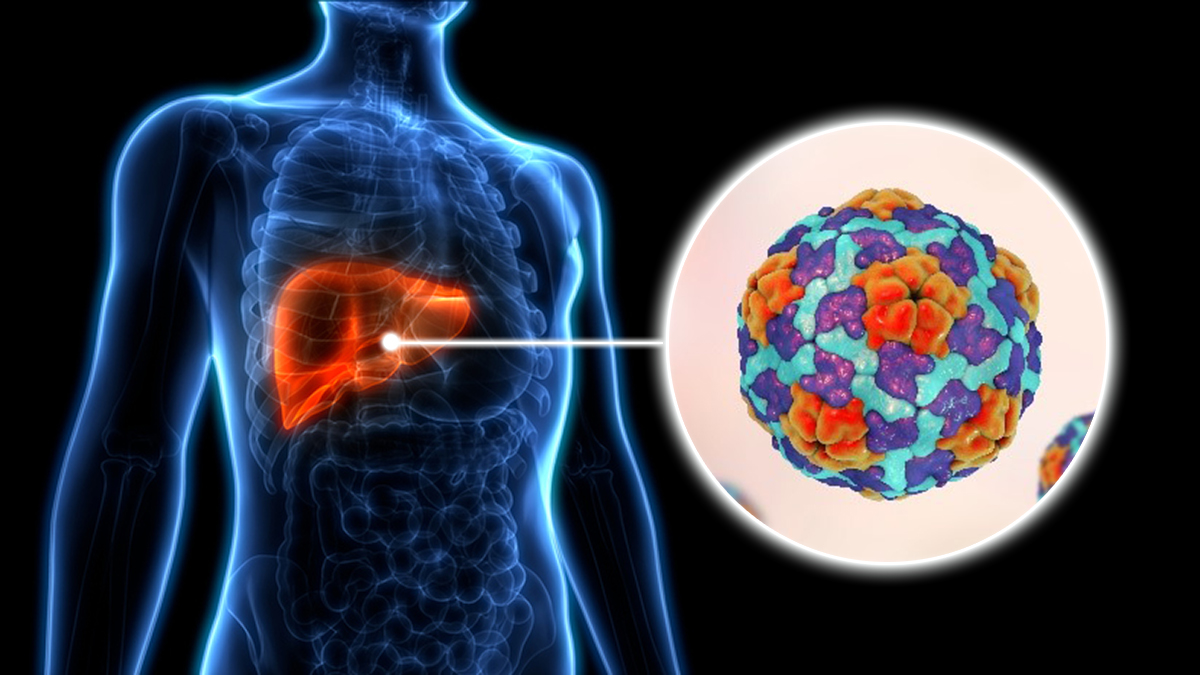

Comprehensive hepatitis guide covering types A, B, C, critical symptoms, proven treatment options, and powerful prevention strategies to protect liver health.
Introduction
Hepatitis affects millions of people worldwide, causing liver inflammation that ranges from mild, self-limiting illness to chronic disease leading to liver failure and cancer. This viral infection—existing in multiple forms with distinct transmission routes and health impacts—often develops silently, with many infected individuals unaware they carry the virus for years. Understanding hepatitis—recognizing its various types, identifying symptoms early, accessing effective treatments, and implementing powerful prevention strategies—empowers you to protect your liver health and prevent transmission to others.
What Is Hepatitis?
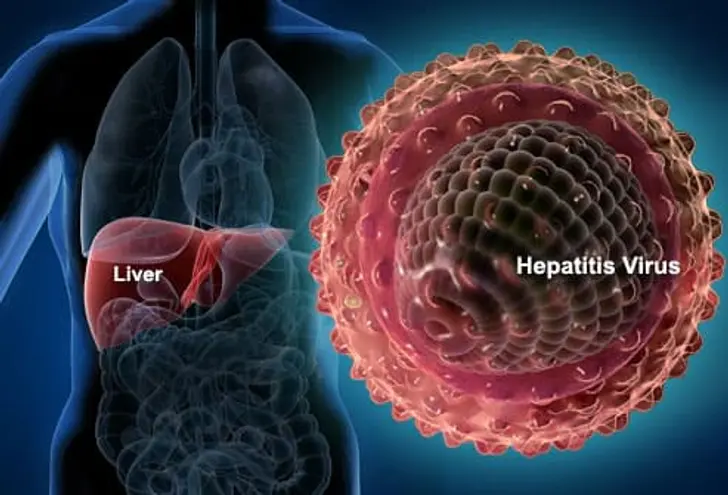
Hepatitis means inflammation of the liver—a vital organ responsible for filtering toxins, producing proteins, storing energy, and performing hundreds of essential metabolic functions. While hepatitis can result from alcohol abuse, medications, autoimmune conditions, or other factors, viral hepatitis represents the most common cause globally, triggered by specific viruses that target liver cells.
Five main hepatitis viruses—A, B, C, D, and E—cause the vast majority of viral hepatitis cases. Each has distinct transmission methods, progression patterns, and treatment approaches. Some forms resolve spontaneously while others become chronic, progressively damaging the liver over decades and potentially leading to cirrhosis (severe scarring), liver failure, or hepatocellular carcinoma (liver cancer).
According to the World Health Organization, viral hepatitis caused 1.34 million deaths globally in 2015, a toll comparable to tuberculosis and HIV. Despite these staggering numbers, many people remain unaware they’re infected until serious complications develop.
Types of Viral Hepatitis
Understanding each hepatitis type helps you recognize risks and implement appropriate prevention strategies.
Hepatitis A (HAV)
Hepatitis A is a highly contagious, short-term liver infection transmitted through contaminated food or water or close contact with infected individuals. The virus spreads through the fecal-oral route—consuming food or water contaminated with infected feces or through direct contact with infected persons.
HAV causes acute illness lasting several weeks to months but never becomes chronic. Most people recover completely with lifelong immunity, though severe cases can cause acute liver failure. The virus is particularly common in areas with poor sanitation and hygiene.
Transmission Routes:
- Eating food prepared by infected person who didn’t wash hands properly
- Drinking contaminated water
- Eating raw or undercooked shellfish from contaminated waters
- Close personal contact with infected person
- Sexual contact, particularly among men who have sex with men
Prevention: Safe and effective vaccines provide long-term protection. Good hygiene practices, particularly thorough handwashing, prevent transmission.
Hepatitis B (HBV)
Hepatitis B is a serious liver infection that can become chronic, leading to severe complications. The virus spreads through contact with infected blood, semen, or other body fluids.
HBV infection can be acute (short-term) or chronic (long-term). Most adults who contract HBV develop acute infection that resolves within months with lifelong immunity. However, approximately 5-10 percent of infected adults and up to 90 percent of infected infants develop chronic hepatitis B, which can silently damage the liver for decades.
Transmission Routes:
- Birth (mother to baby during delivery)
- Sexual contact with infected partner
- Sharing needles, syringes, or drug equipment
- Accidental needle sticks in healthcare settings
- Sharing personal items like razors or toothbrushes with infected person
- Contact with infected blood through open wounds
Prevention: Highly effective vaccines protect against HBV. Safe sex practices, never sharing needles or personal care items, and screening during pregnancy prevent transmission.
Hepatitis C (HCV)
Hepatitis C is a blood-borne virus causing both acute and chronic infection. HCV is the most common blood-borne infection in the United States and a leading cause of liver transplantation.
While some people clear acute HCV infection spontaneously, approximately 75-85 percent develop chronic hepatitis C. Without treatment, chronic HCV progressively damages the liver over 20-30 years, potentially causing cirrhosis, liver failure, or liver cancer. Many people with chronic HCV remain asymptomatic until significant liver damage occurs.
Transmission Routes:
- Sharing needles, syringes, or drug preparation equipment (most common)
- Receiving blood transfusions or organ transplants before 1992 (when screening began)
- Accidental needle sticks in healthcare settings
- Birth (mother to baby, though less common than HBV)
- Sexual transmission (possible but less efficient than HBV)
- Sharing personal items that may have contacted infected blood (razors, toothbrushes)
Treatment: Highly effective direct-acting antiviral medications cure over 95 percent of chronic HCV infections, preventing progression to serious complications.
Prevention: No vaccine exists for HCV. Prevention focuses on avoiding exposure to infected blood through safe injection practices and careful handling of blood products.
Hepatitis D (HDV)
Hepatitis D only occurs in people already infected with hepatitis B, as HDV requires HBV to replicate. HDV-HBV co-infection causes more severe liver disease than HBV alone, with faster progression to cirrhosis and higher liver cancer risk.
HDV spreads through contact with infected blood, similar to HBV. Hepatitis B vaccination prevents HDV since the virus cannot exist without HBV.
Hepatitis E (HEV)
Hepatitis E, like hepatitis A, spreads through contaminated food and water and typically causes acute, self-limiting infection. HEV is most common in areas with poor sanitation and is the leading cause of acute viral hepatitis in developing countries.
Most people recover completely, though pregnant women face higher risks for severe disease and liver failure. No vaccine is widely available, and prevention focuses on safe water, proper sanitation, and good hygiene.
Recognizing Hepatitis Symptoms
Many people with hepatitis, particularly chronic HBV and HCV, experience no symptoms for years or decades while liver damage silently progresses. When symptoms do occur, they may be vague and easily attributed to other causes.
Acute Hepatitis Symptoms
Early Symptoms:
- Fatigue and weakness
- Loss of appetite
- Nausea and vomiting
- Low-grade fever
- Muscle or joint aches
- Headache
Later Symptoms:
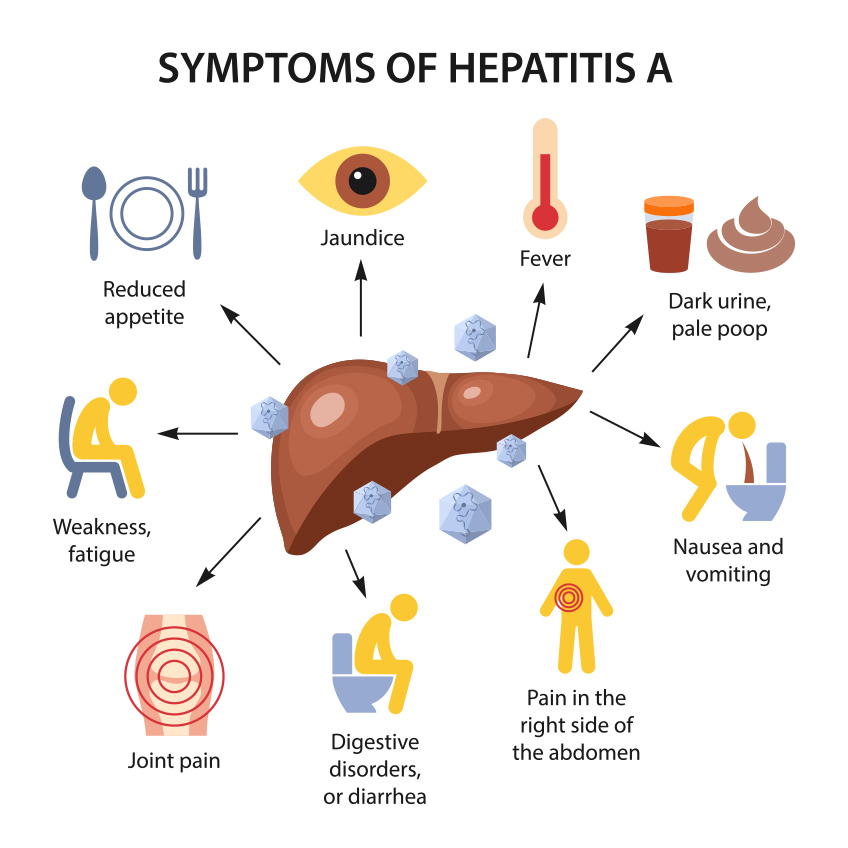
- Jaundice (yellowing of skin and eyes)
- Dark urine resembling tea or cola
- Pale or clay-colored stools
- Abdominal pain, particularly in the upper right side where the liver is located
- Itchy skin
Symptoms typically appear 2 weeks to 6 months after infection, depending on virus type. Hepatitis A and E usually cause acute symptoms, while hepatitis B and C may be completely asymptomatic initially.
Chronic Hepatitis Symptoms
Chronic hepatitis B and C often remain asymptomatic until significant liver damage develops. As cirrhosis progresses, symptoms emerge including:
- Persistent fatigue unrelieved by rest
- Easy bruising and bleeding
- Fluid accumulation in abdomen (ascites)
- Swelling in legs and ankles
- Spider-like blood vessels on skin
- Confusion and memory problems (hepatic encephalopathy)
- Weight loss and muscle wasting
- Enlarged spleen
Similar to how kidney failure may progress silently, chronic hepatitis requires screening to detect before advanced complications develop.
Diagnosing Hepatitis

Hepatitis diagnosis involves blood tests, imaging studies, and sometimes liver biopsy.
Blood Tests:
- Liver function tests (ALT, AST, bilirubin) detect liver inflammation and damage
- Hepatitis antibody tests identify specific virus exposure
- Hepatitis antigen tests detect active viral infection
- Viral load tests measure virus quantity in blood (for HBV and HCV)
- Hepatitis genotype tests determine virus strain (guides treatment for HCV)
Imaging Studies:
- Ultrasound, CT, or MRI scans visualize liver structure and detect cirrhosis, tumors, or other abnormalities
- FibroScan (transient elastography) non-invasively measures liver stiffness, indicating fibrosis degree
Liver Biopsy:
- Tissue sample examined microscopically to assess inflammation and fibrosis severity
- Less commonly performed now due to improved non-invasive testing
According to the Centers for Disease Control and Prevention, many people with chronic hepatitis B or C remain undiagnosed, making screening crucial for high-risk individuals.
Powerful Treatment Options
Treatment approaches vary by hepatitis type and disease severity.
Hepatitis A Treatment
No specific antiviral treatment exists for HAV. Management focuses on supportive care including rest, adequate hydration and healthy eating emphasizing nutritious foods, avoiding alcohol and medications that stress the liver, and monitoring for complications. Most people recover completely within several months.
Hepatitis B Treatment
Acute HBV: Most acute infections resolve without treatment. Supportive care and monitoring suffice for uncomplicated cases.
Chronic HBV: Treatment aims to suppress viral replication, prevent progression to cirrhosis and liver cancer, and reduce transmission risk. Options include:
Antiviral Medications: Drugs like tenofovir, entecavir, or lamivudine suppress HBV replication, reducing liver inflammation and preventing progression. Many patients require lifelong therapy.
Pegylated Interferon: Injected weekly for 48 weeks, interferon stimulates immune response against HBV. While effective for some patients, side effects including fatigue, depression, and flu-like symptoms limit its use.
Monitoring: Regular blood tests and imaging assess liver function, viral load, and cancer development. Similar to managing other chronic conditions like cardiovascular disease, consistent monitoring ensures optimal outcomes.
Hepatitis C Treatment
Modern direct-acting antiviral (DAA) medications revolutionized HCV treatment, offering cure rates exceeding 95 percent with shorter treatment duration (8-12 weeks) and minimal side effects compared to older interferon-based regimens.
DAA Medications: Combinations like sofosbuvir/velpatasvir, glecaprevir/pibrentasvir, or ledipasvir/sofosbuvir target specific steps in HCV replication. Treatment regimens depend on virus genotype, prior treatment history, and cirrhosis presence.
Monitoring: Regular blood tests confirm viral clearance (sustained virologic response) 12 weeks after treatment completion. Achieving SVR means you’re cured—the virus is eliminated from your body.
Hepatitis D and E Treatment
HDV treatment primarily involves managing HBV with antiviral medications and interferon, though response rates are lower than for HBV alone. HEV usually resolves spontaneously with supportive care, though severe cases may benefit from ribavirin.
Prevention Strategies
Preventing hepatitis protects both you and your community.
Vaccination
Hepatitis A Vaccine: Two doses provide long-term protection. Recommended for travelers to endemic areas, people with chronic liver disease, men who have sex with men, and others at increased risk.
Hepatitis B Vaccine: Three-dose series provides lifelong immunity. Universal vaccination of infants is now standard in most countries. Catch-up vaccination recommended for unvaccinated adults, especially those at higher risk.
No vaccines exist for hepatitis C, D (prevented by HBV vaccination), or E.
Safe Practices
Avoid Blood Exposure:
- Never share needles, syringes, or drug preparation equipment
- Ensure tattoos and piercings use sterile equipment
- Avoid sharing personal care items (razors, toothbrushes, nail clippers)
- Healthcare workers should follow universal precautions
Safe Sex:
- Use condoms consistently to reduce HBV and HCV transmission risk
- Know your partner’s hepatitis status
- Get tested regularly if at risk
Food and Water Safety:
- Wash hands thoroughly before eating or preparing food
- Drink safe water (bottled or properly treated)
- Avoid raw or undercooked shellfish in endemic areas
- Practice good hygiene, especially when traveling
Screening and Early Detection:
- People born 1945-1965 should get one-time HCV screening
- Pregnant women should be screened for HBV
- People with risk factors should undergo regular testing
- Early detection allows timely treatment before complications develop
Lifestyle Modifications
If you have chronic hepatitis, protect your liver through avoiding alcohol completely, maintaining healthy weight management to prevent fatty liver disease, avoiding medications that stress the liver without medical guidance, getting vaccinated against hepatitis A and B if not already immune, and managing coexisting conditions like diabetes and high blood pressure.
Implementing regular workout routines and stress reduction through mindfulness and other stress and anxiety management techniques supports overall health while living with chronic hepatitis.
Frequently Asked Questions About Hepatitis
Can hepatitis be cured?
Hepatitis A and E typically resolve completely with lifelong immunity. Hepatitis C can be cured in over 95 percent of cases with modern antiviral medications. Chronic hepatitis B cannot be cured but can be effectively controlled with antiviral therapy, preventing complications.
How long can you live with hepatitis C?
Without treatment, chronic hepatitis C can take 20-30 years to progress to cirrhosis. However, modern treatments cure HCV, preventing progression and allowing normal life expectancy. Early treatment before cirrhosis develops offers the best outcomes.
Can you get hepatitis from kissing?
Hepatitis is not spread through casual contact like kissing, hugging, or sharing food. Hepatitis A could theoretically spread through deep kissing if infected saliva contacts mouth sores, though this is rare. Hepatitis B can spread through kissing if both partners have open mouth sores or bleeding gums.
Is hepatitis contagious through air?
No, hepatitis viruses do not spread through airborne transmission, coughing, or sneezing. They spread through specific routes—fecal-oral (HAV, HEV) or blood/body fluid contact (HBV, HCV, HDV).
Can you donate blood if you’ve had hepatitis?
People who have recovered from hepatitis A can donate blood. However, those with hepatitis B or C, whether active or resolved, generally cannot donate blood in most countries to protect the blood supply.
What’s the connection between hepatitis and liver cancer?
Chronic hepatitis B and C significantly increase liver cancer risk, particularly after cirrhosis develops. The viruses cause ongoing inflammation and liver cell damage, creating conditions favorable for cancer development. Effective treatment of HBV and HCV dramatically reduces liver cancer risk.
Does hepatitis affect mental health?
Living with chronic hepatitis impacts mental health through mental health support becomes important. Stigma, treatment side effects (particularly with older interferon-based regimens), fatigue, and worry about complications contribute to depression and anxiety. Addressing psychological wellbeing alongside physical treatment optimizes outcomes.
Living With Chronic Hepatitis
Receiving a hepatitis diagnosis feels overwhelming, but remember that effective treatments exist, particularly for hepatitis C which can be cured. Even chronic hepatitis B can be controlled, preventing progression to serious complications.
Work Closely With Healthcare Providers: Regular monitoring and treatment adherence ensure optimal outcomes. Don’t miss appointments or stop medications without medical guidance.
Educate Yourself and Others: Understanding your condition empowers better decision-making and reduces stigma.
Protect Others: Follow prevention practices to avoid transmitting virus to family members, sexual partners, or others.
Maintain Overall Health: General wellness practices benefit everyone but particularly those with liver disease.
Seek Support: Connect with others managing hepatitis through support groups or counseling services.
Moving Forward With Hope
Hepatitis, while serious, is increasingly manageable and often curable. Modern medical advances—particularly direct-acting antivirals for hepatitis C—have transformed outcomes, allowing millions to eliminate infection and prevent complications.
Whether you’re concerned about hepatitis risk, supporting a loved one with chronic infection, or managing your own diagnosis, knowledge and action are powerful tools. Get vaccinated, practice prevention, undergo screening if at risk, and access treatment if needed.
Your liver performs hundreds of essential functions keeping you alive and healthy. Protect this vital organ through smart prevention strategies and prompt treatment when necessary. Take control of your liver health today—the actions you take now create a healthier future for yourself and help eliminate hepatitis as a public health threat for generations to come.