
Discover how aquatic therapy transforms polio rehabilitation. This expert guide reveals the science-backed benefits, from pain relief to regained strength, and provides a practical blueprint for recovery.
Introduction

For millions of polio survivors worldwide, the journey doesn’t end with the acute infection. Many face the late effects of polio or post-polio syndrome (PPS), a challenge marked by new weakness, debilitating fatigue, and chronic pain. In this battle for mobility and quality of life, one rehabilitation modality stands out not just for its gentleness, but for its profound, science-backed efficacy: aquatic therapy.
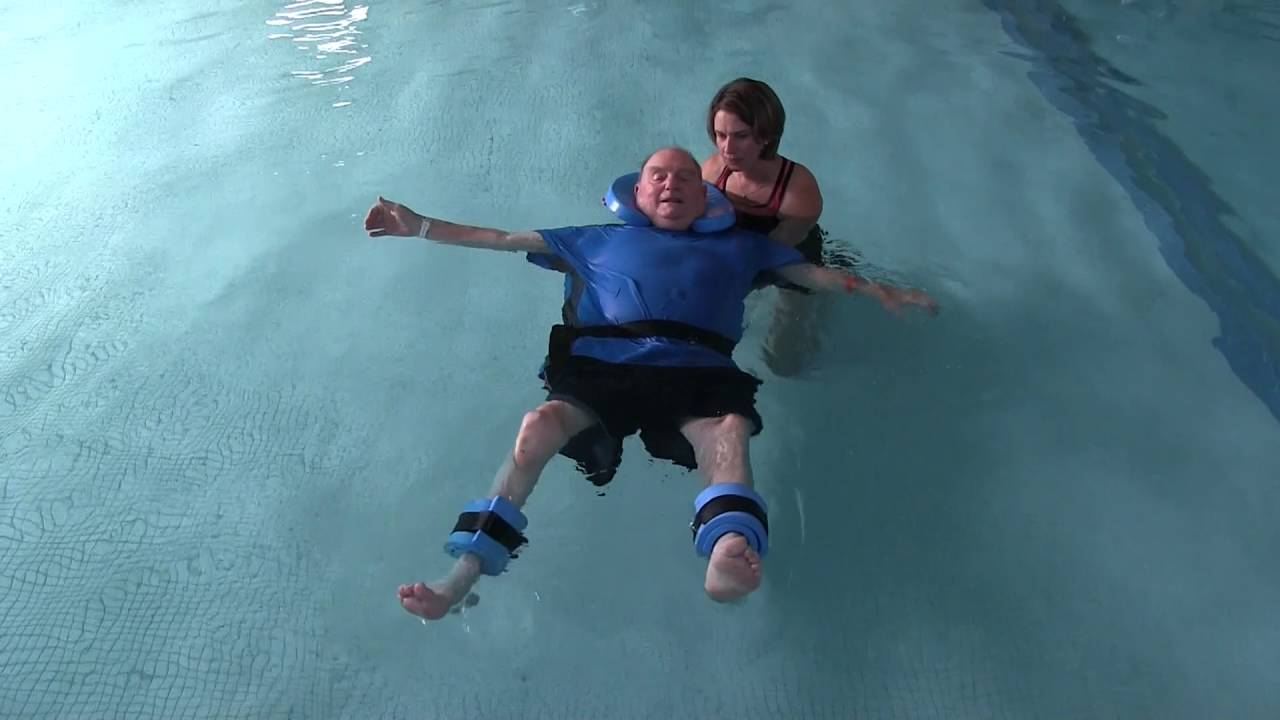
Often referred to as hydrotherapy, aquatic therapy is not merely swimming. It is a structured, therapeutic exercise program performed in a warm, controlled pool environment. For polio patients, it represents a paradigm shift—moving from land-based exercises that can be daunting and painful to a medium that offers support, resistance, and hope.
Why Water? The Unique Therapeutic Principles
The efficacy of aquatic therapy rests on fundamental physical properties:
- Buoyancy: Upward thrust that counteracts gravity, reducing weight-bearing stress on joints, ligaments, and weakened muscles by up to 90%. This allows for movement and strengthening exercises that would be impossible or unsafe on land.
- Hydrostatic Pressure: The uniform pressure exerted by water reduces swelling, improves proprioception (body awareness), and assists venous return, which can help manage fatigue.
- Thermal Effect: Warm water (optimally 90-92°F) relaxes muscles, decreases spasticity, and increases blood flow, providing natural pain relief.
- Viscous Resistance: Water provides multidirectional resistance, strengthening muscles through a full range of motion without the need for heavy weights.
The Evidence: What Research Reveals
Clinical research strongly supports aquatic therapy for polio survivors. A pivotal study published in the Archives of Physical Medicine and Rehabilitation evaluated a 5-month program of dynamic water exercises. The results were compelling: participants demonstrated a decreased heart rate at the same work load and reported significantly less pain and distress[reference:4]. Perhaps just as importantly, qualitative benefits like increased well-being, pain relief, and improved physical fitness were consistently noted. The study concluded the program was well-tolerated with no adverse effects and is recommended for this population.
Authoritative clinical resources, such as Physio-pedia, explicitly recommend aquatic therapy for post-polio syndrome, noting its “low-impact nature and the buoyancy of water providing support”[reference:5]. This aligns with the clinical experience of rehabilitation specialists who see it as a cornerstone of sustainable management.
A Blueprint for Recovery: Key Components of a Program
An effective aquatic therapy program for polio patients is highly individualized and typically includes:
- Warm-up & Flexibility: Gentle stretching and range-of-motion exercises in water to prepare muscles and joints.
- Strength & Endurance Training: Using water resistance (via webbed gloves, paddles, or simply moving limbs through the water) to build muscle. Exercises like leg lifts, marching, and arm crosses are common.
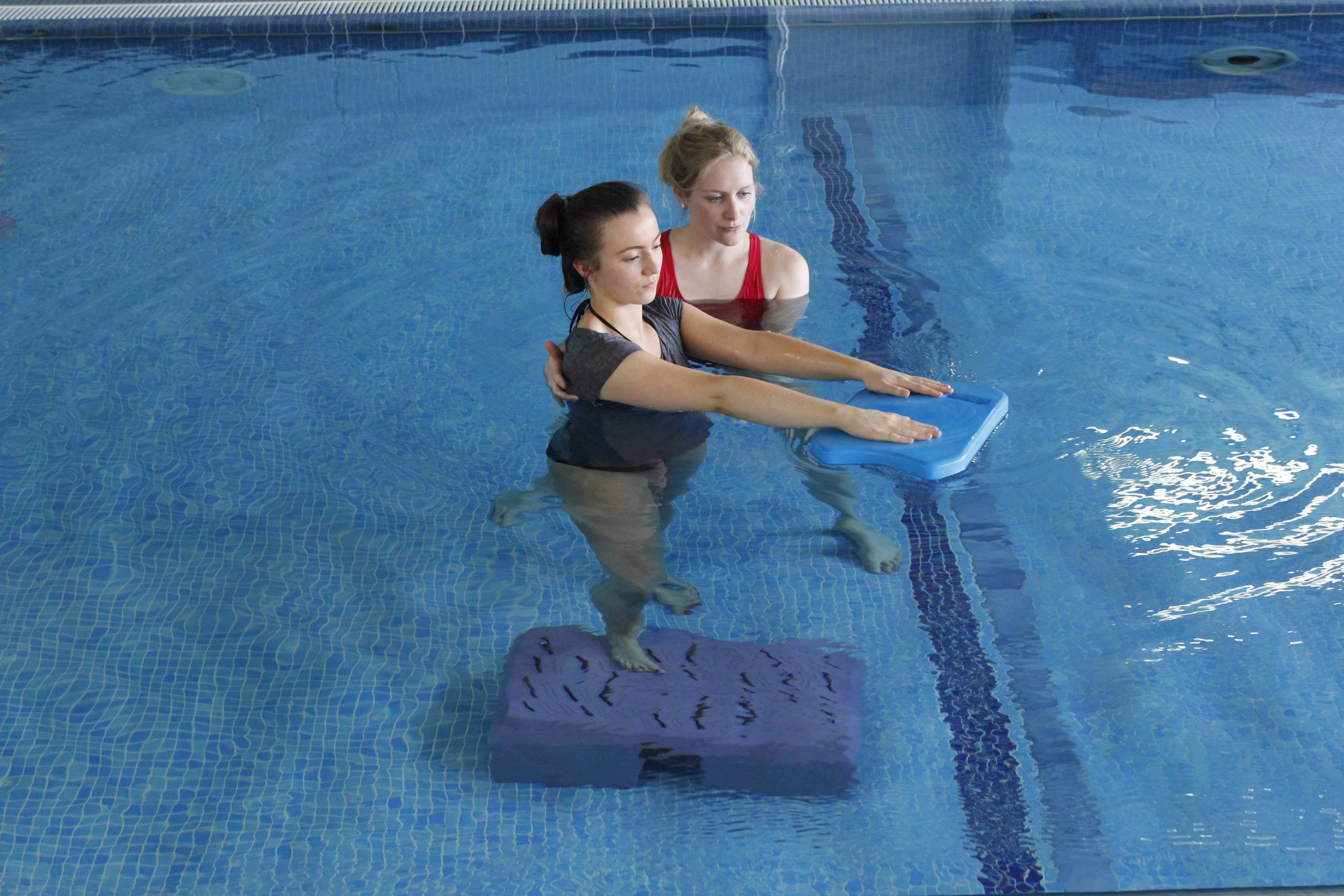
- Gait & Balance Training: Walking forward, backward, and sideways in chest-deep water. The challenge can be increased by walking in different patterns or reducing water depth.
- Aerobic Conditioning: Non-swimming activities like “water jogging” with a flotation belt to improve cardiovascular fitness without joint impact.
- Cool-down & Relaxation: Gentle movements and breathing exercises to lower heart rate and promote relaxation.
Safety is paramount. Sessions should be supervised by a physical therapist or aquatic specialist familiar with neuromuscular conditions. The focus is always on pacing and energy conservation to avoid overuse fatigue.
Beyond the Physical: The Psychological Wave of Benefit
The impact of aquatic therapy extends beyond measurable gains in strength. For individuals who have faced progressive limitations, the pool can be a liberating space. The ability to move freely, often without assistive devices, rebuilds confidence and combat the social isolation that chronic conditions can foster. This positive psychological shift is a critical, though less quantifiable, component of holistic rehabilitation.
Conclusion: Diving into a Future of Improved Function
Aquatic therapy is not a cure for the late effects of polio, but it is arguably one of the most powerful tools in the rehabilitation arsenal. It directly addresses core challenges—pain, weakness, and fatigue—with a modality that is both gentle and effective. By harnessing the unique properties of water, polio patients can build resilience, regain functional ability, and significantly enhance their quality of life.
The evidence is clear, and the path is proven. For healthcare providers, incorporating or referring for aquatic therapy should be a standard consideration. For polio survivors, it represents a tangible, hopeful step toward stronger, more independent living.
FAQs

Q1: Is aquatic therapy safe for all polio survivors, especially those with severe weakness?
A1: Yes, with proper supervision. The buoyancy of water supports up to 90% of body weight, drastically reducing stress on joints and weakened muscles. Programs must be highly individualized, starting with simple movements in chest-deep water and progressing slowly under the guidance of a trained therapist.
Q2: How does warm water therapy specifically help with post-polio pain?
A2: Warm water (typically 90-92°F) helps relax muscles, increase circulation, and decrease muscle spasms. This thermal effect, combined with gentle movement, interrupts the pain-spasm cycle. Research confirms participants report significant pain relief and decreased distress after a consistent aquatic program[reference:3].
Q3: Can aquatic therapy improve function outside the pool?
A3: Absolutely. The primary goal is functional carryover. Exercises that mimic daily tasks—like walking, stepping, and balance drills—are performed in the water. The resistance builds endurance and strength, while the safe environment boosts confidence, leading to improved mobility and independence on land.