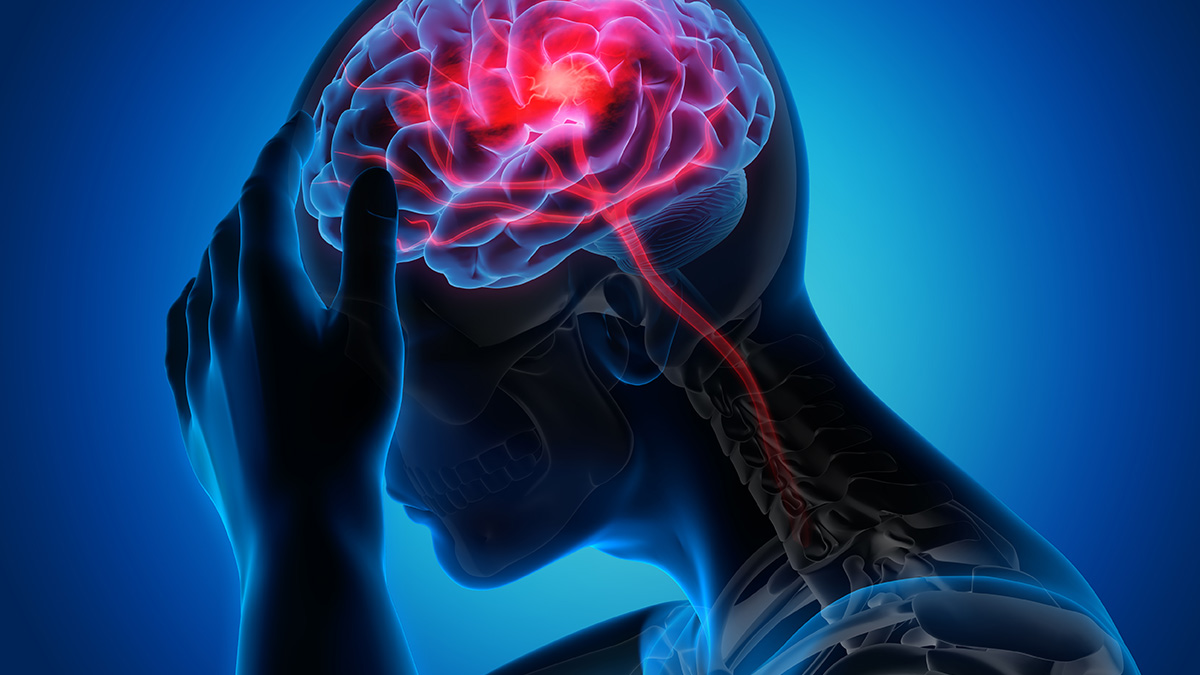

Essential stroke guide covering critical warning signs, emergency response steps, and proven prevention strategies. Learn to recognize and prevent stroke fast.
Introduction
Stroke strikes someone in the United States every 40 seconds, making it a leading cause of death and long-term disability. This medical emergency occurs when blood flow to part of the brain is interrupted or reduced, depriving brain tissue of oxygen and nutrients. Within minutes, brain cells begin dying, making immediate recognition and rapid treatment absolutely critical for survival and minimizing permanent damage. Understanding stroke—recognizing warning signs instantly, knowing how to respond, and implementing powerful prevention strategies—can literally save your life or the life of someone you love.
What Is a Stroke?
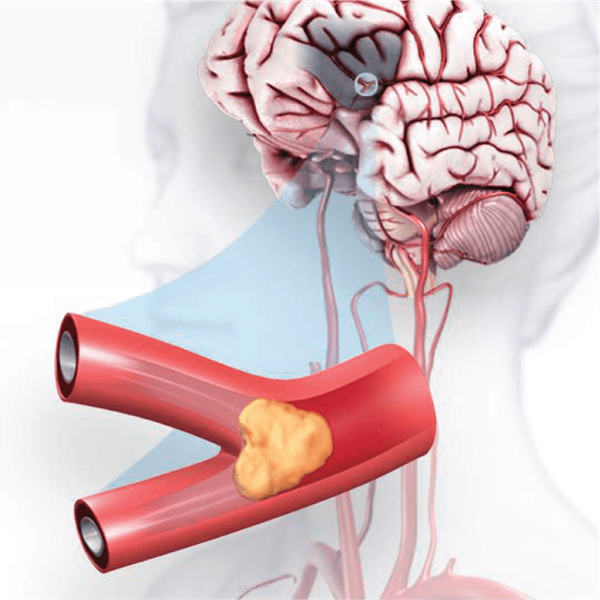
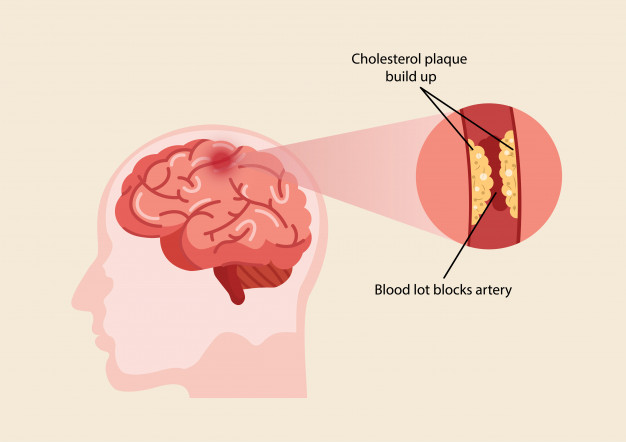
A stroke, sometimes called a “brain attack,” occurs when blood supply to part of the brain is blocked or when a blood vessel in the brain bursts. Without oxygen-rich blood, brain cells start dying within minutes, potentially causing permanent brain damage, long-term disability, or death. The effects depend on which brain area is affected and how quickly treatment is received.
There are three main types of stroke:
Ischemic Stroke: Accounting for approximately 87 percent of all strokes, ischemic strokes occur when blood clots or other particles block arteries supplying blood to the brain. These blockages may form in brain arteries (thrombotic stroke) or travel from other parts of the body, typically the heart (embolic stroke).
Hemorrhagic Stroke: These strokes result from ruptured blood vessels in the brain, causing bleeding that damages surrounding tissue through pressure and blood accumulation. High blood pressure, aneurysms, arteriovenous malformations, and blood-thinning medications increase hemorrhagic stroke risk.
Transient Ischemic Attack (TIA): Often called a “mini-stroke” or “warning stroke,” a TIA produces stroke-like symptoms lasting minutes to hours before resolving completely without permanent damage. However, TIAs are serious warnings—approximately one-third of people experiencing TIA later suffer major strokes, often within a year.
According to the American Stroke Association, stroke is the fifth leading cause of death and a leading cause of serious long-term disability in the United States, affecting nearly 800,000 people annually.
Critical Warning Signs: Act F.A.S.T.
Recognizing stroke symptoms immediately and acting fast dramatically improves outcomes. Use the F.A.S.T. acronym to remember key warning signs:
F – Face Drooping: One side of the face droops or feels numb. Ask the person to smile—does one side of the face droop unevenly?
A – Arm Weakness: One arm becomes weak or numb. Ask the person to raise both arms—does one arm drift downward?
S – Speech Difficulty: Speech becomes slurred, strange, or incomprehensible. The person may have trouble speaking or understanding. Ask them to repeat a simple sentence like “The sky is blue”—do they repeat it correctly?
T – Time to Call 911: If you observe ANY of these signs, call 911 immediately, even if symptoms disappear. Note when symptoms first appeared—this information helps emergency responders determine appropriate treatment.
Additional Stroke Warning Signs
Beyond F.A.S.T. symptoms, watch for:
- Sudden confusion or trouble understanding others
- Sudden trouble seeing in one or both eyes
- Sudden severe headache with no known cause
- Sudden trouble walking, dizziness, or loss of balance and coordination
- Sudden numbness or weakness, especially on one side of the body
These symptoms may occur alone or in combination. Any sudden, unexplained neurological change warrants immediate emergency evaluation.
Why Time Matters: “Time Is Brain”
In stroke treatment, every second counts. Brain cells die rapidly without oxygen—approximately 1.9 million neurons are lost every minute during an untreated stroke. This devastating cell death creates the medical emergency’s urgency: “time is brain.”
The most effective stroke treatment—tissue plasminogen activator (tPA), a clot-busting medication—must be administered within 3 to 4.5 hours of symptom onset. Some patients qualify for mechanical thrombectomy (physically removing clots) within 6 to 24 hours if they meet specific criteria. However, earlier treatment produces dramatically better outcomes.
Every 15-minute delay in treatment reduces the chance of good outcomes. Patients arriving at hospitals within 3 hours of symptom onset have significantly better recovery than those arriving later. This makes immediate recognition and emergency response absolutely critical—don’t wait to see if symptoms improve or waste precious time calling your doctor or driving to the hospital yourself. Call 911 immediately so paramedics can begin life-saving interventions during transport.
Major Stroke Risk Factors
Understanding risk factors helps you implement targeted prevention strategies. Some factors cannot be changed, while others are modifiable through lifestyle and medical management.
Unmodifiable Risk Factors
Age: Stroke risk increases with age, particularly after 55, doubling each decade thereafter. However, strokes can occur at any age, including in children.
Gender: Women have slightly higher lifetime stroke risk than men, partly because they live longer. Pregnancy and hormonal factors also affect risk.
Race and Ethnicity: African Americans have nearly twice the stroke risk of white Americans, with higher rates of high blood pressure, diabetes, and obesity contributing to this disparity.
Family History: Having close relatives who experienced strokes, particularly at younger ages, increases your risk through shared genetics and lifestyle factors.
Previous Stroke or TIA: Experiencing stroke or TIA dramatically increases risk for future strokes.
Modifiable Risk Factors
High Blood Pressure (Hypertension): The single most important modifiable risk factor, hypertension damages blood vessels throughout the body, including the brain. Managing cardiovascular disease through blood pressure control is critical for stroke prevention.
Diabetes: High blood sugar damages blood vessels over time, increasing stroke risk. People with diabetes are 1.5 times more likely to have strokes than those without.
High Cholesterol: Elevated LDL (“bad”) cholesterol contributes to atherosclerosis—plaque buildup in arteries that can block blood flow or rupture, causing clots.
Heart Disease: Atrial fibrillation (irregular heartbeat), coronary artery disease, heart valve defects, and enlarged heart chambers increase stroke risk through blood clot formation.
Obesity: Excess weight, particularly when combined with high blood pressure, high cholesterol, and diabetes, significantly elevates stroke risk. Effective weight management reduces multiple risk factors simultaneously.
Physical Inactivity: Sedentary lifestyle contributes to obesity, high blood pressure, high cholesterol, and diabetes. Regular workout routines reduce stroke risk by 25 to 30 percent.
Smoking: Tobacco use doubles stroke risk by damaging blood vessels, raising blood pressure, and promoting blood clots. Quitting smoking addiction is among the most impactful prevention strategies.
Excessive Alcohol Use: Heavy drinking raises blood pressure and contributes to other stroke risk factors. Limit alcohol to moderate amounts—up to one drink daily for women, two for men.
Drug Use: Cocaine, amphetamines, and other illicit drugs dramatically increase stroke risk through blood pressure spikes and blood vessel constriction.
Powerful Prevention Strategies
Most strokes are preventable through lifestyle modifications and medical management of risk factors.
Manage Blood Pressure
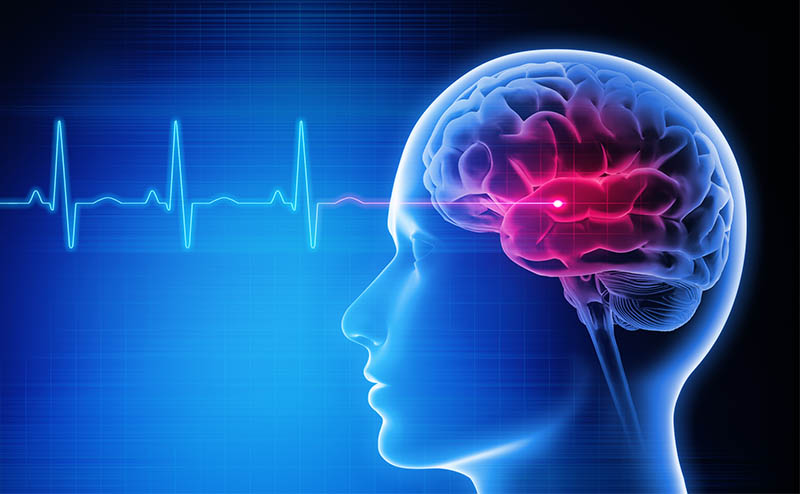
Keep blood pressure below 120/80 mmHg through medication adherence, sodium restriction (under 2,300 mg daily), regular exercise, maintaining healthy weight, limiting alcohol, managing stress, and avoiding tobacco.
Control Diabetes
Maintain hemoglobin A1C below 7 percent through medication compliance, balanced healthy eating, regular blood sugar monitoring, and consistent physical activity.
Lower Cholesterol
Achieve healthy cholesterol levels through statins or other medications when appropriate, limiting saturated and trans fats, increasing fiber intake, and maintaining healthy weight.
Maintain Healthy Weight
Achieve and maintain a body mass index (BMI) between 18.5 and 24.9 through balanced nutrition and regular physical activity. Even modest weight loss of 5-10 percent significantly improves risk factors.
Exercise Regularly
Aim for at least 150 minutes of moderate-intensity aerobic activity weekly or 75 minutes of vigorous activity. Include muscle-strengthening activities twice weekly. Physical activity reduces blood pressure, improves cholesterol, controls blood sugar, and supports weight management.
Eat a Heart-Healthy Diet
Follow Mediterranean-style or DASH (Dietary Approaches to Stop Hypertension) eating patterns emphasizing fruits, vegetables, whole grains, lean proteins (especially fish), nuts, and healthy fats while limiting sodium, saturated fat, added sugars, and processed foods.
Quit Smoking
Smoking cessation produces immediate and long-term benefits. Stroke risk begins declining immediately upon quitting and reaches that of non-smokers within 2-5 years.
Limit Alcohol
If you drink, do so in moderation—up to one drink daily for women, two for men. Heavy alcohol consumption raises blood pressure and increases stroke risk.
Manage Stress
Chronic stress contributes to high blood pressure and other risk factors. Implement stress and anxiety management techniques including meditation, yoga, deep breathing, mindfulness, and adequate sleep better practices.
Treat Atrial Fibrillation
If you have AFib, follow treatment plans including rate/rhythm control medications and anticoagulants (blood thinners) to prevent clot formation.
Regular Medical Check-ups
Annual screenings monitor blood pressure, cholesterol, blood sugar, and other risk factors, allowing early intervention before problems escalate.
Emergency Treatment for Stroke
Hospital stroke treatment depends on stroke type and timing.
Emergency Assessment: Brain imaging (CT or MRI) determines whether stroke is ischemic or hemorrhagic, guiding treatment decisions.
Ischemic Stroke Treatment:
tPA (Tissue Plasminogen Activator): This clot-dissolving medication, administered intravenously within 3-4.5 hours, breaks up blood clots restoring blood flow. According to the National Institute of Neurological Disorders and Stroke, tPA significantly improves outcomes when given quickly.
Mechanical Thrombectomy: Doctors insert a catheter into an artery, navigate to the brain, and physically remove large clots. This procedure can be performed up to 24 hours after symptom onset in selected patients.
Antiplatelet and Anticoagulant Medications: Aspirin or other blood thinners prevent further clotting and reduce recurrent stroke risk.
Hemorrhagic Stroke Treatment:
- Emergency surgery to stop bleeding or reduce pressure
- Medications to reverse blood thinners if applicable
- Blood pressure management
- Procedures to repair aneurysms or arteriovenous malformations
Stroke Recovery and Rehabilitation
Stroke recovery is a gradual process requiring comprehensive rehabilitation addressing physical, cognitive, and emotional challenges.
Physical Therapy: Restores movement, balance, and coordination through targeted exercises and activities.
Occupational Therapy: Helps relearn daily living skills including dressing, eating, bathing, and cooking.
Speech Therapy: Addresses communication difficulties and swallowing problems common after stroke.
Cognitive Therapy: Improves memory, problem-solving, and thinking skills affected by stroke.
Emotional Support: Accessing mental health support addresses depression, anxiety, and emotional changes common during recovery.
Recovery continues for months or years after stroke. With intensive rehabilitation and determination, many people regain significant function and independence.
Frequently Asked Questions About Stroke
Can young people have strokes?
Yes, though stroke risk increases with age, strokes can occur at any age, including infancy and childhood. Risk factors like congenital heart defects, sickle cell disease, and drug use can cause strokes in young people.
What’s the difference between stroke and heart attack?
Strokes occur when blood flow to the brain is interrupted, while heart attacks result from blocked blood flow to the heart muscle. Both are serious emergencies requiring immediate treatment, but they affect different organs.
Can stress cause a stroke?
Chronic stress contributes to high blood pressure, unhealthy coping behaviors (overeating, smoking, excessive alcohol), and other risk factors that increase stroke likelihood. Managing stress reduces these risks.
Do strokes run in families?
Family history increases stroke risk through inherited tendencies toward high blood pressure, diabetes, and other risk factors. However, lifestyle modifications can substantially reduce risk regardless of family history.
Can you fully recover from a stroke?
Recovery depends on stroke severity, affected brain area, and timing of treatment. Some people recover completely, particularly with mild strokes or TIAs. Others experience permanent disabilities but improve significantly through rehabilitation. Early treatment and intensive therapy optimize recovery potential.
What are the long-term effects of stroke?
Long-term effects vary widely and may include paralysis or weakness on one side, speech and language difficulties, memory problems, emotional changes, pain, swallowing difficulties, and vision problems. Rehabilitation helps minimize these effects.
How is stroke different from conditions like epilepsy?
Stroke involves interrupted blood flow to the brain causing permanent cell death, while epilepsy involves abnormal electrical activity causing temporary seizures. However, stroke survivors sometimes develop seizures as a complication.
Living After Stroke: Moving Forward With Hope
Experiencing stroke is life-changing, but recovery is possible with proper treatment, rehabilitation, and determination. Many stroke survivors return to independent living, work, and meaningful activities, though adaptation may be necessary.
Prevent Recurrent Strokes: After stroke, preventing recurrence becomes critical. Continue all prescribed medications, maintain healthy lifestyle habits, attend regular medical appointments, and immediately report new symptoms.
Embrace Rehabilitation: Commit fully to therapy programs even when progress seems slow. Neuroplasticity—the brain’s ability to form new connections—allows recovery for months and years after stroke.
Seek Support: Connect with stroke support groups, counselors, and others navigating similar challenges. You’re not alone in this journey.
Maintain Hope: While recovery is challenging, countless stroke survivors rebuild fulfilling lives. Advances in stroke treatment and rehabilitation continue improving outcomes, offering hope for better futures.
Take Action Today
Whether you’re concerned about stroke risk, supporting a loved one’s recovery, or simply want to protect your brain health, knowledge is power. Implement prevention strategies now—don’t wait for warning signs. Control blood pressure, maintain healthy weight, exercise regularly, eat nutritiously, and eliminate tobacco use.
Learn stroke warning signs and share them with family and friends. When stroke strikes, immediate recognition and rapid response make the difference between recovery and disability, life and death.
Your brain deserves protection. Your life matters. Take control of stroke risk factors today and create a healthier future. Remember: time is brain, prevention is power, and hope exists even after stroke. Act F.A.S.T., live healthy, and embrace the life-saving knowledge that can protect you and those you love.