
Complete joint replacement guide covering surgery options, recovery timeline, and proven strategies for restoring mobility. Expert advice for life-changing results.
Introduction
Joint replacement surgery transforms the lives of hundreds of thousands of people annually, offering relief from debilitating pain and restoring mobility that seemed permanently lost. This remarkable procedure replaces damaged joint surfaces with artificial components, allowing people who could barely walk to return to active, fulfilling lives. Understanding joint replacement—when it’s needed, what to expect, and how to optimize recovery—empowers you to make informed decisions about this life-changing intervention and achieve the best possible outcomes.
Understanding Joint Replacement Surgery

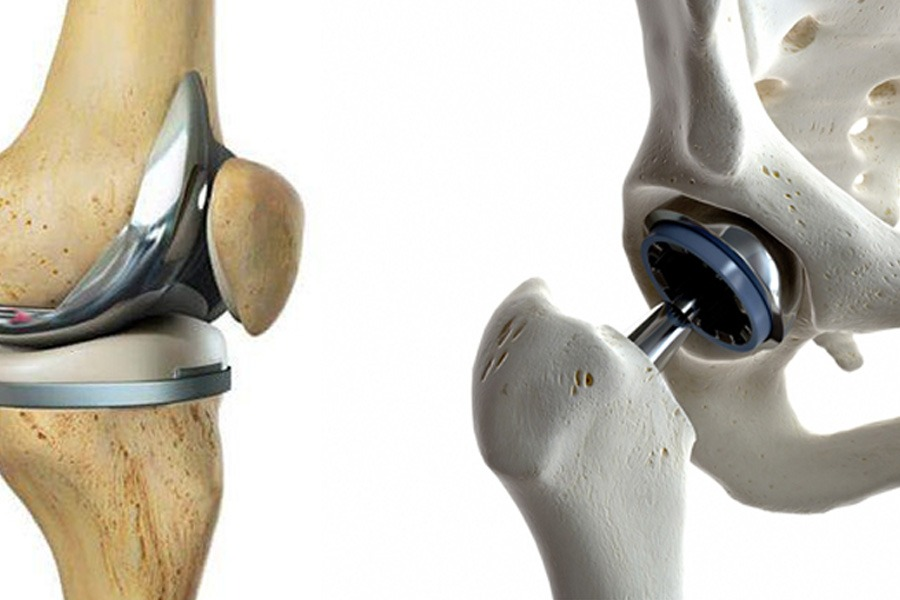
Joint replacement, also called arthroplasty, involves surgically removing damaged joint surfaces and replacing them with prosthetic components made from metal, plastic, or ceramic materials. These artificial joints are designed to replicate normal joint movement while eliminating the bone-on-bone friction causing pain and limiting mobility.
The most commonly replaced joints are knees and hips, though shoulders, ankles, elbows, and fingers can also be replaced when necessary. Modern joint replacement techniques have evolved dramatically over recent decades, with improved materials, minimally invasive surgical approaches, enhanced pain management, and accelerated rehabilitation protocols producing better outcomes and faster recovery than ever before.
According to the American Academy of Orthopaedic Surgeons, over 1 million joint replacement procedures are performed annually in the United States, with that number continuing to grow as the population ages and surgical techniques advance.
When Is Joint Replacement Necessary?
Joint replacement is typically considered after conservative treatments fail to provide adequate relief. Common reasons for needing joint replacement include:
Osteoarthritis: The most common indication, osteoarthritis develops when protective cartilage cushioning joint ends wears away over time. This degenerative condition causes bones to rub together, producing pain, stiffness, and reduced mobility that progressively worsens. Age, previous injuries, obesity, genetics, and repetitive stress contribute to osteoarthritis development.
Rheumatoid Arthritis: This autoimmune disease causes chronic inflammation that damages joint linings, cartilage, and eventually bone. Unlike osteoarthritis’s wear-and-tear progression, rheumatoid arthritis can rapidly destroy joints, sometimes requiring replacement at younger ages.
Post-Traumatic Arthritis: Severe joint injuries from accidents, sports, or falls can damage cartilage and alter joint mechanics, leading to arthritis years later despite initial healing.
Avascular Necrosis: Also called osteonecrosis, this condition occurs when blood supply to bone is interrupted, causing bone tissue death and joint surface collapse. Common causes include long-term steroid use, excessive alcohol consumption, and certain medical conditions.
Severe Joint Deformity: Some people are born with or develop significant joint abnormalities causing pain and dysfunction requiring surgical correction.
Failed Previous Surgeries: When less invasive procedures like arthroscopy or partial joint replacement don’t provide lasting relief, total joint replacement may become necessary.
You might be a candidate for joint replacement if you experience severe joint pain limiting everyday activities like walking, climbing stairs, or getting in and out of chairs; pain persisting despite medications, injections, or physical therapy; significant stiffness reducing range of motion; pain interfering with sleep quality; or progressive functional decline affecting independence and quality of life.
Similar to how managing conditions like cardiovascular disease requires recognizing when intervention is necessary, understanding when joint damage warrants surgical replacement versus continued conservative management is crucial for optimal outcomes.
Types of Joint Replacement
Hip Replacement
Hip replacement addresses pain and mobility limitations from hip joint damage. The surgery replaces the femoral head (ball) and acetabulum (socket) with prosthetic components. Traditional approaches involve larger incisions (8 to 12 inches), while minimally invasive techniques use smaller incisions (3 to 6 inches) with potentially faster recovery.
Modern hip replacements typically last 15 to 20 years or longer, with some lasting decades. Improved materials and surgical techniques continue extending implant longevity. Most people return to normal activities including walking, swimming, golfing, and cycling, though high-impact activities like running may be discouraged.
Knee Replacement
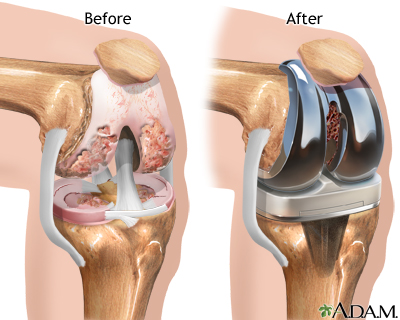
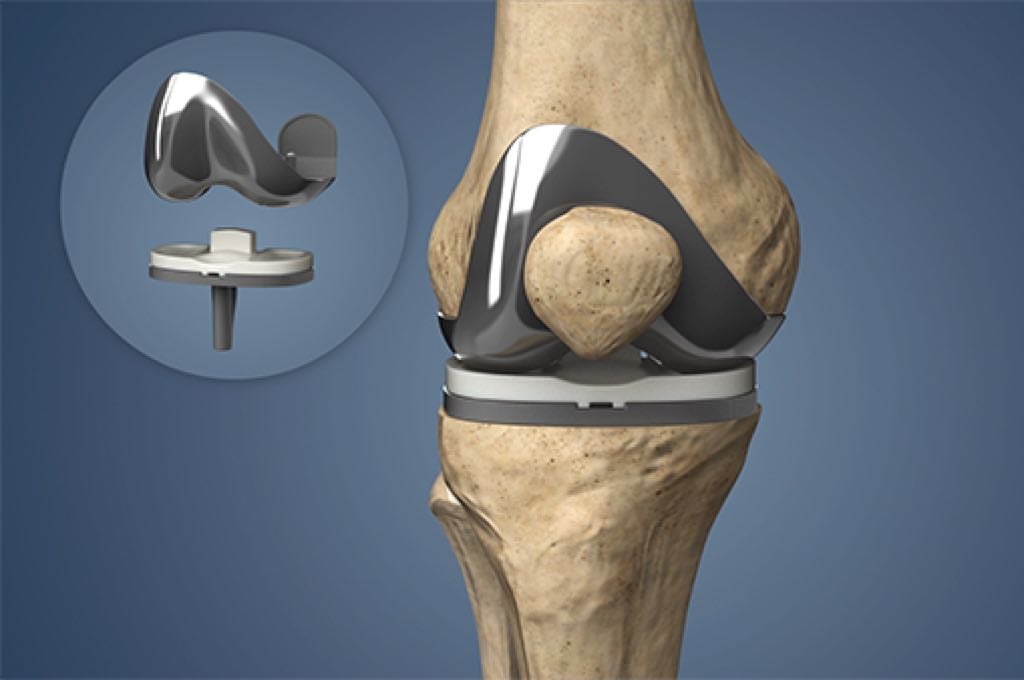
Knee replacement can be partial (unicompartmental), replacing only the damaged portion, or total, replacing all three compartments. Total knee replacement is more common for severe arthritis affecting multiple joint areas. The surgeon removes damaged cartilage and bone from the femur, tibia, and patella (kneecap), then positions metal and plastic components to recreate the joint surface.
Recovery from knee replacement typically takes longer than hip replacement due to the knee’s complexity and weight-bearing demands. However, modern techniques including robotic-assisted surgery improve precision and outcomes. Like hip replacements, modern knee implants last 15 to 20 years or more.
Shoulder Replacement
Shoulder replacement addresses severe arthritis or rotator cuff damage that conservative treatments can’t manage. Traditional shoulder replacement involves a metal ball replacing the humeral head and a plastic socket replacing the glenoid. Reverse shoulder replacement, used for severe rotator cuff damage, reverses the ball and socket positions, allowing different muscles to move the arm.
Other Joint Replacements
Ankle, elbow, and finger joints can also be replaced when severely damaged, though these procedures are less common and often more technically challenging than hip or knee replacement.
Preparing for Joint Replacement Surgery
Optimal preparation significantly impacts surgical outcomes and recovery speed.
Medical Optimization: Your surgeon will ensure you’re medically ready for surgery. This includes managing chronic conditions like diabetes, hypothyroidism, or heart disease; optimizing weight management since excess weight increases surgical risks and implant stress; stopping smoking at least 4 to 6 weeks before surgery to improve healing; adjusting medications that might interfere with surgery or healing; and addressing infections like dental problems or urinary tract infections.
Physical Preparation: Building strength before surgery aids recovery. Work with physical therapists on exercises strengthening muscles around the affected joint, practice using assistive devices like crutches or walkers, and improve overall fitness through appropriate workout routines that don’t aggravate joint pain.
Home Preparation: Modify your living space for post-surgery needs by removing tripping hazards like loose rugs or clutter, installing grab bars in bathrooms, arranging furniture to create clear pathways, placing frequently used items at accessible heights to avoid excessive bending or reaching, and preparing a recovery area on the main floor if bedrooms are upstairs.
Mental Preparation: Understanding what to expect reduces anxiety and improves outcomes. Learn about the procedure, recovery timeline, and rehabilitation requirements. Address concerns with your surgical team. Consider mental health support if anxiety about surgery becomes overwhelming. Practice stress and anxiety management techniques like deep breathing or mindfulness.
Logistical Planning: Arrange transportation home from the hospital, secure help for the first 1 to 2 weeks post-surgery, prepare meals in advance or arrange meal delivery, complete necessary paperwork and insurance authorization, and purchase or rent needed equipment like shower chairs or elevated toilet seats.
The Surgery: What to Expect
Joint replacement typically takes 1 to 3 hours depending on complexity. Most procedures use spinal or epidural anesthesia (numbing from the waist down) rather than general anesthesia, though both options exist. This approach often provides better pain control and faster recovery.
During surgery, your orthopedic surgeon makes an incision over the affected joint, removes damaged cartilage and bone, prepares remaining bone surfaces to receive prosthetic components, positions and secures artificial joint components using special cement or press-fit techniques that allow bone to grow into porous implant surfaces, ensures proper alignment and function, and closes the incision in layers.
Hospital stays typically last 1 to 3 days, though some patients go home the same day with enhanced recovery protocols. Physical therapy begins within hours of surgery, with therapists helping you stand and take a few steps the same day or next morning.
According to the Mayo Clinic, modern pain management approaches using multimodal techniques (combining different pain relief methods) dramatically reduce post-operative discomfort compared to traditional approaches relying heavily on opioids.
Recovery Timeline and Milestones
Recovery progresses through distinct phases, though individual experiences vary based on overall health, age, joint type, and commitment to rehabilitation.
Immediate Post-Operative Period (Days 1-7)
The first week focuses on pain management, wound care, preventing complications, and basic mobility. You’ll use ice to reduce swelling, take prescribed pain medications, perform gentle exercises to improve circulation and prevent blood clots, use assistive devices for walking, and attend physical therapy sessions learning safe movement patterns.
Early Recovery (Weeks 2-6)
During this phase, you’ll gradually increase activity levels, continue outpatient physical therapy 2 to 3 times weekly, work on range of motion and strengthening exercises, reduce reliance on pain medications, improve walking distance and stair climbing ability, and transition from walker to cane or unassisted walking.
Most people return to light activities like driving (typically 4 to 6 weeks for knee replacement, 2 to 4 weeks for hip replacement) and desk work during this period. However, avoid heavy lifting, bending beyond safe ranges, and high-impact activities.
Intermediate Recovery (Months 2-3)
Rehabilitation continues building strength and endurance. You’ll progress to more challenging exercises, work on balance and stability, gradually return to normal daily activities, reduce or discontinue assistive devices completely, and potentially return to more active work depending on job demands.
Advanced Recovery (Months 3-6)
By three months, most people achieve significant functional improvement. You’ll continue strengthening exercises, gradually resume recreational activities with surgeon approval, work toward full range of motion, and address remaining limitations through targeted therapy.
Long-Term Recovery (6-12 Months)
Full recovery takes up to a year, though most people achieve their maximum improvement by 6 months. You’ll maintain strength through regular exercise, return to desired activities within implant limitations, attend periodic follow-up appointments, and adapt to your new joint’s capabilities.
Maximizing Recovery Success
Commit to Physical Therapy: Consistent participation in prescribed exercises is the single most important factor determining outcomes. Physical therapy restores strength, flexibility, and function while preventing complications. Don’t skip sessions or neglect home exercise programs.
Manage Pain Effectively: Use prescribed pain medications as directed initially, then wean off as discomfort decreases. Ice application, elevation, and gentle movement all help control pain. Don’t let pain become severe before addressing it, as this makes control more difficult.
Prevent Complications: Follow all post-operative instructions regarding wound care, medication schedules, activity restrictions, and warning signs requiring immediate medical attention. Watch for infection signs including increased redness, warmth, drainage, or fever; blood clot symptoms including calf pain, swelling, or shortness of breath; and excessive pain not responding to medications.
Optimize Nutrition: Proper nutrition supports healing. Focus on adequate protein for tissue repair (aim for 20 to 30 grams per meal), sufficient calcium and vitamin D for bone health, plenty of fruits and vegetables for vitamins and antioxidants, and adequate hydration. These principles align with healthy eating strategies promoting overall wellness.
Prioritize Sleep: Quality sleep is crucial for healing and pain management. Implement good sleep better practices including consistent sleep schedules, comfortable positioning with pillows supporting your surgical leg, limited screen time before bed, and relaxation techniques if pain interferes with sleep.
Stay Patient and Positive: Recovery isn’t linear—some days feel better than others. Celebrate small victories, maintain realistic expectations, stay connected with support systems, and remember that full recovery takes time but yields life-changing results.
Frequently Asked Questions About Joint Replacement
How long do joint replacements last?
Modern joint replacements typically last 15 to 20 years or longer, with many lasting 25 to 30 years. Longevity depends on factors including implant type and materials, patient age and activity level, body weight, surgical technique quality, and post-operative care adherence. Younger, more active patients may eventually need revision surgery as implants wear out.
Will I set off metal detectors at airports?
While joint implants contain metal, modern airport security equipment usually doesn’t trigger alarms. However, some patients do activate metal detectors. Your surgeon can provide an implant identification card to show security personnel if needed, though TSA doesn’t require this documentation.
What activities can I do after joint replacement?
Low-impact activities are generally safe and encouraged, including walking, swimming, golf, cycling, doubles tennis, dancing, and hiking. High-impact activities like running, singles tennis, basketball, and contact sports typically aren’t recommended as they accelerate implant wear and increase dislocation risk. Always consult your surgeon before resuming specific activities.
Can I kneel after knee replacement?
Many people can kneel after knee replacement, though it may feel uncomfortable initially. Practice kneeling on soft surfaces and use knee pads for protection. Some people never regain comfortable kneeling, while others do so without issues—outcomes vary individually.
When can I drive after surgery?
Driving timing depends on which joint was replaced and whether you use your right or left leg. For right hip or knee replacement, most people can drive after 4 to 6 weeks once they’ve stopped taking narcotic pain medications and regained adequate strength and reaction time. Left-sided replacements in automatic transmission vehicles may allow earlier driving. Always get surgeon clearance before resuming driving.
Will I need help at home after surgery?
Most people need assistance for at least the first 1 to 2 weeks post-surgery with tasks like meal preparation, housework, transportation to appointments, and potentially help with bathing and dressing. The amount of help needed varies based on which joint was replaced, living situation, overall health, and available support systems.
Can both joints be replaced at the same time?
Bilateral (both-sided) joint replacement is possible, particularly for knees. This approach reduces total recovery time compared to two separate surgeries but involves more intensive initial recovery and higher complication risks. Candidacy depends on age, health status, and surgeon recommendations. Most surgeons prefer staging replacements several months apart for safer outcomes.
Living Successfully With Your New Joint
Joint replacement isn’t the end of your journey—it’s the beginning of a more active, pain-free life. To maximize your investment in this life-changing surgery:
Maintain Regular Follow-Up: Attend all scheduled appointments so your surgeon can monitor implant function, check for complications, and address concerns early. Long-term monitoring typically involves X-rays every few years.
Stay Active: Regular physical activity maintains joint function, muscle strength, and overall health. Continue exercises learned in physical therapy, engage in approved recreational activities, and maintain healthy fitness habits throughout life.
Protect Your Investment: Take precautions to extend implant longevity including maintaining healthy weight to reduce joint stress, avoiding high-impact activities that accelerate wear, practicing fall prevention strategies, treating infections promptly as bacteria can spread to implants, and informing dentists and other healthcare providers about your implant.
Listen to Your Body: While some clicking, popping, or minor discomfort is normal, report concerning symptoms including increasing pain, decreased function, instability, warmth or swelling, or any significant changes to your surgeon promptly.
Moving Forward With Renewed Mobility
Joint replacement surgery represents hope for millions suffering from debilitating joint pain and limited mobility. This proven procedure, combined with commitment to rehabilitation and healthy lifestyle choices, restores the active, fulfilling life that chronic joint problems had stolen.
If you’re considering joint replacement, thorough preparation, realistic expectations, and dedication to recovery maximize your chances of excellent outcomes. If you’ve already had surgery, staying committed to your rehabilitation plan and maintaining long-term joint health ensures you reap the full benefits of this transformative procedure.
Don’t let joint pain continue limiting your life. Whether you’re exploring options, preparing for surgery, or recovering from a recent procedure, remember that millions have successfully traveled this path before you. With modern surgical techniques, comprehensive rehabilitation, and your determination, you can reclaim the active, pain-free mobility you deserve and embrace all the activities and experiences that bring joy to your life.