
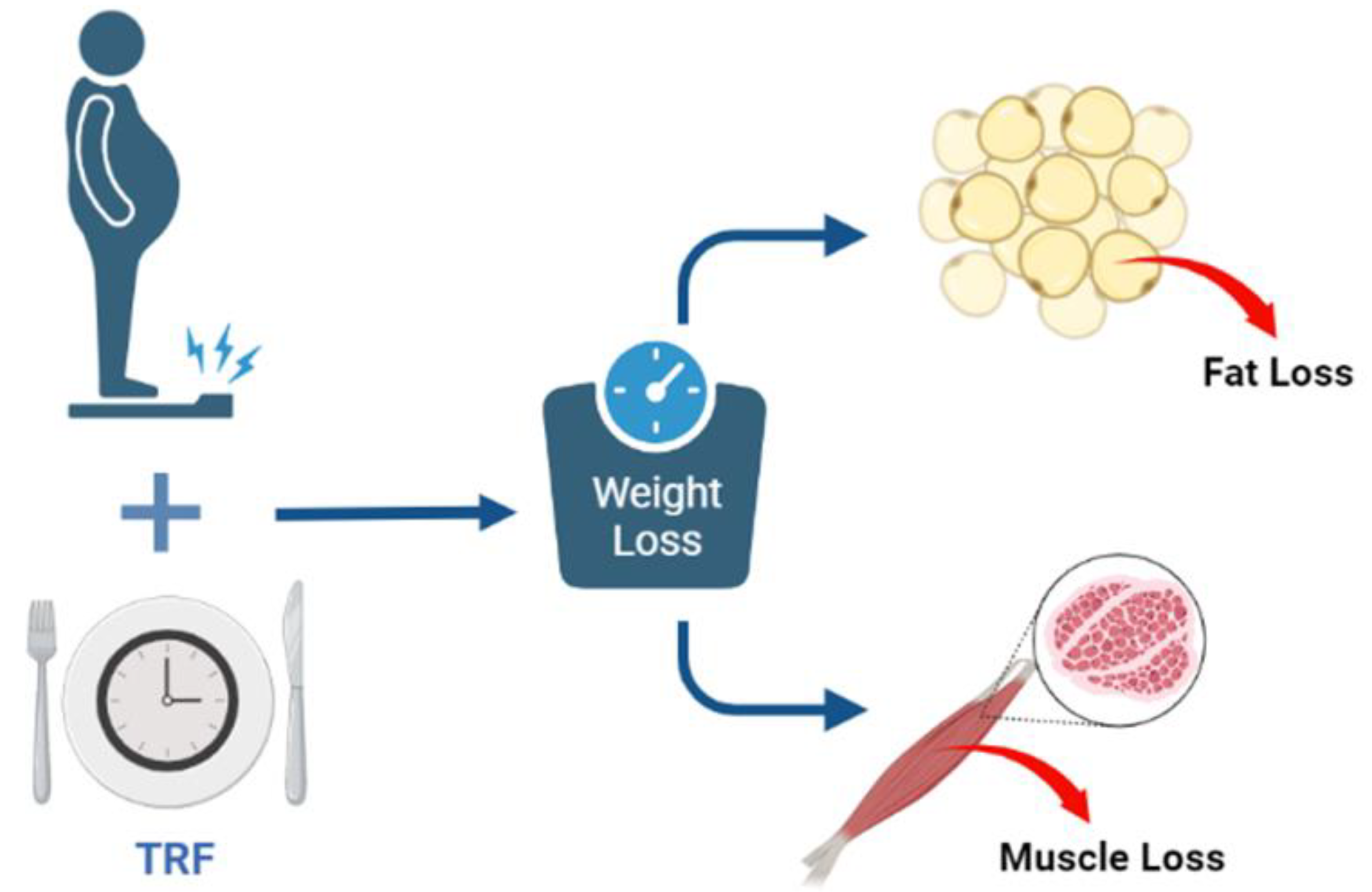

Time-restricted eating (TRE) has emerged as one of the most popular weight loss strategies, with millions of people adopting this approach for sustainable weight management. Unlike traditional diets that focus on what you eat, TRE emphasizes when you eat, offering a flexible framework that can fit various lifestyles while delivering measurable results.
What Is Time-Restricted Eating?

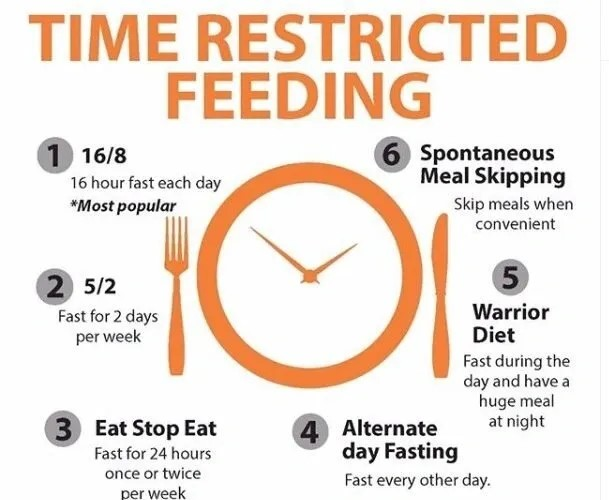
Time-restricted eating is a form of intermittent fasting that limits daily food consumption to specific time windows, typically ranging from 8 to 12 hours. The most common approaches include:
- 16:8 Method: Eating within an 8-hour window, fasting for 16 hours
- 14:10 Method: Eating within a 10-hour window, fasting for 14 hours
- 12:12 Method: Equal 12-hour eating and fasting periods
This approach works by extending the natural fasting period that occurs during sleep, allowing the body to tap into stored fat for energy and optimize metabolic processes.
Scientific Evidence for Weight Loss Efficacy
Metabolic Benefits
Fat Burning Enhancement: Research shows TRE increases fat oxidation by 10-15% compared to traditional calorie restriction alone. During fasting periods, insulin levels drop, promoting lipolysis (fat breakdown) and ketone production.
Hormonal Optimization: TRE improves insulin sensitivity by up to 30% and increases growth hormone levels by 300-500%, both crucial for fat loss and muscle preservation.
Clinical Study Results
Multiple studies demonstrate that TRE participants lose 3-8% of body weight within 8-12 weeks, with many maintaining results for over a year when consistently applied.
Comparison to Traditional Dieting
- TRE: 5-7 pounds average weight loss in 8 weeks
- Calorie restriction alone: 3-5 pounds in the same period
- Combined approach: 8-12 pounds with better adherence rates
Popular Time-Restricted Eating Methods
The 16:8 Method (Most Popular)
Eating Window: 12 PM – 8 PM Benefits: Easier to maintain, fits most work schedules Best For: Beginners and busy professionals
The 14:10 Method (Beginner-Friendly)
Eating Window: 10 AM – 8 PM Benefits: Gentler approach, allows morning meals Best For: Those new to intermittent fasting
The 18:6 Method (Advanced)
Eating Window: 2 PM – 8 PM Benefits: Maximum metabolic benefits Best For: Experienced practitioners seeking faster results
Sustainable Weight Management Strategies
Building Long-Term Habits

Gradual Implementation: Start with 12:12 and gradually extend fasting periods by 1-2 hours weekly until reaching your target schedule.
Flexible Scheduling: Adjust eating windows based on social commitments, work schedules, and lifestyle changes to maintain consistency.
Combining TRE with Healthy Eating
Nutrient-Dense Foods: Focus on whole foods, lean proteins, healthy fats, and complex carbohydrates during eating windows.
Portion Control: While TRE doesn’t restrict calories, mindful eating within the window prevents overconsumption.
Home Implementation and Practical Tips
Creating Your Eating Schedule
Morning Routine Adjustments
- Replace breakfast with black coffee, herbal tea, or water
- Gradually delay first meal by 30 minutes weekly
- Use appetite-suppressing beverages like green tea
Meal Planning Strategies
Two-Meal Approach: Plan larger, more satisfying meals during your eating window rather than multiple small meals.
Nutrient Timing: Consume protein-rich foods early in your eating window to maintain muscle mass and satiety.
Managing Hunger During Fasting
Natural Appetite Suppressants
- Sparkling water with lemon
- Herbal teas (peppermint, ginger)
- Black coffee (limit to 2-3 cups)
- Electrolyte water
Potential Side Effects and Precautions
Common Initial Side Effects
Week 1-2 Adjustment Period
- Hunger pangs (typically subside within 3-5 days)
- Mild headaches from caffeine timing changes
- Temporary energy fluctuations
- Social eating challenges
Serious Considerations
Medical Conditions Requiring Caution
- Diabetes (blood sugar monitoring essential)
- Eating disorder history
- Pregnancy or breastfeeding
- Certain medications requiring food intake
Managing Side Effects
Gradual Transition: Extend fasting periods slowly to minimize discomfort and improve adherence.
Hydration Focus: Increase water intake during fasting periods to reduce hunger and maintain energy levels.
Who Should Avoid Time-Restricted Eating
High-Risk Groups
- Pregnant or breastfeeding women
- Individuals with active eating disorders
- People with type 1 diabetes
- Those taking medications requiring regular food intake
- Children and adolescents (growing bodies need consistent nutrition)
Alternative Approaches
Consider portion control, mindful eating, or supervised medical weight loss programs for these populations.
Long-Term Success Strategies
Maintaining Motivation
Progress Tracking: Monitor weight, energy levels, sleep quality, and measurements rather than focusing solely on scale weight.
Social Support: Join online communities or find TRE partners to maintain accountability and share experiences.
Avoiding Common Pitfalls
Weekend Consistency: Maintain eating windows during weekends and social events with flexible timing adjustments.
Quality Over Quantity: Focus on nutrient-dense foods rather than cramming calories into eating windows.
Optimizing Results Through Lifestyle Integration
Exercise Timing
Fasted Cardio Benefits: Light to moderate cardio during fasting periods can enhance fat burning by 15-20%.
Strength Training: Schedule resistance training near the end of fasting periods or early in eating windows for optimal performance.
Sleep Quality Enhancement
TRE naturally improves sleep quality by aligning eating patterns with circadian rhythms, leading to better recovery and hormone regulation.
Frequently Asked Questions

Q: How quickly can I expect to see weight loss results with time-restricted eating?
A: Most people notice initial changes within 1-2 weeks, with significant weight loss (3-5 pounds) typically occurring within 4-6 weeks of consistent practice. Sustainable results develop over 2-3 months.
Q: Can I drink anything during fasting periods?
A: Yes, you can consume zero-calorie beverages including water, black coffee, plain tea, and sparkling water. Avoid anything with calories, artificial sweeteners, or additives that might trigger insulin responses.
Q: Is time-restricted eating better than traditional calorie counting for long-term weight management?
A: Studies suggest TRE has higher adherence rates (70-80%) compared to traditional calorie restriction (40-50%) because it’s simpler to follow and doesn’t require detailed food tracking.
Q: What happens if I break my eating window occasionally?
A: Occasional flexibility won’t derail your progress. The key is returning to your schedule the next day. Consistency over perfection leads to better long-term results.
Q: Can time-restricted eating work without changing what I eat?
A: While TRE can promote weight loss even without dietary changes, combining it with healthy food choices amplifies results by 40-60% and improves overall health markers.
Q: How does time-restricted eating affect muscle mass during weight loss?
A: When combined with adequate protein intake and resistance training, TRE helps preserve muscle mass better than traditional calorie restriction, with studies showing 85-90% fat loss versus muscle loss.
Conclusion
Time-restricted eating offers a scientifically-backed, sustainable approach to weight loss and long-term weight management. Its success lies in simplicity, flexibility, and alignment with natural metabolic processes. While individual results vary, most people find TRE easier to maintain than traditional dieting methods, leading to better long-term outcomes.
The key to success is gradual implementation, consistency over perfection, and combining TRE with healthy lifestyle choices. As with any significant dietary change, consider consulting healthcare providers, especially if you have underlying health conditions.
Start slowly, listen to your body, and remember that sustainable weight management is a marathon, not a sprint. Time-restricted eating provides the framework, but your commitment to consistent, healthy choices determines the results.