
Crohn’s disease is a chronic inflammatory bowel disease that can disrupt daily life. Learn the causes, symptoms, diagnosis, powerful treatments, diet strategies, and long‑term management tips to live better with Crohn’s disease.
Introduction
Crohn’s disease is a chronic inflammatory bowel disease (IBD) that affects millions of people worldwide. It can be painful, unpredictable, and emotionally draining, yet with the right knowledge and medical care, many people live full and productive lives. This article explores Crohn’s disease in depth—its causes, symptoms, diagnosis, treatment options, diet considerations, and long‑term management—while offering hope backed by science and real‑world strategies.
At ChiidHealth, our goal is to empower you with trustworthy, easy‑to‑understand health information so you can make informed decisions about your well‑being.
What Is Crohn’s Disease?
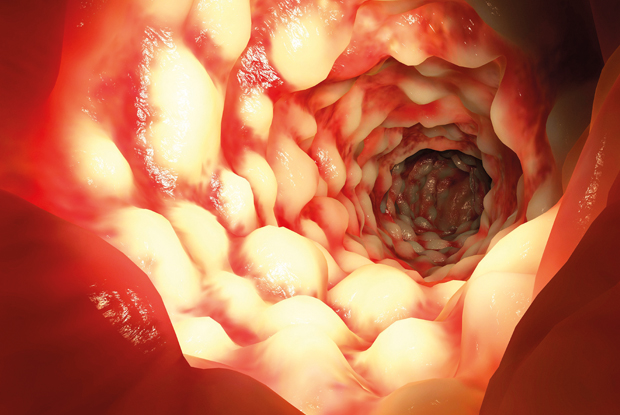
Crohn’s disease is a long‑term inflammatory condition that can affect any part of the gastrointestinal (GI) tract, from the mouth to the anus. However, it most commonly involves the end of the small intestine (ileum) and the beginning of the colon.
Unlike some digestive conditions, Crohn’s disease causes inflammation that can extend deep into the bowel wall, which is why it often leads to complications if not properly managed.
For a broader understanding of chronic digestive and systemic illnesses, see our Disease section on ChiidHealth: https://chiidhealth.com/disease/
Causes and Risk Factors of Crohn’s Disease
The exact cause of Crohn’s disease is not fully understood, but research shows it develops from a combination of factors, including:
1. Immune System Dysfunction
In Crohn’s disease, the immune system mistakenly attacks healthy cells in the digestive tract, leading to ongoing inflammation.
2. Genetics
People with a family history of Crohn’s disease or other inflammatory bowel diseases have a higher risk of developing it.
3. Environmental Triggers
Factors such as smoking, poor diet, stress, and certain infections may trigger or worsen symptoms.
4. Lifestyle Factors
Smoking significantly increases the risk of Crohn’s disease and makes symptoms more severe.
Common Symptoms of Crohn’s Disease
Symptoms vary from person to person and may range from mild to severe. Common signs include:
- Persistent diarrhea
- Abdominal pain and cramping
- Blood in stool
- Fatigue and weakness
- Unintended weight loss
- Reduced appetite
- Fever
Some people may also experience extra‑intestinal symptoms, such as joint pain, skin problems, eye inflammation, or mouth sores.
If digestive symptoms persist, it’s important to seek medical evaluation. Early diagnosis can prevent complications.
How Crohn’s Disease Is Diagnosed
There is no single test for Crohn’s disease. Doctors usually rely on a combination of:
- Blood tests (to check for inflammation or anemia)
- Stool tests (to rule out infections)
- Colonoscopy or endoscopy
- Imaging tests such as CT scans or MRI
Accurate diagnosis helps guide effective treatment and long‑term disease control.
Powerful Treatment Options for Crohn’s Disease
Although there is currently no cure for Crohn’s disease, treatment can reduce inflammation, relieve symptoms, and help maintain remission.
1. Medications
Commonly prescribed medications include:
- Anti‑inflammatory drugs (such as corticosteroids)
- Immune system suppressors
- Biologic therapies that target specific inflammatory pathways
- Antibiotics for complications like infections
You can explore more on treatment approaches in our Treatment category on ChiidHealth: https://chiidhealth.com/disease/treatment/
2. Nutritional Therapy
Some patients benefit from specialized diets or temporary liquid nutrition to rest the bowel during flare‑ups.
3. Surgery
Surgery may be necessary if medications fail or complications such as strictures or fistulas occur. While surgery can relieve symptoms, it does not cure Crohn’s disease.
For more detailed medical guidelines, refer to trusted external sources such as the Crohn’s & Colitis Foundation: https://www.crohnscolitisfoundation.org/
Diet and Nutrition: What to Eat With Crohn’s Disease
Diet plays a crucial role in managing Crohn’s disease symptoms, although triggers vary by individual.
Foods That May Help
- Low‑fiber fruits and vegetables
- Lean proteins (fish, eggs, poultry)
- Refined grains during flare‑ups
- Plenty of fluids
Foods That May Worsen Symptoms
- High‑fiber or raw vegetables
- Spicy or fatty foods
- Alcohol and caffeine
- Dairy (for those who are lactose intolerant)
You can find practical nutrition advice in our Nutrition section: https://chiidhealth.com/nutrition/
Living With Crohn’s Disease: Long‑Term Management
Managing Crohn’s disease goes beyond medication. Long‑term success often includes:
- Regular medical follow‑ups
- Stress management techniques
- Adequate sleep and physical activity
- Avoiding smoking
- Mental health support
Many people with Crohn’s disease experience periods of remission, where symptoms are minimal or absent.
Frequently Asked Questions About Crohn’s Disease

Is Crohn’s disease contagious?
No. Crohn’s disease is not infectious and cannot be passed from person to person.
Can Crohn’s disease be cured?
Currently, there is no cure, but modern treatments can control inflammation and maintain remission.
Is Crohn’s disease life‑threatening?
With proper treatment, most people live normal lifespans. However, untreated Crohn’s disease can lead to serious complications.
Can stress cause Crohn’s disease?
Stress does not cause Crohn’s disease, but it can worsen symptoms and trigger flare‑ups.
What is the difference between Crohn’s disease and ulcerative colitis?
Both are inflammatory bowel diseases, but Crohn’s can affect any part of the GI tract, while ulcerative colitis only affects the colon.
Conclusion: Hope Beyond the Diagnosis
Crohn’s disease can be challenging, but it does not define your future. With early diagnosis, personalized treatment, proper nutrition, and lifestyle adjustments, many people regain control of their lives. Knowledge is power—and staying informed is one of the strongest tools you have.
At ChiidHealth, we remain committed to providing reliable, science‑backed health information to support your journey toward better health.