
Comprehensive impotence guide covering root causes, proven treatment options, and effective solutions. Reclaim sexual confidence with expert strategies that work.
Introduction
Impotence, medically known as erectile dysfunction (ED), affects millions of men worldwide, yet shame and embarrassment prevent many from seeking the help they desperately need. This common condition—the persistent inability to achieve or maintain an erection sufficient for satisfactory sexual performance—impacts not just physical intimacy but also self-esteem, relationships, and overall quality of life. Understanding impotence, its underlying causes, and the remarkably effective treatments available empowers men to break free from silence and reclaim their sexual confidence and intimate connections.
Understanding Impotence: More Common Than You Think

Impotence is far more prevalent than most men realize. According to the Urology Care Foundation, approximately 30 million American men experience ED, with prevalence increasing significantly with age. About 40 percent of men are affected by age 40, and nearly 70 percent by age 70. However, impotence is not an inevitable part of aging—it’s a treatable medical condition that often signals underlying health issues requiring attention.
To understand impotence, it helps to know how erections normally occur. Sexual arousal triggers the brain to send signals through the nervous system to the penis. Blood vessels in the penis dilate, allowing increased blood flow into the erectile tissue (corpora cavernosa). Simultaneously, veins that normally drain blood from the penis compress, trapping blood and creating rigidity. Any disruption to this complex process—involving the brain, hormones, nerves, blood vessels, and emotions—can result in impotence.
Occasional difficulty achieving or maintaining erections is normal and doesn’t indicate ED. Impotence is diagnosed when the problem persists over several months and significantly impacts sexual activity and quality of life. The condition exists on a spectrum from occasional difficulties to complete inability to achieve erections.
Root Causes of Impotence
Impotence results from various physical, psychological, and lifestyle factors, often involving multiple contributing causes simultaneously.
Physical Causes
Cardiovascular Disease: The most common physical cause, cardiovascular problems affect blood flow to the penis. Atherosclerosis (hardening of arteries), high blood pressure, high cholesterol, and heart disease all impair circulation. In fact, ED often serves as an early warning sign of cardiovascular disease, appearing 3 to 5 years before cardiac symptoms develop. This connection underscores why addressing ED goes beyond sexual health—it may literally save your life.
Diabetes: Both Type 1 and Type 2 diabetes significantly increase ED risk. High blood sugar damages blood vessels and nerves controlling erections. Approximately 50 percent of diabetic men develop some degree of impotence, often within 10 years of diagnosis.
Neurological Conditions: Diseases affecting the nervous system impair nerve signals between the brain and penis. These include multiple sclerosis, Parkinson’s disease, stroke, spinal cord injuries, and pelvic surgeries that damage nerves (particularly prostate surgery).
Hormonal Imbalances: Low testosterone (hypogonadism) reduces sexual desire and can contribute to ED, though it’s rarely the sole cause. Thyroid disorders, particularly hypothyroidism, also affect sexual function by altering hormone levels and reducing energy.
Medications: Numerous prescription drugs cause or worsen impotence as a side effect, including certain blood pressure medications (particularly beta-blockers and diuretics), antidepressants (especially SSRIs), antihistamines, medications for prostate conditions, and chemotherapy drugs. Never stop medications without consulting your doctor, as many ED-causing drugs treat serious conditions.
Obesity: Excess weight contributes to ED through multiple mechanisms—increasing diabetes and cardiovascular disease risk, lowering testosterone levels, causing inflammation, and reducing physical stamina. Implementing effective weight management strategies often improves erectile function alongside overall health.
Substance Use: Smoking damages blood vessels and reduces circulation to the penis. Chronic alcohol consumption impairs sexual function and hormone production. Recreational drug use, particularly marijuana, cocaine, and opioids, significantly contributes to ED.
Sleep Disorders: Sleep apnea and chronic sleep deprivation lower testosterone levels, increase cardiovascular disease risk, and cause fatigue—all contributing to impotence. Addressing sleep better practices supports sexual health alongside overall wellbeing.
Psychological Causes
Mental and emotional factors play substantial roles in erectile function, either as primary causes or contributing to physically-based ED.
Performance Anxiety: Worry about sexual performance creates a self-fulfilling prophecy. Anxiety triggers the release of adrenaline, which constricts blood vessels and prevents erections. Past sexual failures intensify anxiety, creating a vicious cycle that’s difficult to break without intervention.
Stress: Chronic stress from work, finances, or life circumstances redirects blood flow away from non-essential functions like sexual response. Managing stress and anxiety becomes crucial for restoring sexual function.
Depression: Depression significantly impacts sexual desire and function through multiple pathways—chemical imbalances affecting neurotransmitters, reduced interest in pleasurable activities, fatigue, and low self-esteem. Additionally, many antidepressant medications worsen ED as a side effect. Seeking comprehensive mental health support addresses both depression and associated sexual difficulties.
Relationship Issues: Unresolved conflicts, poor communication, lack of intimacy, trust issues, or partner’s sexual problems all contribute to ED. Sexual function often reflects relationship health, making couples therapy beneficial for many men with impotence.
Trauma and Abuse: Past sexual trauma or abuse can create deep-seated psychological barriers to sexual function requiring professional counseling to address effectively.
Diagnosing Impotence
Proper diagnosis identifies underlying causes and guides appropriate treatment. Don’t let embarrassment prevent you from seeking evaluation—doctors routinely address sexual health concerns and approach them professionally and compassionately.
Medical History: Your doctor will ask about symptom duration and severity, sexual history and relationship factors, medical conditions and surgeries, current medications and supplements, lifestyle habits including smoking and alcohol use, and mental health including stress and depression.
Physical Examination: A general physical exam assesses cardiovascular health, checks for abnormalities of the penis and testicles, evaluates prostate health (particularly in older men), and looks for signs of hormonal problems or neurological issues.
Laboratory Tests: Blood tests evaluate testosterone levels, blood sugar and hemoglobin A1C (for diabetes), cholesterol and lipid profile, thyroid function, and sometimes prolactin levels. These tests identify medical conditions contributing to ED.
Specialized Testing: In some cases, additional evaluation is needed, including nocturnal penile tumescence testing (measuring nighttime erections to distinguish physical from psychological causes), ultrasound to assess blood flow to the penis, or psychological assessment for mental health factors.
Powerful Treatment Options
The excellent news is that impotence is highly treatable. Most men find effective solutions through one or more of the following approaches.
Oral Medications (PDE5 Inhibitors)

First-line treatment for most men, these medications enhance the effects of nitric oxide, a natural chemical that relaxes penile muscles and increases blood flow.
Sildenafil (Viagra): The original ED medication, effective for 4 to 5 hours. Taken 30 to 60 minutes before sexual activity. Typical starting dose is 50 mg, adjusted based on effectiveness and side effects.
Tadalafil (Cialis): Longer-acting option effective for up to 36 hours, earning the nickname “the weekend pill.” Also available as a low-dose daily medication (2.5 or 5 mg) for spontaneous sexual activity without planning ahead.
Vardenafil (Levitra, Staxyn): Similar to sildenafil but may work faster (as quickly as 15 minutes) and is less affected by food intake. Effective for 4 to 5 hours.
Avanafil (Stendra): Newest option that works quickly (as fast as 15 minutes) with potentially fewer side effects. Effective for up to 6 hours.
These medications are highly effective for most men, with success rates of 70 to 85 percent. Common side effects include headaches, facial flushing, nasal congestion, and indigestion—usually mild and temporary. According to the Mayo Clinic, these medications are safe for most men but contraindicated if you take nitrate medications for heart conditions.
Testosterone Replacement Therapy
For men with documented low testosterone contributing to ED, hormone replacement can improve sexual function, desire, energy, and mood. Available forms include injections, topical gels or patches, nasal gels, and pellets implanted under the skin. Regular monitoring ensures proper dosing and screens for potential side effects including blood thickening, prostate issues, and cardiovascular effects.
Vacuum Erection Devices
These mechanical pumps create erections by drawing blood into the penis through vacuum pressure. A constriction ring placed at the penis base maintains the erection. While less spontaneous than medications, vacuum devices are effective, safe, inexpensive, and work regardless of ED cause—making them suitable when medications are contraindicated or ineffective.
Penile Injections and Urethral Suppositories
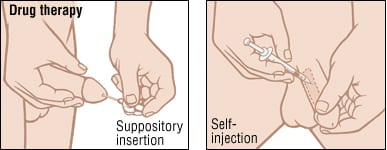
Alprostadil Injections: Self-administered directly into the penis side, alprostadil causes blood vessels to dilate, producing erections within 5 to 20 minutes lasting up to an hour. Highly effective (85 to 90 percent success rate) but requires comfort with self-injection.
Intraurethral Alprostadil (MUSE): A small suppository inserted into the urethra opening delivers medication that’s absorbed into erectile tissue. Less effective than injections (30 to 40 percent success rate) but avoids needles.
Surgical Interventions
When other treatments fail or aren’t suitable, surgical options include:
Penile Implants: Surgically placed devices that allow manual creation of erections. Options include inflatable implants (mimicking natural erections) and malleable rods (creating permanent semi-rigidity). Highly effective with high satisfaction rates, though surgery is irreversible.
Vascular Surgery: Rarely performed procedures that repair arteries delivering blood to the penis or block veins allowing blood to leak out. Only suitable for young men with specific vascular injuries.
Lifestyle Modifications
Often overlooked yet highly impactful, lifestyle changes improve erectile function while benefiting overall health:
Exercise Regularly: Physical activity improves cardiovascular health, reduces obesity, boosts testosterone, enhances mood, and directly improves erectile function. Implement structured workout routines combining cardiovascular exercise with strength training.
Maintain Healthy Weight: Weight loss in overweight men often significantly improves ED. Even modest reductions of 5 to 10 percent can make substantial differences.
Eat a Balanced Diet: Follow heart-healthy eating patterns like the Mediterranean diet rich in fruits, vegetables, whole grains, fish, and healthy fats. These dietary principles align with healthy eating guidelines benefiting multiple health aspects.
Quit Smoking: Smoking cessation is among the most impactful changes for ED, improving vascular health and erectile function often within months.
Limit Alcohol: Moderate alcohol intake (no more than two drinks daily) or abstinence improves sexual function.
Manage Stress: Implement stress-reduction techniques including meditation, yoga, deep breathing, and mindfulness practices.
Improve Sleep: Prioritize 7 to 9 hours of quality sleep nightly and address sleep disorders like sleep apnea.
Counseling and Sex Therapy
Psychological approaches address performance anxiety, relationship issues, and mental health factors contributing to ED. Cognitive-behavioral therapy helps reframe negative thought patterns, couples counseling improves communication and intimacy, and sex therapy provides specific strategies for reducing performance pressure and enhancing pleasure.
Frequently Asked Questions About Impotence
At what age does impotence typically begin?
While ED prevalence increases with age, it’s not an inevitable part of aging. Some men experience ED in their 30s or 40s, often related to stress, relationship issues, or emerging health problems. The condition becomes more common after age 50, though many older men maintain erectile function throughout life with proper health management.
Can impotence be cured permanently?
The answer depends on underlying causes. When ED results from reversible factors like obesity, smoking, or medication side effects, addressing these issues can permanently resolve the problem. However, ED from chronic conditions like diabetes or cardiovascular disease typically requires ongoing management rather than cure. Fortunately, highly effective treatments allow normal sexual function despite persistent underlying conditions.
Is impotence purely psychological or physical?
Most cases involve both physical and psychological components. Even when ED has clear physical causes, psychological factors like performance anxiety develop secondarily and perpetuate the problem. Conversely, ED beginning with psychological causes can lead to physical changes over time. Comprehensive treatment addresses both aspects for optimal outcomes.
Do over-the-counter supplements work for impotence?
Most supplements marketed for ED lack scientific evidence supporting their effectiveness. Some may contain hidden pharmaceutical ingredients, creating safety concerns. A few supplements show modest promise in research (like L-arginine, DHEA, and ginseng) but generally produce much weaker effects than prescription medications. Discuss any supplements with your doctor before use, as they can interact with medications or underlying health conditions.
Can cycling cause impotence?
Prolonged cycling may contribute to temporary erectile problems by compressing nerves and blood vessels in the perineum (area between genitals and anus). However, moderate cycling provides cardiovascular benefits that support erectile function. Solutions include using properly fitted seats with cutouts reducing pressure, standing periodically during rides, adjusting handlebar height to reduce forward lean, and limiting extremely long rides.
Will viagra work if I don’t have impotence?
PDE5 inhibitors enhance erectile response but don’t create desire or increase pleasure in men without ED. Taking these medications unnecessarily provides minimal benefit while exposing you to side effects and potential complications. Additionally, psychological dependence can develop, creating performance anxiety without medication.
How does impotence affect relationships?
ED significantly impacts intimate relationships, often causing reduced sexual activity and intimacy, communication breakdown when partners avoid discussing the issue, emotional distance and resentment, partner blaming themselves for the problem, and relationship stress extending beyond the bedroom. Open communication, couples counseling, and involving partners in treatment decisions help preserve relationship quality during ED treatment.
Breaking the Silence: Communication Is Key
One of the most damaging aspects of impotence is the isolation and shame many men experience. Breaking the silence—with healthcare providers, partners, and potentially support groups—is crucial for effective management.
Talk to Your Doctor: Healthcare professionals understand ED is common and treatable. Don’t let embarrassment delay care. Primary care physicians routinely address sexual health concerns, and urologists specialize in these issues if needed.
Communicate With Your Partner: Honest conversation about ED strengthens relationships rather than damaging them. Share your feelings and concerns, listen to your partner’s perspective without defensiveness, work together to explore solutions, maintain non-sexual intimacy and affection, and remember that sexual satisfaction extends beyond penetrative intercourse.
Consider Support Resources: Online forums, support groups, and counseling help you realize you’re not alone and provide practical strategies for coping with ED’s emotional impact.
Moving Forward With Confidence
Impotence, while challenging, is among the most treatable sexual health conditions. With today’s effective medications, comprehensive treatment approaches, and growing understanding of ED’s physical and psychological dimensions, virtually every man can find solutions that restore sexual function and confidence.
The most important step is taking action—scheduling that doctor’s appointment, having that honest conversation with your partner, or implementing lifestyle changes that benefit sexual and overall health. Remember that seeking help demonstrates strength and self-advocacy, not weakness. Your sexual health matters, your intimate relationships matter, and effective solutions await when you break free from silence and shame.
Whether ED stems from physical conditions, psychological factors, or lifestyle habits, powerful treatments exist to help you reclaim the satisfying intimate life you deserve. Don’t let impotence define you or damage your relationships any longer. Take control today, and rediscover the sexual confidence and connection that’s absolutely within your reach.