


Complete influenza guide covering critical symptoms, proven prevention strategies, and effective treatment options. Protect yourself from flu this season.
Introduction
Influenza—commonly called the flu—strikes millions of people each year, causing widespread illness that ranges from mild discomfort to life-threatening complications. This highly contagious respiratory illness affects the nose, throat, and sometimes the lungs, producing symptoms significantly more severe than the common cold. Understanding influenza—how to recognize it early, prevent infection, and recover quickly—empowers you to protect yourself and your family during flu season while knowing when medical intervention becomes necessary.
What Is Influenza?
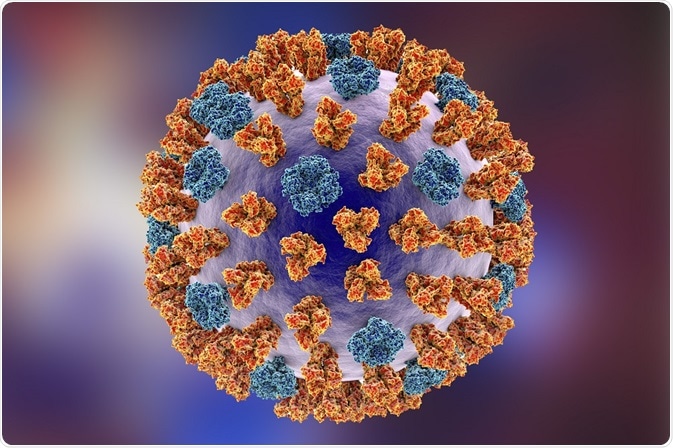
Influenza is a contagious respiratory illness caused by influenza viruses that infect the nose, throat, and lungs. Unlike the common cold, which develops gradually and causes primarily nasal symptoms, flu strikes suddenly with intense body-wide symptoms that can leave you bedridden for days.
Several influenza virus types cause human disease. Influenza A and B viruses cause seasonal epidemics occurring almost every winter in temperate climates. Influenza A viruses are further classified into subtypes based on two surface proteins: hemagglutinin (H) and neuraminidase (N). You may have heard of H1N1 and H3N2—these are influenza A subtypes. Influenza C causes mild respiratory illness and doesn’t trigger epidemics. Influenza D primarily affects cattle and doesn’t infect humans.
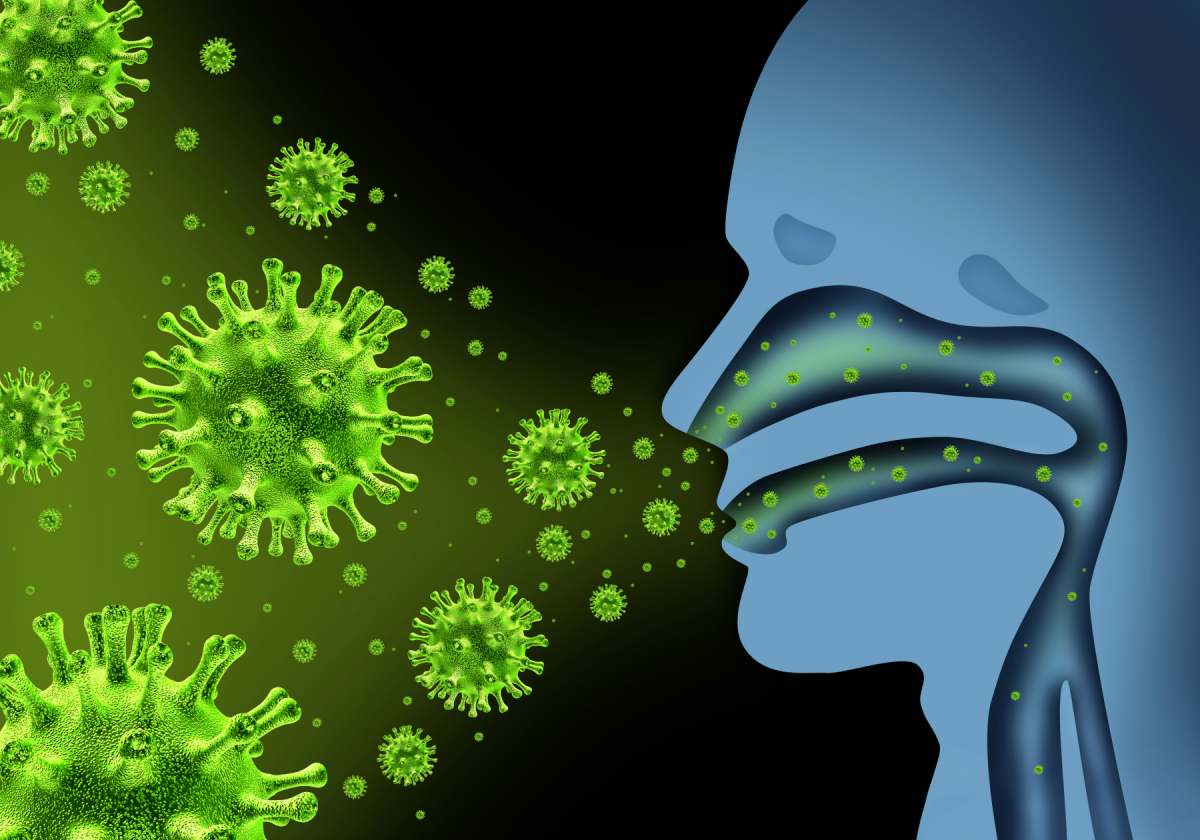
The flu virus spreads primarily through droplets produced when infected people cough, sneeze, or talk. These droplets can land in the mouths or noses of nearby people or possibly be inhaled into the lungs. Less commonly, you can contract flu by touching surfaces contaminated with flu virus and then touching your mouth, nose, or eyes.
According to the Centers for Disease Control and Prevention, flu seasons vary in severity, with annual burden ranging from 9 million to 41 million illnesses, 140,000 to 710,000 hospitalizations, and 12,000 to 52,000 deaths in the United States.
Recognizing Influenza Symptoms
Distinguishing flu from common colds or other respiratory infections helps you seek appropriate treatment and take necessary precautions to prevent spreading illness.
Classic Flu Symptoms
Sudden Onset Fever: High fever (typically 100-104°F or 38-40°C) develops abruptly within hours. Not everyone with flu develops fever, but it’s one of the hallmark symptoms. Fever usually lasts 3 to 4 days but can persist longer.
Severe Body Aches: Intense muscle and body aches affect the back, arms, and legs. These myalgias can be severe enough to make movement extremely painful and uncomfortable.
Extreme Fatigue: Overwhelming exhaustion and weakness develop suddenly, making even simple tasks feel impossible. This profound tiredness can persist for weeks after other symptoms resolve.
Dry Cough: A persistent, often painful dry cough is common and may last for weeks. The cough can progress to produce mucus as illness evolves.
Headache: Severe headaches, often accompanied by eye pain or sensitivity to light, frequently occur with flu.
Sore Throat: While less prominent than with colds, throat pain and irritation commonly accompany influenza.
Chills and Sweats: Alternating between feeling intensely cold with shaking chills and experiencing drenching sweats is characteristic, particularly as fever fluctuates.
Nasal Congestion: Stuffy or runny nose may develop, though it’s typically less prominent than with common colds.
Distinguishing Flu From Colds
While both are respiratory illnesses, key differences help distinguish them:
Onset: Flu symptoms appear suddenly within hours, while cold symptoms develop gradually over days.
Fever: High fever is common with flu but rare with colds.
Body Aches: Severe with flu, mild or absent with colds.
Fatigue: Extreme and prolonged with flu, mild to moderate with colds.
Severity: Flu is typically much more severe than colds and more likely to cause complications.
Similar to how recognizing symptoms guides management in conditions like bronchitis, distinguishing flu from other respiratory illnesses ensures appropriate treatment approaches.
Who Is at High Risk for Complications?
While anyone can contract flu, certain groups face higher risks for serious complications:
Young Children: Particularly those under 5 years old, and especially infants under 2, face increased complication risks.
Older Adults: People 65 and older have weakened immune systems making them vulnerable to severe influenza complications.
Pregnant Women: Pregnancy alters immune function and lung capacity, increasing complication risks during pregnancy and up to two weeks postpartum.
People With Chronic Health Conditions: Conditions increasing risk include asthma and chronic lung diseases like COPD, heart disease and cardiovascular disease, diabetes, kidney disorders, liver disorders, neurological conditions, weakened immune systems from HIV/AIDS or cancer treatment, and extreme obesity (BMI 40 or higher).
Nursing Home Residents: Those in long-term care facilities face higher risks due to age, chronic conditions, and close contact with others.
Dangerous Flu Complications
Flu can lead to serious complications requiring hospitalization or proving fatal:
Bacterial Pneumonia: The most common serious complication, pneumonia develops when bacteria infect lungs weakened by flu virus. This requires antibiotic treatment and can be life-threatening.
Ear Infections: Particularly common in children, middle ear infections cause pain and may require antibiotic treatment.
Sinus Infections: Inflammation and infection of the sinuses causes facial pain and pressure.
Worsening of Chronic Conditions: Flu can trigger asthma attacks, heart attacks, or worsen diabetes control and other chronic disease management.
Myocarditis: Rare but serious inflammation of the heart muscle can occur.
Encephalitis: Brain inflammation, though rare, represents a potentially life-threatening complication.
Multi-organ Failure: Severe flu can cause widespread inflammation triggering failure of multiple organ systems, particularly in vulnerable individuals.
Powerful Prevention Strategies
Protecting yourself and others from influenza requires multiple complementary approaches.
Annual Flu Vaccination
The single most effective prevention strategy, flu vaccination reduces infection risk by 40 to 60 percent when the vaccine matches circulating strains. The CDC recommends annual flu vaccination for everyone 6 months and older, with rare exceptions.
Vaccine Types: Several formulations exist including standard-dose shots for people under 65, high-dose shots for those 65 and older providing stronger immune response, egg-free vaccines for people with egg allergies, and nasal spray vaccine (FluMist) containing weakened live virus, suitable for healthy non-pregnant people ages 2 to 49.
Timing: Get vaccinated before flu activity begins in your community, ideally by October. However, vaccination later in the season still provides protection as flu season typically peaks between December and February but can last until May.
Common Misconceptions: The flu vaccine cannot give you the flu—it contains inactivated virus or just flu proteins. Side effects like soreness at injection site, low-grade fever, and mild aches are immune system responses, not flu illness. Protection takes about two weeks to develop after vaccination.
Hygiene Practices
Hand Washing: Wash hands frequently with soap and water for at least 20 seconds, especially after being in public places, before eating, and after coughing or sneezing. If soap and water aren’t available, use alcohol-based hand sanitizer with at least 60 percent alcohol.
Avoid Touching Your Face: Flu viruses enter your body through eyes, nose, and mouth. Consciously avoid touching your face, particularly before washing hands.
Cover Coughs and Sneezes: Use tissues or cough/sneeze into your elbow, never your hands. Dispose of tissues immediately and wash hands afterward.
Clean and Disinfect: Regularly clean frequently touched surfaces including doorknobs, light switches, phones, keyboards, and countertops with disinfectants effective against flu virus.
Healthy Lifestyle Habits
Strengthen Your Immune System: Support immune function through adequate sleep (7-9 hours nightly) following sleep better practices, balanced nutrition emphasizing healthy eating with plenty of fruits and vegetables, regular physical activity through appropriate workout routines, stress management using mindfulness and other stress and anxiety reduction techniques, and staying well-hydrated.
Avoid Close Contact: During flu season, maintain distance from sick people when possible and stay home when you’re ill to prevent spreading infection.
Consider Preventive Antiviral Medication: For high-risk individuals exposed to flu, doctors may prescribe preventive antiviral medications offering short-term protection.
Treatment Options for Influenza
Most people recover from flu without medical treatment through rest and supportive care. However, certain situations warrant medical attention and antiviral medications.
Home Care Strategies
Rest: Get plenty of sleep and avoid strenuous activity, allowing your body to focus energy on fighting infection.
Stay Hydrated: Drink water, warm broths, herbal teas, and electrolyte solutions. Fever, sweating, and reduced fluid intake can cause dehydration, worsening symptoms.
Manage Fever and Pain: Over-the-counter medications including acetaminophen (Tylenol) or ibuprofen (Advil, Motrin) reduce fever and relieve body aches. Never give aspirin to children or teenagers with flu due to Reye’s syndrome risk.
Use Humidifiers: Adding moisture to air eases breathing and soothes irritated airways.
Soothe Throat Discomfort: Warm liquids, throat lozenges, and saltwater gargles relieve sore throat.
Isolate Yourself: Stay home for at least 24 hours after fever resolves without fever-reducing medication to prevent spreading flu.
Antiviral Medications
Prescription antivirals can shorten illness duration, reduce symptom severity, and prevent complications when started within 48 hours of symptom onset.
Oseltamivir (Tamiflu): Oral medication taken twice daily for 5 days. Most commonly prescribed antiviral for flu treatment and prevention.
Zanamivir (Relenza): Inhaled powder taken twice daily for 5 days. Not recommended for people with breathing problems like asthma.
Peramivir (Rapivab): Single-dose intravenous medication for situations where other antivirals aren’t suitable.
Baloxavir marboxil (Xofluza): Single-dose oral medication that may work faster than other antivirals.
According to the World Health Organization, early antiviral treatment is especially important for hospitalized patients, people at high risk for complications, and those with severe flu symptoms.
When to Seek Medical Care
Seek immediate medical attention if you experience:
Emergency Warning Signs in Adults: Difficulty breathing or shortness of breath, persistent chest or abdominal pain or pressure, persistent dizziness or confusion, seizures, severe or persistent vomiting, flu symptoms that improve then return with fever and worse cough, or severe weakness or unsteadiness.
Emergency Warning Signs in Children: Fast or troubled breathing, bluish lips or face, chest pain, severe muscle pain making child refuse to walk, dehydration (no urination for 8 hours, dry mouth, no tears when crying), not alert or interactive when awake, seizures, fever above 104°F, or fever with rash in children under 12 weeks.
High-Risk Individuals: People in high-risk groups should contact healthcare providers early in illness to discuss whether antiviral treatment is appropriate.
Recovery and Returning to Normal Activities
Most healthy people recover from flu within a week or two, though fatigue may persist longer.
Timeline: Fever typically resolves within 3-4 days. Cough and fatigue may persist for 2-3 weeks. Some people experience lingering weakness for several weeks.
Returning to Work or School: Stay home for at least 24 hours after fever resolves without using fever-reducing medication. This prevents spreading flu to others during your most contagious period.
Gradual Return to Activity: Don’t rush back to intense physical activity. Gradually increase activity levels as energy returns, starting with light activities and progressing slowly.
Monitor for Complications: Watch for worsening symptoms or new concerning signs that might indicate complications requiring medical evaluation.
Frequently Asked Questions About Influenza
Can you have flu without fever?
Yes, not everyone with flu develops fever, though it’s a common symptom. You can have influenza with respiratory symptoms, body aches, and fatigue without significant temperature elevation, particularly in older adults or people with weakened immune systems.
How long are you contagious with flu?
Most healthy adults may infect others beginning 1 day before symptoms develop and up to 5-7 days after becoming sick. Children and people with weakened immune systems might be contagious for longer periods. You’re most contagious in the first 3-4 days of illness.
Does the flu shot give you the flu?
No, flu vaccines cannot cause flu illness. Injectable flu vaccines contain either inactivated virus (killed virus) or just a single flu protein, neither of which can cause infection. Nasal spray vaccine contains weakened virus that cannot cause typical flu illness in healthy people. Mild side effects like soreness, low-grade fever, or aches represent immune responses, not flu infection.
Why do you need a flu shot every year?
Flu viruses constantly change through genetic mutations. Each year’s vaccine is updated to match circulating strains expected that season. Additionally, immunity from vaccination declines over time, making annual vaccination necessary for continued protection.
What’s the difference between flu and COVID-19?
Both are contagious respiratory illnesses with similar symptoms, but they’re caused by different viruses. Key differences include COVID-19 potentially causing more severe illness, having a longer incubation period, and being more contagious than flu. Testing is the only definitive way to distinguish them. Similar to managing other respiratory conditions like those associated with COVID-19, prevention through vaccination remains crucial.
Can you get flu from being cold or wet?
No, flu is caused by influenza viruses, not cold temperatures or wet conditions. However, flu viruses circulate more during cold months when people spend more time indoors in close contact, facilitating transmission. Cold weather may also affect nasal passages in ways that slightly increase infection susceptibility.
Do antibiotics treat the flu?
No, antibiotics kill bacteria, not viruses. Flu is a viral infection, so antibiotics don’t treat it and won’t help you recover faster. However, antibiotics may be prescribed if bacterial complications like pneumonia or sinus infections develop.
Special Considerations During Flu Season

Pregnancy and Flu: Pregnant women should definitely get flu shots (injectable only, not nasal spray). Pregnancy increases complication risks, and vaccination protects both mother and baby. Antibodies pass to the baby, providing protection for several months after birth.
Children and Flu: Children under 5, especially those under 2, face higher complication risks. Annual flu vaccination is recommended for all children 6 months and older. Children under 9 receiving flu vaccine for the first time need two doses spaced at least 4 weeks apart.
Flu and Chronic Conditions: People with chronic health conditions should take extra precautions including annual vaccination, prompt medical care if flu develops, continuing chronic disease medications as prescribed, and monitoring conditions closely during illness as flu can worsen control.
Workplace Considerations: Employers can support flu prevention by offering on-site vaccination clinics, implementing flexible sick leave policies encouraging employees to stay home when ill, providing hand sanitizer and tissues throughout the workplace, and encouraging good hygiene practices.
Moving Forward: Protecting Yourself and Your Community
Influenza remains a significant public health threat, but you have powerful tools to protect yourself and those around you. Annual vaccination, good hygiene practices, healthy lifestyle habits that support immune function, and prompt treatment when necessary all contribute to minimizing flu’s impact on your life.
Remember that getting vaccinated protects not just you but also vulnerable people in your community who may not be able to receive vaccines or who don’t respond well to them. This community immunity helps protect everyone, particularly those at highest risk for serious complications.
As flu season approaches each year, take proactive steps to protect your health. Schedule your flu shot, practice good hygiene, maintain healthy habits that support immune function, and stay informed about flu activity in your community. If you do contract flu, rest appropriately, stay home to avoid spreading illness, and seek medical care if you’re at high risk or develop concerning symptoms.
With knowledge, preparation, and appropriate preventive measures, you can significantly reduce your flu risk and minimize its impact if infection occurs. Don’t let influenza derail your health and activities this season—take control through vaccination and smart prevention strategies starting today.