
Discover essential migraine treatments, recognize critical warning signs, and learn powerful prevention strategies. Comprehensive guide to reducing migraine frequency and reclaiming your life today.
Introduction
Migraines affect over 39 million Americans, causing debilitating headaches that can last hours to days and completely derail your life. If you’ve experienced the throbbing pain, nausea, and light sensitivity of a migraine attack, you understand the desperate need for relief. The encouraging news? Modern medicine has revolutionized migraine treatment, offering powerful preventive medications and targeted therapies that can dramatically reduce attack frequency and severity.
This comprehensive guide reveals everything you need to know about migraines, from recognizing warning signs to accessing breakthrough treatments that can help you reclaim control of your life.
Understanding Migraines: More Than Just Headaches
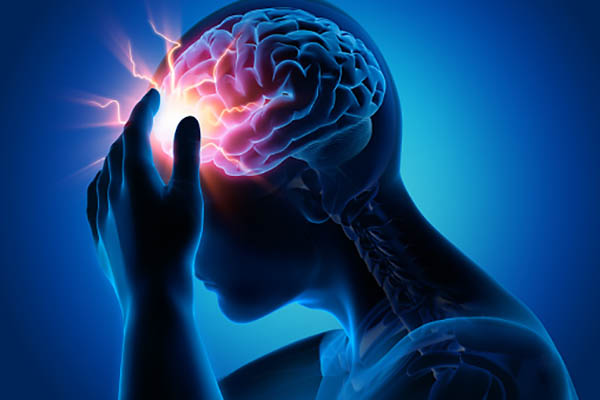
Migraines are complex neurological disorders involving abnormal brain activity that affects nerve signals, chemicals, and blood vessels. They’re not simply bad headaches—migraines represent a distinct medical condition with specific characteristics, triggers, and treatment approaches.
A migraine attack typically progresses through distinct phases, though not everyone experiences all stages. The prodrome phase occurs hours to days before headache onset, with symptoms including mood changes, food cravings, neck stiffness, increased urination, and fluid retention. The aura phase affects about 25% of migraine sufferers, involving temporary sensory disturbances including visual changes like flashing lights, blind spots, or zigzag patterns, sensory symptoms like tingling or numbness, and speech difficulties.
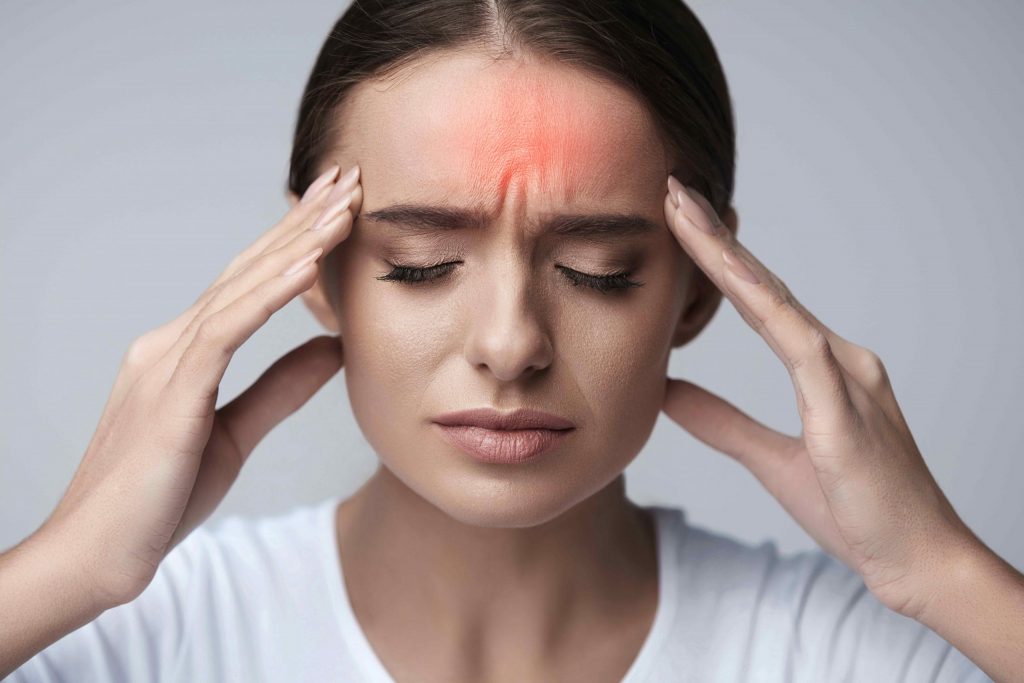
The headache phase features intense, throbbing pain typically on one side of the head but sometimes bilateral. This pain worsens with physical activity and is accompanied by nausea, vomiting, and extreme sensitivity to light, sound, and sometimes smells. The postdrome phase follows headache resolution, leaving many feeling drained, confused, or washed out for up to 24 hours—often called a “migraine hangover.”
Types of Migraines
Migraine without aura (common migraine) represents the most prevalent type, accounting for about 75% of cases. These involve moderate to severe headaches lasting 4-72 hours without preceding aura symptoms.
Migraine with aura (classic migraine) includes reversible visual, sensory, or language symptoms preceding or accompanying the headache. Auras typically develop gradually over 5-20 minutes and last less than 60 minutes.
Chronic migraine involves 15 or more headache days per month, with at least 8 days featuring migraine characteristics, persisting for more than three months. This severely impacts quality of life and requires specialized management.
Hemiplegic migraine, a rare type, causes temporary paralysis or neurological symptoms on one side of the body, sometimes mimicking stroke symptoms. Menstrual migraine occurs in relation to the menstrual cycle due to hormonal fluctuations.
Recognizing Critical Warning Signs and Symptoms
Understanding migraine symptoms helps distinguish them from other headache types and signals when to seek immediate medical attention.
Classic Migraine Symptoms
Moderate to severe throbbing or pulsating pain, typically on one side of the head, characterizes migraines. Pain worsens with routine physical activity like walking or climbing stairs. Nausea and vomiting frequently accompany the headache, sometimes becoming severe. Extreme sensitivity to light (photophobia) forces many people to seek dark, quiet rooms. Sound sensitivity (phonophobia) makes normal noise levels unbearable. Some people experience heightened sensitivity to smells.
Aura Symptoms
Visual disturbances represent the most common aura type, including bright spots or flashes, zigzag lines moving across the visual field, temporary blind spots, or tunnel vision. Sensory auras cause pins-and-needles sensations, typically starting in the hand and spreading up the arm to the face. Speech and language difficulties may include trouble finding words or slurred speech.
When to Seek Emergency Care
Certain symptoms require immediate medical evaluation. Sudden, severe “thunderclap” headache reaching maximum intensity within seconds may indicate serious conditions like brain hemorrhage. Headache with fever, stiff neck, confusion, seizures, double vision, weakness, or numbness could signal infections or other neurological emergencies. First-time severe headache after age 50, headache following head injury, or progressively worsening headache pattern all warrant prompt evaluation.
According to the American Migraine Foundation, recognizing migraine patterns and triggers empowers patients to implement effective prevention strategies and seek appropriate treatment before attacks become severe.
Common Triggers and Risk Factors
Identifying your specific migraine triggers enables proactive avoidance and better attack management.
Hormonal Fluctuations
Women experience migraines three times more frequently than men, primarily due to hormonal influences. Menstruation, pregnancy, and menopause significantly affect migraine patterns. Many women experience migraines just before or during periods when estrogen levels drop. Oral contraceptives and hormone replacement therapy may worsen or improve migraines depending on individual responses.
Dietary Triggers
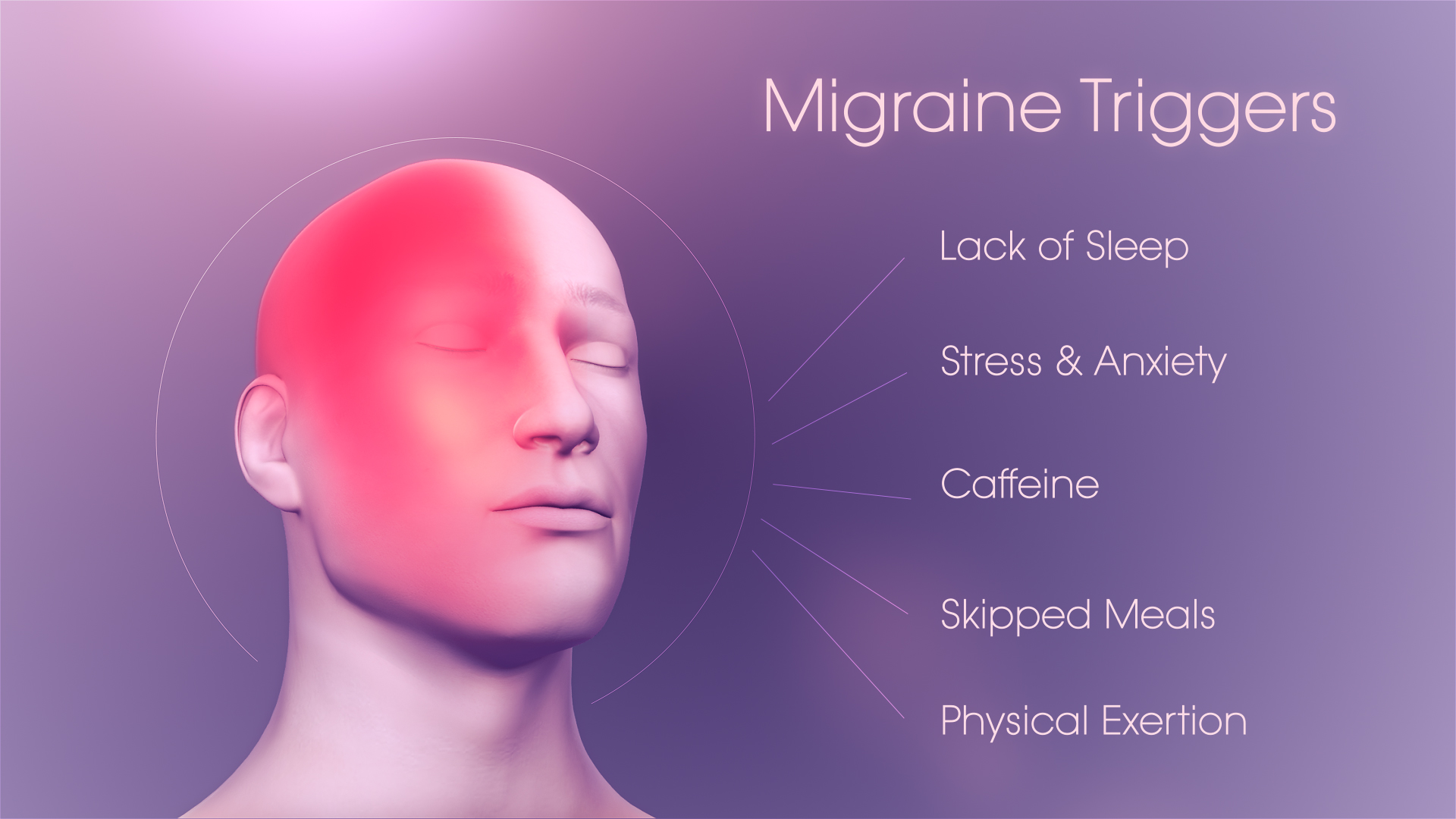
Common food triggers include aged cheeses containing tyramine, processed meats with nitrates, alcohol especially red wine, caffeine in excess or sudden withdrawal, artificial sweeteners like aspartame, and monosodium glutamate (MSG). Skipping meals or fasting triggers migraines in many people. Dehydration represents a significant but easily preventable trigger.
Environmental and Sensory Triggers
Bright lights, fluorescent lighting, strong smells including perfumes or cigarette smoke, loud sounds, and weather changes particularly barometric pressure fluctuations all trigger migraines in susceptible individuals.
Lifestyle Factors
Stress and anxiety represent major migraine triggers. Interestingly, the “let-down” period after stress often triggers attacks. Poor sleep quality, whether too little or too much sleep, disrupts patterns that trigger migraines. Maintaining consistent sleep schedules helps prevent attacks. Intense physical exertion may trigger migraines in some people, though regular moderate exercise typically helps prevent them.
Medications
Certain medications trigger or worsen migraines, including vasodilators, oral contraceptives, and medication overuse. Taking pain relievers more than 10-15 days monthly can cause medication-overuse headaches, creating a vicious cycle.
Comprehensive Diagnostic Approaches
No single test diagnoses migraines. Diagnosis relies on characteristic symptom patterns and excluding other conditions.
Medical History and Physical Examination

Your healthcare provider will explore headache characteristics including location, quality, severity, duration, frequency, associated symptoms, triggers, and family history. Physical and neurological examinations identify signs of other conditions requiring different treatment.
Headache Diary
Keeping detailed headache diaries for several weeks provides invaluable diagnostic and management information. Record date and time of headache onset, warning signs or aura symptoms, pain characteristics and location, severity on a 0-10 scale, associated symptoms, duration, triggers or preceding activities, medications taken and effectiveness, and menstrual cycle for women.
Imaging and Testing
Brain imaging with MRI or CT isn’t routinely necessary for typical migraine patterns but may be ordered for atypical features, sudden onset severe headache, neurological symptoms persisting beyond the aura phase, or significant change in established headache patterns. These tests rule out structural abnormalities, tumors, or vascular problems.
Blood tests may check for conditions mimicking migraines, including thyroid disorders, infections, or vitamin deficiencies.
Powerful Treatment Strategies That Deliver Relief
Migraine treatment involves both acute therapies stopping active attacks and preventive strategies reducing frequency and severity.
Acute Migraine Treatments
Over-the-counter pain relievers including acetaminophen, ibuprofen, naproxen, and aspirin help mild to moderate migraines, especially when taken early. Combination medications containing caffeine may enhance effectiveness. However, limit use to prevent medication-overuse headaches.
Triptans represent the gold standard for moderate to severe migraines, including sumatriptan, rizatriptan, and zolmitriptan. These medications work by binding to serotonin receptors, reducing inflammation and constricting blood vessels. They’re most effective when taken early during an attack. Triptans come in various forms including tablets, nasal sprays, and injections, offering options for people experiencing nausea.
CGRP antagonists like ubrogepant and rimegepant offer newer acute treatment options, particularly for people who can’t take triptans due to cardiovascular concerns. These block calcitonin gene-related peptide involved in migraine attacks.
Anti-nausea medications including metoclopramide or prochlorperazine help manage nausea and may enhance pain medication absorption. Some possess pain-relieving properties themselves.
Preventive Medications
Daily preventive medications are recommended for people experiencing four or more migraine days monthly, severe disability despite acute treatment, or contraindications to acute therapies.
Beta-blockers like propranolol and metoprolol effectively prevent migraines, though the mechanism isn’t fully understood. These also treat high blood pressure and anxiety.
Antidepressants, particularly amitriptyline and venlafaxine, prevent migraines even in people without depression. They modify neurotransmitter levels involved in pain perception.
Anti-seizure medications including topiramate and valproic acid reduce migraine frequency. Topiramate may cause weight loss, while valproic acid is contraindicated during pregnancy due to birth defect risks.
CGRP monoclonal antibodies represent groundbreaking preventive treatments specifically designed for migraines. Erenumab, fremanezumab, galcanezumab, and eptinezumab are given as monthly or quarterly injections or infusions. These medications significantly reduce migraine frequency with relatively few side effects for many patients.
Botulinum Toxin Injections
Botox injections around the head and neck every 12 weeks effectively prevent chronic migraines (15 or more headache days monthly). Multiple injections in specific locations block pain signal transmission.
Neuromodulation Devices
FDA-approved devices offer non-medication preventive and acute treatment options. Single-pulse transcranial magnetic stimulation applies brief magnetic pulses to the back of the head. Vagus nerve stimulation involves a handheld device placed on the neck. These options appeal to people preferring non-pharmaceutical approaches or unable to tolerate medications.
Essential Lifestyle Modifications and Self-Care
Lifestyle changes form the foundation of migraine management, often reducing attack frequency as effectively as medications.
Establish Regular Routines
Maintain consistent sleep schedules, going to bed and waking at the same times daily, even weekends. Most adults need 7-9 hours nightly. Avoid oversleeping, which can trigger migraines as readily as insufficient sleep.
Eat regular meals, never skipping breakfast or going more than four hours without eating during waking hours. Maintain stable blood sugar through balanced meals combining protein, complex carbohydrates, and healthy fats.
Stay Hydrated
Dehydration is a common, preventable migraine trigger. Drink adequate water throughout the day—typically 8-10 cups—adjusting for activity level and climate. Limit dehydrating beverages including alcohol and excessive caffeine.
Since stress represents a major trigger, developing effective stress management techniques is crucial. Practice relaxation methods including progressive muscle relaxation, deep breathing exercises, meditation or mindfulness, and biofeedback training. Regular physical activity reduces stress and may prevent migraines through multiple mechanisms.
Exercise Regularly
Moderate aerobic exercise like walking, swimming, or cycling performed regularly helps prevent migraines. Start slowly and increase intensity gradually, as sudden intense exertion may trigger attacks. Aim for at least 150 minutes of moderate activity weekly. Explore appropriate workout routines matching your fitness level.
Optimize Your Environment
Wear sunglasses outdoors and use filters on screens to reduce light sensitivity. Take regular breaks from computer work using the 20-20-20 rule—every 20 minutes, look at something 20 feet away for 20 seconds. Avoid strong perfumes and scented products. Use humidifiers or air purifiers to improve indoor air quality.
Dietary Considerations
While trigger foods vary individually, some general guidelines help. Maintain balanced nutrition with regular meals. Identify personal triggers through systematic elimination—remove suspected foods for 2-4 weeks, then reintroduce one at a time while monitoring symptoms. Common triggers don’t affect everyone—avoid unnecessary dietary restrictions based solely on general lists.
Consider magnesium supplementation, as deficiency may contribute to migraines. Riboflavin (vitamin B2) and coenzyme Q10 supplements show promise in some studies for migraine prevention. Discuss supplements with your healthcare provider before starting.
Limit Caffeine Wisely
Moderate caffeine consumption may help some people and trigger migraines in others. Consistency matters most—avoid dramatic fluctuations in caffeine intake. If you consume caffeine regularly, maintain consistent daily amounts and avoid sudden cessation causing withdrawal headaches.
Alternative and Complementary Therapies
Several non-pharmaceutical approaches show effectiveness for migraine management.
Acupuncture
Multiple studies demonstrate acupuncture’s effectiveness in reducing migraine frequency and intensity. Regular sessions with qualified practitioners provide relief for many people, though mechanisms remain unclear.
CBT helps identify and modify thoughts and behaviors contributing to migraine frequency and severity. This approach is particularly valuable for stress-related migraines and improving coping strategies.
Biofeedback
This technique teaches you to control physiological processes like muscle tension and skin temperature. Regular biofeedback training can reduce migraine frequency and severity.
Herbal Supplements
Feverfew and butterbur (PA-free formulations only) demonstrate some effectiveness in migraine prevention, though evidence quality varies. Always discuss herbal supplements with healthcare providers, as they can interact with medications and aren’t regulated like pharmaceuticals.
Living Successfully With Migraines
Migraines significantly impact mental wellness, relationships, work, and overall quality of life. Developing comprehensive management strategies extends beyond medical treatment.
Build Your Support Network
Share your condition with family, friends, and employers so they understand when attacks occur. Join support groups—online or in-person—connecting with others managing similar challenges. Consider counseling to address the emotional impact of living with chronic migraines.
Develop an Attack Action Plan
Create a written plan for managing attacks including early warning signs to watch for, specific medications to take and when, comfort measures that help, and when to seek emergency care. Share this plan with family members who can assist during severe attacks.
Workplace Accommodations
Under the Americans with Disabilities Act, you may be entitled to reasonable accommodations including flexible scheduling for medical appointments, ability to work in quiet, dim environments, and breaks during attacks. Discuss your needs openly with supervisors or human resources.
Maintain Hope and Perspective
While migraines currently lack a cure, continuous research brings new treatment options. Many people achieve excellent control through combinations of medications, lifestyle modifications, and complementary therapies. With persistence and comprehensive care, you can significantly reduce migraine’s impact on your life.
Frequently Asked Questions About Migraines
What’s the difference between migraines and regular headaches?
Migraines are distinct neurological disorders with specific characteristics including moderate to severe throbbing pain typically on one side, nausea, and sensitivity to light and sound. Regular tension headaches cause steady pressure or tightness on both sides without these associated symptoms. Migraines last 4-72 hours untreated, while tension headaches vary more widely. Migraines often include warning signs, auras, and distinct phases absent in typical headaches.
Can migraines be cured?
Currently, migraines cannot be cured, but they can be very effectively managed. Many people achieve significant reduction in attack frequency and severity through preventive medications, trigger avoidance, and lifestyle modifications. Some people experience spontaneous improvement over time, particularly after menopause. Ongoing research continues developing new treatments offering hope for even better control.
Are migraines hereditary?
Yes, genetics play a significant role. Having one parent with migraines increases your risk by about 50%, while having two affected parents raises risk to 75%. However, genetics aren’t destiny—environmental factors and triggers also significantly influence whether susceptible individuals develop migraines. Not everyone with genetic predisposition experiences migraines.
Can children get migraines?
Yes, migraines affect children, though symptoms may differ from adults. Children often experience shorter attacks, bilateral pain, and more prominent gastrointestinal symptoms. About 10% of school-age children and up to 28% of adolescents experience migraines. Childhood migraines require different management approaches than adult migraines, with emphasis on lifestyle modifications and avoiding medication overuse.
Will migraines damage my brain?
No, migraines don’t cause permanent brain damage or increase dementia risk. While some imaging studies show subtle changes in people with chronic migraines, these don’t appear clinically significant. However, migraines significantly impact quality of life and warrant proper treatment regardless of structural effects.
How long do migraines last?
Untreated or unsuccessfully treated migraines last 4-72 hours. Some people experience status migrainosus—severe migraines lasting more than 72 hours requiring emergency treatment. With effective acute treatment, migraines may resolve within hours. Duration varies based on migraine type, severity, triggers, and treatment timing.
Can weather really trigger migraines?
Yes, weather changes—particularly barometric pressure fluctuations—trigger migraines in many people. High humidity, temperature extremes, and bright sunlight also affect susceptible individuals. While you can’t control weather, tracking patterns helps anticipate attacks and take preventive measures during high-risk periods.
Should I go to the emergency room for a migraine?
Go to the emergency room if you experience sudden, severe “thunderclap” headache, headache with fever, stiff neck, confusion, or neurological symptoms, first severe headache, or migraine lasting more than 72 hours (status migrainosus). For typical migraines not responding to home treatment but without dangerous symptoms, contact your healthcare provider for guidance rather than automatically going to the ER.