
Discover how epigenetics influences gene expression, impacts major diseases, and opens new frontiers in personalized medicine. This comprehensive guide explains the science, real-life implications, and future of epigenetic therapies.
Introduction
For years, scientists believed that our genes were fixed blueprints, an unchangeable instructions inherited from our parents. But modern research reveals a powerful truth: your lifestyle, environment, and daily choices can switch genes on or off. This biological magic is known as epigenetics.
Epigenetics explains why identical twins can develop different diseases, why stress affects immunity, and how nutrition can influence future generations.
This article explores the profound role of epigenetics in health and disease, its mechanisms, clinical applications, and how you can use epigenetic insights to improve your well-being.
What Is Epigenetics?
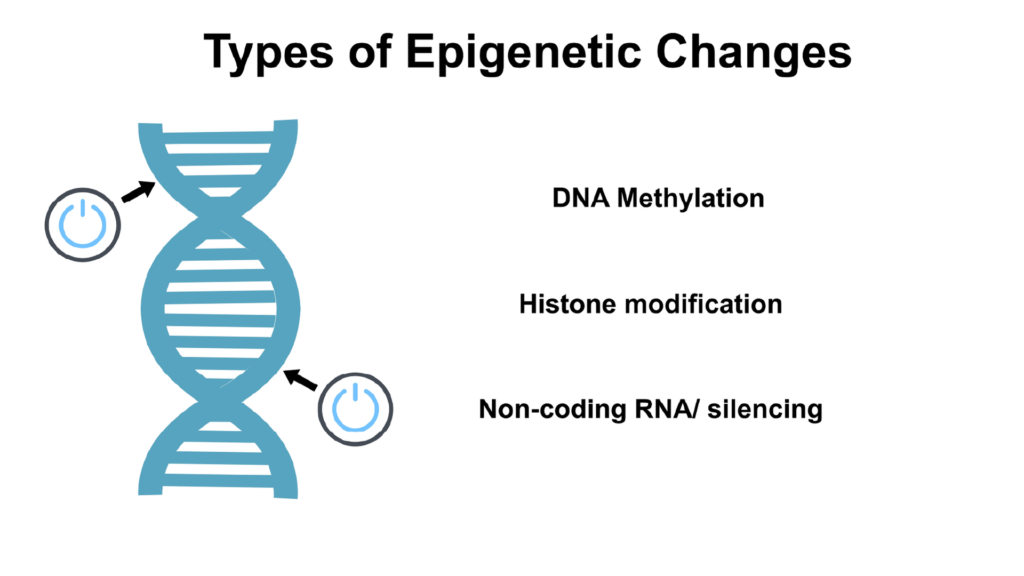
Epigenetics refers to chemical modifications on DNA or associated proteins that regulate gene activity without altering the genetic sequence. Think of genes as hardware and epigenetics as the software that tells them when, where, and how to operate.
Key Epigenetic Mechanisms
- DNA Methylation – The addition of methyl groups that silence genes.
- Histone Modification – Changes to histone proteins that determine whether DNA is tightly packed or accessible for gene expression.
- Non-coding RNAs – Molecules that regulate gene expression at the post-transcriptional level.
These mechanisms help the body respond to environmental changes in real time.
How Epigenetics Influences Health
Epigenetics plays a crucial role in how the body functions daily. It affects processes such as cell differentiation, metabolism, immunity, and aging.
1. Nutrition and Epigenetics
Foods rich in folate, vitamin B12, polyphenols, and omega-3 fatty acids influence methylation patterns. Diets can either promote beneficial gene expression or trigger harmful changes.
Examples:
- Green tea polyphenols activate tumor-suppressor genes.
- Processed foods may promote inflammation-related epigenetic changes.
2. Stress and Emotional Trauma
Chronic stress elevates cortisol levels, which affect epigenetic markers linked to mental health disorders such as depression and anxiety.
Trauma experienced early in life can create epigenetic changes that persist into adulthood.
3. Exercise and Epigenetic Reprogramming
Physical activity has been shown to activate genes linked to fat burning, muscle regeneration, and reduced inflammation.
Even a single exercise session can produce measurable epigenetic changes.
4. Environmental Exposures
Pollutants, toxins, heavy metals, and smoking introduce harmful epigenetic modifications that increase disease risk.
Epigenetics and Disease: A Deep Dive
1. Cancer
Cancer is one of the most studied epigenetic diseases. Abnormal DNA methylation patterns can silence tumor-suppressor genes or activate cancer-promoting genes.
Emerging epigenetic therapies are now used in treating some cancers with promising outcomes.
2. Cardiovascular Disease
Epigenetic changes affect cholesterol metabolism, blood pressure regulation, and inflammation, the key contributors to heart disease.
3. Diabetes
Lifestyle factors such as high-sugar diets and obesity influence epigenetic markers involved in insulin resistance.
4. Neurological Disorders
Conditions like Alzheimer’s disease, autism spectrum disorders, and schizophrenia reveal strong epigenetic components. Certain epigenetic markers serve as early-detection tools.
5. Autoimmune Diseases
Diseases such as lupus and rheumatoid arthritis involve epigenetic dysregulation of immune cells.
6. Infectious Diseases
Viruses like HIV and SARS-CoV-2 can modify host epigenetic patterns to suppress immunity.
Epigenetics in Medicine: The Future of Personalized Healthcare
Epigenetics is paving the way for precision medicine—care tailored to an individual’s biological makeup.
1. Epigenetic Diagnostics
Blood-based epigenetic biomarkers help detect cancers and chronic diseases before symptoms appear.
2. Epigenetic Drugs
FDA-approved therapies like HDAC inhibitors and DNMT inhibitors treat cancers by correcting abnormal gene expression.
3. Reversible Gene Regulation
One of the most promising features of epigenetics is its reversibility. Unlike genetic mutations, epigenetic changes can often be undone.
Real-World Applications of Epigenetic Research
Researchers around the world are uncovering how diet, lifestyle, and environment shape gene expression.
For example, studies published in leading journals (such as those referenced on medical education websites like Healthline) demonstrate how epigenetics influences weight loss, mental health, and overall well-being.
Can You Improve Your Epigenetic Health? Yes!
Here’s how you can positively influence your gene expression:
1. Eat an Anti-Inflammatory Diet
Prioritize foods like:
- Leafy greens
- Berries
- Nuts and seeds
- Fatty fish
- Green tea
2. Exercise Regularly
Aim for:
- 30 minutes of moderate-intensity exercise daily
- Strength training at least twice per week

3. Get Quality Sleep
Sleep restores epigenetic stability and reduces inflammation.
4. Manage Stress
Practices such as yoga, meditation, and deep breathing restore favorable methylation patterns.
5. Avoid Environmental Toxins
Reduce exposure to:
- Cigarette smoke
- Industrial pollutants
- Heavy metals
- Harmful household chemicals
Frequently Asked Questions (FAQs)
1. Can epigenetic changes be passed to future generations?
Yes. Some epigenetic modifications can be inherited, influencing the health of children and grandchildren.
2. Can lifestyle changes reverse harmful epigenetic patterns?
Many epigenetic markers are reversible, especially those influenced by diet, stress management, and physical activity.
3. Is epigenetics the same as genetics?
No. Genetics refers to DNA sequences, while epigenetics regulates how those sequences are expressed.
4. Can epigenetics predict diseases?
Epigenetic biomarkers are increasingly used to detect early signs of cancer, metabolic disorders, and neurodegenerative diseases.
5. Are epigenetic drugs safe?
Most are still under clinical study, but several approved therapies show promising results with manageable side effects.
For additional guidance on maintaining long-term health, read our article on child health and managing infections.
Conclusion
Epigenetics reveals a powerful truth, your genes are not your destiny. The environment you create, the food you eat, the stress you carry, and the lifestyle you adopt all shape the way your genes behave.
Understanding epigenetics empowers you to take control of your health, reduce disease risks, and improve your quality of life.