
Discover how bacteriophage therapy is revolutionizing modern medicine as a powerful alternative to antibiotics. Learn about its effectiveness against antibiotic-resistant bacteria, treatment process, success rates, and future potential in combating superbugs.
Introduction
The global healthcare crisis of antibiotic resistance threatens to reverse decades of medical progress, with the World Health Organization warning that drug-resistant infections could cause 10 million deaths annually by 2050. As conventional antibiotics lose their effectiveness against increasingly resilient superbugs, medical researchers are turning to an unexpected ally that predates modern medicine by billions of years: bacteriophages. These virus warriors offer a revolutionary approach to fighting bacterial infections, and bacteriophage therapy is emerging as one of the most promising alternatives to traditional antibiotics.
Understanding Bacteriophage Therapy: Nature’s Precision Medicine
Bacteriophage therapy involves using naturally occurring viruses called bacteriophages or simply “phages” to target and destroy harmful bacteria. Unlike broad-spectrum antibiotics that indiscriminately kill both beneficial and harmful bacteria, phages operate with remarkable specificity, attacking only their targeted bacterial hosts while leaving the body’s beneficial microbiome intact.
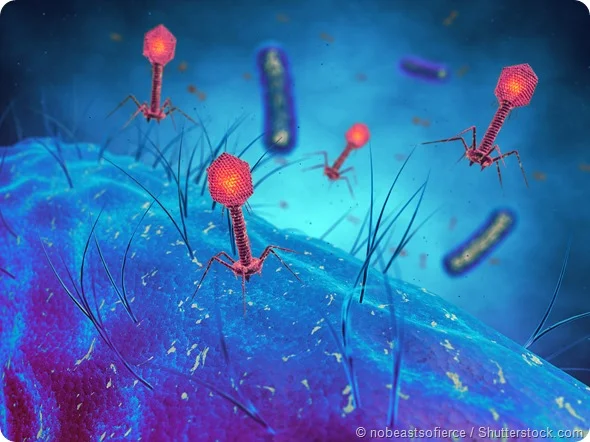
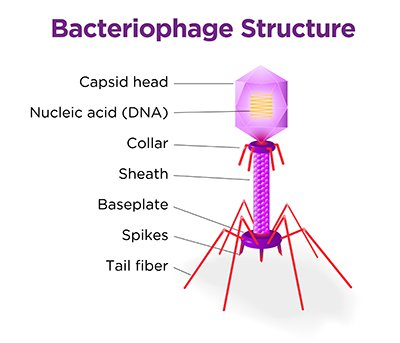
Discovered independently by Frederick Twort in 1915 and Félix d’Hérelle in 1917, phages are the most abundant biological entities on Earth, with an estimated 10³¹ particles existing in our biosphere. These microscopic predators inject their genetic material into bacterial cells, hijacking the bacterial machinery to produce more phages until the cell bursts, releasing new viral particles to continue the infection cycle.
The specificity of bacteriophage therapy represents a paradigm shift in how we approach bacterial infections. Each phage strain typically targets a specific bacterial species or even particular strains within that species, making this approach the ultimate personalized medicine for infectious diseases.
The Growing Crisis of Antibiotic Resistance
Before exploring why bacteriophage therapy represents such a critical breakthrough, it’s essential to understand the severity of the antibiotic resistance crisis facing modern healthcare. Since Alexander Fleming’s discovery of penicillin in 1928, antibiotics have saved countless millions of lives. However, the overuse and misuse of these drugs in human medicine, agriculture, and animal husbandry have accelerated bacterial evolution, creating “superbugs” that resist multiple antibiotics.
Methicillin-resistant Staphylococcus aureus (MRSA), carbapenem-resistant Enterobacteriaceae (CRE), and multidrug-resistant tuberculosis exemplify the dangerous pathogens that now threaten routine medical procedures. Common surgeries, cancer chemotherapy, and organ transplants all depend on effective antibiotics to prevent infections, and without them, these procedures become far riskier.
The pharmaceutical pipeline for new antibiotics has slowed to a trickle, with major companies abandoning antibiotic development due to economic challenges and regulatory hurdles. This perfect storm of increasing resistance and decreasing innovation has created an urgent need for alternative treatment strategies, positioning bacteriophage therapy as a beacon of hope in this darkening landscape.
How Bacteriophage Therapy Works
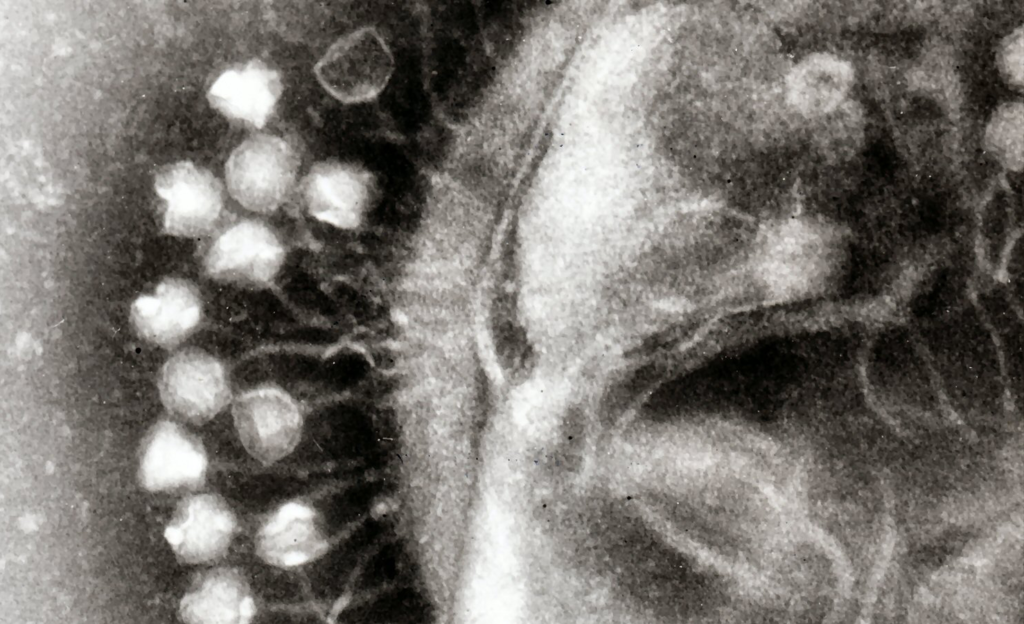
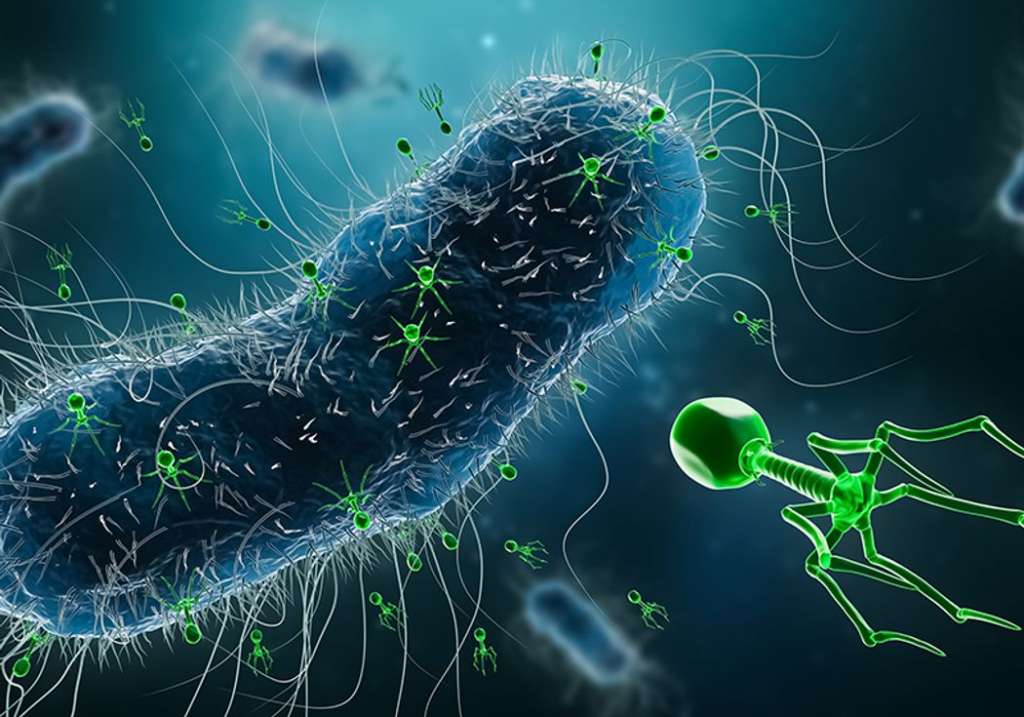
The mechanism of bacteriophage therapy elegantly exploits the natural predator-prey relationship between viruses and bacteria. When administered to a patient, therapeutic phages seek out their bacterial targets through chemical recognition of specific surface receptors. Upon finding a compatible host, the phage attaches to the bacterial cell wall and injects its genetic material.
Once inside, the phage commandeers the bacterial cell’s reproductive machinery, forcing it to produce hundreds of new phage particles. This process, called the lytic cycle, culminates in the bacterial cell rupturing and releasing the newly formed phages to infect neighboring bacteria. This self-amplifying cascade continues until the bacterial population is decimated.
What makes bacteriophage therapy particularly powerful is the co-evolutionary arms race between phages and bacteria. As bacteria develop resistance mechanisms against specific phages, researchers can quickly identify or engineer new phage variants that overcome these defenses. This adaptability contrasts sharply with traditional antibiotics, where developing new drugs takes years and costs billions of dollars.
Modern phage therapy typically employs phage cocktails with combinations of multiple phage strains targeting the same bacterial species through different mechanisms. This multi-pronged approach reduces the likelihood of bacterial resistance and increases treatment efficacy across diverse bacterial populations.
Clinical Applications and Success Stories
Bacteriophage therapy has demonstrated remarkable success in treating infections that defeated conventional antibiotics. At the University of California San Diego, Dr. Tom Patterson’s near-death experience with a multidrug-resistant Acinetobacter baumannii infection became a watershed moment for phage therapy in the United States. After falling into a coma with no effective antibiotic options remaining, Patterson received emergency compassionate-use phage therapy. The treatment proved successful, saving his life and catalyzing renewed American interest in this therapeutic approach.
The Center for Innovative Phage Applications and Therapeutics (IPATH) at UC San Diego now treats patients with life-threatening antibiotic-resistant infections using bacteriophage therapy. Their clinical experiences have demonstrated efficacy against various pathogens, including Pseudomonas aeruginosa, Staphylococcus aureus, and Escherichia coli.
In Eastern Europe, particularly in Georgia and Poland, phage therapy has maintained continuous medical use since the 1920s. The Eliava Institute in Tbilisi, Georgia, houses one of the world’s largest collections of therapeutic phages and has treated thousands of patients with chronic bacterial infections. Their extensive clinical experience provides valuable insights into long-term safety and effectiveness, with published case studies showing success rates between 80-95% for carefully matched phage-bacteria combinations.
Chronic wound infections, particularly in diabetic patients, represent another promising application. Traditional antibiotics often fail to penetrate biofilms, a protective bacterial communities that form on wound surfaces. Phages, however, can penetrate these biofilms and produce enzymes that degrade the protective matrix while destroying the bacteria within. Clinical trials have shown promising results in treating diabetic foot ulcers, burn wound infections, and post-surgical site infections using topical phage preparations.
Advantages Over Traditional Antibiotics
The benefits of bacteriophage therapy extend far beyond simply providing an alternative when antibiotics fail. The specificity of phages means they spare beneficial bacteria that maintain gut health, immune function, and nutrient metabolism. This selective targeting minimizes the disruption to the microbiome that commonly occurs with broad-spectrum antibiotic use, reducing complications like Clostridioides difficile infections and antibiotic-associated diarrhea.
Phages also demonstrate excellent tissue penetration, reaching infection sites that antibiotics struggle to access. Their small size allows them to traverse tight biological barriers, while their self-replicating nature means they amplify at the infection site, effectively concentrating the therapeutic agent exactly where needed. As the bacterial population diminishes, phage numbers naturally decline, providing a self-limiting treatment that reduces the risk of side effects.
The environmental safety profile of bacteriophage therapy deserves special mention. Unlike antibiotics that persist in wastewater and soil, contributing to widespread resistance development, phages are highly specific biological entities that don’t create the same environmental selection pressures. They break down naturally after their bacterial hosts are eliminated, leaving no toxic residues.
Cost-effectiveness represents another significant advantage, particularly for developing nations. While initial phage isolation and characterization require sophisticated laboratory capabilities, production costs remain relatively low compared to pharmaceutical antibiotics. The ability to rapidly adapt and update phage cocktails as bacterial populations evolve provides long-term economic sustainability that the current antibiotic model cannot match.
Challenges and Limitations
Despite its tremendous promise, bacteriophage therapy faces several challenges that have slowed its widespread adoption, particularly in Western medicine. The regulatory framework for phage therapy remains ambiguous in many countries, including the United States, where the FDA lacks established pathways for approving phage preparations. The personalized nature of phage therapy where treatment may be customized for individual patients’ bacterial strains, doesn’t fit neatly into existing pharmaceutical approval processes designed for standardized drug products.
The need for precise bacterial identification before treatment represents both a strength and a limitation. While this specificity ensures targeted therapy, it requires accurate diagnostic testing to identify the causative pathogen and select appropriate phages. This process can take several days, potentially delaying treatment in acute infections where time is critical. Researchers are developing rapid diagnostic methods and broad-spectrum phage cocktails to address this challenge.
Bacterial resistance to phages, while manageable through cocktail approaches and phage adaptation, remains a concern requiring ongoing monitoring and research. Some bacteria can modify their surface receptors, preventing phage attachment, or develop immune-like systems such as CRISPR-Cas that target and destroy phage genetic material.
The pharmaceutical industry’s limited interest in phage therapy development reflects economic realities rather than scientific skepticism. Phages cannot be patented in the traditional sense since they occur naturally, making it difficult to establish the market exclusivity that drives pharmaceutical investment. This has left phage therapy development largely to academic institutions, government agencies, and specialized biotechnology companies.
What Makes an Ideal Candidate for Bacteriophage Therapy?
Understanding who benefits most from bacteriophage therapy helps clarify its role in modern medicine. Patients with chronic antibiotic-resistant infections represent the primary candidates, particularly those with limited or no remaining antibiotic options. This includes individuals suffering from prosthetic joint infections, chronic osteomyelitis, cystic fibrosis-associated lung infections, and recurrent urinary tract infections caused by multidrug-resistant bacteria.
Patients allergic to multiple antibiotics or those experiencing severe antibiotic side effects also benefit from phage therapy’s targeted approach. The treatment proves particularly valuable for immunocompromised individuals, including organ transplant recipients and cancer patients undergoing chemotherapy, who face elevated infection risks and may tolerate antibiotics poorly.
Current treatment protocols typically involve identifying the specific bacterial strain causing infection through culture and susceptibility testing, then selecting or isolating phages that effectively target that strain. The phages may be administered intravenously, topically, orally, or directly to the infection site depending on the infection’s location and nature. Treatment courses vary from days to weeks, with clinical monitoring to assess bacterial clearance and adjust therapy as needed.
The Future of Bacteriophage Therapy
The renaissance of interest in bacteriophage therapy is driving innovative research and development worldwide. Scientists are engineering synthetic phages with enhanced capabilities, including broader host ranges, improved biofilm penetration, and reduced resistance development. These designer phages can be programmed to deliver additional therapeutic payloads, such as CRISPR-Cas systems that edit bacterial genes or compounds that enhance antibiotic effectiveness when used in combination therapy.
The concept of phage-antibiotic synergy represents an exciting frontier, where low-dose antibiotics combined with targeted phages produce superior outcomes compared to either treatment alone. This approach may extend the useful life of existing antibiotics while reducing the selective pressure that drives resistance development.
Personalized phage therapy is becoming increasingly feasible as diagnostic technologies advance. Rapid whole-genome sequencing of bacterial pathogens, combined with extensive phage libraries and computational matching algorithms, promises to deliver tailored treatments within hours rather than days. Some institutions are establishing “phage banks”—repositories of characterized phages that can be quickly deployed against common pathogens.
Global collaboration is accelerating phage therapy research through international consortia sharing knowledge, protocols, and phage collections. The establishment of dedicated phage therapy centers in the United States, Australia, Belgium, and other countries signals growing medical acceptance and regulatory evolution.
Preventive applications of bacteriophage therapy are under investigation, including phage-containing coatings for medical devices, food safety applications to reduce bacterial contamination, and agricultural uses to protect crops and livestock without antibiotics. These prophylactic approaches could dramatically reduce infection rates while minimizing antibiotic use across multiple sectors.
Addressing Common Questions About Bacteriophage Therapy
Many people wonder whether bacteriophage therapy causes side effects similar to antibiotics. Clinical experience shows that phage therapy is generally well-tolerated, with side effects typically mild and transient. Some patients experience temporary inflammation as bacteria release toxins during lysis, a phenomenon called the Jarisch-Herxheimer reaction, but this usually resolves quickly with supportive care. Unlike antibiotics, phages don’t cause allergic reactions, organ toxicity, or microbiome disruption.
The question of whether phages can infect human cells concerns many patients encountering this therapy for the first time. The answer is definitively no—bacteriophages are exquisitely specialized to infect only bacterial cells. They cannot recognize, bind to, or enter human cells, making them inherently safe for human use. Humans encounter billions of phages daily through food, water, and environmental exposure without any adverse effects.
Regarding how quickly bacteriophage therapy works compared to antibiotics, the timeline varies depending on infection severity and location. Some patients show improvement within 24-48 hours, while chronic infections may require weeks of treatment. The self-amplifying nature of phages means therapeutic levels build rapidly at infection sites, often producing faster bacterial clearance than would occur with antibiotics in resistant infections.
The accessibility of bacteriophage therapy remains limited but expanding. In the United States, treatment is available through compassionate use programs at specialized centers for patients with serious antibiotic-resistant infections. Several countries in Eastern Europe offer phage therapy as a standard treatment option, and commercial phage products are available for specific applications. As regulatory frameworks evolve and clinical evidence accumulates, availability should increase significantly over the coming years.
Cost considerations naturally concern patients exploring bacteriophage therapy. Current expenses vary widely depending on the complexity of phage selection, production methods, and administration protocols. Compassionate-use treatments in the United States can be expensive, though many centers work with insurance companies and provide care through research protocols. As production scales and standardization increases, costs should decrease substantially. In countries with established phage therapy programs, treatment costs often prove comparable to or less than extended antibiotic courses.
Integrating Phage Therapy Into Modern Healthcare
The successful integration of bacteriophage therapy into mainstream medicine requires addressing regulatory, logistical, and educational challenges. Regulatory agencies worldwide are developing frameworks specifically adapted to phage therapy’s unique characteristics, including adaptive treatment protocols and rapid response capabilities for emerging resistant strains.
Healthcare providers need training in bacteriophage therapy principles, patient selection criteria, and treatment monitoring. Medical education programs are beginning to incorporate phage biology and therapeutic applications into infectious disease curricula, preparing the next generation of physicians for a post-antibiotic era where diverse antimicrobial strategies coexist.
Standardization efforts aim to establish quality control measures for phage preparations, dosing guidelines, and outcome metrics that facilitate evidence-based practice and regulatory approval. Large-scale clinical trials are underway examining phage therapy for various infections, generating the rigorous efficacy and safety data needed for widespread medical acceptance.
The development of combination therapies incorporating phages with antibiotics, immunomodulators, or other antimicrobial agents represents a pragmatic approach that leverages the strengths of multiple treatment modalities. Rather than viewing phage therapy as replacing antibiotics entirely, many experts envision a synergistic toolkit where clinicians select the most appropriate treatment or combination for each patient’s specific circumstances.
Conclusion
Bacteriophage therapy represents more than just another weapon against bacterial infections, it embodies a fundamental shift in how we conceptualize antimicrobial treatment. By harnessing natural biological relationships refined through billions of years of evolution, phage therapy offers precision, adaptability, and sustainability that conventional antibiotics cannot match.
As antibiotic resistance continues threatening modern medicine’s foundation, the question is no longer whether we should embrace bacteriophage therapy, but how quickly we can overcome the remaining barriers to its widespread implementation. The growing body of clinical evidence, technological advances in phage engineering and diagnostics, and increasing regulatory accommodation all point toward a future where phage therapy takes its rightful place alongside or perhaps ahead of traditional antibiotics.
For patients suffering from seemingly untreatable infections, healthcare providers seeking new tools against resistant pathogens, and societies grappling with the looming post-antibiotic age, bacteriophage therapy offers genuine hope. The revolution in infectious disease treatment has begun, and it arrives on the smallest of scales in the form of viral particles that have been winning battles against bacteria since long before humans existed to observe them.
The journey from obscurity to mainstream acceptance continues, driven by desperate need, scientific innovation, and the remarkable success stories of patients who found healing when conventional medicine had nothing left to offer. Bacteriophage therapy isn’t merely an alternative to antibiotics; it’s the future of personalized, sustainable antimicrobial treatment that works with nature rather than against it.