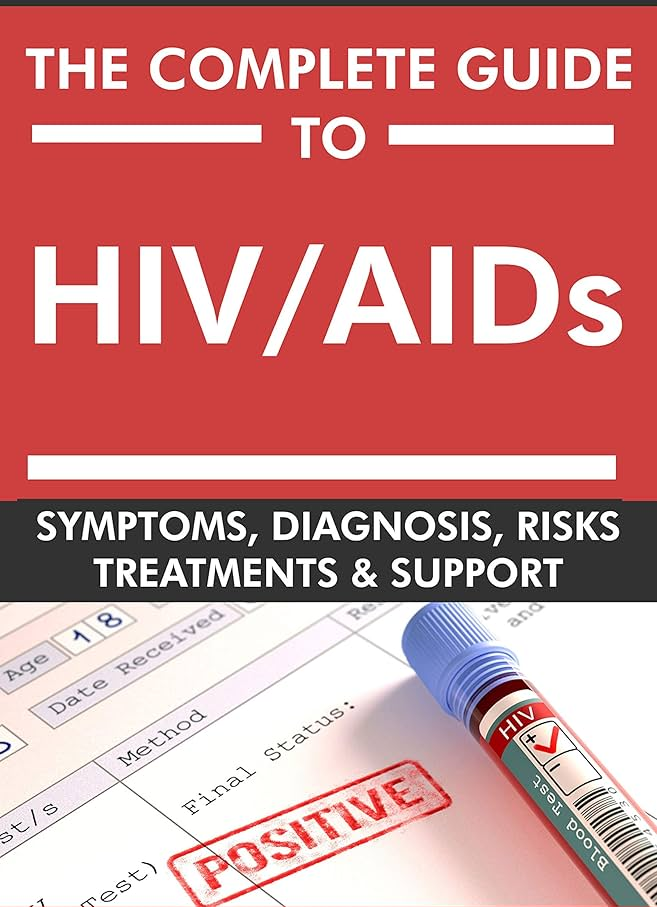

Understanding HIV stages, early warning symptoms, and transmission methods. Learn life-saving prevention strategies and treatment options.
Introduction
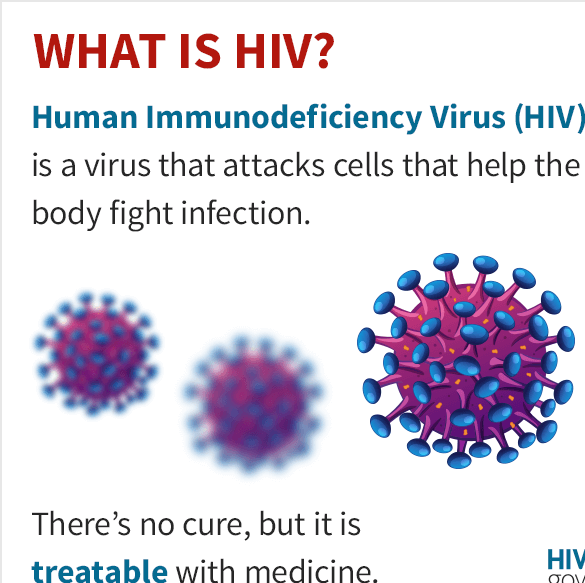
Human Immunodeficiency Virus (HIV) remains one of the most significant public health challenges worldwide, affecting millions of people across every continent. Despite decades of medical advancement and increased awareness, misconceptions about HIV persist, creating barriers to prevention, testing, and treatment. Understanding HIV: its stages, symptoms, and transmission methods, is essential for protecting yourself and others while reducing the stigma that surrounds this condition.
This comprehensive guide provides evidence-based information about HIV, empowering you with the knowledge needed to make informed decisions about your health and wellbeing.
What Is HIV? Breaking Down the Basics
HIV is a virus that attacks the body’s immune system, specifically targeting CD4 cells (T cells), which play a crucial role in fighting infections. Unlike some viruses that the immune system can eliminate, HIV cannot be completely removed from the body once contracted. Without proper treatment, HIV progressively weakens the immune system, making the body vulnerable to opportunistic infections and certain cancers.
It’s important to distinguish between HIV and AIDS (Acquired Immunodeficiency Syndrome). HIV is the virus itself, while AIDS represents the most advanced stage of HIV infection. Thanks to modern antiretroviral therapy (ART), many people living with HIV never progress to AIDS and can maintain healthy, productive lives.
According to the World Health Organization, approximately 39 million people worldwide were living with HIV at the end of 2022, highlighting the ongoing need for education and prevention efforts.
The Three Critical Stages of HIV Infection
Understanding the progression of HIV infection helps individuals recognize symptoms early and seek timely medical intervention. HIV develops through three distinct stages, each with unique characteristics and health implications.
Stage 1: Acute HIV Infection (Primary HIV Infection)
The acute stage occurs 2-4 weeks after initial exposure to the virus. During this period, the virus multiplies rapidly, and viral loads in the bloodstream reach extremely high levels, making transmission to others highly likely.
Characteristic symptoms during acute infection include:
- High fever (often above 100°F/38°C)
- Severe fatigue and body weakness
- Swollen lymph nodes, particularly in the neck and groin
- Sore throat and painful swallowing
- Rash, typically appearing on the torso
- Muscle aches and joint pain
- Night sweats
- Headaches
These symptoms resemble flu or mononucleosis, which is why acute HIV infection is often called “the worst flu ever.” Many people don’t realize they’ve contracted HIV during this stage, mistaking symptoms for a common illness. However, this is precisely when individuals are most contagious.
The acute stage typically lasts several weeks, and symptoms may disappear on their own as the body mounts an immune response. Unfortunately, the virus continues replicating silently.
Stage 2: Chronic HIV Infection (Clinical Latency)
Also called asymptomatic HIV infection or clinical latency, this stage can last a decade or longer without treatment. The virus continues reproducing at lower levels, but many people experience no symptoms during this phase.
Key characteristics of chronic HIV infection:
- Virus remains active but reproduces at very low levels
- People may feel healthy and show no symptoms
- Without treatment, progression continues despite lack of symptoms
- With proper ART treatment, individuals can remain in this stage indefinitely
- Transmission is still possible, though less likely with undetectable viral loads
This asymptomatic period is deceptive because the absence of symptoms doesn’t mean the absence of disease progression. Regular medical monitoring and adherence to ART are essential during this stage. When treatment keeps viral loads undetectable, people cannot transmit HIV sexually, there is a concept known as U=U (Undetectable = Untransmittable).
Stage 3: Acquired Immunodeficiency Syndrome (AIDS)
AIDS is the most severe stage of HIV infection, occurring when the immune system sustains significant damage. Without treatment, people with AIDS typically survive about three years. This stage is characterized by a severely compromised immune system, making the body vulnerable to opportunistic infections.
AIDS is diagnosed when one or both of these conditions exist:
- CD4 cell count drops below 200 cells per cubic millimeter of blood (healthy counts range from 500-1,600)
- Development of specific opportunistic infections or cancers
Common opportunistic infections and conditions associated with AIDS:
- Pneumocystis pneumonia (PCP)
- Tuberculosis (TB)
- Cytomegalovirus (CMV)
- Candidiasis (thrush) in the esophagus, trachea, or lungs
- Toxoplasmosis of the brain
- Kaposi’s sarcoma
- Non-Hodgkin’s lymphoma
- Severe weight loss (wasting syndrome)
- Chronic diarrhea
- Neurological complications
With modern antiretroviral therapy, progression to AIDS has become increasingly rare in countries with access to treatment. Early diagnosis and consistent treatment allow most people with HIV to live normal lifespans without ever developing AIDS.
Recognizing HIV Symptoms
HIV symptoms vary significantly depending on the infection stage and individual factors. Many people experience no symptoms for years, which is why regular testing is crucial for sexually active individuals and those with risk factors.
Early Warning Signs
Beyond the acute infection symptoms mentioned earlier, early HIV may present with:
- Persistent, unexplained fatigue
- Recurring fevers
- Enlarged lymph nodes lasting more than a few weeks
- Unexplained weight loss
- Persistent diarrhea
- Oral thrush or vaginal yeast infections
Late-Stage Symptoms
As HIV progresses without treatment, symptoms become more severe:
- Rapid, unexplained weight loss (more than 10% of body weight)
- Recurring fever and profuse night sweats
- Extreme fatigue with no apparent cause
- Prolonged swelling of lymph nodes
- Memory loss, depression, and other neurological disorders
- Skin discoloration or lesions (red, brown, pink, or purple)
- Persistent cough and shortness of breath
It’s crucial to remember that these symptoms can indicate many different health conditions, not just HIV. The only way to know your HIV status with certainty is through testing.
How HIV Is Transmitted: Facts vs. Fiction
Understanding HIV transmission routes is essential for prevention and dispelling harmful myths that perpetuate stigma.
Confirmed Transmission Methods
HIV spreads through specific bodily fluids from an infected person:
1. Blood
- Sharing needles, syringes, or other drug injection equipment
- Needle-stick injuries in healthcare settings
- Blood transfusions (extremely rare in countries with blood screening)
2. Semen and Pre-seminal Fluid
- Unprotected vaginal or anal sex
- Anal sex carries higher risk due to tissue susceptibility
3. Vaginal Fluids
- Unprotected vaginal sex with an infected partner
4. Breast Milk
- Mother-to-child transmission during breastfeeding
5. Mother-to-Child Transmission
- During pregnancy, childbirth, or breastfeeding (with proper treatment, transmission risk is reduced to less than 1%)
How HIV Is NOT Transmitted
Eliminating misconceptions is vital for reducing stigma:
- Casual contact like hugging, shaking hands, or sharing dishes
- Mosquito or insect bites
- Saliva, tears, or sweat (unless mixed with blood)
- Sharing toilets, doorknobs, or swimming pools
- Closed-mouth kissing
- Air or food
HIV is a fragile virus that cannot survive long outside the human body, making casual transmission impossible.
Life-Saving Prevention Strategies
Prevention remains the most effective tool in combating HIV transmission. Multiple prevention methods exist, offering protection at different stages and for various risk levels.
Pre-Exposure Prophylaxis (PrEP)
PrEP is a daily medication that reduces the risk of getting HIV from sex by about 99% when taken consistently. It’s recommended for people who:
- Have a sexual partner with HIV
- Have had multiple sexual partners in the past six months
- Have recently had a sexually transmitted infection
- Inject drugs and share needles
For comprehensive information about PrEP and who should consider it, visit the Centers for Disease Control and Prevention guidelines.
Post-Exposure Prophylaxis (PEP)
PEP is emergency medicine taken within 72 hours after potential HIV exposure. It involves taking antiretroviral medications for 28 days and can prevent infection if started quickly enough.
Barrier Methods
Consistent and correct use of condoms during every sexual encounter significantly reduces HIV transmission risk. Both external (male) and internal (female) condoms are effective when used properly.
Regular Testing
Knowing your status is a powerful prevention tool. The CDC recommends that everyone between ages 13-64 get tested at least once, with more frequent testing for those with higher risk factors.
Harm Reduction for People Who Inject Drugs
- Never share needles, syringes, or other drug equipment
- Use sterile equipment for every injection
- Access needle exchange programs where available
- Consider medication-assisted treatment for substance use disorders
Treatment as Prevention
People living with HIV who maintain an undetectable viral load through consistent ART cannot sexually transmit the virus (U=U). This breakthrough has transformed HIV prevention strategies.
Living with HIV: Treatment and Quality of Life
An HIV diagnosis is no longer the death sentence it once was. Modern antiretroviral therapy has transformed HIV into a manageable chronic condition, allowing people to live long, healthy lives.
Antiretroviral Therapy (ART)
ART involves taking a combination of HIV medicines daily. These medications work by:
- Preventing HIV from replicating
- Protecting CD4 cells and maintaining immune function
- Reducing viral load to undetectable levels
- Preventing progression to AIDS
Current ART regimens are more effective and have fewer side effects than earlier treatments. Many people take just one pill per day.
Importance of Medication Adherence
Consistent adherence to ART is critical for:
- Maintaining viral suppression
- Preventing drug resistance
- Protecting the immune system
- Preventing transmission to others
- Ensuring long-term health
Monitoring and Medical Care
Regular medical care includes:
- CD4 cell counts to assess immune function
- Viral load tests to measure treatment effectiveness
- Screening for opportunistic infections
- Mental health support
- Nutritional counseling
Addressing Mental Health
An HIV diagnosis can trigger anxiety, depression, and stress. Mental health support is an essential component of comprehensive HIV care. Support groups, counseling, and psychiatric services can help individuals navigate the emotional aspects of living with HIV.
Breaking the Stigma: Creating a Supportive Environment
HIV-related stigma remains a significant barrier to testing, treatment, and overall wellbeing for people living with HIV. This stigma stems from misinformation, fear, and outdated beliefs about how HIV is transmitted and what it means to live with the virus.
The Impact of Stigma
Stigma can lead to:
- Delayed testing and diagnosis
- Reduced adherence to treatment
- Social isolation and discrimination
- Mental health challenges
- Barriers to healthcare access
How We Can Help
- Educate ourselves and others with accurate information
- Use person-first language (“person living with HIV” rather than “HIV-positive person”)
- Challenge discriminatory attitudes and practices
- Support policies that protect people living with HIV
- Normalize HIV testing as routine healthcare
- Advocate for equal access to prevention and treatment
Frequently Asked Questions
Can you get HIV from kissing someone who has the virus?
No, you cannot get HIV from closed-mouth kissing. HIV is not transmitted through saliva. Open-mouth kissing poses theoretical but extremely low risk only if both partners have bleeding gums or mouth sores, though no cases have been documented through kissing alone.
How soon after exposure can HIV be detected?
Most HIV tests can detect the virus within 18-45 days after exposure, though this window period varies by test type. Fourth-generation laboratory tests can detect HIV as early as 18-45 days post-exposure, while rapid tests may require up to 90 days. If you suspect recent exposure, consult a healthcare provider about the most appropriate testing timeline.
Can HIV be cured?
Currently, there is no cure for HIV, but antiretroviral therapy can effectively control the virus. With proper treatment, people with HIV can live long, healthy lives with normal life expectancies. Researchers continue working toward a cure, with a few documented cases of functional cure following specialized stem cell transplants, though these approaches are not viable for widespread use.
Is it safe to have a baby if I have HIV?
Yes, with proper medical care and treatment, people with HIV can safely have children. When viral loads are undetectable through ART and appropriate precautions are taken during pregnancy and delivery, the risk of mother-to-child transmission is less than 1%. Many healthy HIV-negative children have been born to mothers living with HIV.
What does “undetectable equals untransmittable” (U=U) mean?
U=U means that when someone with HIV maintains an undetectable viral load through consistent antiretroviral therapy, they cannot sexually transmit the virus to others. This scientifically proven concept has transformed understanding of HIV transmission and reduced stigma for people living with the virus.
How much does HIV treatment cost?
Treatment costs vary significantly by location and insurance coverage. In many countries, government programs and non-profit organizations provide free or low-cost HIV treatment. In the United States, programs like Ryan White HIV/AIDS Program, Medicaid, and pharmaceutical assistance programs help ensure access to treatment regardless of ability to pay.
Can you have HIV without symptoms?
Yes, many people live with HIV for years without experiencing symptoms, especially during the chronic infection stage. This is why regular testing is crucial for sexually active individuals and those with risk factors. The absence of symptoms does not mean the absence of infection or the ability to transmit the virus.
Your Next Steps of Action
Whether you’re seeking information for yourself or someone you care about, knowledge is the first step toward empowerment and health. Here’s what you can do today:
If you think you’ve been exposed to HIV:
- Seek medical attention immediately if exposure occurred within 72 hours (PEP window)
- Get tested after the appropriate window period
- Practice safer sex and harm reduction while awaiting test results
If you’re at increased risk:
- Talk to your healthcare provider about PrEP
- Get tested regularly (every 3-6 months)
- Use barrier methods consistently
- Access harm reduction services if you inject drugs
If you’ve been diagnosed with HIV:
- Start antiretroviral therapy as soon as possible
- Find a healthcare provider experienced in HIV treatment
- Connect with support groups and mental health services
- Educate close contacts about U=U
- Focus on medication adherence and regular monitoring
For everyone:
- Get tested: knowing your status is empowering
- Practice safer sex
- Challenge stigma and misinformation
- Support people living with HIV
- Advocate for accessible testing and treatment
Conclusion
Understanding HIV: its stages, symptoms, and transmission, equips us with the knowledge needed to protect ourselves and our communities. While HIV remains a serious health condition, modern medicine has transformed it into a manageable chronic illness. People living with HIV can expect normal lifespans, maintain healthy relationships, have children, and pursue their dreams without limitations.
Prevention tools like PrEP, barrier methods, and harm reduction strategies offer powerful protection against transmission. For those living with HIV, antiretroviral therapy provides effective viral suppression, preserving health and preventing transmission to others.
The key to ending the HIV epidemic lies not just in medical advances, but in our collective commitment to education, compassion, and action. By staying informed, getting tested regularly, and supporting evidence-based prevention and treatment, we can create a world where HIV no longer poses the threat it once did.
Remember: HIV is not a moral issue, it’s a health issue. Everyone deserves access to accurate information, compassionate care, and effective treatment. Whether you’re living with HIV, supporting someone who is, or simply seeking knowledge, you’re contributing to a future where stigma is replaced with understanding, and fear is replaced with hope.