
Learn how to manage and prevent common infections in children. Discover practical tips, treatments, and expert advice to keep your child healthy and safe.
Introduction

Every parent wants to see their child healthy, active, and thriving. Yet, children are particularly vulnerable to infections due to their developing immune systems. From the common cold to ear infections, childhood illnesses are a part of growing up. However, knowing how to recognize, manage, and prevent these infections can make all the difference in protecting your child’s health and ensuring quick recovery.
According to the World Health Organization (WHO), infections remain a leading cause of morbidity and mortality among children worldwide, especially in developing regions. Fortunately, with proper knowledge, early detection, and simple preventive measures, parents and caregivers can drastically reduce risks.
In this detailed guide, we’ll explore the most common infections in children, how to manage them effectively, and when to seek medical help. We’ll also discuss prevention strategies to ensure your child’s well-being.
Why Are Children Prone to Infections?
Children’s immune systems are still developing, making them more susceptible to pathogens. Factors such as attending daycare, sharing toys, poor hand hygiene, and exposure to new environments increase their risk of contracting illnesses. Additionally, nutritional deficiencies can lower immunity, making infections more severe.
For practical advice on diet and immunity, you may find our article on Foodborne Illnesses and Prevention helpful.
Common Infections in Children
1. The Common Cold
- Cause: Viral (rhinovirus is most common)
- Symptoms: Runny nose, cough, sneezing, mild fever, sore throat
- Management: Rest, hydration, saline nasal drops, and over-the-counter pain relievers (as recommended by a doctor)
- Prevention: Handwashing, avoiding close contact with sick individuals
2. Ear Infections (Otitis Media)
- Cause: Often bacterial, sometimes viral, following a cold or flu
- Symptoms: Ear pain, fever, irritability, trouble sleeping, fluid from the ear
- Management: Warm compress, prescribed antibiotics (for bacterial cases), pain relief
- Prevention: Vaccination, breastfeeding (boosts immunity), avoiding secondhand smoke
3. Strep Throat
- Cause: Group A Streptococcus bacteria
- Symptoms: Sore throat, pain while swallowing, fever, swollen lymph nodes
- Management: Antibiotics prescribed by a healthcare provider
- Prevention: Hand hygiene, not sharing utensils
4. Hand, Foot, and Mouth Disease (HFMD)
- Cause: Viral (Coxsackievirus)
- Symptoms: Fever, mouth sores, rash on hands and feet
- Management: Hydration, pain relievers, soft foods
- Prevention: Proper handwashing, disinfecting toys and surfaces
5. Respiratory Syncytial Virus (RSV)
- Cause: Viral
- Symptoms: Runny nose, cough, difficulty breathing, wheezing
- Management: Supportive care, oxygen therapy in severe cases
- Prevention: Good hygiene, avoiding crowded places during outbreaks
6. Chickenpox (Varicella)
- Cause: Varicella-zoster virus
- Symptoms: Itchy rash, fever, fatigue, loss of appetite
- Management: Antihistamines for itching, hydration, rest
- Prevention: Vaccination
7. Gastroenteritis (Stomach Flu)
- Cause: Viral (rotavirus, norovirus), bacterial, or parasitic
- Symptoms: Diarrhea, vomiting, abdominal cramps, fever
- Management: Oral Hydration Therapy (ORS) to prevent dehydration, rest
- Prevention: Safe food practices, clean water supply, rotavirus vaccine
For more details on hydration, read our guide on Oral Hydration Therapy: Importance and Uses.
8. Urinary Tract Infections (UTIs)
- Cause: Bacterial (usually E. coli)
- Symptoms: Painful urination, frequent urge to urinate, abdominal pain, fever
- Management: Antibiotics as prescribed, hydration
- Prevention: Proper hygiene, encouraging children to use the bathroom regularly
9. Conjunctivitis (Pink Eye)
- Cause: Viral, bacterial, or allergic
- Symptoms: Redness, itching, discharge, watery eyes
- Management: Warm compresses, prescribed eye drops, avoiding eye rubbing
- Prevention: Avoiding sharing towels, frequent handwashing
10. Skin Infections (Impetigo, Ringworm, etc.)
- Cause: Bacterial (impetigo), fungal (ringworm)
- Symptoms: Red sores, blisters, circular rashes
- Management: Topical or oral antibiotics/antifungals as prescribed
- Prevention: Cleanliness, avoiding sharing personal items
Warning Signs to Seek Medical Help
While many childhood infections are mild and self-limiting, certain symptoms require immediate medical attention:
- Persistent high fever
- Difficulty breathing
- Severe dehydration (dry mouth, no urination, sunken eyes)
- Seizures
- Severe pain
- Unresponsiveness or lethargy
Prevention Strategies for Parents
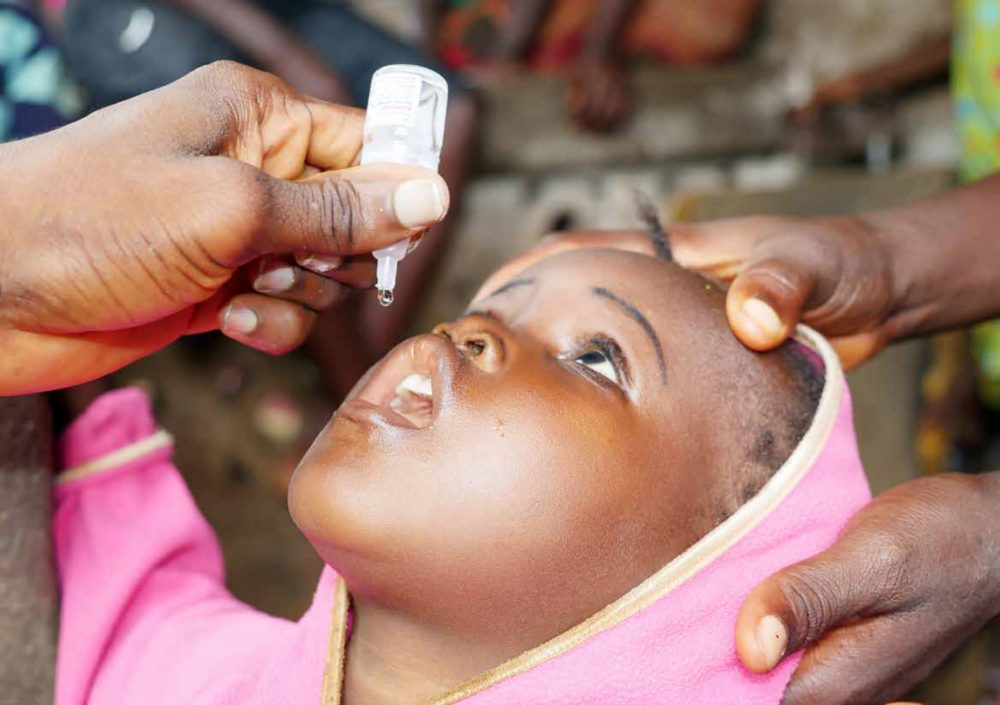
- Vaccination: Ensure children are up-to-date with immunizations.
- Good Hygiene: Teach proper handwashing techniques.
- Healthy Diet: Provide a balanced diet rich in fruits, vegetables, and protein to strengthen immunity.
- Adequate Rest: Proper sleep helps the body fight infections.
- Safe Environment: Keep surroundings clean, disinfect toys, and avoid exposure to cigarette smoke.
Home Remedies and First Aid
- Hydration: Offer plenty of fluids to prevent dehydration.
- Fever Control: Lukewarm sponge baths and prescribed fever medicines.
- Soothing Relief: Honey for cough (for children over one year), saline sprays for congestion.
- Rest: Ensure children get adequate sleep to boost recovery.
For more on managing hydration during illness, visit our article on Dehydration Symptoms and First Aid.
Frequently Asked Questions (FAQ)

1. What are the most common infections in children?
Some of the most common include the common cold, ear infections, strep throat, gastroenteritis, conjunctivitis, and skin infections.
2. How can I prevent my child from getting frequent infections?
Focus on vaccination, proper hand hygiene, balanced nutrition, adequate sleep, and maintaining a clean environment.
3. When should I take my child to the doctor for an infection?
Seek medical attention if your child has persistent high fever, difficulty breathing, signs of severe dehydration, seizures, or extreme lethargy.
4. Can home remedies cure infections in children?
Home remedies can help ease symptoms (like honey for cough or saline drops for congestion), but bacterial infections often require antibiotics prescribed by a doctor.
5. Why does my child keep getting sick from daycare or school?
Children in group settings are exposed to many germs. Good hygiene practices, vaccination, and strong immunity through diet and rest can reduce risks.
Conclusion
Childhood infections are common but manageable with the right knowledge. Parents who recognize early symptoms, practice prevention, and know when to seek medical attention can safeguard their children’s health effectively. Oral hydration, good hygiene, vaccinations, and balanced nutrition form the pillars of managing and preventing infections.
By staying informed and proactive, you can help your child recover quickly from common infections and prevent more serious complications.