
Discover autism spectrum disorder’s latest research, 1 in 31 prevalence rates, breakthrough diagnosis methods, treatment options, and support resources.
Introduction
Autism Spectrum Disorder (ASD) has emerged as one of the most significant public health challenges of our time, with recent 2025 data revealing a staggering increase in prevalence. The latest Centers for Disease Control and Prevention (CDC) data shows that about 1 in 31 (3.2%) children aged 8 years has been identified with ASD, representing a significant increase from previous estimates.
This dramatic rise has prompted unprecedented research efforts, leading to groundbreaking discoveries in 2024 and 2025 that are revolutionizing our understanding of autism. Researchers have identified four clinically and biologically distinct subtypes of autism, marking a pivotal shift toward precision medicine in autism care. Meanwhile, new technologies and personalized medicine approaches are focusing on finding the right treatment for the right person at the right time through targeted interventions.
For families, healthcare providers, and communities worldwide—including in Nigeria where studies show autism prevalence rates of 2.3% nationwide—these developments offer both hope and practical guidance for understanding, diagnosing, and supporting individuals with autism throughout their lives.
This comprehensive guide explores the latest 2025 research breakthroughs, evidence-based diagnostic approaches, cutting-edge treatment options, and practical support strategies for families navigating autism spectrum disorder in today’s rapidly evolving landscape.
Understanding Autism Spectrum Disorder: 2025 Perspective
Defining Autism in the Modern Era
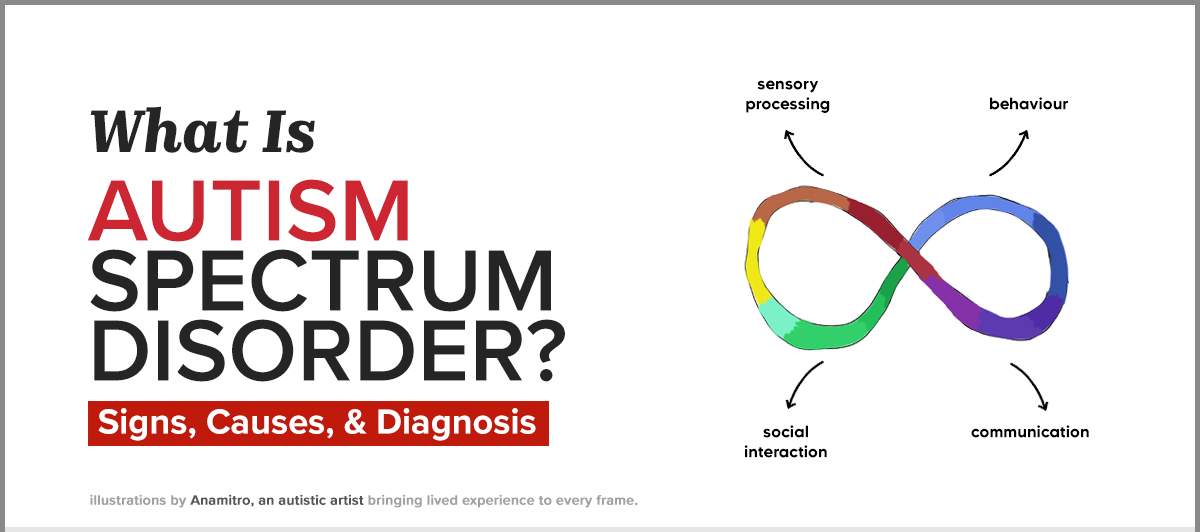
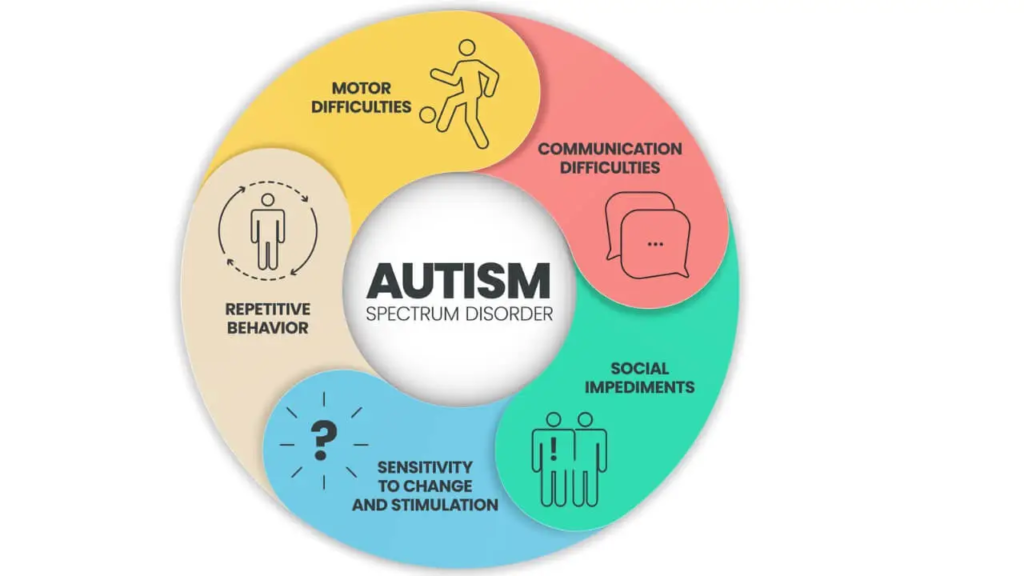
Autism Spectrum Disorder represents a complex neurodevelopmental condition characterized by differences in social communication, interaction patterns, and behavioral preferences. The term “spectrum” reflects the wide range of strengths, challenges, and support needs that individuals with autism may experience.
Core Features of ASD:
Social Communication and Interaction Challenges:
- Difficulty with back-and-forth conversation
- Challenges in developing and maintaining relationships
- Differences in nonverbal communication (eye contact, facial expressions, gestures)
- Difficulty sharing interests, emotions, or activities with others
Restricted and Repetitive Behaviors and Interests:
- Repetitive motor movements or speech patterns
- Insistence on routines and sameness
- Highly focused special interests
- Sensory sensitivities (over- or under-responsiveness)
The Shifting Landscape of Autism Prevalence
Global Trends: The increase in autism diagnoses represents one of the most significant public health developments of the 21st century:
- 2023 CDC data showed one in 36 children diagnosed with autism, increasing from one in 44 children two years prior
- 2025 data now reveals 1 in 31 children (3.2%) are identified with ASD
- ASD is over 3 times more common among boys than among girls
- ASD occurs in all racial, ethnic, and socioeconomic groups
Factors Contributing to Increased Prevalence:
- Enhanced diagnostic criteria and awareness
- Improved screening and identification tools
- Better access to diagnostic services
- Increased recognition of autism in girls and adults
- Environmental and genetic research revealing new risk factors
Autism Subtypes: The Precision Medicine Revolution
2025 research from Princeton University and the Simons Foundation has identified four clinically and biologically distinct subtypes of autism, representing a paradigm shift toward personalized autism care:
The Four Autism Subtypes:
- Social-Communication Subtype: Primary challenges in social interaction and communication
- Behavioral-Restrictive Subtype: Predominant repetitive behaviors and restricted interests
- Sensory-Motor Subtype: Significant sensory processing and motor coordination challenges
- Mixed-Complex Subtype: Combination of features from multiple domains
Clinical Implications:
- Targeted intervention strategies based on subtype
- Personalized treatment protocols
- More accurate prognosis and outcome prediction
- Better family counseling and support planning
Regional Focus: Autism in Nigeria and Africa
Prevalence and Recognition in Nigeria
Nigeria, as Africa’s most populous country, provides important insights into autism prevalence and challenges on the continent:
Nigerian Prevalence Data:
- Studies revealed prevalence rates of 1:43.5 in South-West Nigeria and 1:125 in South-Eastern Nigeria
- A 2014 study reported a nationwide prevalence of 2.3%
- 22.6% of children showed positive family history of autism, with 75.5% having associated neurological comorbidities
Unique Challenges in Nigeria:
- Shortage of specialized healthcare professionals and resources
- Lack of awareness and understanding of ASD among healthcare providers
- Cultural stigma surrounding mental health and developmental disorders
- Diagnosis of autism is often delayed in Nigeria
Cultural and Social Factors
Traditional Beliefs and Modern Understanding: In many African cultures, including Nigeria, autism symptoms may be attributed to:
- Spiritual or supernatural causes
- Family curses or ancestral displeasure
- Punishment for past actions
- Medical conditions requiring traditional healing
Impact on Families:
- Families face significant challenges accessing support services and coping with stigma
- Social isolation due to misunderstanding
- Delayed help-seeking behaviors
- Economic burden without adequate support systems
Progress and Hope:
- Increasing awareness through education campaigns
- Growing number of advocacy organizations
- Improved training for healthcare professionals
- International collaboration and support
Latest Research Breakthroughs in Autism (2025)
Genetic and Biological Discoveries
Advanced Genetic Research: Recent studies have revolutionized our understanding of autism’s genetic basis:

- Over 100 autism-associated genes identified
- Polygenic risk scores improving prediction accuracy
- Epigenetic factors influencing autism development
- Gene-environment interactions better understood
Neurobiological Insights:
- Brain connectivity patterns unique to autism subtypes
- Neurotransmitter system differences mapped
- Early brain development patterns identified
- Sensory processing mechanisms clarified
Technology-Driven Breakthroughs
Artificial Intelligence in Diagnosis:
- Machine learning and organoid models employed in advanced research projects
- AI-powered diagnostic tools showing 90%+ accuracy
- Video analysis detecting autism signs in infancy
- Speech pattern recognition for early identification
Digital Therapeutics:
- Virtual reality training programs for social skills
- Smartphone apps for behavior tracking and intervention
- Telehealth platforms expanding access to specialists
- Wearable devices monitoring physiological responses
Treatment Innovation
Precision Medicine Approaches: The focus is now on personalized medicine: finding the right treatment for the right person at the right time through targeted interventions
- Biomarker-guided treatment selection
- Subtype-specific intervention protocols
- Pharmacogenetic testing for medication optimization
- Individualized therapy planning based on genetic profiles
Emerging Therapeutic Modalities:
- Stem cell research showing promising results
- Oxytocin nasal spray trials
- Microbiome-targeted interventions
- Transcranial stimulation techniques
Early Signs and Symptoms: A Comprehensive Guide
Infants and Toddlers (0-2 years)
Social and Communication Red Flags:
- Limited eye contact or social smiling by 6 months
- No babbling or pointing by 12 months
- No single words by 16 months
- No two-word phrases by 24 months
- Loss of previously acquired language or social skills
Behavioral Indicators:
- Repetitive movements (hand flapping, rocking)
- Intense fascination with specific objects
- Extreme distress with routine changes
- Unusual sensory responses (covering ears, avoiding textures)
Early Motor and Play Differences:
- Limited imitation of others
- Delayed or unusual play patterns
- Difficulty with pretend play
- Motor delays or unusual movement patterns
Preschoolers (3-5 years)
Communication Challenges:
- Delayed speech development or unusual speech patterns
- Difficulty initiating or sustaining conversations
- Literal interpretation of language
- Challenges with nonverbal communication
Social Interaction Differences:
- Preference for solitary play
- Difficulty making friends
- Challenges understanding social rules
- Limited sharing of interests with others
Behavioral Patterns:
- Strong need for routines and predictability
- Intense special interests
- Repetitive behaviors or self-stimulating activities
- Sensory seeking or avoiding behaviors
School-Age Children (6-12 years)
Academic and Learning Considerations:
- Uneven skill development (advanced in some areas, challenged in others)
- Difficulty with group work and collaboration
- Challenges with executive function skills
- Potential for being overlooked (especially in girls)
Social and Emotional Signs:
- Difficulty understanding social cues and contexts
- Challenges with peer relationships
- Anxiety in social situations
- Difficulty regulating emotions
Adolescents and Adults
Later Recognition Signs:
- Social exhaustion and masking behaviors
- Difficulty navigating complex social relationships
- Challenges with independence and life transitions
- Mental health concerns (anxiety, depression)
Gender Differences in Presentation:
- Girls may mask symptoms more effectively
- Different patterns of special interests
- Internalized rather than externalized behaviors
- Later age of diagnosis common in females
Diagnostic Process and Tools
Modern Diagnostic Approach
Multi-Disciplinary Assessment: Comprehensive autism diagnosis requires a team approach:
- Developmental Pediatrician or Child Psychiatrist: Lead clinician for diagnosis
- Psychologist: Cognitive and behavioral assessment
- Speech-Language Pathologist: Communication evaluation
- Occupational Therapist: Sensory and motor assessment
- Social Worker: Family and environmental factors
Standardized Assessment Tools
Gold Standard Diagnostic Instruments:
Autism Diagnostic Observation Schedule (ADOS-2):
- Direct observation of social communication and behavior
- Multiple modules based on age and language level
- Considered most reliable diagnostic tool
- Requires specialized training to administer
Autism Diagnostic Interview-Revised (ADI-R):
- Comprehensive parent interview
- Covers developmental history and current behaviors
- Focus on early development patterns
- Complements ADOS-2 assessment
Screening Tools for Different Ages:
Early Childhood (16-24 months):
- Modified Checklist for Autism in Toddlers-Revised (M-CHAT-R)
- Quick screening tool for pediatric visits
- Follow-up interview increases accuracy
- Widely used in primary care settings
School-Age Children:
- Social Communication Questionnaire (SCQ)
- Childhood Autism Rating Scale (CARS-2)
- Autism Spectrum Rating Scales (ASRS)
- Teacher and parent report forms
Adults:
- Autism Diagnostic Observation Schedule-2 Adult Module
- Autism Spectrum Quotient (AQ)
- Ritvo Autism Asperger Diagnostic Scale-Revised (RAADS-R)
- Self-report measures increasingly important
Diagnostic Challenges and Solutions
Common Diagnostic Pitfalls:
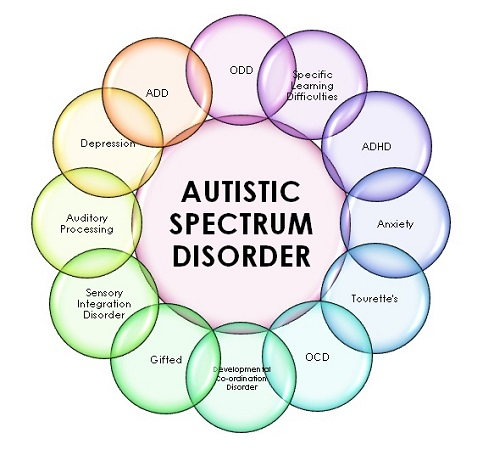
- Misdiagnosis as ADHD, anxiety, or intellectual disability
- Overlooking autism in girls and women
- Cultural bias in assessment tools and interpretation
- Late diagnosis leading to missed intervention opportunities
Emerging Diagnostic Technologies:
- Eye-tracking technology for early detection
- Facial recognition software analyzing expressions
- Voice analysis detecting speech patterns
- Brain imaging revealing connectivity differences
Addressing Barriers to Diagnosis:
- Telemedicine expanding access to specialists
- Cultural adaptation of assessment tools
- Training primary care providers in screening
- Reducing wait times for evaluation
Evidence-Based Treatment and Interventions
Early Intensive Behavioral Interventions
Applied Behavior Analysis (ABA): Remains the most researched intervention for autism:
Principles and Methods:
- Systematic teaching of skills through reinforcement
- Data-driven approach to measuring progress
- Individualized programs based on specific needs
- Intensive delivery (20-40 hours per week recommended)
Modern ABA Approaches:
- Natural Environment Teaching (NET)
- Pivotal Response Treatment (PRT)
- Verbal Behavior Intervention
- Social skills-focused programming
Research Evidence:
- Strongest evidence for early childhood intervention
- Significant improvements in IQ, language, and adaptive behavior
- Best outcomes when started before age 4
- Quality and intensity of intervention matter most
Developmental and Relationship-Based Approaches
DIR/Floortime:
- Focus on emotional development and relationships
- Follow the child’s lead and interests
- Build foundation skills through play
- Family-centered approach
Early Start Denver Model (ESDM):
- Combines ABA principles with developmental approaches
- Naturalistic teaching in play-based activities
- Strong research support for young children
- Emphasis on social communication development
Social Communication/Emotional Regulation/Transactional Support (SCERTS):
- Comprehensive educational framework
- Focus on meaningful communication and emotional regulation
- Emphasizes natural learning opportunities
- Collaborative team approach
Communication Interventions
Speech and Language Therapy:
- Individualized assessment of communication needs
- Alternative and Augmentative Communication (AAC) when needed
- Social communication skill development
- Pragmatic language training
AAC Technologies:
- Picture Exchange Communication System (PECS)
- Voice Output Communication Aids (VOCAs)
- Tablet-based communication apps
- Sign language and visual supports
Educational Approaches
Individualized Education Programs (IEPs):
- Legally mandated in many countries
- Specific, measurable goals and objectives
- Appropriate accommodations and modifications
- Regular progress monitoring
Inclusive Education Models:
- Supported inclusion with appropriate supports
- Peer-mediated interventions
- Social skills training in natural settings
- Collaborative team approach
Specialized Autism Programs:
- Structured teaching approaches (TEACCH)
- Sensory integration therapy
- Social skills groups
- Transition planning for adulthood
Pharmacological Interventions
FDA-Approved Medications:
- Risperidone and Aripiprazole for irritability and aggression
- Careful consideration of benefits vs. risks
- Regular monitoring for side effects
- Part of comprehensive treatment plan
Off-Label Medications:
- SSRIs for anxiety and depression
- Stimulants for ADHD symptoms
- Antiepileptics for seizures
- Sleep medications when needed
Emerging Pharmacological Research:
- Oxytocin trials for social communication
- Cannabidiol for behavioral symptoms
- Microbiome-targeted therapies
- Precision medicine based on genetic testing
Complementary and Alternative Approaches
Evidence-Based Complementary Therapies:
- Exercise and physical activity programs
- Music therapy and art therapy
- Animal-assisted therapy
- Mindfulness and relaxation techniques
Controversial Treatments to Approach with Caution:
- Chelation therapy (potentially dangerous)
- Hyperbaric oxygen therapy (limited evidence)
- Strict elimination diets without medical supervision
- Unproven supplements and “biomedical” treatments
Supporting Families and Caregivers
Family-Centered Care Principles
Recognizing Family Expertise:
- Families know their children best
- Cultural values and preferences honored
- Collaborative decision-making
- Strengths-based approach to intervention
Addressing Family Needs:
- Information and education about autism
- Emotional support and counseling
- Practical skill training
- Respite and self-care opportunities
Sibling Support
Impact on Siblings:
- Increased responsibility and maturity
- Potential social and emotional challenges
- Risk for anxiety and behavioral problems
- Also potential for increased empathy and resilience
Supporting Siblings:
- Age-appropriate education about autism
- Individual attention and activities
- Sibling support groups
- Professional counseling when needed
Grandparents and Extended Family
Common Challenges:
- Understanding autism and its implications
- Accepting the diagnosis
- Learning new interaction strategies
- Managing different generational perspectives
Support Strategies:
- Educational materials and resources
- Inclusion in treatment planning
- Training in interaction techniques
- Support groups for grandparents
Cultural Considerations in Family Support
Respecting Cultural Values:
- Understanding different perspectives on disability
- Adapting interventions to cultural contexts
- Working with community and religious leaders
- Addressing stigma and misconceptions
Language and Communication:
- Providing materials in native languages
- Using interpreters when needed
- Understanding cultural communication patterns
- Respecting family hierarchy and decision-making
Autism Across the Lifespan
Early Childhood (0-6 years)
Developmental Focus Areas:
- Communication and language development
- Social engagement and play skills
- Self-regulation and emotional development
- Pre-academic and cognitive skills
Family Priorities:
- Understanding the diagnosis
- Accessing early intervention services
- Building support networks
- Planning for school transition
Service Systems:
- Early intervention programs
- Specialized preschool services
- Medical and therapeutic supports
- Family support services
School-Age Years (6-18 years)
Educational Goals:
- Academic skill development
- Social skills and friendship building
- Independence and self-advocacy
- Preparation for adult life
Common Challenges:
- Bullying and social isolation
- Academic difficulties despite intelligence
- Anxiety and mental health issues
- Puberty and adolescent development
Transition Planning:
- Post-secondary education options
- Vocational training and employment
- Independent living skills
- Community integration
Adulthood (18+ years)
Adult Outcomes and Challenges:
- Employment and career development
- Independent living and relationships
- Mental health and well-being
- Accessing adult services
Support Needs:
- Vocational rehabilitation services
- Housing support and options
- Social and recreational opportunities
- Healthcare coordination
Late Diagnosis in Adults:
- Increasing recognition of autism in adults
- Unique challenges of late diagnosis
- Impact on identity and relationships
- Accessing appropriate adult services
Technology and Innovation in Autism Support
Assistive Technology
Communication Devices:
- High-tech speech-generating devices
- Tablet-based communication apps
- Eye-gaze systems for those with motor challenges
- Switch-adapted devices for access
Learning and Educational Technology:
- Interactive learning software
- Virtual reality for skill building
- Robotics in autism therapy
- Artificial intelligence tutoring systems
Daily Living Supports:
- Visual scheduling apps
- Social story creation tools
- Sensory regulation apps
- Safety and monitoring devices
Telehealth and Remote Services
Benefits of Telehealth:
- Increased access to specialists
- Reduced travel and scheduling barriers
- Familiar environment for assessments
- Cost-effective service delivery
Effective Telehealth Applications:
- Parent training and coaching
- Social skills groups
- Behavioral consultation
- Mental health counseling
Challenges and Solutions:
- Technology access and literacy
- Engagement strategies for virtual sessions
- Ensuring assessment validity
- Managing technical difficulties
Data Collection and Monitoring
Digital Data Collection:
- Smartphone apps for behavior tracking
- Wearable devices monitoring physiological responses
- Video analysis for objective assessment
- Cloud-based data sharing platforms
Benefits of Digital Monitoring:
- Objective, real-time data collection
- Pattern recognition across settings
- Progress tracking over time
- Informed treatment adjustments
Building Inclusive Communities
School and Educational Inclusion
Inclusive Education Principles:
- Presumption of competence
- Appropriate supports and accommodations
- Peer relationships and social inclusion
- High expectations for all students
Successful Inclusion Strategies:
- Universal Design for Learning (UDL)
- Peer support and buddy systems
- Sensory-friendly environments
- Staff training and support
Addressing Inclusion Challenges:
- Bullying prevention and intervention
- Academic accommodations and modifications
- Behavior support planning
- Collaboration between home and school
Employment and Workplace Inclusion
Employment Challenges for Autistic Adults:
- High unemployment rates despite skills
- Interview and social interaction challenges
- Workplace sensory and social demands
- Lack of understanding from employers
Successful Employment Models:
- Supported employment programs
- Autism-friendly employers and practices
- Job coaching and workplace supports
- Disclosure and accommodation strategies
Creating Autism-Friendly Workplaces:
- Sensory accommodations
- Clear communication and expectations
- Flexible work arrangements
- Autism awareness training for staff
Community Participation and Recreation
Barriers to Community Participation:
- Sensory overwhelming environments
- Social and communication challenges
- Limited accessible programs
- Cost and transportation issues
Inclusive Recreation Programs:
- Sensory-friendly events and activities
- Trained staff and volunteers
- Adapted equipment and environments
- Social skills and friendship opportunities
Community Support and Acceptance:
- Public awareness campaigns
- Autism acceptance training
- Inclusive policy development
- Celebrating neurodiversity
Global Perspectives and Cultural Considerations
International Approaches to Autism
Scandinavian Models:
- Comprehensive social support systems
- Early intervention and family support
- Inclusive education policies
- Adult services and employment support
Asian Approaches:
- Traditional medicine integration
- Family-centered care models
- Technology-enhanced interventions
- Rapid service development in urban areas
Developing Country Challenges:
- Limited diagnostic and treatment resources
- Cultural stigma and misconceptions
- Lack of trained professionals
- Competing health priorities
Cultural Competency in Autism Services
Understanding Cultural Perspectives:
- Different views of disability and difference
- Family roles and decision-making patterns
- Communication styles and preferences
- Religious and spiritual considerations
Adapting Services Culturally:
- Culturally responsive assessment tools
- Bilingual and bicultural staff
- Community partnerships and collaboration
- Flexible service delivery models
Addressing Disparities:
- Reducing diagnostic delays in minority communities
- Improving access to quality services
- Training culturally competent providers
- Developing culturally appropriate materials
Mental Health and Autism
Common Comorbid Conditions
Anxiety Disorders:
- Affects 40-50% of individuals with autism
- Social anxiety particularly common
- Sensory-related anxiety
- Specific phobias and fears
Depression:
- Increasing rates in adolescence and adulthood
- Related to social isolation and challenges
- May be overlooked due to communication difficulties
- Requires specialized assessment and treatment
ADHD and Executive Function Challenges:
- High comorbidity rates
- Attention and concentration difficulties
- Planning and organization challenges
- Hyperactivity and impulsivity
Other Mental Health Concerns:
- Obsessive-compulsive symptoms
- Sleep disorders
- Eating difficulties
- Self-harm and suicidal ideation
Trauma and Autism
Increased Vulnerability to Trauma:
- Higher rates of bullying and abuse
- Medical and therapeutic trauma
- Difficulty communicating distress
- Sensory and social overwhelm
Trauma-Informed Care:
- Understanding trauma’s impact on behavior
- Creating safety and predictability
- Building trust and therapeutic relationships
- Addressing both autism and trauma needs
Mental Health Treatment Adaptations
Therapy Modifications for Autism:
- Visual supports and concrete examples
- Shorter sessions and frequent breaks
- Special interest incorporation
- Social skills and emotion regulation focus
Medication Considerations:
- Sensitivity to side effects
- Drug interactions and medical comorbidities
- Behavioral monitoring and assessment
- Family and team collaboration
Future Directions and Emerging Trends
Research Priorities for 2025 and Beyond
Genetic and Biological Research:
- Advanced methods such as machine learning and organoid models
- Precision medicine based on genetic profiles
- Biomarker development for early detection
- Understanding of gene-environment interactions
Intervention Research:
- Projects address both children and adults across the lifespan
- Effectiveness research in real-world settings
- Technology-enhanced interventions
- Family and caregiver support interventions
Lifespan and Outcomes Research:
- Adult outcomes and quality of life
- Aging in autism
- Transition to adulthood studies
- Long-term follow-up of early interventions
Policy and Systems Change
Education Policy Evolution:
- Inclusive education mandates
- Teacher preparation and training
- Special education reform
- Transition services improvement
Healthcare System Improvements:
- Early screening and detection
- Integrated care models
- Adult services development
- Insurance coverage expansion
Employment and Community Inclusion:
- Disability employment initiatives
- Community inclusion policies
- Accessibility requirements
- Neurodiversity acceptance movements
Technology Integration
Artificial Intelligence Applications:
- Automated screening and diagnosis
- Personalized intervention recommendations
- Predictive modeling for outcomes
- Natural language processing for communication
Virtual and Augmented Reality:
- Social skills training environments
- Exposure therapy for anxiety
- Educational and vocational training
- Sensory regulation tools
Internet of Things (IoT):
- Environmental monitoring and adaptation
- Safety and security applications
- Health and wellness tracking
- Smart home technologies
Practical Resources and Support
Finding Quality Services
Evaluating Service Providers:
- Professional credentials and training
- Evidence-based practice use
- Cultural competency
- Family-centered approach
Questions for Service Providers:
- What is your training and experience with autism?
- What assessment tools and methods do you use?
- How do you involve families in treatment planning?
- What evidence supports your recommended interventions?
Financial Assistance and Insurance
Insurance Coverage:
- Understanding autism coverage requirements
- Advocating for necessary services
- Appealing denials and limitations
- Coordinating multiple funding sources
Government Programs and Benefits:
- Early intervention services
- Special education entitlements
- Disability benefits and support
- Vocational rehabilitation services
Private and Foundation Funding:
- Autism-specific grants and scholarships
- Community foundation support
- Crowdfunding and fundraising
- Equipment and technology assistance
Building Support Networks
Parent and Family Organizations:
- Local autism society chapters
- Parent support groups
- Online communities and forums
- Advocacy and awareness groups
Professional Networks:
- Autism specialist providers
- Interdisciplinary team members
- Educational professionals
- Research and clinical experts
Community Resources:
- Religious and spiritual communities
- Recreation and social programs
- Volunteer and service organizations
- Neighborhood and social networks
Conclusion: Embracing the Autism Spectrum in 2025
As we stand at the threshold of a new era in autism understanding and support, the landscape has never been more promising or complex. The dramatic increase in autism prevalence to 1 in 31 children represents both a challenge and an opportunity—a challenge to our service systems and societal understanding, but also an opportunity to build more inclusive, supportive communities for all individuals.
The groundbreaking research of 2024 and 2025 has fundamentally shifted our approach to autism. The identification of four distinct autism subtypes heralds the arrival of precision medicine in autism care, while new technologies and personalized approaches promise targeted interventions that can truly make a difference in individual lives.
For families in Nigeria and across Africa, where autism affects approximately 2.3% of children, the growing global knowledge base offers hope for overcoming traditional barriers to diagnosis and treatment. While challenges remain in terms of specialist availability and cultural stigma, the increasing international collaboration and technology-enabled solutions are creating new pathways to support.
The future of autism lies not in trying to “cure” or “fix” individuals, but in understanding, accommodating, and celebrating neurodiversity. As our knowledge grows, so does our appreciation for the unique strengths, perspectives, and contributions that autistic individuals bring to our communities.
Key takeaways for 2025 and beyond:
For Families: Early identification and intervention remain crucial, but so does accepting and supporting your child’s unique way of being in the world. The goal is not to eliminate autism traits but to help individuals develop skills, confidence, and the support they need to thrive.
For Healthcare Providers: Embrace the move toward precision medicine while maintaining person-centered, family-focused care. Cultural competency and accessibility must be priorities as autism affects individuals across all communities.
For Educators and Communities: Inclusion isn’t just about placing autistic children in general education classrooms—it’s about creating environments where every individual can learn, grow, and contribute their unique gifts.
For Society: The autism “epidemic” is an opportunity to examine our values and build more inclusive communities that recognize and support human neurodiversity.
The journey ahead requires continued research, advocacy, and most importantly, listening to autistic individuals themselves about what they need to live fulfilling, autonomous lives. Community engagement to align research with the needs of autistic individuals and families must remain at the center of all our efforts.
In 2025, we stand not at the end of the autism journey, but at an exciting new beginning—one where science, technology, and human compassion combine to create a world where everyone on the autism spectrum can reach their full potential.