

Discover the warning signs of dehydration and life-saving first aid tips. Learn how to spot, treat, and prevent dehydration before it becomes dangerous.
Introduction
Dehydration is a common yet often overlooked health issue that occurs when the body loses more fluids than it takes in. While it may seem like a minor condition, dehydration can quickly become dangerous if not addressed. It affects people of all ages but is particularly risky for children, older adults, and individuals with chronic illnesses. Understanding the symptoms of dehydration and knowing the proper first aid response can save lives and prevent complications.
This article explores in detail what dehydration is, its causes, risk factors, symptoms, and practical first aid steps you can take to manage the condition effectively. By the end, you’ll have a clear understanding of how to recognize dehydration early and apply first aid measures before seeking medical care.
What is Dehydration?

Dehydration occurs when the body doesn’t have enough water to perform its normal functions. Around 60% of the human body is made up of water, which is essential for maintaining blood circulation, regulating temperature, cushioning joints, transporting nutrients, and eliminating waste. Losing just 1-2% of body water can start to affect physical and cognitive performance, while more severe fluid loss can lead to life-threatening complications.
Learn more about how hydration affects your health in our detailed guide on Foodborne Illnesses and Prevention.
Causes of Dehydration
Several factors can contribute to dehydration, including:
- Inadequate Fluid Intake – Not drinking enough water daily.
- Excessive Sweating – Due to heat, exercise, or fever.
- Diarrhea and Vomiting – Rapid fluid loss through illness.
- Increased Urination – Often caused by diabetes, medications (like diuretics), or infections.
- Environmental Conditions – Hot, humid, or very dry climates increase fluid loss.
- Chronic Health Conditions – Such as kidney disease, adrenal gland disorders, and cystic fibrosis.
For a deeper look at how your body reacts to extreme conditions, check out Heat Shock Proteins and Cold Therapy.
Risk Factors for Dehydration
Certain groups of people are more vulnerable:
- Infants and Young Children – Their bodies have a higher water content, but they can lose fluids quickly through diarrhea, vomiting, or fever.
- Older Adults – Age-related changes reduce the ability to conserve water, and the sense of thirst diminishes.
- Athletes – Especially endurance athletes who lose large amounts of fluids through sweat.
- People Living in Hot Climates – Increased perspiration leads to higher fluid needs.
- Individuals with Chronic Illnesses – Those with diabetes, kidney issues, or taking diuretics are at higher risk.
Symptoms of Dehydration
The symptoms of dehydration vary depending on severity. Recognizing them early is critical.
Mild to Moderate Dehydration Symptoms:
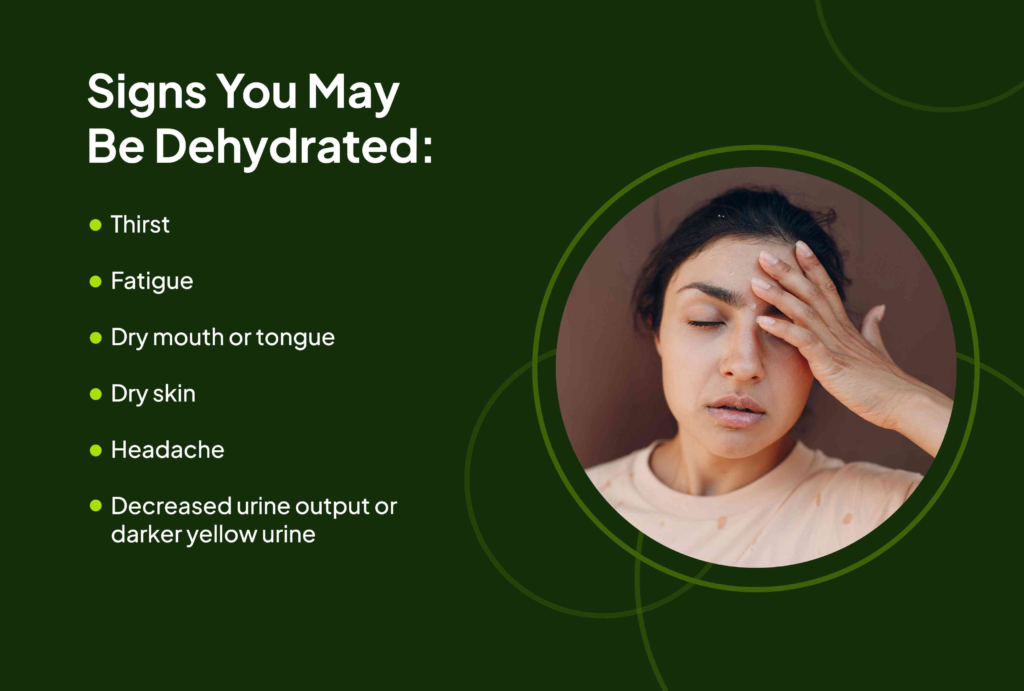
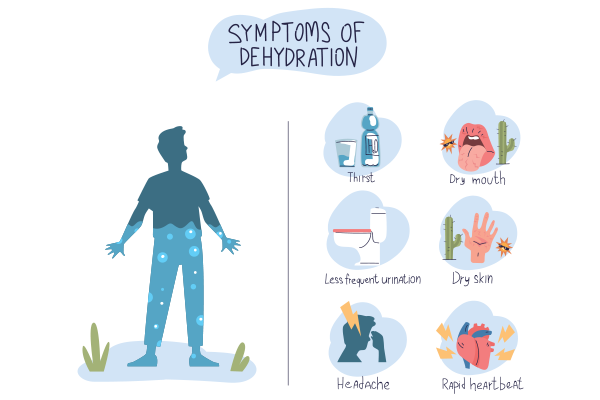
- Thirst
- Dry mouth and sticky saliva
- Dark yellow or strong-smelling urine
- Reduced urination frequency
- Fatigue or low energy
- Dizziness or lightheadedness
- Headache
- Dry or cool skin
- Muscle cramps
Severe Dehydration Symptoms:
- Extreme thirst
- Very dark or no urine output
- Rapid heartbeat
- Low blood pressure
- Sunken eyes
- Rapid breathing
- Confusion or irritability
- Fainting
- Cold hands and feet
- Lack of sweating even in heat
Medical Emergency: Severe dehydration requires immediate medical intervention. If untreated, it can lead to heatstroke, kidney failure, seizures, or even death.
For authoritative medical reference, see the Mayo Clinic – Dehydration.
Signs of Dehydration in Specific Groups
In Infants and Children:
- Sunken soft spot (fontanel) on the head
- No tears when crying
- Dry diapers for several hours
- Drowsiness or irritability
In Older Adults:
- Less elasticity in skin (skin tenting)
- Increased confusion or disorientation
- Sudden dizziness leading to falls
First Aid for Dehydration
If you suspect dehydration, prompt first aid is crucial.
Step 1: Move to a Cooler Environment
- Take the person out of direct sunlight or a hot area.
- Rest in a shaded or air-conditioned place.
Step 2: Encourage Fluid Intake
- Offer water in small, frequent sips rather than large gulps.
- Oral rehydration solutions (ORS) are best, especially after diarrhea or vomiting, as they replace lost electrolytes.
- Avoid alcohol, caffeine, or sugary drinks, which can worsen dehydration.
Step 3: Replace Electrolytes
- Sports drinks, coconut water, or homemade ORS (water + salt + sugar) can help restore sodium, potassium, and other minerals.
Step 4: Rest and Monitor Symptoms
- Stop any strenuous activity.
- Monitor urine output, alertness, and body temperature.
Step 5: Seek Medical Help if Severe
- If the person cannot keep fluids down, shows signs of confusion, has no urine output, or faints, call emergency services immediately.
- Children, elderly individuals, and chronically ill patients should be taken to the hospital sooner.
Preventing Dehydration
The best way to deal with dehydration is to prevent it:
- Drink Enough Water Daily – Aim for 8–10 cups (2–2.5 liters), more in hot climates or during physical activity.
- Monitor Urine Color – Light yellow is a good indicator of proper hydration.
- Hydrate Before, During, and After Exercise – Especially for endurance sports.
- Consume Hydrating Foods – Fruits and vegetables like watermelon, cucumbers, oranges, and celery have high water content.
- Adjust Fluid Intake in Illness – Increase water and electrolyte intake if experiencing fever, vomiting, or diarrhea.
- Encourage Regular Fluid Intake in Vulnerable Groups – Remind children and older adults to drink fluids, even if they don’t feel thirsty.
See more tips to stay active and hydrated at Desk Job Sedentary Lifestyle Workouts.
Complications of Untreated Dehydration
If dehydration is not treated, it can lead to severe complications:
- Heat Injuries – Heat cramps, heat exhaustion, and heatstroke.
- Kidney Problems – Kidney stones, urinary tract infections, or kidney failure.
- Seizures – Electrolyte imbalance can trigger abnormal electrical activity in the brain.
- Low Blood Volume Shock (Hypovolemic Shock) – A life-threatening condition where blood pressure drops dangerously low.
Myths and Facts About Dehydration
- Myth: You must drink 8 glasses of water daily.
Fact: Fluid needs vary based on climate, activity, and individual health. - Myth: Only water hydrates the body.
Fact: Fruits, vegetables, milk, and soups also contribute to hydration. - Myth: Feeling thirsty is the best indicator of dehydration.
Fact: Thirst is a late sign; dehydration may have already started. - Myth: Sports drinks are always the best option.
Fact: They’re useful for intense exercise or illness but unnecessary for daily hydration.
When to See a Doctor
You should seek medical attention if:
- Symptoms of severe dehydration appear.
- An infant or elderly person is affected.
- Dehydration is accompanied by persistent vomiting, diarrhea, or high fever.
- There is confusion, fainting, or very low urine output.
Conclusion
Dehydration is more than just feeling thirsty it is a condition that can cause serious harm if ignored. Recognizing the early symptoms, knowing how to apply first aid, and taking preventive steps are essential in protecting yourself and others. From encouraging hydration to using oral rehydration solutions, these simple measures can make the difference between recovery and emergency hospitalization. By spreading awareness about dehydration and first aid, we can reduce its impact and ensure healthier, safer communities.
Frequently Asked Questions (FAQ)

Q1: What are the first signs of dehydration?
The first signs include thirst, dry mouth, darker urine, fatigue, and dizziness. If untreated, it may progress to severe symptoms like rapid heartbeat, confusion, and fainting.
Q2: How can I quickly rehydrate at home?
Drink small sips of water or oral rehydration solutions (ORS). Sports drinks or coconut water can also help restore electrolytes. Avoid alcohol, caffeine, and very sugary drinks.
Q3: When should I see a doctor for dehydration?
Seek medical help if you notice severe dehydration symptoms such as confusion, no urine output, fainting, or rapid heartbeat. Infants, elderly individuals, and chronically ill patients should receive medical attention sooner.
Q4: Can dehydration cause headaches and fatigue?
Yes. Even mild dehydration can lead to headaches, tiredness, and difficulty concentrating.
Q5: How do I prevent dehydration?
Drink enough water daily, eat hydrating foods like fruits and vegetables, hydrate before and after exercise, and adjust fluid intake during hot weather or illness.