
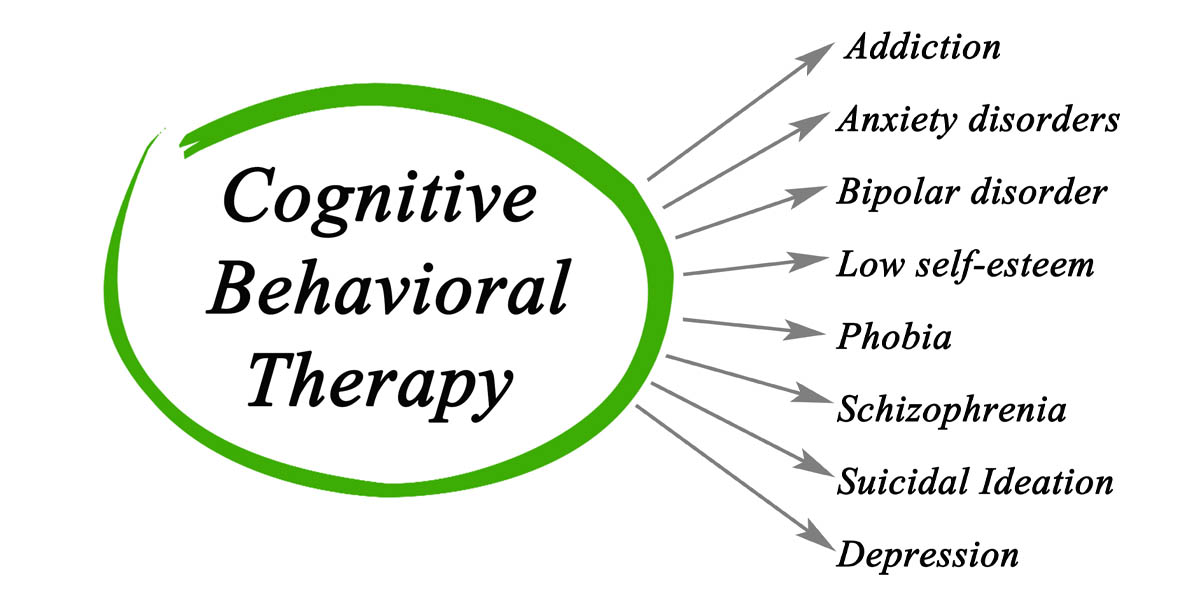

Discover how Cognitive Behavioral Therapy (CBT) for addiction effectively treats substance and behavioral addictions by changing destructive thought patterns and preventing relapse.
Introduction: Why CBT Is a Game-Changer in Addiction Treatment
Cognitive Behavioral Therapy (CBT) for addiction is widely recognized as one of the most effective, evidence-based psychological treatments for both substance use disorders and behavioral addictions. Addiction is not only a physical dependence—it is deeply rooted in learned behaviors, emotional triggers, and distorted thinking patterns that reinforce harmful habits.
CBT addresses addiction at its core by helping individuals identify, challenge, and replace unhelpful thoughts and behaviors with healthier coping strategies. This structured, goal-oriented therapy empowers individuals to regain control over their actions and build long-term recovery skills.
This article explores how CBT works, its effectiveness in treating different forms of addiction, and why it remains a cornerstone of modern addiction therapy.
What Is Cognitive Behavioral Therapy (CBT)?
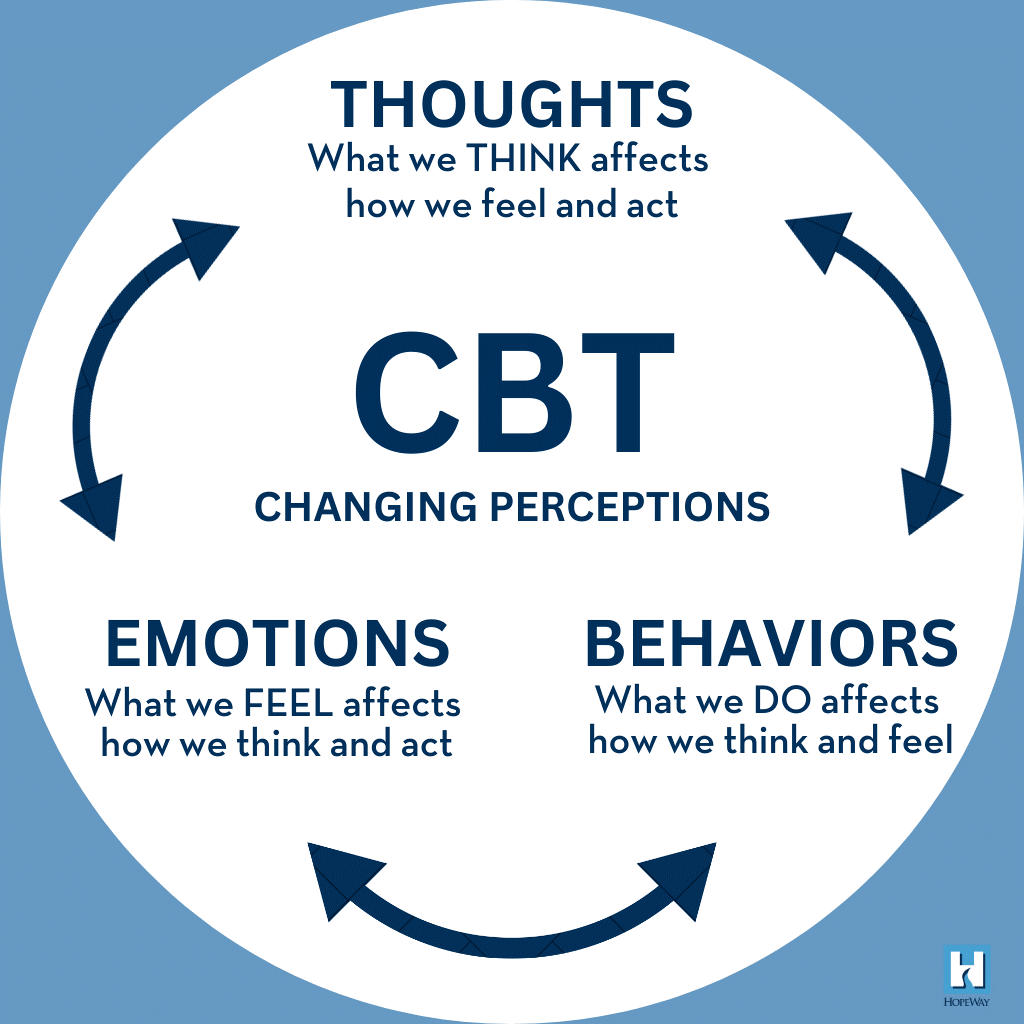
Cognitive Behavioral Therapy is a form of psychotherapy based on the principle that thoughts, emotions, and behaviors are interconnected. Negative or distorted thinking patterns can drive maladaptive behaviors such as substance misuse, compulsive gambling, or internet addiction.
CBT helps individuals:
- Recognize harmful thought patterns
- Understand triggers for addictive behaviors
- Develop healthier coping mechanisms
- Replace destructive behaviors with positive actions
CBT is typically time-limited, structured, and focused on practical problem-solving, making it especially effective for addiction treatment.
How CBT Works in Addiction Treatment
Identifying Triggers and High-Risk Situations
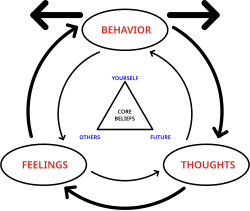
One of the core components of CBT for addiction is identifying internal and external triggers. These may include stress, negative emotions, social situations, or environmental cues that prompt cravings.
By understanding triggers, individuals learn to anticipate risky situations and respond proactively rather than impulsively.
Challenging Distorted Thinking
Addiction is often fueled by cognitive distortions such as:
- “I can’t cope without using.”
- “One time won’t hurt.”
- “I’ve already failed, so why stop now?”
CBT teaches individuals to challenge these thoughts and replace them with realistic, balanced alternatives that support recovery.
Developing Coping and Problem-Solving Skills
CBT equips individuals with practical skills to manage cravings, stress, and emotional discomfort. These include:
- Relaxation techniques
- Assertiveness training
- Problem-solving strategies
- Emotion regulation skills
These tools reduce reliance on substances or compulsive behaviors as coping mechanisms.
Effectiveness of CBT for Substance Use Disorders
CBT has demonstrated strong effectiveness in treating a wide range of substance-related addictions, including:
- Alcohol use disorder
- Opioid addiction
- Stimulant and cannabis dependence
- Prescription drug misuse
Research shows that CBT reduces substance use, improves treatment retention, and lowers relapse rates, especially when combined with medical treatment or support groups. According to the National Institute on Drug Abuse, CBT is a gold-standard therapy for addiction treatment due to its long-term benefits.
CBT’s focus on skill-building ensures that individuals continue to apply therapeutic strategies long after formal treatment ends.
CBT for Behavioral Addictions
Cognitive Behavioral Therapy is equally effective for behavioral addictions, which do not involve substances but share similar psychological mechanisms.
CBT is commonly used to treat:
- Gambling disorder
- Internet and gaming addiction
- Compulsive shopping
- Pornography and sex addiction
By addressing impulsive thinking and reinforcing self-control strategies, CBT helps individuals regain balance and reduce compulsive behaviors.
CBT and Relapse Prevention
Relapse prevention is a major strength of CBT for addiction. Instead of viewing relapse as failure, CBT frames it as a learning opportunity.
Key relapse-prevention strategies include:
- Recognizing early warning signs
- Developing action plans for cravings
- Strengthening motivation for change
- Building supportive routines
The World Health Organization recognizes psychological therapies like CBT as essential components of comprehensive addiction treatment.
CBT Compared to Other Addiction Therapies
CBT differs from other therapeutic approaches in several ways:
- It is highly structured and goal-oriented
- It focuses on present problems rather than past experiences
- It emphasizes self-help and skill acquisition
While approaches such as motivational interviewing and group therapy play valuable roles, CBT is often the foundation upon which other treatments are built.
FAQs: Cognitive Behavioral Therapy (CBT) for Addiction
Is CBT effective for all types of addiction?
CBT is effective for many substance and behavioral addictions, though outcomes improve when tailored to individual needs and combined with medical or social support.
How long does CBT for addiction usually last?
CBT programs typically last between 8 and 20 sessions, depending on the severity of addiction and treatment goals.
Can CBT be used alongside medication-assisted treatment?
Yes. CBT works well alongside medications such as methadone or buprenorphine, enhancing long-term recovery outcomes.
Does CBT prevent relapse completely?
While no therapy guarantees zero relapse, CBT significantly reduces relapse risk by equipping individuals with effective coping strategies.
The Role of the Therapist and Patient Commitment
The success of CBT depends on collaboration between therapist and patient. Therapists guide individuals through structured exercises, while patients actively practice skills between sessions.
Homework assignments, self-monitoring, and goal setting are essential components that reinforce behavioral change and personal accountability.
Integrating CBT Into Holistic Addiction Care
CBT is most effective when integrated into a comprehensive treatment plan that may include:
- Medical detoxification
- Medication-assisted treatment
- Family or group therapy
- Lifestyle and wellness interventions
For a broader understanding of addiction recovery approaches, explore our related article on evidence-based addiction treatment strategies.
Conclusion: Why CBT Remains a Cornerstone of Addiction Recovery
Cognitive Behavioral Therapy (CBT) for addiction is a powerful, practical, and evidence-based approach that addresses the psychological drivers of addictive behaviors. By changing how individuals think, feel, and respond to triggers, CBT empowers lasting recovery and self-control.
Whether treating substance use disorders or behavioral addictions, CBT offers hope, structure, and scientifically proven tools that support long-term healing and resilience.