
Learn how stress affects physical and mental health, and discover proven strategies to manage stress effectively for long-term wellness.
Introduction
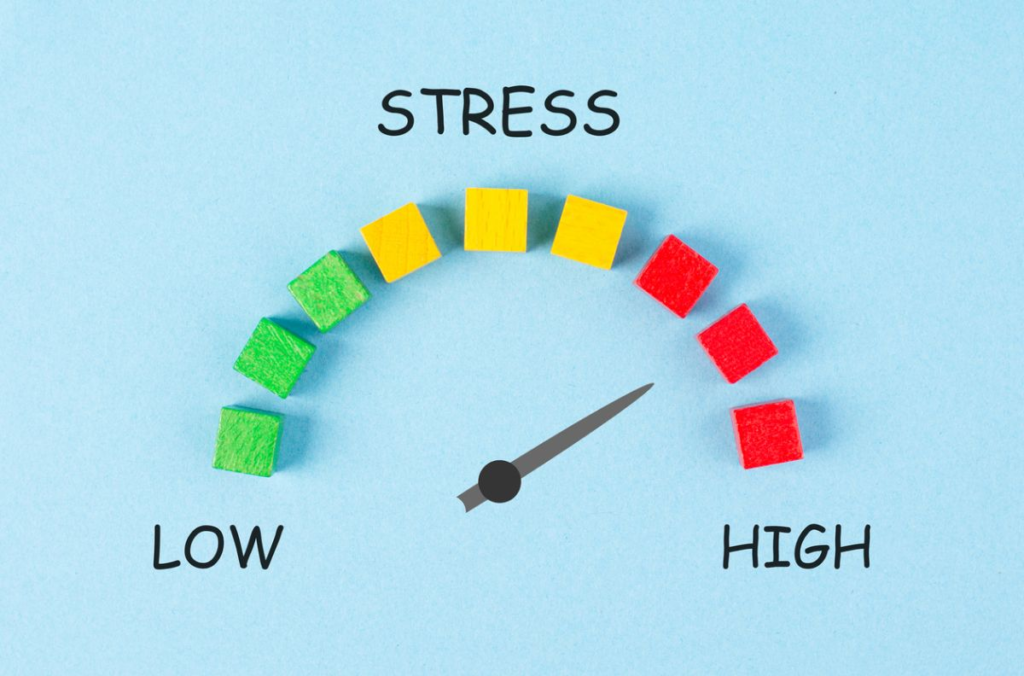
Stress is an unavoidable part of life. From workplace pressure and financial struggles to personal challenges and health concerns, everyone experiences stress in one form or another. While short-term stress can sometimes be beneficial by sharpening focus and boosting motivation, chronic or unmanaged stress can have serious consequences on both physical and mental health.
Modern life, with its fast pace and constant connectivity, has made stress a global health concern. According to the World Health Organization (WHO), stress-related conditions are among the leading contributors to poor health worldwide. Understanding how stress affects the body and learning practical ways to manage it are essential for maintaining long-term well-being.
This article explores the science of stress, its impact on health, and evidence-based strategies to manage it effectively.
What is Stress?

Stress is the body’s natural response to any demand or threat, often referred to as the “fight or flight” reaction. When faced with a challenge, the brain triggers the release of stress hormones such as cortisol and adrenaline, which prepare the body to respond quickly.
While this response is protective in short bursts, chronic stress leads to prolonged activation of these systems, causing harmful effects on health.
The Physiology of Stress
When the brain perceives a stressful situation, it activates the hypothalamic-pituitary-adrenal (HPA) axis. This chain reaction releases stress hormones, leading to:
- Increased heart rate and blood pressure.
- Faster breathing to supply more oxygen.
- Elevated blood sugar for quick energy.
- Heightened alertness and focus.
Once the stressor passes, hormone levels should return to normal. However, in cases of chronic stress, this system remains overactive, creating long-term strain on the body.
Types of Stress
- Acute Stress
Short-term stress that arises from sudden challenges, such as exams, deadlines, or unexpected events. Usually resolves quickly. - Episodic Acute Stress
Frequent episodes of acute stress, often experienced by people with busy or chaotic lifestyles. Leads to irritability, anxiety, and poor concentration. - Chronic Stress
Long-term stress caused by ongoing problems such as financial struggles, unhealthy work environments, or strained relationships. Chronic stress is the most damaging form, associated with serious health risks.
The Impact of Stress on Health
Physical Health
- Cardiovascular Disease: Chronic stress increases the risk of high blood pressure, heart attack, and stroke.
- Weakened Immune System: High cortisol levels suppress immune function, making the body more vulnerable to infections.
- Digestive Issues: Stress can trigger or worsen conditions such as irritable bowel syndrome (IBS), acid reflux, and ulcers.
- Diabetes Risk: Elevated stress hormones raise blood sugar levels, increasing the risk of type 2 diabetes.
- Chronic Pain: Tension headaches, migraines, and muscle stiffness are common stress-related complaints.
- Sleep Disorders: Stress disrupts sleep cycles, leading to insomnia and fatigue.
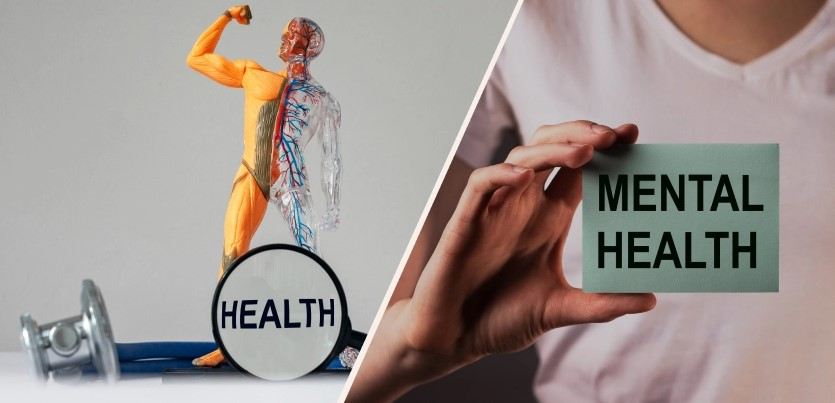
Mental Health
- Anxiety and Depression: Stress is a major risk factor for mood disorders.
- Cognitive Decline: Prolonged stress impairs memory, focus, and decision-making.
- Burnout: Persistent stress, particularly in work settings, can lead to emotional exhaustion and reduced productivity.
The Connection Between Stress and Lifestyle
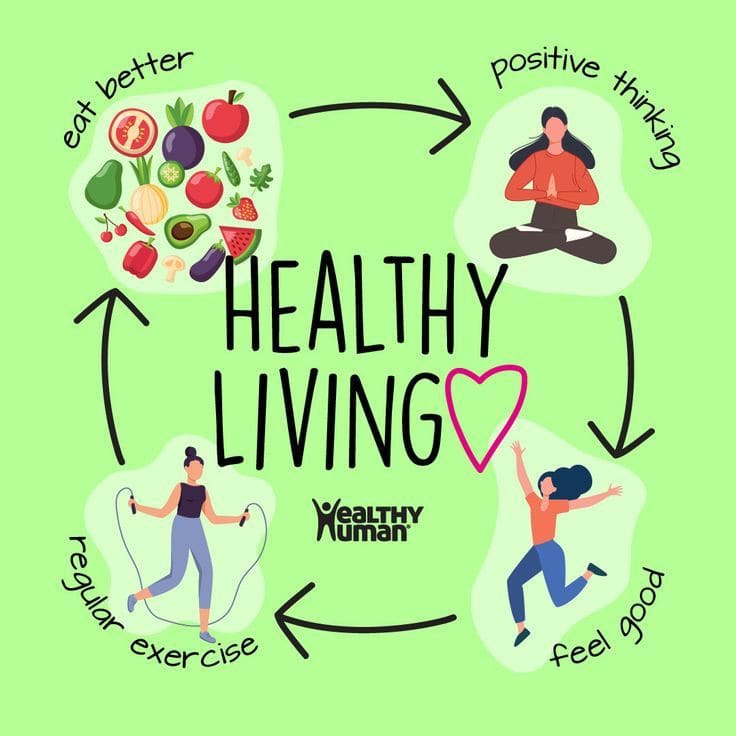
Stress often drives people toward unhealthy coping mechanisms such as overeating, smoking, excessive alcohol consumption, or physical inactivity. Over time, these behaviors contribute to lifestyle diseases like obesity, hypertension, and diabetes.
The relationship is cyclical: poor lifestyle choices increase stress, while stress encourages unhealthy habits. Breaking this cycle requires conscious effort and healthier coping strategies.
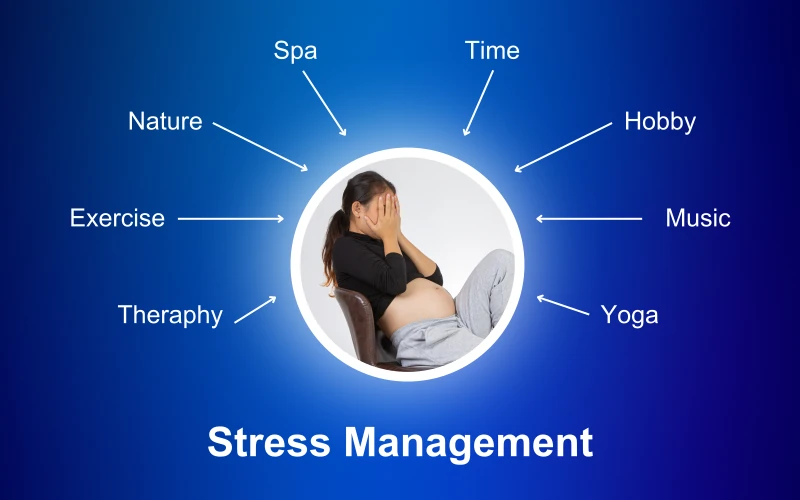
Practical Ways to Manage Stress
1. Exercise Regularly
Physical activity reduces stress hormones and stimulates endorphins, the body’s natural mood boosters. Even 30 minutes of brisk walking, yoga, or cycling daily can make a significant difference.
2. Eat a Balanced Diet
Nutritious foods stabilize blood sugar levels and support brain health. Diets rich in fruits, vegetables, whole grains, lean proteins, and omega-3 fatty acids reduce stress and improve mood.
3. Practice Mindfulness and Meditation
Mindfulness helps individuals stay present and avoid being overwhelmed by thoughts of the past or future. Techniques such as meditation, deep breathing, and progressive muscle relaxation calm the nervous system.
4. Prioritize Sleep
Quality sleep allows the body to reset and manage stress better. Aim for 7–9 hours of sleep per night, and maintain consistent bedtime routines.
5. Build Strong Social Connections
Spending time with supportive friends and family reduces feelings of isolation and provides emotional comfort during stressful times.
6. Time Management
Planning tasks, setting realistic goals, and taking breaks prevent overwhelm. Learning to say “no” is also a vital skill in managing demands.
7. Limit Stimulants and Alcohol
Excessive caffeine, nicotine, or alcohol can worsen stress and anxiety. Reducing these substances helps regulate mood and energy levels.
8. Seek Professional Support
When stress becomes overwhelming, professional help from a counselor, psychologist, or therapist is beneficial. Stress management programs and cognitive-behavioral therapy (CBT) have proven effective.
Creating a Personal Stress Management Plan
Every individual experiences stress differently, so strategies must be personalized. A good plan may include:
- Identifying personal stress triggers.
- Developing healthy coping techniques (exercise, relaxation practices).
- Maintaining a balanced lifestyle with proper nutrition and sleep.
- Regularly reviewing and adjusting strategies.
The Role of Employers and Communities

Managing stress is not only an individual responsibility but also a societal one. Workplaces and communities can help by:
- Implementing wellness programs.
- Encouraging flexible work arrangements.
- Promoting mental health awareness.
- Providing access to recreational facilities and counseling services.
Conclusion
Stress is a natural part of life, but chronic or unmanaged stress can harm physical and mental health. From cardiovascular disease and diabetes to anxiety and depression, the consequences of prolonged stress are profound. However, stress is manageable. Through healthy lifestyle choices, mindfulness practices, strong social support, and professional guidance, individuals can reduce stress levels and improve their quality of life.
Ultimately, learning to manage stress is not about eliminating challenges but about building resilience and maintaining balance in the face of them. By making stress management a priority, individuals can safeguard their long-term health and well-being.