

Explore the ultimate guide to dental treatments, from fillings & crowns to implants & veneers. Learn about procedures, benefits, and how to choose the right care for your smile.
Introduction: Your Pathway to a Healthy, Confident Smile
Navigating the world of dental treatments can feel overwhelming. With so many procedures and technical terms, it’s hard to know what you truly need for a healthy, functional, and beautiful smile. This definitive guide cuts through the confusion, offering a clear roadmap to modern dental solutions. From the essential preventive care that stops problems before they start, to the life-changing restorative and cosmetic procedures that rebuild confidence, understanding your options is the first step toward optimal oral health. Whether you’re managing a nagging toothache or dreaming of a complete smile makeover, this comprehensive overview will empower you to make informed decisions with your dental team.
The Foundation: Preventive & Diagnostic Treatments
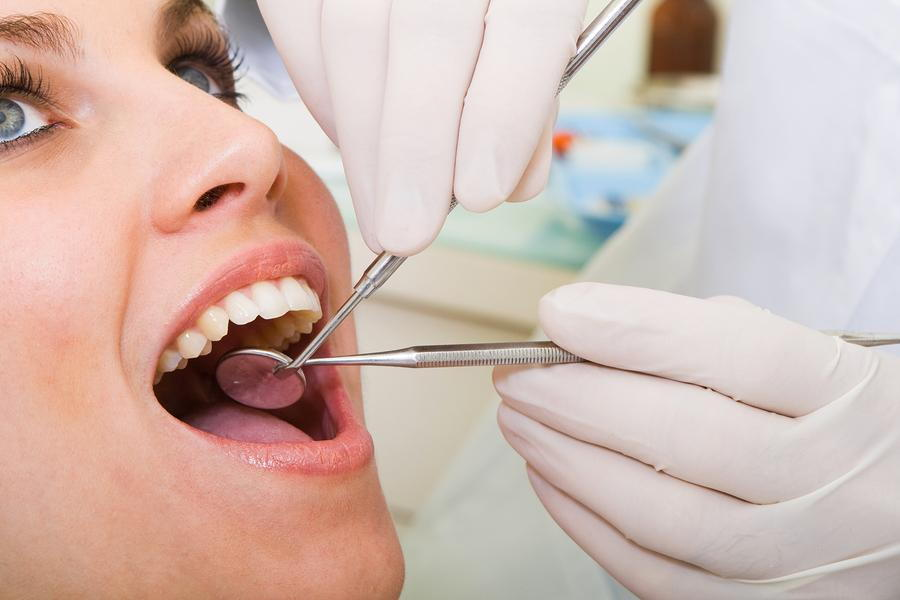
Preventive care is the cornerstone of dentistry, focused on maintaining health and catching issues early when they are simplest and least expensive to treat.
1. Professional Cleanings (Prophylaxis): Even with excellent brushing and flossing, plaque hardens into tartar (calculus) that only a dental professional can remove. Regular cleanings prevent gum disease and cavities.
2. Dental Examinations: A comprehensive check-up, including a visual inspection, periodontal screening, and often digital X-rays, allows your dentist to diagnose cavities, gum disease, and other problems.
3. Fluoride Treatments: A professional-strength fluoride application helps remineralize tooth enamel, making it more resistant to decay. It’s highly beneficial for both children and adults at higher risk for cavities.
4. Dental Sealants: A thin, protective plastic coating applied to the chewing surfaces of back teeth (molars). It seals out decay-causing bacteria and is a highly effective preventive measure for children and teenagers.
Category 1: Restorative Treatments – Repairing Damage
When decay or damage occurs, restorative treatments aim to repair the tooth’s structure and function.
Fillings
The most common restorative procedure. After removing decay, the dentist fills the cavity with a durable material.
- Composite Resin (Tooth-Colored): Made of a plastic and glass mixture, it is shaded to match your natural teeth. It bonds directly to the tooth, often allowing for a more conservative preparation.
- Amalgam (Silver): A durable alloy of metals. While strong and long-lasting, its silver color and the ongoing debate about its mercury content have made composite fillings the more popular choice for visible areas.
Crowns (Caps)
A custom-made “cap” that fully encases a damaged, cracked, or severely decayed tooth. Crowns restore strength, shape, and appearance. They can be made from:
- Porcelain-fused-to-metal (PFM): Strong with a natural look.
- All-Ceramic or All-Porcelain: Offers the best natural color match and is ideal for front teeth.
- Zirconia: Extremely strong and durable, suitable for both front and back teeth.
- Gold Alloy: Renowned for its durability and gentle wear on opposing teeth.
Bridges
A fixed solution for one or more missing teeth. A bridge consists of artificial teeth (pontics) anchored by crowns on the healthy teeth on either side of the gap. It “bridges” the space.
Root Canal Therapy (Endodontics)
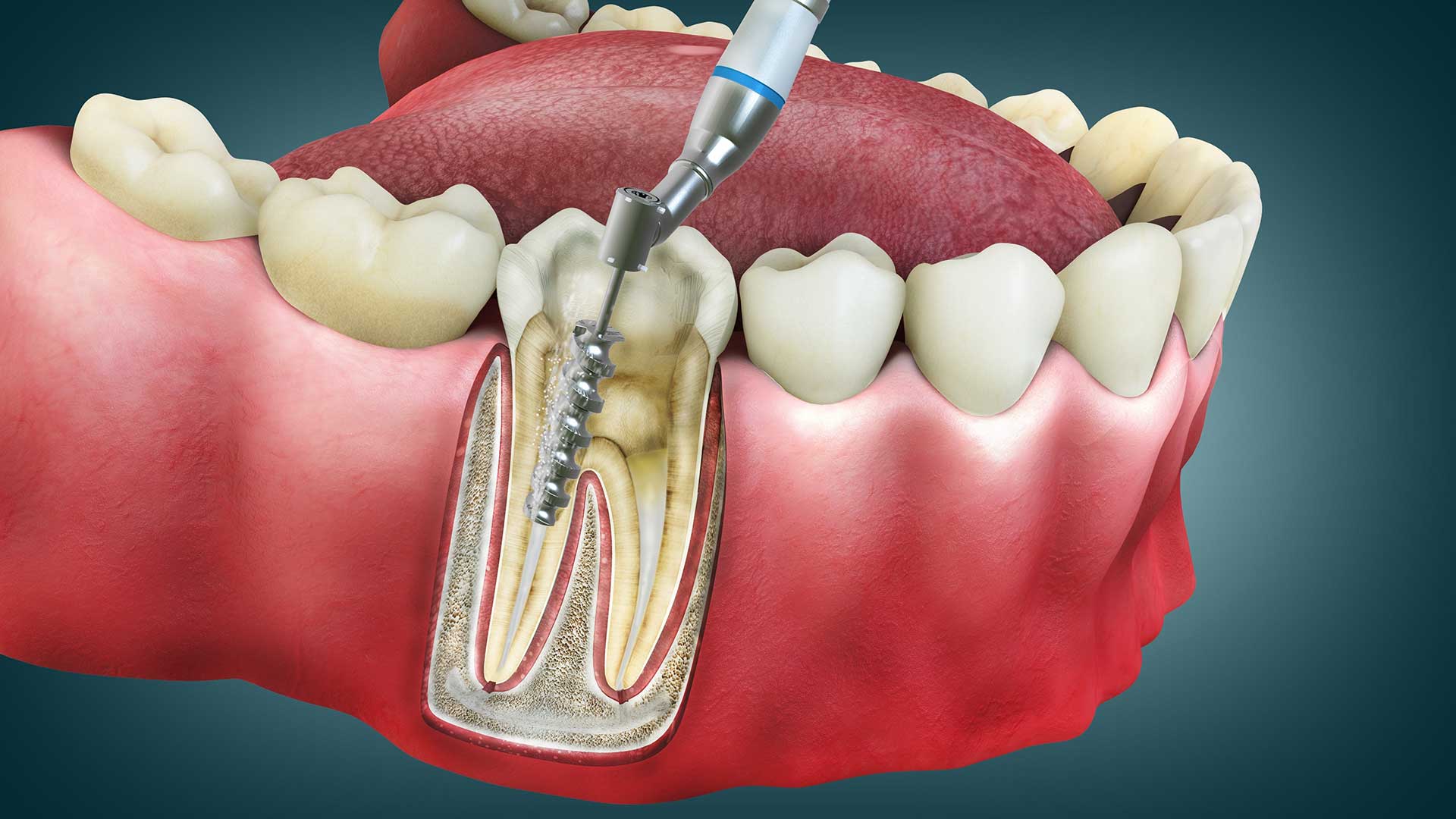
When decay or trauma reaches the tooth’s inner nerve (pulp), a root canal is needed to save the tooth. The procedure involves removing the infected pulp, cleaning and disinfecting the inner canals, and sealing them. Despite its intimidating reputation, modern root canal therapy is a routine and pain-relieving procedure that prevents extraction and the need for more complex replacements.
Dental Implants
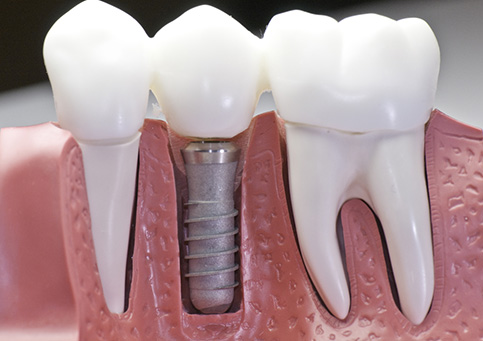
The gold standard for replacing missing teeth. An implant is a small titanium post surgically placed into the jawbone to act as an artificial tooth root. After healing, a custom crown is attached. Implants are prized for their stability, bone-preserving properties, and natural feel. For complex cases involving multiple missing teeth, implant-supported bridges or dentures may be recommended.
Table 1: Comparison of Common Tooth Replacement Options
| Treatment | Best For | Key Advantages | Considerations |
|---|---|---|---|
| Dental Implant | Single or multiple missing teeth, where bone health is good. | Prevents bone loss, feels & functions like a natural tooth, doesn’t affect adjacent teeth. | Higher upfront cost, requires surgery and healing time. |
| Fixed Bridge | Replacing 1-3 consecutive missing teeth with healthy teeth on both sides. | Fixed solution, shorter treatment time than an implant. | Requires altering healthy adjacent teeth; doesn’t prevent bone loss under pontic. |
| Removable Partial Denture | Multiple missing teeth in different areas. | Least expensive option, non-invasive. | Less stable, can affect speech/eating, requires daily removal. |
Category 2: Cosmetic Dentistry – Enhancing Your Smile
Cosmetic treatments focus on improving the appearance of your teeth, gums, bite, and overall smile.
Teeth Whitening
The most popular cosmetic procedure. It can dramatically brighten a smile discolored by food, drink, tobacco, or aging.
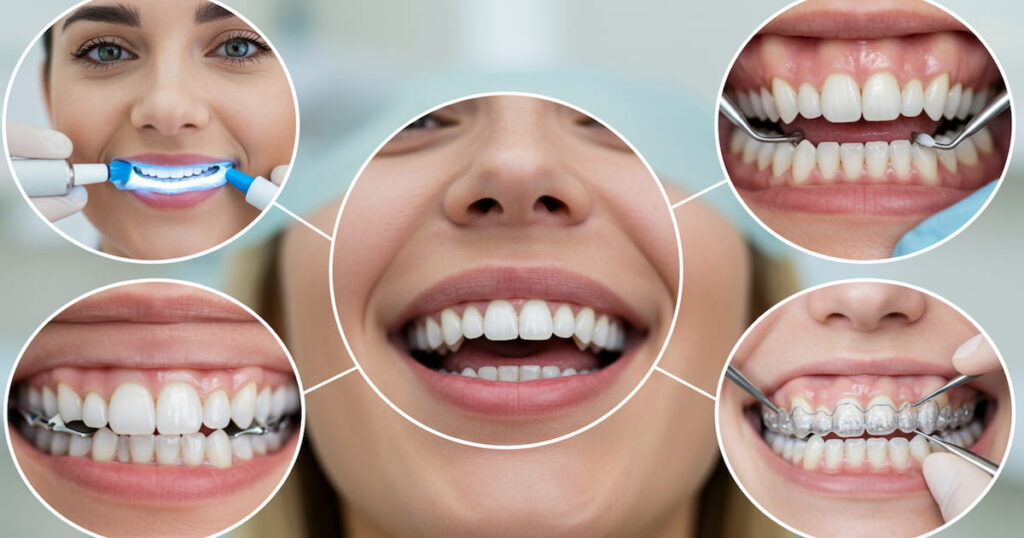
- In-Office Professional Whitening: Dentist-administered, using a high-concentration bleaching gel often activated by a special light. Delivers the most significant results in about an hour.
- Take-Home Professional Kits: Your dentist provides custom trays and a professional-grade bleaching gel for use at home over a period of days or weeks.
Veneers
Thin, custom-made shells of porcelain (or composite resin) that are bonded to the front surface of teeth. They are a transformative solution for:
- Severely discolored or stained teeth
- Chipped, worn, or misaligned teeth
- Gaps between teeth
Cosmetic Bonding
A tooth-colored composite resin is applied, molded, and hardened with a special light to repair chips, cracks, gaps, or discoloration. It’s a more affordable and less invasive alternative to veneers, though not as stain-resistant or durable.
Gum Contouring
For a “gummy smile” or an uneven gum line, a dentist or periodontist can reshape the gum tissue using lasers or surgical tools to create a more balanced, aesthetically pleasing frame for your teeth.
Category 3: Orthodontics – Correcting Alignment
Orthodontics involves diagnosing, preventing, and treating dental and facial irregularities—primarily misaligned teeth and jaws (malocclusion).
- Traditional Metal Braces: The most common type, using brackets and wires to gradually move teeth.
- Ceramic Braces: Tooth-colored or clear brackets that are less noticeable.
- Lingual Braces: Brackets and wires placed on the back (tongue side) of teeth, making them invisible from the front.
- Clear Aligners (e.g., Invisalign): A series of removable, clear plastic trays that gradually shift teeth. Popular with adults for their discretion.
Category 4: Periodontal (Gum) Treatments
Healthy gums are the foundation of a healthy mouth. Treatments range from non-surgical to surgical.
- Scaling and Root Planing: A deep cleaning procedure. Scaling removes tartar from above and below the gumline; root planing smooths the tooth root to help gums reattach.
- Periodontal Surgery: In advanced cases, procedures like flap surgery (to reduce pocket depth) or bone and tissue grafts may be necessary to regenerate lost support.
Category 5: Specialized & Surgical Treatments
Oral Surgery
- Tooth Extractions: Removal of severely damaged, decayed, or impacted teeth (like wisdom teeth).
- Bone Grafting: Adds bone to the jaw to provide adequate support for dental implants or to address bone loss from periodontal disease.
- Corrective Jaw (Orthognathic) Surgery: Addresses skeletal problems to improve chewing, speaking, breathing, and facial appearance.
Pediatric (Children’s) Dentistry
Focuses on the unique oral health needs of infants, children, and adolescents, including preventive care, cavity treatment, habit counseling (thumb-sucking), and management of dental injuries.
Treatment for Sleep Apnea & TMD
Dentists can fabricate oral appliance therapy devices, similar to mouthguards, that help keep the airway open during sleep for those with obstructive sleep apnea. They also diagnose and treat temporomandibular joint disorders (TMD/TMJ), which cause jaw pain, clicking, and headaches.
Navigating Your Choices: How to Decide on Treatment
Choosing the right treatment involves a collaborative discussion with your dentist. Key factors include:
- The Diagnosis: What is the specific problem, and what are all the viable solutions?
- Your Oral Health Goals: Are you focused solely on function, or are aesthetics a primary concern?
- Long-Term Outlook: What is the expected longevity and maintenance requirement of each option?
- Budget and Insurance Coverage: Understand the costs and what your dental plan will contribute.
Always ensure you receive a clear treatment plan that outlines the proposed procedures, sequence, timeline, fees, and payment options.
FAQs: Your Top Dental Treatment Questions Answered
1. What’s the difference between a filling and a crown?
A filling repairs a hole or cavity within the tooth structure. A crown encases the entire visible portion of a tooth that is too damaged, weak, or broken to be restored with a filling. It’s like the difference between patching a wall versus installing a new, reinforced wall covering.
2. How long do dental implants last?
With proper care and maintenance, the implant post itself can last a lifetime. The crown attached to it may need replacement due to normal wear after 10-15 years, similar to a natural tooth. Their success hinges on excellent oral hygiene and regular dental check-ups. For more on advanced care, see our article on dental specialties.
3. Are cosmetic procedures like veneers covered by insurance?
Typically, no. Most dental insurance plans classify procedures that are primarily aesthetic (like veneers, whitening, and cosmetic bonding) as elective and do not cover them. However, if a veneer is needed to restore a cracked or damaged tooth, a portion may be covered. Always check with your insurance provider.
4. I’m terrified of the dentist. What are my options for anxiety?
Modern dentistry offers excellent solutions. Discuss your fears openly with your dentist. Options include:
- Communication Signals: A simple hand signal to request a break.
- Nitrous Oxide (“Laughing Gas”): A mild sedative inhaled through a mask to induce relaxation.
- Oral Sedation: Prescription medication taken before your appointment.
- IV Sedation: For profound relaxation during more complex procedures.
Addressing dental anxiety is crucial, as it is deeply connected to your overall mental health and wellbeing.
5. How can I maintain my dental treatments?
Long-term success depends on a consistent, thorough home care routine and regular professional care.
- Brush twice daily with fluoride toothpaste and a soft-bristled brush.
- Floss daily to clean between teeth and around crowns, bridges, and implants.
- Use recommended aids like interdental brushes or water flossers.
- Visit your dentist every six months (or as recommended) for cleanings and check-ups.
- Avoid habits that can damage dental work, like chewing ice, hard candy, or using your teeth as tools.
Conclusion: Investing in Your Oral Health is Investing in Yourself
Understanding the wide array of dental treatments empowers you to be an active partner in your oral health journey. From the essential preventive visit to the sophisticated digital planning of a full-arch restoration, modern dentistry offers solutions for virtually every need and goal. The key is to start with a comprehensive examination, ask questions, and develop a personalized treatment plan with a dentist you trust. By prioritizing your oral health, you’re making a powerful investment in your overall health, confidence, and quality of life for years to come.