
Discover how dental implants & cosmetic dentistry merge to create stunning, healthy smiles. Learn about the process, benefits, and if you’re a candidate.
The Unbeatable Fusion of Health, Function, and Beauty
The quest for a perfect smile is no longer just about appearances. Today, a revolutionary synergy between advanced implantology and precise cosmetic dentistry allows for full-mouth transformations that are as healthy as they are stunning. This isn’t about mere surface-level fixes; it’s about rebuilding the very foundation of your smile. Dental implants provide the durable, functional base, while cosmetic artistry shapes the visible beauty, together creating results that are virtually indistinguishable from natural teeth. This guide explores how this powerful combination works, offering a permanent solution to tooth loss that restores your confidence from the roots up.
The Foundational Role of Dental Implants

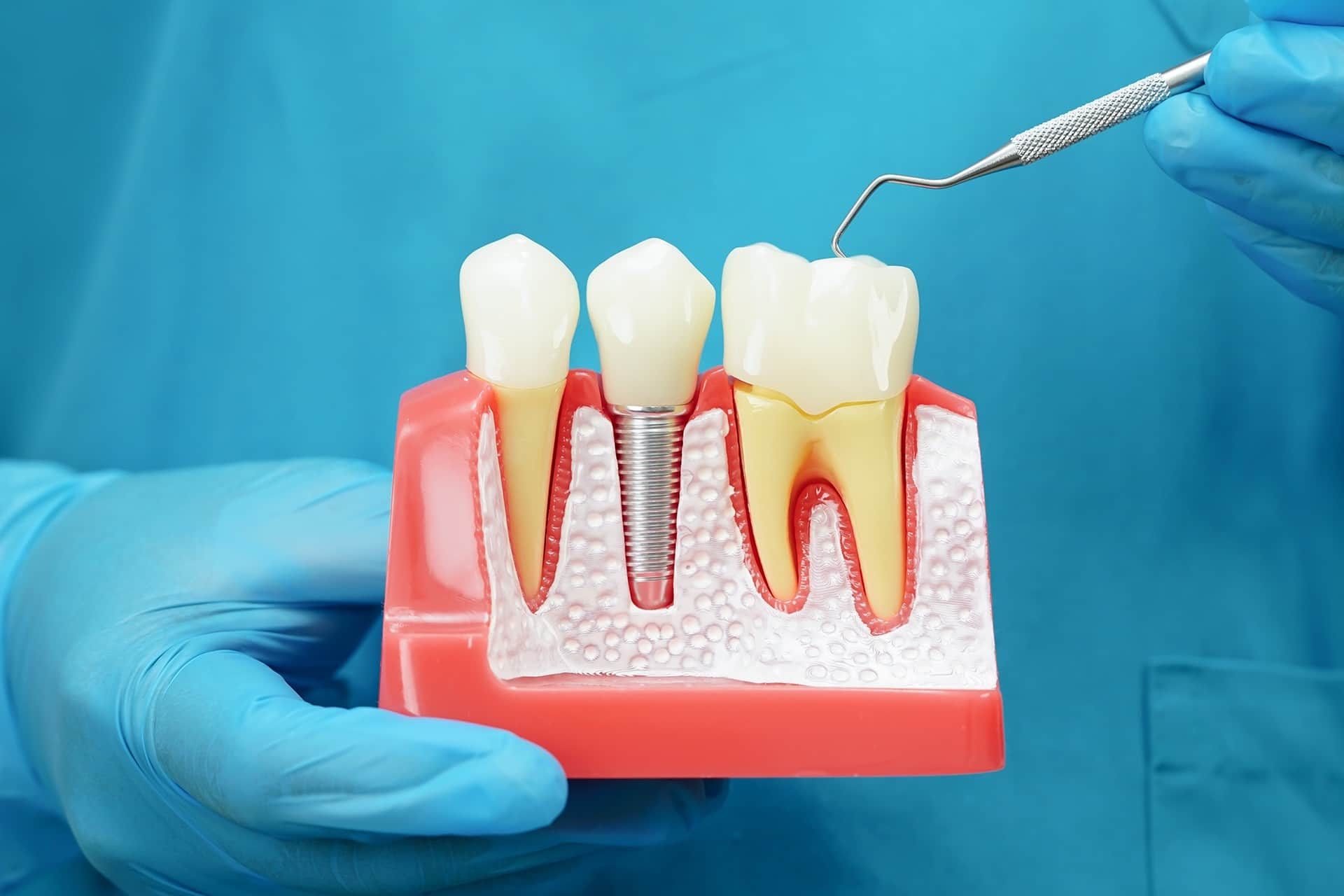
At its core, a dental implant is a small, biocompatible titanium post that serves as an artificial tooth root, surgically placed into your jawbone. Following placement, a remarkable process called osseointegration occurs, where the jawbone fuses with the implant, creating a rock-solid foundation. This integrated post then supports a custom-made prosthetic tooth—a crown, bridge, or denture.
The benefits of choosing implants for tooth replacement are substantial:
- Jawbone Preservation: Unlike other options, implants stimulate the jawbone just like natural roots, preventing the bone loss that typically follows tooth extraction.
- Unmatched Stability: They are securely anchored, eliminating the slips, clicks, and discomfort associated with traditional dentures.
- Protection of Adjacent Teeth: For a single missing tooth, an implant stands alone without requiring the alteration or grinding down of healthy neighboring teeth, which is necessary for a traditional bridge.
- Longevity and Function: With proper care, the implant post itself can last a lifetime, allowing you to eat, speak, and smile with total confidence.
The journey to an implant-supported smile is a carefully planned process involving a dental team, which may include a surgeon, a periodontist (gum specialist), and a prosthodontist (restoration specialist). The process takes several months, primarily due to the essential healing and bone integration period. It begins with a comprehensive exam and 3D imaging to plan the ideal placement.
Comparison of Dental Implant Prosthetic Options
| Prosthetic Type | Best For | Key Features | Stability & Maintenance |
|---|---|---|---|
| Implant Crown | Replacing a single missing tooth. | A single custom crown attached to one implant. Preserves adjacent teeth. | Fixed and permanent. Cleaned like a natural tooth. |
| Implant Bridge | Replacing several missing teeth in a row. | A bridge of connected crowns supported by 2+ implants. More economical than individual implants. | Fixed and permanent. Requires special flossing underneath. |
| Implant Denture (Overdenture) | Replacing many or all teeth in an arch. | A removable denture that snaps onto 2-4 implants. | Removable by the patient for cleaning. Far more stable than traditional dentures. |
| Full-Arch Fixed (All-on-4/6) | Replacing all teeth in an arch. | A full set of teeth fixed permanently to 4-6 implants. | Fixed and non-removable by patient. Offers the highest function and bite force. |
The Art and Science of Smile Design
This is where cosmetic dentistry elevates the functional implant into a work of art. Smile design is a comprehensive, personalized approach that plans the final aesthetic outcome by considering the entire visual frame of your face and mouth.
A skilled cosmetic dentist doesn’t just look at teeth in isolation. During the design process, they evaluate crucial facial and dental aesthetics, including:
- The Smile Line: The curve of your upper teeth relative to your lower lip.
- Facial Harmony: The size, shape, and proportions of your teeth as they relate to your lips, gums, and overall face shape.
- Dental Geography: The individual character, texture, and alignment of each tooth.
- Gum Health and Contour: Ensuring gums are healthy and frames the teeth symmetrically.
Modern technology is central to this process. Using Digital Smile Design (DSD) software, dentists can take photos and scans of your face and mouth to create a digital preview of your new smile. This allows you to see and approve the projected outcome before any treatment begins. Furthermore, CAD/CAM technology enables the precise digital design and milling of your final crowns or veneers from high-quality materials like porcelain, ensuring a perfect fit and lifelike appearance.
The Synergy: Implants as the Canvas for Cosmetic Art

The true magic happens when implantology and cosmetic dentistry converge. Dental implants provide the predictable, stable foundation that cosmetic dentists need to execute complex smile makeovers with long-term success.
For example, a patient missing multiple teeth may have experienced jawbone shrinkage and shifting of their remaining teeth, collapsing their facial profile. A treatment plan might involve:
- Placement of Implants: Strategically positioning implants to support a full-arch prosthesis.
- Guided by Digital Planning: Using the digital smile design as a blueprint for exact implant placement and angulation.
- Attachment of the Cosmetic Prosthesis: Fixing a meticulously crafted, natural-looking set of teeth onto the implants.
This process doesn’t just fill gaps; it can restore lip support, reduce wrinkles around the mouth, and reverse the aged look caused by tooth loss. The result is a transformation that is both profoundly aesthetic and deeply functional.
Current Trends and Future Innovations
The field is advancing rapidly, enhancing both the process and the outcomes:
- AI-Powered Treatment Planning: Artificial intelligence is now used to analyze scans and assist in creating the most precise surgical and restorative plans, improving predictability.
- Enhanced Patient Experience: Technologies like 3D printing allow for faster production of surgical guides and temporary teeth. Laser dentistry enables gentle gum contouring with minimal discomfort, and for those with dental anxiety, conscious sedation options are available to ensure a calm, pain-free experience.
- Teledentistry: This allows for convenient virtual follow-ups and consultations, making the multi-stage implant journey more manageable for patients.
Choosing the right professional is paramount. Look for a clinician or team with specific credentials and proven experience in both surgical implant placement and cosmetic restorative work. Don’t hesitate to ask to see before-and-after portfolios of similar cases.
FAQs: Your Questions Answered
1. Am I a good candidate for implant-supported cosmetic dentistry?
Ideal candidates have good general and oral health, with enough jawbone to support implants or the ability to undergo a bone graft. Conditions like uncontrolled gum disease must be treated first. There is no upper age limit; health and bone quality are more important factors than age.
2. How do I care for my new implant-supported teeth?
While the implants themselves cannot decay, the gums around them must be kept healthy to prevent peri-implantitis (an infection similar to gum disease). This requires excellent oral hygiene—brushing, flossing with special tools, and regular professional cleanings. Your dental team will give you specific instructions.
3. What are the risks involved?
As with any surgery, there are small risks, such as infection, nerve injury, or sinus issues. However, these are uncommon, especially when performed by an experienced clinician. The long-term success rate for dental implants is very high. Understanding the full scope of any dental procedure is part of good patient communication, a principle emphasized in professional codes like the GDC standards we’ve discussed previously.
4. How long will the entire process take?
A complete implant and cosmetic reconstruction is a journey, not a quick fix. From initial planning to final placement, it can take six months to a year or more, as adequate healing time between stages is critical for long-term success.
5. Why is it so important to replace missing teeth, even if they aren’t visible?
Tooth loss starts a chain reaction. The jawbone deteriorates without stimulation, adjacent teeth can shift, your bite can change, and it can become harder to chew properly, affecting nutrition. Replacing teeth with implants preserves your oral health and facial structure. For more on the importance of oral health foundations, you can explore our article on what causes tooth decay.
Conclusion: Investing in a Lifetime of Confidence
Choosing implant-supported cosmetic dentistry is an investment in your health, function, and self-esteem. It represents the pinnacle of modern dental care, where cutting-edge science meets artistic vision to deliver solutions that are built to last. By restoring your smile from the root to the crown, this powerful approach does more than just create a beautiful appearance—it rebuilds the foundation for a healthier, more confident you.