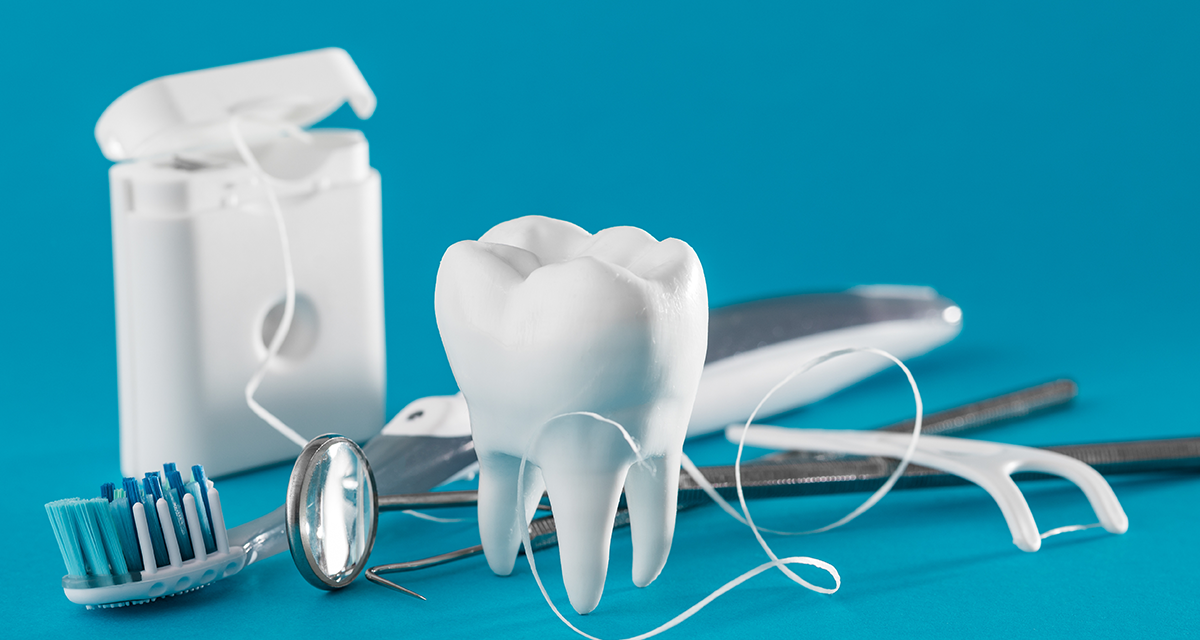

Discover the shocking truth about barriers to oral health: cost, fear, access & more. Learn to overcome these obstacles for a healthier smile & life.
Introduction: The Silent Epidemic Hiding in Plain Sight
Tooth decay remains the most common non-communicable disease on the planet, yet achieving good oral health feels like an insurmountable challenge for millions. Why, in an age of advanced dentistry, do so many struggle with preventable pain and disease? The answer lies not in a lack of willpower, but in a complex web of systemic and personal barriers that create an invisible wall between people and a healthy smile. These obstacles range from crippling costs and deep-seated fear to simple gaps in knowledge and “dental deserts” with no care in sight. This article exposes the harsh realities and surprising truths behind these barriers, empowering you to understand the challenges and, more importantly, discover the practical pathways to overcoming them.
1. The Socioeconomic Barrier: The Crushing Cost of Care
For many, the most formidable barrier is purely financial. Dentistry often exists in a separate, costly sphere from general healthcare.
- The High Price of Treatment: Unlike many medical services covered by national health systems, dental care frequently requires significant out-of-pocket payment. A single root canal and crown can cost thousands, placing even basic restorative work out of reach for low-income families.
- Insurance Gaps and Limitations: Dental insurance, where available, is often limited. It may cap annual benefits at a low amount (e.g., $1,000-$1,500) and exclude major procedures or cosmetic work. Many plans also have waiting periods for basic treatments.
- The Prevention Paradox: Ironically, the high cost of preventive check-ups and cleanings can deter people from seeking care, leading to minor, inexpensive problems escalating into major, costly emergencies. This creates a vicious cycle of pain, expense, and tooth loss.
- The “Dental Desert”: In many rural and underserved urban areas, there is a critical shortage of dental providers, especially those accepting public insurance or offering sliding-scale fees. Patients may face long travel times and wait lists, effectively denying them access.
Table 1: Comparing Public vs. Private Dental Care Challenges
| Barrier Aspect | Public/Subsidized System | Private System |
|---|---|---|
| Primary Challenge | Extreme scarcity of providers; long waiting lists for non-emergency care. | High direct costs; complex and limited insurance coverage. |
| Access Issue | Geographic “deserts” where no services are available within reasonable distance. | Financial exclusion where services exist but are unaffordable. |
| Typical Outcome | Treatment is delayed until it becomes a painful emergency, requiring more complex intervention. | Care may be deferred or only partially completed due to cost, leading to ongoing problems. |
2. The Psychological Barrier: Fear, Anxiety, and Stigma
Dental anxiety is a powerful, real obstacle that prevents people from seeking essential care.
- Dental Phobia: For some, this anxiety escalates into a true phobia—an intense, irrational fear that leads to complete avoidance, sometimes for decades. This is often rooted in traumatic childhood experiences or a fear of loss of control.
- The Cycle of Shame and Embarrassment: Avoiding the dentist often leads to deteriorating oral health. Patients then feel ashamed of the state of their teeth, believing they will be judged by the dental team. This shame further fuels their avoidance, creating a debilitating cycle that’s hard to break.
- Lack of Trust: Historical mistreatment, cultural experiences, or negative stories from others can erode trust in dental professionals. This is deeply connected to the ethical principles that should guide all care, as outlined in frameworks like the 4 pillars of medical ethics, which prioritize patient autonomy and non-maleficence (“do no harm”).
- Mental Health Links: Conditions like depression, severe anxiety, and past trauma can make the prospect of a dental visit overwhelming. The energy required for self-care, including oral hygiene, can be depleted. For a deeper exploration of this critical intersection, see our article on mental health and dentistry.
3. The Physical and Physiological Barrier: Pain, Disability, and Conditions
The body itself can create significant obstacles to maintaining oral health.
- Chronic Pain and Fatigue Conditions: For individuals with fibromyalgia, chronic fatigue syndrome, or severe arthritis, the simple acts of brushing and flossing can be physically painful and exhausting.
- Developmental and Physical Disabilities: Conditions that affect motor skills, such as cerebral palsy, Parkinson’s disease, or spinal cord injuries, can make it impossible to hold a toothbrush or perform precise hygiene tasks without adaptive aids or caregiver assistance.
- Medical Conditions and Side Effects:
- Dry Mouth (Xerostomia): A common side effect of hundreds of medications (for depression, high blood pressure, allergies) and conditions like Sjögren’s syndrome. Saliva is crucial for neutralizing acid and washing away food; without it, the risk of rampant decay skyrockets.
- Gastroesophageal Reflux Disease (GERD): Stomach acid entering the mouth erodes tooth enamel.
- Eating Disorders: The acid from frequent vomiting (in bulimia) severely erodes tooth enamel, particularly on the tongue-side of the upper front teeth.
- Diabetes: This disease impairs the body’s ability to fight infection, making gum disease more severe and rapid.
4. The Knowledge and Behavior Barrier: Misinformation and Habits
A surprising barrier is a simple lack of accurate information or the persistence of harmful habits.
- The “No Pain, No Problem” Myth: Many believe that if they aren’t in pain, their teeth are healthy. Unfortunately, gum disease and early cavities are often silent and painless. By the time pain arrives, the problem is usually advanced.
- Cultural and Familial Beliefs: In some cultures, tooth loss is viewed as an inevitable part of aging, not a preventable disease. Familial habits, like putting a baby to bed with a bottle of juice, can set the stage for severe early childhood caries.
- Confusion Over Conflicting Advice: The sheer volume of information online—about fluoride, alternative remedies, or brushing techniques—can be paralyzing and lead to inaction.
- The Power of Sugar and Diet: Understanding the role of diet is fundamental. Frequent consumption of sugary or acidic foods and drinks creates a constant acid attack on teeth. Public health measures like the sugar tax aim to combat this environmental driver of poor oral health at a population level.
5. The Environmental and Systemic Barrier: Beyond Individual Control
Larger forces shape our oral health from the very beginning.
- Lack of Fluoridated Water: Community water fluoridation is one of the most effective and equitable public health measures for preventing tooth decay. Living in an area without it puts an entire population at a higher risk, regardless of individual effort.
- Food Insecurity and “Food Swamps”: When access to affordable, nutritious food is limited, and cheaper, high-sugar processed foods are ubiquitous, maintaining a tooth-friendly diet becomes a major challenge.
- Educational Gaps: Oral health education is not consistently or effectively integrated into school curricula or general health messaging.
- Fragmented Healthcare Systems: The historic separation of dental care from medical care means that physicians and dentists rarely communicate. A doctor may not think to ask about oral health, and a dentist may not have full medical history context.
Pathways Through the Wall: Strategies for Overcoming Barriers
Recognizing these barriers is the first step. The next is finding ways to overcome them.
For Financial Barriers:
- Seek Out Dental Schools: Teaching clinics provide supervised, low-cost care.
- Investigate Federally Qualified Health Centers (FQHCs): These community health centers offer dental services on a sliding fee scale based on income.
- Inquire About Payment Plans: Many private offices offer in-house monthly payment plans or work with third-party medical credit companies.
For Anxiety and Fear:
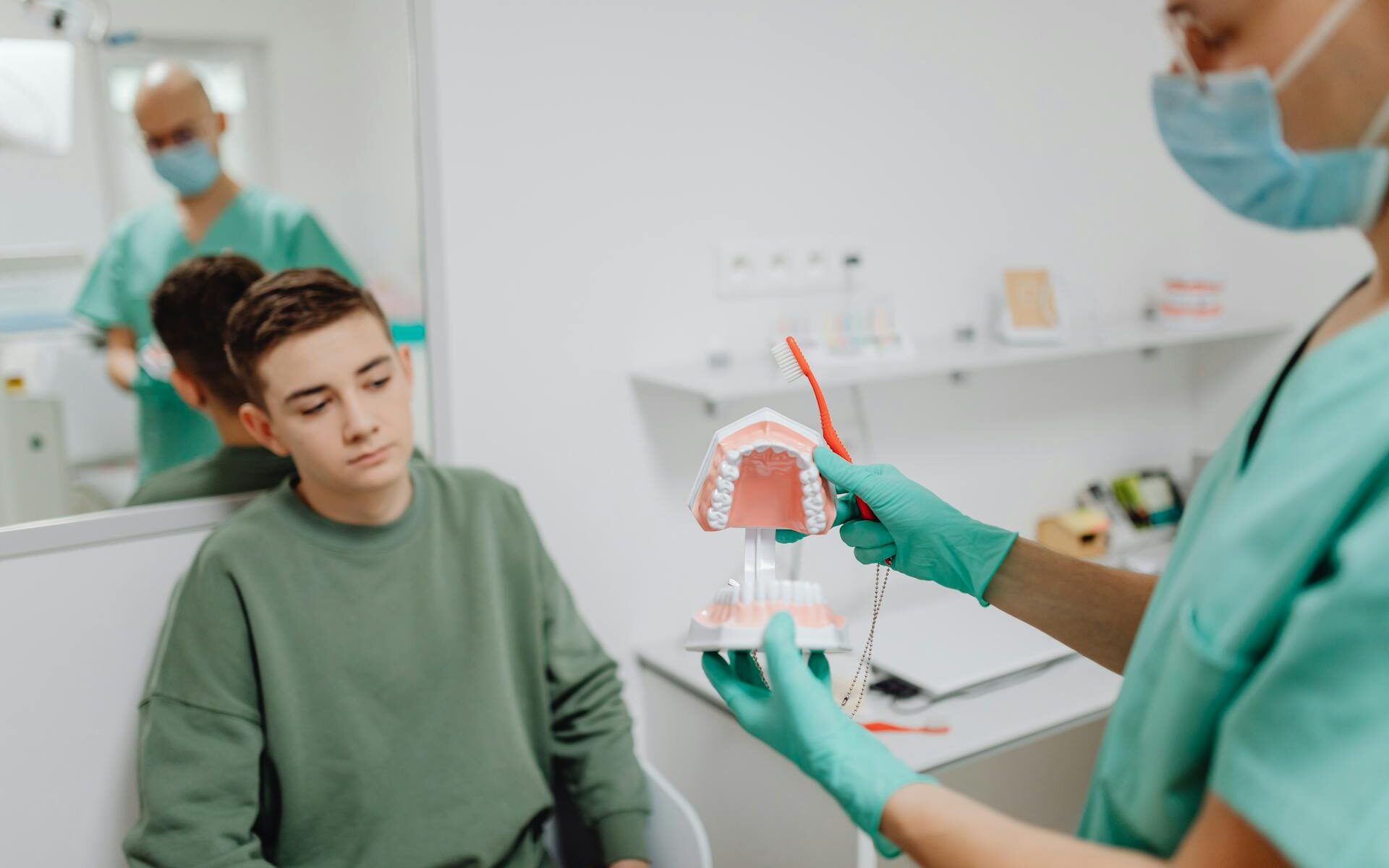
- Practice “Tell-Show-Do”: Find a dentist who will explain every step, show you the instruments, and proceed only with your consent. Agree on a “stop signal” (like raising your hand) to maintain a sense of control.
- Explore Sedation Options: From nitrous oxide (“laughing gas”) to oral sedatives, safe options exist to make treatment manageable for anxious patients.
- Seek a Trauma-Informed Dentist: Some practitioners specialize in caring for patients with high anxiety or past trauma.
For Physical and Knowledge Barriers:
- Ask for Adaptive Tools: Electric toothbrushes, floss holders, and water flossers can make hygiene possible for those with limited dexterity.
- Schedule a “Hygiene Tutorial”: Ask your dentist or hygienist for a one-on-one session to review the best techniques for you.
- Use Reliable Resources: Get information from authoritative sources like the World Health Organization’s oral health facts.
FAQs: Your Questions on Overcoming Barriers
Q1: I’m terrified of the dentist and haven’t been in over 10 years. What should I do first?
Start with a simple consultation, not a treatment. Call offices and explain your situation. Look for a dentist who advertises “caring for anxious patients.” Your first visit should only be a conversation. You are in control. This builds the trust needed to move forward. Remember, dental teams are used to this and want to help, not judge.
Q2: I simply can’t afford recommended treatment. Are there any alternatives to extraction?
Always ask. First, get a detailed written treatment plan and a second opinion. Discuss with your dentist if there is a more affordable, temporary, or phased approach to stabilize your oral health, even if it’s not the ideal long-term solution. Extracting a salvageable tooth should be a last resort, as it creates more problems and costs later.
Q3: How can I help an elderly relative or someone with a disability maintain their oral health?
Focus on adaptation and assistance. An electric toothbrush may be easier to hold. A floss holder can help. If you are a caregiver, approach the task gently and respectfully. For those with dementia, use short, simple instructions and model the behavior. Professional in-home care services sometimes include oral hygiene assistance.
Q4: Is it too late to start if my oral health is already poor?
It is absolutely never too late. Modern dentistry specializes in full-mouth rehabilitation. The first step is breaking the cycle of avoidance. Even starting with a cleaning and addressing the most pressing infection can dramatically improve pain, health, and confidence. The goal shifts from perfect prevention to halting disease and restoring function.
Q5: Why does oral health even matter for my overall health?
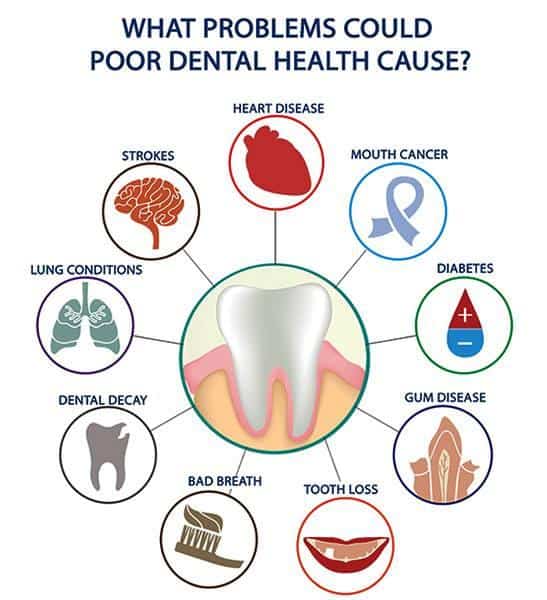
The mouth is the gateway to the body. Chronic gum disease is linked to increased risk of heart disease, stroke, poorly controlled diabetes, and respiratory infections. It’s also linked to adverse pregnancy outcomes. Treating oral disease isn’t just about saving teeth; it’s an investment in your whole-body health. For a deep dive into these connections, explore our article on how oral health impacts general health.
Conclusion: From Barriers to Bridges
The barriers to oral health are real, multifaceted, and often interconnected. They are not merely personal failings but are frequently shaped by systemic inequities, psychological hurdles, and physical realities. The path forward requires a dual approach: systemic change to make care more accessible and affordable, and individual empowerment through knowledge, communication, and seeking out supportive practitioners.
By understanding these barriers, we can dismantle the shame and helplessness that surrounds dental disease. Whether you are navigating these challenges yourself or advocating for a loved one, remember that help exists, solutions can be found, and taking that first, small step is the most powerful move you can make toward a healthier future.