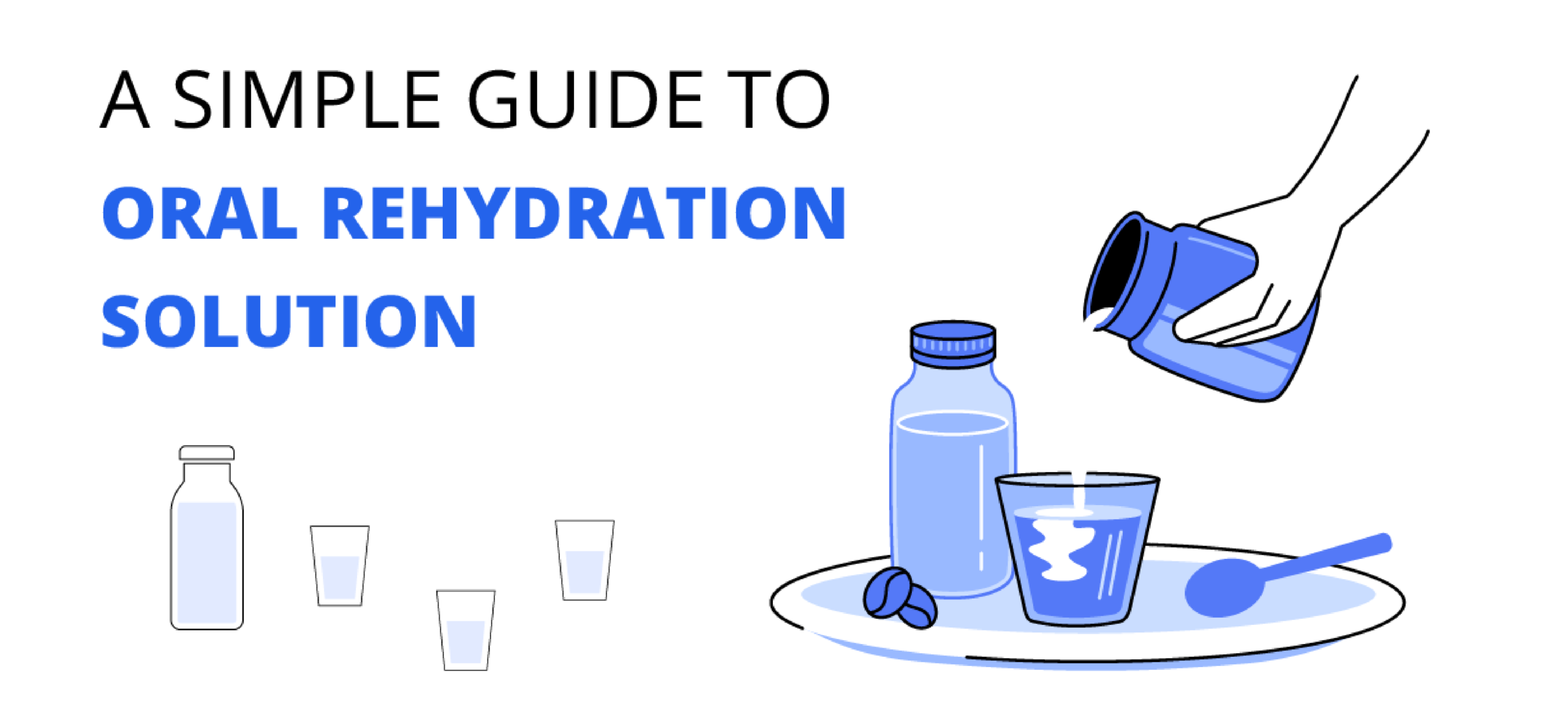

Discover the life-saving importance of Oral Hydration Therapy (ORT). Learn its uses, benefits, and how this simple treatment prevents dehydration and saves lives.
Introduction
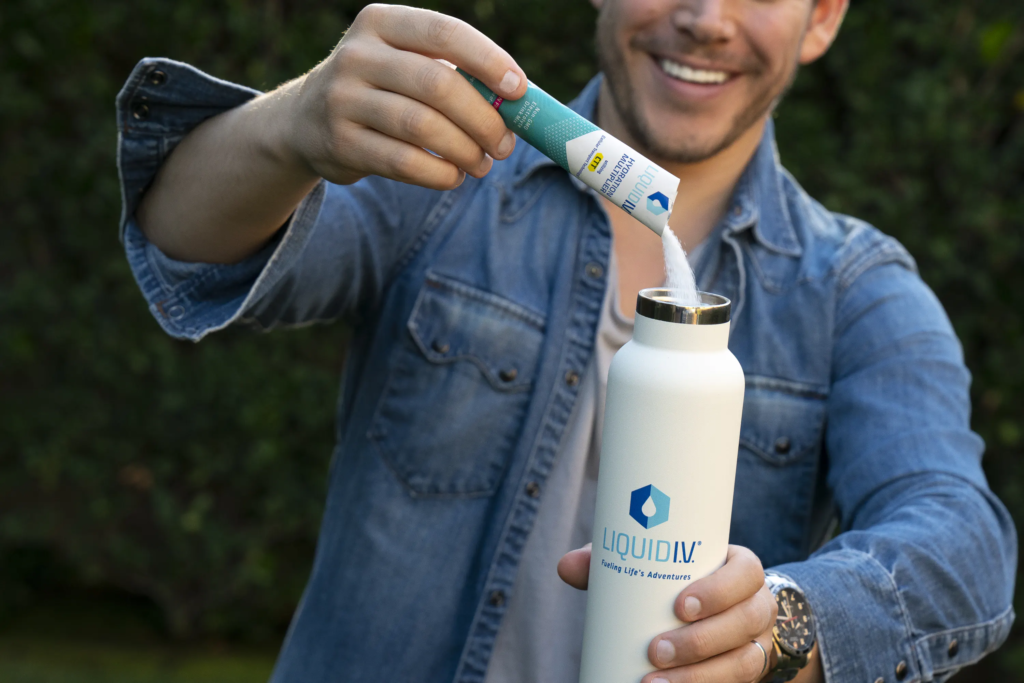
Oral Hydration Therapy (ORT), also known as Oral Rehydration Therapy, is one of the most important medical discoveries of the 20th century. Though simple, it has saved millions of lives, especially in children suffering from diarrhea and dehydration. This life-saving method involves drinking a precise combination of clean water, salts, and sugar commonly known as Oral Rehydration Solution (ORS).
Dehydration is a leading cause of mortality worldwide, particularly in low- and middle-income countries where diarrheal diseases remain a major public health concern. ORT is cost-effective, easy to administer, and has been recognized by the World Health Organization (WHO) as the cornerstone of dehydration management.
This article explores the importance of oral hydration therapy, its benefits, practical uses, and why it remains one of the most powerful tools against dehydration and fluid loss.
What is Oral Hydration Therapy?
Oral Hydration Therapy is a treatment used to replace lost body fluids and electrolytes in individuals experiencing dehydration. It is usually administered through an Oral Rehydration Solution (ORS) is a mixture of clean water, glucose (sugar), and electrolytes (like sodium and potassium). ORT is highly effective because it utilizes the body’s natural absorption mechanism in the intestines to quickly restore fluid balance.
Learn more about identifying fluid loss in our guide on Dehydration Symptoms and First Aid.
Importance of Oral Hydration Therapy
- Life-Saving Impact: ORT has reduced mortality from dehydration-related illnesses significantly, particularly in children under five.
- Cost-Effective: Compared to intravenous (IV) therapy, ORT is affordable and accessible for communities worldwide.
- Prevents Complications: Early use of ORT prevents severe dehydration, kidney damage, shock, and even death.
- Universal Application: Can be used for dehydration caused by diarrhea, vomiting, fever, heat exposure, and exercise.
- Empowerment: Families can prepare simple ORS solutions at home, making it a community-based intervention.
How Does Oral Hydration Therapy Work?
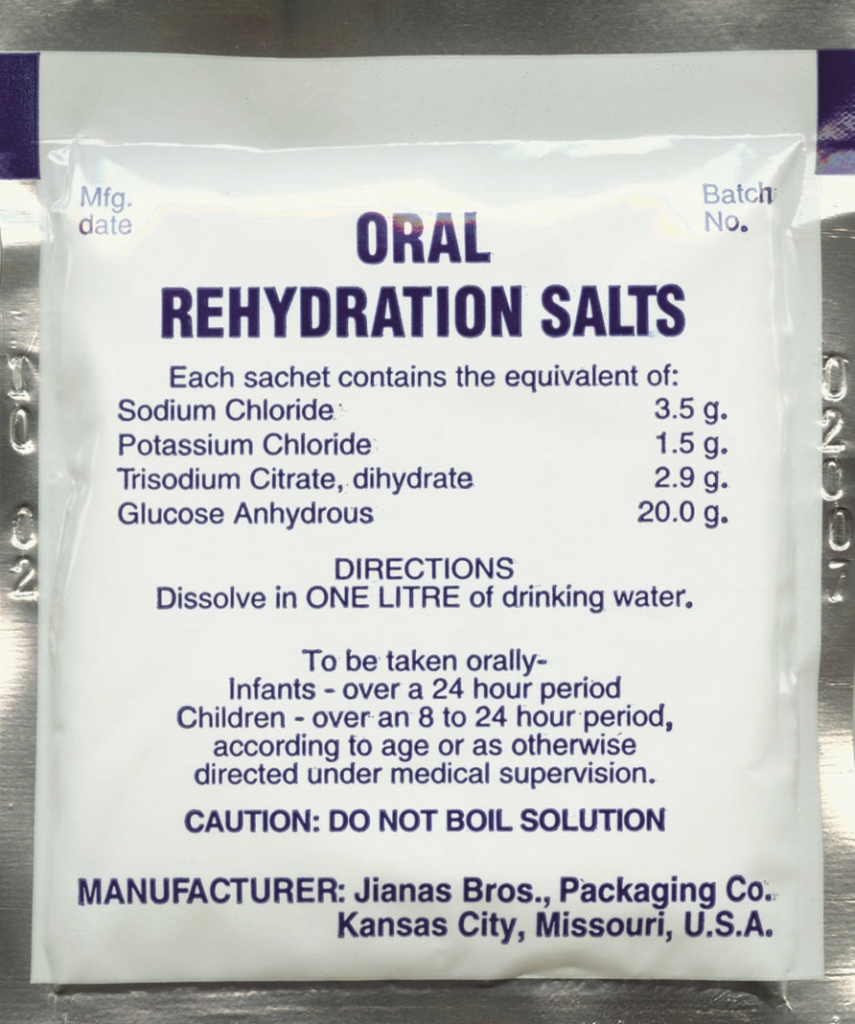
The science behind ORT lies in glucose-facilitated sodium absorption. When glucose and sodium are present together in the intestines, they enhance each other’s absorption, drawing water along with them into the bloodstream. This simple mechanism helps rehydrate the body faster than water alone.
For more on preventing dehydration through nutrition and safety, read Foodborne Illnesses and Prevention.
Uses of Oral Hydration Therapy
- Diarrheal Diseases: The primary and most significant use, recommended by WHO and UNICEF.
- Vomiting and Fever: Helps replace lost fluids during illness.
- Exercise and Heat Exhaustion: Athletes and workers in hot climates benefit from ORT to replenish electrolytes.
- Travel and Emergencies: ORS packets are lightweight, making them ideal for travelers, campers, and emergency kits.
- Childhood Illnesses: Particularly effective in managing dehydration in infants and young children.
How to Prepare Oral Rehydration Solution (Homemade ORS)
If pre-packaged ORS is unavailable, a homemade solution can be prepared with ingredients available in most homes:
- 1 liter of clean water
- 6 teaspoons of sugar
- 1/2 teaspoon of salt
Mix until completely dissolved. This simple formula can prevent life-threatening dehydration.
Benefits of Oral Hydration Therapy
- Reduces Child Mortality: Proven to cut death rates from diarrheal diseases by over 90%.
- Simple and Accessible: Can be prepared at home with minimal resources.
- Rapid Recovery: Restores energy and prevents further health decline.
- Global Recognition: Endorsed by WHO and UNICEF as a primary treatment.
- Non-Invasive: Unlike IV fluids, it does not require medical professionals to administer.
Limitations of Oral Hydration Therapy
- Not effective for patients who cannot drink or keep fluids down (e.g., persistent vomiting).
- Severe dehydration may require IV rehydration.
- Must be prepared correctly; too much sugar or salt can worsen dehydration.
Conclusion
Oral Hydration Therapy is more than just a medical treatment, it is a public health revolution. Its simplicity, effectiveness, and accessibility make it a cornerstone in managing dehydration globally. Whether for a child with diarrhea, an athlete recovering from heat exhaustion, or a traveler dealing with stomach upset, ORT remains a safe, reliable, and life-saving solution.