
Discover proven strategies for infectious diseases prevention and control. Learn how to protect yourself and your community from deadly pathogens with expert-backed methods that work.
Introduction
Infectious diseases remain one of humanity’s greatest health challenges, claiming millions of lives annually despite remarkable advances in modern medicine. From the common cold to devastating pandemics, these microscopic invaders continue to test our resilience and adaptability. Understanding how to prevent and control infectious diseases is not merely a matter of personal health—it’s a collective responsibility that protects entire communities and saves countless lives.
This comprehensive guide explores the most effective, science-backed strategies for infectious diseases prevention and control, empowering you with knowledge that can make a critical difference in your health and wellbeing.
Understanding Infectious Diseases: The Foundation of Prevention
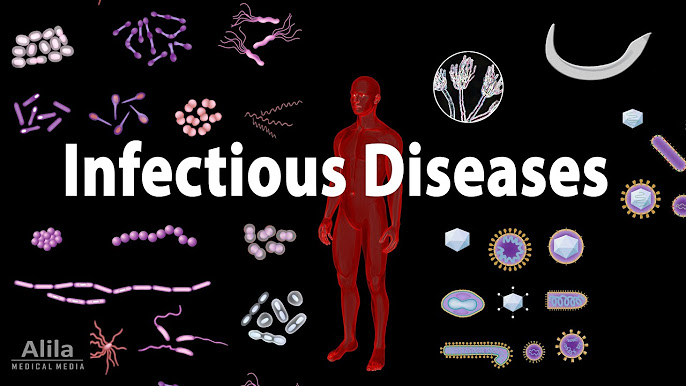
Infectious diseases are illnesses caused by pathogenic microorganisms including bacteria, viruses, fungi, and parasites. These disease-causing agents can spread directly from person to person, through contaminated food or water, via insect bites, or through contact with contaminated surfaces. The global burden of infectious diseases affects both developed and developing nations, though vulnerable populations often bear the heaviest consequences.
According to the World Health Organization, infectious diseases account for approximately 15 million deaths worldwide each year. The COVID-19 pandemic starkly reminded us that even in our technologically advanced era, infectious diseases can disrupt societies, economies, and healthcare systems on an unprecedented scale. This reality underscores the critical importance of robust prevention and control measures.
Understanding transmission pathways is fundamental to effective prevention. Respiratory infections spread through airborne droplets when infected individuals cough or sneeze. Foodborne pathogens contaminate consumables through improper handling or storage. Vector-borne diseases rely on insects like mosquitoes to transfer pathogens between hosts. Recognizing these transmission routes enables targeted prevention strategies that break the chain of infection.
Hand Hygiene: Your First Line of Defense Against Infection
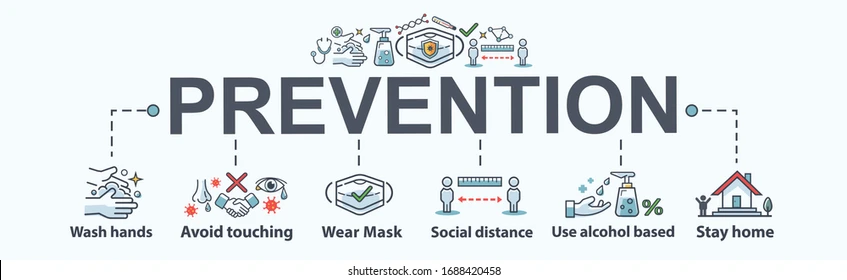
Hand hygiene stands as the single most effective measure for preventing infectious disease transmission. Our hands constantly contact contaminated surfaces, picking up pathogens that can easily transfer to our eyes, nose, and mouth—the primary entry points for many infections. Proper handwashing with soap and water for at least 20 seconds eliminates up to 99.9% of disease-causing microorganisms.
The Centers for Disease Control and Prevention emphasizes that hand hygiene should occur at critical moments throughout the day: before preparing or eating food, after using the restroom, after coughing or sneezing, after touching animals, and after handling garbage. When soap and water are unavailable, alcohol-based hand sanitizers containing at least 60% alcohol provide effective alternatives.
Despite its simplicity, hand hygiene compliance remains surprisingly low even among healthcare professionals. Studies reveal that healthcare workers wash their hands less than half as often as recommended protocols require. Improving this fundamental practice could prevent millions of healthcare-associated infections annually, saving lives and reducing medical costs substantially.
Teaching children proper handwashing techniques establishes lifelong habits that protect against infectious diseases. Making handwashing fun through songs or games increases compliance among young children, who frequently spread infections in schools and daycare centers. Parents and educators who model excellent hand hygiene create powerful examples that shape children’s health behaviors.
Vaccination: The Triumph of Preventive Medicine
Vaccination represents one of medicine’s greatest achievements, preventing an estimated 4 to 5 million deaths annually according to immunization experts. Vaccines train the immune system to recognize and combat specific pathogens before actual infection occurs, providing protection that can last years or even a lifetime. The near-eradication of diseases like smallpox and polio demonstrates vaccination’s transformative power.
Modern vaccine development has accelerated dramatically, with new platforms like mRNA technology enabling rapid response to emerging threats. The swift development of COVID-19 vaccines showcased how scientific innovation can mobilize against novel pathogens. Despite this success, vaccine hesitancy remains a significant barrier to achieving the high immunization rates needed for community protection.
Childhood vaccination schedules protect against numerous deadly diseases including measles, mumps, rubella, pertussis, and diphtheria. Adults require vaccination updates throughout life, including annual influenza vaccines, tetanus boosters, and age-appropriate immunizations like the shingles vaccine. International travelers need additional vaccines based on destination-specific disease risks.
Herd immunity occurs when sufficient population vaccination creates indirect protection for unvaccinated individuals, including those who cannot receive vaccines due to medical conditions. Achieving herd immunity requires vaccination rates typically exceeding 90% for highly contagious diseases like measles. When vaccination rates drop, outbreaks resurge, as seen in recent measles cases across communities with low immunization coverage.
Food Safety: Preventing Foodborne Illness Through Vigilance
Foodborne infectious diseases affect millions globally each year, causing symptoms ranging from mild gastrointestinal distress to life-threatening complications. Bacteria like Salmonella, E. coli, and Campylobacter contaminate food through improper handling, inadequate cooking, or cross-contamination between raw and cooked items. Preventing foodborne illness requires consistent attention to food safety principles throughout the entire farm-to-table chain.
The four core food safety practices—clean, separate, cook, and chill—form the foundation of effective prevention. Cleaning involves thoroughly washing hands, utensils, and surfaces before and after food preparation. Separation prevents cross-contamination by keeping raw meats away from ready-to-eat foods. Cooking foods to proper internal temperatures kills harmful pathogens. Refrigeration slows bacterial growth, keeping perishables safe for consumption.
Restaurant dining presents unique food safety challenges since consumers cannot directly observe preparation practices. Checking health inspection scores, observing cleanliness, and ensuring hot foods arrive steaming can help identify establishments with strong food safety standards. Avoiding high-risk foods like raw oysters, unpasteurized dairy, and undercooked eggs reduces exposure to particularly dangerous pathogens.
Home food preservation requires special attention to prevent botulism, a rare but potentially fatal foodborne illness. Proper canning techniques, including adequate processing times and temperatures, ensure that preserved foods remain safe. When in doubt about food safety, the adage “when in doubt, throw it out” provides sound guidance that can prevent serious illness.
Water Sanitation: The Cornerstone of Public Health
Access to clean water and adequate sanitation infrastructure prevents countless infectious disease cases globally. Waterborne pathogens including cholera, typhoid, hepatitis A, and various parasites spread through contaminated drinking water or inadequate sewage treatment. The World Health Organization estimates that unsafe water, sanitation, and hygiene cause approximately 829,000 diarrheal deaths annually, predominantly affecting children in low-resource settings.
In developed nations with treated municipal water, the risk of waterborne illness remains relatively low but not nonexistent. Water treatment facilities occasionally experience contamination events requiring boil-water advisories. Private well owners bear personal responsibility for testing and maintaining water quality, as these sources lack municipal oversight and treatment.
Travelers to regions with questionable water quality should consume only bottled or boiled water, avoid ice cubes, and use treated water for tooth brushing. Beverages made with boiled water like coffee and tea are generally safe, while raw fruits and vegetables washed in contaminated water can transmit pathogens. Portable water purification methods including filters, chemical treatments, and UV sterilization provide additional protection during travel or emergencies.
Climate change threatens water security in many regions, potentially increasing waterborne disease risks. Extreme weather events can overwhelm sanitation infrastructure, contaminating water supplies. Rising temperatures expand the geographic range of water-associated pathogens and their vectors. Building resilient water and sanitation systems represents a critical investment in infectious disease prevention.
Respiratory Etiquette: Controlling Airborne Transmission
Respiratory infections including influenza, tuberculosis, and COVID-19 spread primarily through airborne droplets and aerosols expelled when infected individuals breathe, talk, cough, or sneeze. Implementing proper respiratory etiquette significantly reduces transmission rates, protecting vulnerable populations from potentially severe illness.
Covering coughs and sneezes with a tissue or the inside of the elbow prevents respiratory droplets from contaminating hands and nearby surfaces. Immediately disposing of used tissues and performing hand hygiene after coughing or sneezing further interrupts transmission chains. These simple actions, when practiced consistently, create powerful barriers against respiratory pathogen spread.
Face masks provide mechanical barriers that filter respiratory droplets, offering both source control and personal protection. During respiratory illness outbreaks, mask-wearing in crowded indoor spaces substantially reduces transmission. Different mask types offer varying levels of protection, with N95 respirators providing the highest filtration efficiency for airborne particles.
Maintaining physical distance from symptomatic individuals reduces exposure to infectious respiratory droplets, which typically travel less than six feet before falling to the ground. Adequate indoor ventilation dilutes airborne pathogen concentrations, reducing infection risk in shared spaces. Opening windows, upgrading air filtration systems, and avoiding crowded, poorly ventilated areas all contribute to respiratory infection prevention.
Personal Protective Equipment: Barriers Against Pathogens
Personal protective equipment (PPE) creates physical barriers between individuals and infectious agents, playing crucial roles in both healthcare and community settings. Gloves protect hands from contaminated surfaces and bodily fluids. Face shields and goggles prevent mucous membrane exposure to infectious droplets. Gowns and aprons protect clothing and skin from contamination.
Healthcare workers rely on PPE as essential tools for infection prevention during patient care. Proper PPE selection depends on anticipated exposure risks, with standard precautions appropriate for routine care and enhanced PPE necessary for highly infectious diseases. However, PPE only provides protection when used correctly—improper donning, doffing, or disposal can actually increase infection risk through self-contamination.
Beyond healthcare settings, specific occupations and activities warrant PPE use. Food handlers wear gloves to prevent pathogen transmission to consumables. First responders use PPE when providing emergency medical care. Custodial staff protecting themselves from biological hazards require appropriate protective equipment. Understanding when and how to use PPE empowers individuals to minimize infection risks.
The COVID-19 pandemic normalized PPE use in everyday community settings, with masks becoming commonplace in public spaces. This cultural shift may have lasting benefits for infectious disease prevention, particularly during seasonal respiratory illness peaks. However, PPE accessibility and affordability remain barriers for many populations, highlighting the need for equitable public health resources.
Environmental Cleaning and Disinfection: Eliminating Hidden Threats
Infectious disease pathogens can survive on environmental surfaces for hours to days depending on the organism and conditions. Regular cleaning and disinfection of frequently touched surfaces interrupts transmission by eliminating these reservoirs of infection. High-touch surfaces including doorknobs, light switches, handrails, keyboards, and mobile devices require particular attention.
Cleaning removes visible dirt and organic matter that can harbor pathogens, while disinfection uses chemical agents to kill remaining microorganisms. Effective disinfection requires proper product selection, adequate contact time, and appropriate application methods. The Environmental Protection Agency maintains a list of disinfectants proven effective against specific pathogens, helping consumers choose appropriate products.
Healthcare facilities implement rigorous environmental cleaning protocols to prevent healthcare-associated infections. Terminal cleaning of patient rooms after discharge includes comprehensive disinfection of all surfaces, equipment, and furnishings. Enhanced cleaning protocols during outbreaks of particularly virulent or antibiotic-resistant organisms help contain spread within healthcare settings.
Household cleaning routines should intensify when family members are ill, with particular focus on bathrooms, kitchens, and areas used by sick individuals. Natural cleaning products may provide adequate cleaning but often lack disinfectant properties necessary to kill pathogens. During infectious disease outbreaks, using EPA-approved disinfectants provides additional protection for household members.
Vector Control: Interrupting Insect-Borne Disease Transmission
Vector-borne diseases transmitted by mosquitoes, ticks, fleas, and other arthropods cause over 700,000 deaths annually. Malaria, dengue fever, Zika virus, Lyme disease, and West Nile virus represent just a fraction of the infections spread through insect vectors. Preventing these diseases requires integrated approaches targeting both vector populations and human-vector contact.
Mosquito control begins with eliminating standing water where these insects breed. Empty containers, clean gutters, maintain swimming pools, and ensure proper drainage to reduce mosquito habitats. Community-wide mosquito control programs using targeted insecticides and biological controls like larvivorous fish provide broader protection. During peak mosquito season, avoiding outdoor activities during dawn and dusk when mosquitoes are most active reduces exposure.
Personal protection against insect vectors includes using EPA-registered insect repellents containing DEET, picaridin, or oil of lemon eucalyptus. Wearing long sleeves and pants when outdoors in areas with high vector populations provides mechanical barriers. Treating clothing and gear with permethrin creates long-lasting protection against ticks and mosquitoes.
Tick-borne disease prevention requires vigilance in wooded or grassy areas where ticks thrive. Conducting thorough tick checks after outdoor activities enables early removal before disease transmission occurs. Prompt tick removal within 24 hours significantly reduces Lyme disease risk. Creating tick-safe zones around homes by maintaining short grass, removing leaf litter, and establishing wood chip barriers limits tick exposure.
Sexual Health: Preventing Sexually Transmitted Infections
Sexually transmitted infections (STIs) represent a significant global health burden affecting millions annually. Bacterial STIs like chlamydia, gonorrhea, and syphilis remain curable with appropriate antibiotic treatment, though increasing antibiotic resistance poses growing concerns. Viral STIs including HIV, herpes, and HPV require ongoing management, with HIV now a manageable chronic condition thanks to antiretroviral therapy advances.
Consistent and correct condom use provides highly effective protection against most STIs during sexual activity. Latex and polyurethane condoms create barriers preventing pathogen transmission through contact with genital fluids and skin. However, condoms offer incomplete protection against infections spread through skin-to-skin contact like herpes and HPV, though they still significantly reduce transmission risk.
Regular STI screening enables early detection and treatment, preventing complications and onward transmission. Many STIs cause minimal symptoms, allowing infections to persist unnoticed while causing progressive damage and spreading to partners. Sexually active individuals should discuss appropriate screening schedules with healthcare providers based on individual risk factors.
The HPV vaccine prevents infection with human papillomavirus strains causing most cervical cancers and genital warts. Vaccination before sexual activity begins provides optimal protection, though catch-up vaccination benefits young adults. This represents a remarkable example of vaccination preventing cancer caused by an infectious agent.
Antibiotic Stewardship: Preserving Our Most Precious Medicines
Antibiotic resistance threatens to undermine a century of medical progress, potentially rendering once-treatable infections deadly again. The misuse and overuse of antibiotics drives resistance development, as surviving bacteria evolve mechanisms to defeat these drugs. Preserving antibiotic effectiveness requires responsible use by both healthcare providers and patients.
Taking antibiotics exactly as prescribed completes the full course of therapy, killing bacteria before resistance can develop. Never saving leftover antibiotics or sharing prescriptions enables dangerous misuse. Understanding that antibiotics treat bacterial infections but provide no benefit against viral illnesses like colds and flu prevents unnecessary use.
Agricultural antibiotic use in livestock represents another driver of resistance development. Antibiotics promote animal growth and prevent disease in crowded conditions, but this practice creates resistant bacteria that can transfer to humans through food or environmental contamination. Choosing antibiotic-free meat and dairy products and supporting policies restricting agricultural antibiotic use helps address this concern.
Healthcare facilities implement antibiotic stewardship programs ensuring these drugs are prescribed appropriately. These initiatives include diagnostic stewardship using rapid testing to distinguish bacterial from viral infections, dose optimization, and therapy duration guidelines. Successful stewardship reduces resistance rates while maintaining effective treatment options.
Immune System Support: Strengthening Your Body’s Natural Defenses
A robust immune system provides the foundation for infectious disease resistance. While no magic bullet guarantees immunity, evidence-based lifestyle practices significantly enhance immune function. Adequate sleep, regular physical activity, stress management, and balanced nutrition all contribute to optimal immune performance.
Sleep deprivation impairs immune function, increasing susceptibility to infections. Studies demonstrate that people sleeping less than seven hours nightly develop colds three times more often than those sleeping eight hours or more. Prioritizing consistent sleep schedules and creating sleep-conducive environments supports immune health alongside numerous other benefits.
Moderate regular exercise enhances immune surveillance, improving the body’s ability to detect and eliminate pathogens. However, excessive high-intensity training can temporarily suppress immune function, creating vulnerability windows. Balancing exercise intensity with adequate recovery optimizes immune benefits while avoiding overtraining consequences.
Nutrition profoundly influences immune function through multiple mechanisms. Protein provides amino acids necessary for antibody production. Vitamins A, C, D, and E along with minerals like zinc and selenium support various immune processes. Rather than relying on supplements, consuming diverse whole foods including fruits, vegetables, whole grains, lean proteins, and healthy fats provides comprehensive nutritional immune support.
Workplace Infection Prevention: Protecting Professional Environments
Workplace settings concentrate people in shared spaces, creating opportunities for infectious disease transmission. Offices, factories, restaurants, and other professional environments require specific prevention strategies balancing productivity with health protection. Implementing comprehensive workplace infection control policies protects employees while maintaining business continuity.
Sick leave policies significantly impact workplace disease transmission. When employees lack adequate paid sick leave, financial pressures compel people to work while ill, spreading infections to coworkers and customers. Generous sick leave policies benefit both individual employees and organizational health by keeping infectious individuals home during peak contagiousness.
Workplace environmental controls including adequate ventilation, regular cleaning, and hand hygiene infrastructure reduce pathogen transmission. Providing alcohol-based hand sanitizer stations throughout facilities encourages frequent hand hygiene. Ensuring adequate bathroom facilities with soap and paper towels supports proper handwashing. Upgrading HVAC systems to increase air exchanges and filtration improves indoor air quality.
During infectious disease outbreaks, flexible work arrangements including remote work and staggered schedules reduce workplace crowding and transmission risk. Telecommuting technology enables many knowledge workers to maintain productivity from home. Manufacturing and service industries with in-person requirements can implement shift modifications reducing employee overlap.
Travel Health: Staying Safe While Exploring the World
International travel exposes individuals to infectious diseases uncommon or absent in their home regions. Preparing for travel health risks through pre-travel consultations, appropriate vaccinations, and preventive measures reduces illness risk while enabling safe exploration. The CDC maintains comprehensive travel health information for destinations worldwide.
Pre-travel health consultations ideally occur 4-6 weeks before departure, allowing time for multi-dose vaccines to confer immunity. Travel medicine specialists assess destination-specific risks including malaria, yellow fever, typhoid, and hepatitis, recommending appropriate vaccinations and preventive medications. Travelers with chronic health conditions require particular attention to ensure adequate medication supplies and contingency planning.
Malaria prophylaxis remains essential for travel to endemic regions, with medication selection depending on specific destination resistance patterns and individual factors. Taking antimalarial medications exactly as prescribed, including completion of post-travel doses, provides optimal protection. Combining medication with mosquito bite prevention through repellents, treated bed nets, and protective clothing creates layered defense.
Traveler’s diarrhea affects up to 40% of international travelers, resulting from consuming contaminated food or water. Prevention focuses on consuming only properly cooked foods, avoiding raw produce, drinking bottled or boiled water, and maintaining strict hand hygiene. Packing oral rehydration salts and physician-prescribed antibiotics enables prompt treatment if prevention fails.
Healthcare Settings: Special Considerations for High-Risk Environments
Healthcare facilities paradoxically present both the greatest infection risks and most rigorous control measures. Hospitals concentrate ill patients shedding pathogens while housing individuals with compromised immunity highly vulnerable to infection. Healthcare-associated infections affect approximately 1 in 31 hospital patients on any given day, representing a substantial preventable disease burden.
Standard precautions form the foundation of healthcare infection prevention, applied to all patients regardless of diagnosis. These include hand hygiene before and after patient contact, use of appropriate PPE based on anticipated exposures, safe injection practices, and respiratory hygiene. Transmission-based precautions add enhanced measures for patients with known or suspected highly transmissible infections.
Invasive medical devices including central venous catheters, urinary catheters, and ventilators create direct pathways for pathogens to enter normally sterile body sites. Device-associated infections cause significant morbidity and mortality. Prevention bundles comprising evidence-based practices dramatically reduce device-associated infection rates when implemented consistently.
Healthcare workers bear responsibility for infection prevention while simultaneously facing infection risks through occupational exposures. Immunization requirements for healthcare workers protect both employees and vulnerable patients. Post-exposure protocols following blood or body fluid contacts with infectious patients provide prompt intervention preventing disease development.
Community Preparedness: Collective Action Against Infectious Threats
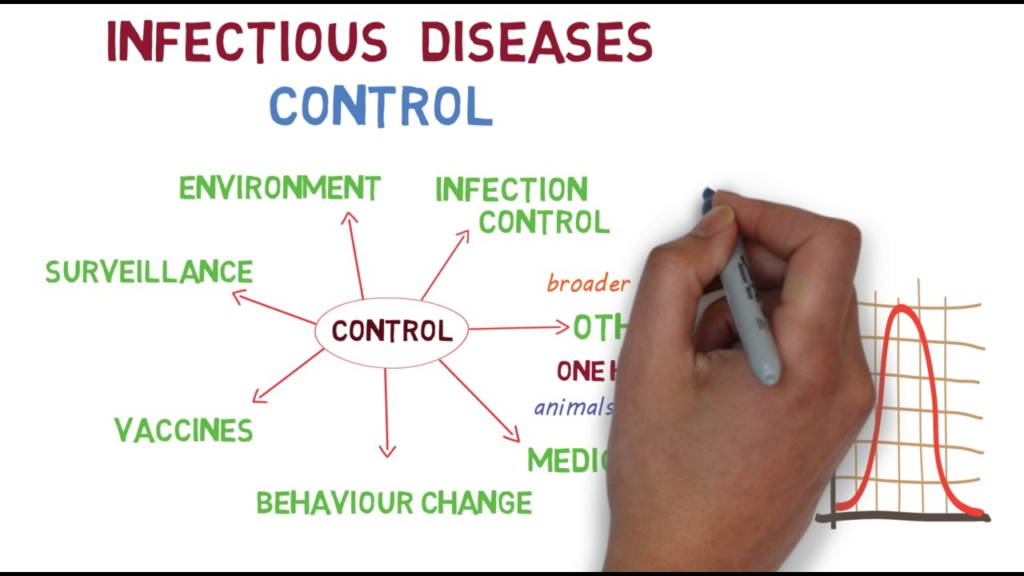
Individual prevention practices gain amplification through coordinated community efforts. Public health infrastructure including disease surveillance, outbreak investigation, and control measure implementation protects entire populations. Supporting robust public health systems and participating in community prevention initiatives benefits everyone.
Disease surveillance systems monitor infection patterns, detecting outbreaks early when interventions prove most effective. Healthcare providers reporting unusual disease clusters enables rapid public health response. Laboratory networks provide specialized testing capabilities for unusual or dangerous pathogens. Data sharing among institutions and jurisdictions creates comprehensive situational awareness.
Community education campaigns disseminate prevention knowledge, empowering individuals to protect themselves and others. School-based health education reaches children during formative years, establishing healthy habits. Public service announcements raise awareness during outbreak situations. Healthcare providers counseling patients on prevention during routine visits leverages trusted relationships.
Emergency preparedness planning ensures communities can respond effectively to infectious disease emergencies. Stockpiling essential supplies including PPE, medications, and vaccines enables rapid response. Surge capacity planning prepares healthcare systems for dramatic increases in patient volumes. Communication systems enable rapid information dissemination during crises.
Emerging Threats: Preparing for Tomorrow’s Challenges
Infectious diseases continue evolving, with new pathogens emerging and known diseases spreading to new regions. Climate change, global travel, urbanization, and ecological disruption create conditions favoring disease emergence. Maintaining vigilance and supporting infectious disease research prepares us for inevitable future challenges.
Zoonotic diseases jumping from animals to humans represent the primary source of emerging infections. Ebola, SARS, MERS, and COVID-19 all originated in wildlife before adapting to human transmission. Reducing human-wildlife contact, monitoring animal disease patterns, and investigating unusual animal die-offs provides early warning of potential human threats.
Antimicrobial resistance transforms once-treatable infections into potentially deadly diseases. Multidrug-resistant tuberculosis, MRSA, and resistant gonorrhea exemplify this growing challenge. Developing novel antimicrobials, alternative therapies, and rapid diagnostic tests represents crucial research priorities. Meanwhile, antibiotic stewardship delays resistance development.
Pandemic preparedness requires international cooperation, as infectious diseases recognize no borders. The International Health Regulations framework coordinates global disease surveillance and outbreak response. Supporting organizations like WHO, CDC, and national public health agencies ensures capacity to detect and control emerging threats before they become global catastrophes.
Frequently Asked Questions About Infectious Disease Prevention

- What is the most effective way to prevent infectious diseases?
The most effective approach combines multiple prevention strategies rather than relying on any single method. Hand hygiene remains the single most impactful individual practice, eliminating pathogens before they can cause infection. Vaccination provides powerful protection against numerous deadly diseases. Combining these core strategies with food safety, respiratory etiquette, environmental cleaning, and healthy lifestyle practices creates comprehensive protection. No prevention method proves 100% effective, making layered defense strategies essential for optimal protection.
2. How often should I wash my hands to prevent infections?
Hand hygiene should occur at critical moments throughout the day rather than at fixed intervals. Always wash hands before eating or preparing food, after using the bathroom, after coughing or sneezing, after touching animals or their waste, after handling garbage, before and after caring for someone sick, and before and after treating wounds. Healthcare workers and food handlers require more frequent handwashing. In general, washing hands 6-10 times daily aligns with typical necessary occasions for most people.
3. Can I get sick from being cold or wet?
Cold temperatures and wet conditions do not directly cause infections, despite persistent folk beliefs. Infectious diseases result from pathogen exposure rather than environmental conditions. However, cold weather does correlate with increased respiratory infection rates through indirect mechanisms. People gather indoors in close proximity during cold weather, facilitating transmission. Cold air may reduce nasal defenses against viruses. Maintaining warmth supports overall health and comfort but does not prevent infections without additional protective measures.
4. Are natural immunity and vaccine immunity equally effective?
Natural immunity from surviving infection and vaccine-induced immunity both provide protection, but vaccines offer safer routes to immunity without disease risks. Some infections like measles confer strong lifelong immunity after recovery, while others like influenza provide limited protection due to viral evolution. Vaccines stimulate immune responses without illness, avoiding disease complications, transmission to others, and mortality risks. For some diseases, vaccines actually provide superior protection compared to natural infection.
5. How long do germs survive on surfaces?
Pathogen survival on surfaces varies dramatically based on organism type, surface material, temperature, and humidity. Some bacteria survive hours while certain viruses persist for days. Coronaviruses survive up to 72 hours on plastic and stainless steel but shorter periods on cardboard and copper. Bacterial spores can remain viable for years under favorable conditions. Regular cleaning and disinfection of high-touch surfaces interrupts transmission regardless of specific survival times.
6. Should I take vitamin supplements to boost my immune system?
For most people eating balanced diets, vitamin supplements provide minimal immune benefits. Adequate vitamin D levels support immune function, and supplementation benefits people with confirmed deficiency. Vitamin C supplements do not prevent colds in average populations but may slightly reduce cold duration. Excessive supplementation can cause harm, as nutrients work synergistically through whole foods. Focus on diverse nutrition through food rather than relying on supplements unless specific deficiencies exist.
7. What should I do if I think I have been exposed to an infectious disease?
Response to potential exposure depends on the specific disease and exposure circumstances. Monitor for symptoms consistent with the suspected disease while avoiding contact with vulnerable individuals. Contact healthcare providers for guidance, as some diseases benefit from post-exposure prophylaxis—medications or vaccines given after exposure to prevent infection development. Promptly report exposures to serious diseases like HIV, hepatitis, or tuberculosis for timely intervention. Maintain strict hygiene to prevent potential transmission to others.
8. Are antibacterial soaps better than regular soap for preventing infections?
Regular soap and water prove equally effective as antibacterial soap for infection prevention through physical removal of pathogens. The FDA banned most antibacterial soap ingredients due to insufficient evidence of superior effectiveness and concerns about antibiotic resistance development. Proper handwashing technique and duration matter more than soap type. Antibacterial soaps provide no advantage over regular soap for routine hand hygiene, though antiseptic handwashing solutions serve important roles in healthcare settings.
Taking Action: Your Personal Prevention Plan
Preventing infectious diseases requires consistent application of evidence-based practices integrated into daily routines. Start by identifying high-impact behaviors: committing to proper hand hygiene, ensuring vaccination status is current, practicing food safety, and maintaining healthy lifestyle habits supporting immune function. These foundational practices provide substantial protection against numerous infections.
Assess personal risk factors including age, chronic health conditions, occupation, and living situation. Elderly individuals and those with compromised immunity require enhanced precautions. Healthcare workers, teachers, and childcare providers face elevated exposure risks warranting additional protective measures. Large households facilitate disease transmission, making prevention particularly important for household members.
Create environmental supports enabling consistent prevention behaviors. Install hand sanitizer dispensers at home entrances and in vehicles. Stock household cleaning supplies and establish regular disinfection routines for high-touch surfaces. Maintain adequate supplies of tissues, paper towels, and other hygiene essentials. Environmental modifications make prevention easier, increasing compliance.
Stay informed about infectious disease risks in your community and while traveling. Follow reputable sources including local health departments, the CDC, and WHO for reliable information. Participate in community prevention efforts including vaccination campaigns and disease surveillance. Individual actions gain multiplication through collective participation.
Conclusion
Infectious diseases will remain part of the human experience, but their impact depends heavily on our commitment to prevention. The strategies outlined in this guide represent decades of scientific research and public health experience, proven effective at reducing disease burden. No prevention method guarantees complete protection, yet consistent application of multiple approaches substantially reduces infection risk.
The COVID-19 pandemic demonstrated both human vulnerability to infectious diseases and our capacity to mobilize effective responses. We possess unprecedented scientific knowledge and technological capabilities for disease prevention and control. Translating this knowledge into sustained behavior change represents our ongoing challenge.
Prevention extends beyond self-protection to community responsibility. Infectious diseases spread through populations, with each person’s actions affecting others’ health. Individuals with infections bear responsibility to avoid exposing others. Healthy individuals contribute by maintaining high vaccination rates and supporting public health infrastructure. This collective approach creates resilient communities where infectious diseases struggle to gain footholds.
The journey toward better infectious disease prevention begins with individual commitment to evidence-based practices. Start today by evaluating and improving your prevention habits. Share knowledge with family and friends, multiplying your impact. Support policies and programs strengthening public health systems. Together, we can create a future where infectious diseases cause less suffering and fewer deaths. Your health and your community’s wellbeing depend on the daily choices you make regarding infectious disease prevention. Embrace these proven strategies, practice them consistently, and inspire others to join in collective protection. The power to prevent infectious diseases lies not in distant laboratories or government offices, it resides in the informed actions each of us takes every single day.