
Discover why childhood vaccinations are vital for your child’s health and community safety. Our expert guide debunks myths, explains benefits, and outlines the scientific safety of immunizations.
Introduction
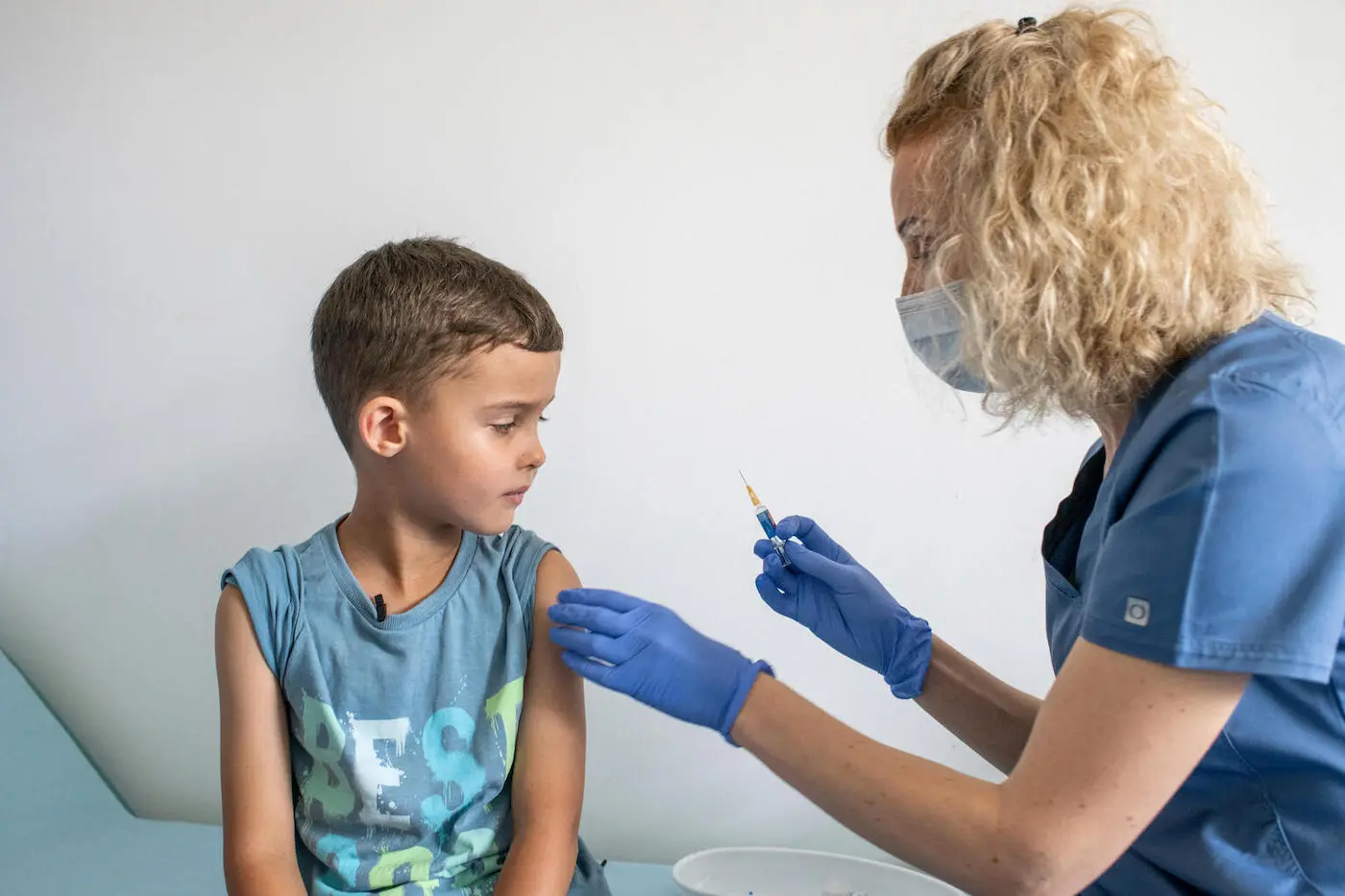
Every year, immunization prevents an estimated 3.5 to 5 million deaths from diseases like measles, whooping cough, and tetanus. This staggering statistic represents the quiet, global triumph of vaccines. For parents, the decision to vaccinate can feel fraught with anxiety, often fueled by online misinformation. However, the scientific reality is clear: childhood vaccinations are one of medicine’s safest and most successful public health achievements. This guide cuts through the noise, providing evidence-based clarity on how vaccines build your child’s defenses, protect your community, and represent an act of profound care for their long-term health.
From Global Scourge to Near Elimination: The Measles Case Study
To understand the power of vaccination, look no further than measles. Before the 1963 vaccine, measles was a relentless global epidemic, causing an estimated 30 million cases and over 2 million deaths annually. It is one of the most contagious diseases known; if one person has it, up to 90% of the unvaccinated people close to them will also become infected.
The introduction of widespread measles vaccination transformed this landscape. Between 2000 and 2023 alone, measles vaccination prevented more than 60 million deaths worldwide. The Americas were even declared free of endemic measles in 2016—a milestone proving eradication is possible. However, this status is fragile. When vaccination rates drop below the critical threshold of about 95%, the disease roars back, as seen in resurgent outbreaks in recent years. This history perfectly illustrates the dual nature of vaccines: they are powerful enough to conquer diseases, but their protection relies on our collective commitment.
How Vaccines Work: A Safe Training Ground for the Immune System
A baby is born with some immune protection passed from their mother, but this fades quickly. Vaccines safely teach their developing immune system to recognize and fight serious pathogens.
Vaccines contain weakened or inactivated parts of a germ (antigens) that cannot cause the full-blown disease. When administered, these antigens trigger the immune system to produce antibodies—defense proteins specific to that germ. This process builds immunological memory. If the real germ ever invades the body later, the immune system can recognize it and mount a swift, powerful defense, often preventing illness entirely.
This “training” is extraordinarily safe. A child is exposed to thousands of environmental antigens daily from food, dust, and play. The antigens in all recommended childhood vaccines combined represent only a tiny fraction of this natural daily immune challenge.
The Shield Against Disease: What Vaccines Prevent
Following the recommended schedule protects children from at least 14 different diseases, many of which can have severe or deadly consequences. The table below highlights some of the key protections.
| Disease | Potential Severe Complications | Vaccine Impact |
|---|---|---|
| Measles | Pneumonia, encephalitis (brain swelling), deafness, death. | Prevented over 60 million deaths globally since 2000. |
| Pertussis (Whooping Cough) | Violent coughing, pneumonia, seizures, apnea, and death in infants. | Vaccination is the best defense; maternal immunity is insufficient. |
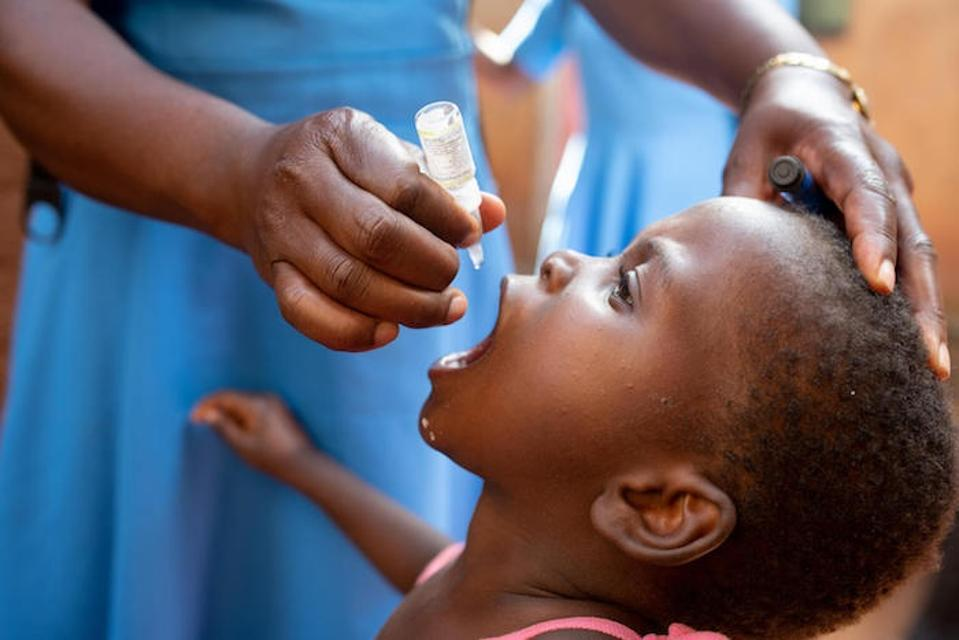
| Polio | Paralysis, permanent disability. | Once a global scourge, now nearly eradicated worldwide due to vaccines. |
| Haemophilus influenzae type b (Hib) | Meningitis (brain infection), pneumonia, severe throat swelling. | Once a leading cause of bacterial meningitis in children, now rare where vaccinated. |
| Tetanus | Lockjaw, painful muscle spasms, breathing failure, death. | Vaccine provides essential protection; disease does not confer natural immunity. |
For insights on treating other common childhood illnesses, you can read our guide on Understanding Antibiotics for Childhood Infections to learn when antibiotics are necessary and when they are not.
The Ripple Effect: Herd Immunity and Community Protection

Vaccination is not just a personal choice; it’s a community responsibility. Herd immunity occurs when a high percentage of a population is immunized, making it difficult for a disease to spread. This creates a protective cocoon around those who are most vulnerable and cannot be vaccinated, including:
- Newborns too young for their first shots.
- Children and adults with compromised immune systems due to illnesses like cancer or treatments like chemotherapy.
- Individuals with severe allergies to vaccine components.
The threshold for herd immunity is high for extremely contagious diseases like measles, requiring about 95% vaccination coverage. When rates dip below this, outbreaks occur, putting these vulnerable individuals at direct risk. Choosing to vaccinate your child extends protection to your newborn neighbor, your friend undergoing cancer treatment, and your community’s collective health.
Addressing Common Parental Concerns with Science
It’s normal and responsible for parents to have questions. Let’s address the most common concerns with facts from leading global health authorities.
“Do vaccines overwhelm a child’s immune system?”
No. As mentioned, the immune system handles vastly more antigens from daily life than from all vaccines. Babies can safely receive multiple vaccines at once, which reduces office visits and ensures timely protection.
“Do vaccines contain harmful toxins like aluminum or mercury?”
Vaccine ingredients are used in minuscule, safe amounts to make the vaccine effective and stable. Aluminum salts (adjuvants) are used to boost immune response and have been used safely for over 70 years. We ingest far more aluminum daily through food and water than is present in a vaccine. Thimerosal, a preservative that contains ethyl mercury, was removed from almost all childhood vaccines over two decades ago as a precaution, despite no evidence of harm.
“Is natural immunity better?”
While infection can provide immunity, the risks are incomparably higher. For example, measles causes death in about 1 in 1,000 cases in developed countries, while the MMR vaccine causes a severe allergic reaction in fewer than 1 in 1 million doses. Vaccination provides a safe path to protection without the disease’s devastating consequences.
“Is there a link between vaccines and autism?”
No. This fear originated from a fraudulent 1998 study that has been thoroughly retracted and discredited. The author lost his medical license. Numerous large-scale studies involving millions of children have found no credible scientific evidence linking any vaccine to autism.
The Rigorous Path to Safety: How Vaccines Are Monitored
Vaccines are among the most scrutinized medical products. In the U.S., they undergo years of lab and clinical trial testing before licensure by the FDA. After approval, safety monitoring continues through robust systems like the Vaccine Adverse Event Reporting System (VAERS) and the Vaccine Safety Datalink. This allows health officials to detect and investigate even extremely rare side effects in real-time.
Most side effects are mild and temporary, such as a sore arm, low-grade fever, or fussiness. Serious side effects are exceedingly rare. This multilayered safety system ensures that the benefits of vaccination—preventing deadly diseases—overwhelmingly outweigh the minimal risks.
Frequently Asked Questions
Q: Why are so many vaccines given so early?
The recommended schedule from the CDC is scientifically designed to protect children when they are most vulnerable. Infants’ immune systems are capable of responding but are at the highest risk for severe complications from diseases like whooping cough and Hib. Delaying vaccines leaves a dangerous window of susceptibility without benefit.
Q: Can I space out or delay the vaccine schedule?
There is no medical benefit to delaying vaccines. Studies show that receiving multiple shots at once is just as safe and effective. Spreading out the schedule only prolongs the period during which your child is unprotected against serious diseases.
Q: What if my child is sick with a cold on vaccine day?
A mild illness, such as a low-grade fever, cough, or runny nose, is generally not a reason to delay vaccination. Your pediatrician can make the final call, but it’s usually safe and important to stay on schedule.
Q: Where can I find trustworthy information about vaccines?
Stick with credible, science-based sources. Be extremely wary of vaccine information on social media. Rely on organizations like the Centers for Disease Control and Prevention (CDC), the World Health Organization (WHO), the American Academy of Pediatrics, and your child’s healthcare provider. For related health concerns, such as ear infections common in children, our article on Otitis Externa (Swimmer’s Ear) provides helpful information.
Q: How do I report a suspected reaction to a vaccine?
In the U.S., you and your healthcare provider can report any adverse event to the Vaccine Adverse Event Reporting System (VAERS). This national system is a critical tool for ongoing vaccine safety monitoring.
Conclusion

Choosing to vaccinate your child is a powerful, evidence-based decision. It leverages decades of scientific advancement to confer direct protection against ancient scourges. It extends a shield of community immunity to the most fragile among us. And it represents a collective commitment to a future where children are no longer threatened by preventable diseases. By following the recommended schedule and partnering with your pediatrician, you are not just preventing illness—you are actively building a foundation of lifelong health for your child and contributing to the greater public good. The facts are clear, the science is robust, and the impact is profound.