
Comprehensive smoking addiction guide covering proven quitting strategies, withdrawal management, and powerful techniques to break free and restore your health.
Introduction
Smoking addiction affects over one billion people worldwide, trapping them in a destructive cycle that damages nearly every organ in the body while draining financial resources and controlling daily routines. This powerful addiction—driven by nicotine’s effects on the brain—keeps millions of people smoking despite knowing the devastating health consequences. Breaking free from smoking addiction ranks among the most challenging yet rewarding health decisions you can make. Understanding tobacco dependence—why it’s so powerful, proven quitting strategies, and how to overcome obstacles—empowers you to reclaim control over your health and your life.
Understanding Smoking Addiction

Smoking addiction is both a physical dependence on nicotine and a psychological habit deeply woven into daily routines and emotional patterns. Nicotine, the primary addictive substance in tobacco, reaches your brain within seconds of inhaling, triggering the release of dopamine—a neurotransmitter associated with pleasure and reward. This rapid reward creates powerful reinforcement, making smoking extremely addictive.
Over time, your brain adjusts to regular nicotine exposure by reducing natural dopamine production and sensitivity. This neurological adaptation means you need nicotine just to feel normal, while its absence triggers withdrawal symptoms. This physical dependence combines with psychological associations—smoking with coffee, after meals, during stress, or in social situations—creating a multi-layered addiction that’s remarkably difficult to break.
According to the Centers for Disease Control and Prevention, cigarette smoking causes more than 480,000 deaths annually in the United States, accounting for nearly one in five deaths. Despite these statistics, approximately 16 million Americans continue smoking, with most wanting to quit but struggling to succeed.
The Devastating Health Consequences
Understanding smoking’s full health impact provides crucial motivation for quitting.
Cardiovascular Disease: Smoking damages blood vessels, increases heart rate and blood pressure, reduces oxygen to the heart, and promotes blood clots. These effects dramatically increase risks for heart attacks, strokes, and peripheral artery disease. Managing cardiovascular disease requires addressing smoking as a primary risk factor.
Cancer: Smoking causes approximately 90 percent of lung cancer deaths and significantly increases risks for cancers of the mouth, throat, esophagus, stomach, colon, pancreas, bladder, kidney, cervix, and blood (leukemia). Carcinogens in tobacco smoke damage DNA throughout the body.
Respiratory Diseases: Chronic obstructive pulmonary disease (COPD), emphysema, and chronic bronchitis develop from years of smoke-induced lung damage. These progressive conditions cause debilitating breathlessness and significantly reduce quality of life.
Reproductive and Sexual Health: Smoking reduces fertility in both men and women, increases miscarriage and stillbirth risks, causes low birth weight babies, and contributes to erectile dysfunction and reduced sexual performance in men.
Other Health Problems: Smoking weakens immune function, worsens diabetes control, causes premature aging and wrinkles, increases osteoporosis risk, damages vision (cataracts and macular degeneration), and harms virtually every organ system.
Secondhand Smoke: Your smoking doesn’t just harm you—it endangers everyone around you, particularly children, causing respiratory infections, asthma exacerbations, sudden infant death syndrome, and increased cancer risks.
Why Quitting Is So Difficult
Understanding addiction’s complexity helps you prepare for the quitting journey.
Physical Nicotine Dependence: Withdrawal symptoms including intense cravings, irritability, anxiety, difficulty concentrating, increased appetite, sleep disturbances, and restlessness make the first days and weeks extremely challenging.
Psychological Dependence: Smoking becomes intricately linked with daily routines, stress management, social interactions, and emotional regulation. Breaking these associations requires relearning how to handle situations without cigarettes.
Habits and Triggers: Years of smoking create automatic patterns—lighting up with morning coffee, after meals, during breaks, when stressed, or while socializing. These conditioned responses trigger strong urges even after physical withdrawal subsides.
Social and Environmental Factors: Being around other smokers, stressful life circumstances, alcohol use, and lack of support make quitting more difficult.
Previous Failed Attempts: Past failures may create feelings of hopelessness, reducing confidence in ability to quit successfully. However, most successful quitters made multiple attempts before achieving long-term abstinence.
Powerful Quitting Strategies
Success requires comprehensive approaches addressing both physical and psychological aspects of addiction.
Preparation Phase
Set a Quit Date: Choose a specific date within the next two weeks—soon enough to maintain motivation but allowing preparation time. Mark it prominently and commit fully.
Identify Your Reasons: Write detailed lists of why you want to quit—health improvements, financial savings, family considerations, setting good examples for children, regaining control, improving appearance. Review these reasons when motivation wavers.
Understand Your Triggers: Track when and why you smoke for several days, identifying patterns, situations, emotions, and activities associated with smoking. This awareness helps you plan alternative responses.
Build Your Support System: Tell family, friends, and coworkers about your quit date. Their encouragement, understanding, and accountability significantly improve success rates. Consider joining support groups where you can connect with others quitting smoking.
Remove Temptations: Before your quit date, discard all cigarettes, lighters, matches, and ashtrays. Clean your car, wash clothes and bedding to remove smoke smell, and avoid places where you typically smoked.
Plan Replacement Activities: Identify alternative behaviors for smoking triggers—chewing gum, drinking water, deep breathing, short walks, calling supportive friends, or using stress and anxiety management techniques.
Nicotine Replacement Therapy (NRT)
NRT provides controlled nicotine doses without tobacco’s harmful chemicals, easing withdrawal while you address psychological dependence. Options include:
Nicotine Patches: Worn on skin for 16-24 hours, patches provide steady nicotine delivery throughout the day. Start with higher doses (21mg for heavy smokers) and gradually taper over 8-12 weeks.
Nicotine Gum: Chewed slowly until you taste peppery flavor, then parked between cheek and gum to absorb nicotine. Use 2mg or 4mg pieces every 1-2 hours initially, gradually reducing over 12 weeks.
Nicotine Lozenges: Dissolved slowly in mouth (not chewed or swallowed), providing nicotine absorption through oral tissues. Use 2mg or 4mg lozenges every 1-2 hours initially.
Nicotine Nasal Spray: Provides fastest nicotine delivery, helping intense cravings. Requires prescription and careful dosing to avoid overuse.
Nicotine Inhaler: Mimics hand-to-mouth action of smoking while delivering nicotine. Requires prescription but helps address behavioral components.
NRT approximately doubles quit success rates compared to willpower alone. Combining patch (for steady baseline nicotine) with gum or lozenges (for breakthrough cravings) provides even better results.
Prescription Medications
Varenicline (Chantix): This medication reduces nicotine cravings and withdrawal symptoms while blocking nicotine’s rewarding effects if you smoke. Start 1-2 weeks before quit date and continue for 12-24 weeks. Side effects may include nausea, vivid dreams, and mood changes.
Bupropion (Zyban, Wellbutrin): Originally an antidepressant, bupropion reduces cravings and withdrawal symptoms. Begin 1-2 weeks before quit date and continue for 12 weeks or longer. This option particularly benefits people with depression alongside smoking addiction.
According to the American Lung Association, prescription medications combined with counseling provide the highest success rates for quitting smoking.
Behavioral Support
Professional Counseling: Individual or group therapy addresses psychological dependence, teaches coping strategies, provides accountability, and helps resolve underlying issues driving smoking. Similar to accessing mental health support for other challenges, professional guidance significantly improves outcomes.
Quit-Smoking Programs: Structured programs through healthcare providers, community organizations, or online platforms provide education, support, and evidence-based strategies.
Telephone Quitlines: Free telephone counseling (1-800-QUIT-NOW in the U.S.) offers convenient, effective support from trained specialists.
Cognitive Behavioral Therapy (CBT): This therapeutic approach identifies thought patterns and behaviors maintaining addiction, then develops strategies for changing them. Cognitive behavioral therapy effectively addresses various addictions including smoking.
Mobile Apps: Numerous smartphone applications track progress, provide motivational messages, calculate money saved, and connect you with support communities.
Alternative and Complementary Approaches
Mindfulness and Meditation: Practicing mindfulness helps you observe cravings without acting on them, recognize triggers without automatic responses, and reduce stress without cigarettes.
Exercise: Physical activity reduces cravings, manages withdrawal symptoms, prevents weight gain, improves mood, and provides healthy stress relief. Implement appropriate workout routines adapted to your fitness level.
Acupuncture: Some people find acupuncture helpful for reducing cravings and withdrawal symptoms, though research on effectiveness is mixed.
Hypnosis: Clinical hypnotherapy may help some individuals, though scientific evidence for effectiveness varies.
Managing Withdrawal and Cravings
Withdrawal symptoms peak within the first week and gradually subside over 2-4 weeks, though psychological cravings may persist longer.
Physical Symptoms: Expect irritability, anxiety, difficulty concentrating, increased appetite, sleep disturbances, and restlessness. These are temporary signs your body is healing—not reasons to resume smoking.
The “4 Ds” for Managing Cravings:
- Delay: Wait 5-10 minutes—most cravings pass within this time
- Deep Breathing: Practice slow, deep breaths to relax and refocus
- Drink Water: Sipping water occupies your mouth and hands
- Do Something Else: Distract yourself with activities incompatible with smoking
Avoid High-Risk Situations: Initially avoid alcohol, coffee, and smoking friends. These triggers become manageable later, but early avoidance protects fragile progress.
Manage Stress Differently: Develop new stress management strategies since you can no longer rely on cigarettes. Try deep breathing, progressive muscle relaxation, exercise, or talking with supportive friends.
Address Weight Concerns: Many people gain modest weight (5-10 pounds) after quitting as metabolism normalizes and taste/appetite improve. Focus on healthy eating and regular physical activity rather than restrictive dieting that might increase relapse risk. The health benefits of quitting far outweigh modest weight gain.
Get Adequate Sleep: Implementing good sleep better practices helps manage irritability, improves mood, and supports recovery.
Overcoming Setbacks and Relapses
Most successful quitters made multiple attempts before achieving long-term abstinence. If you slip and smoke, don’t view it as complete failure.
Learn From the Experience: Identify what triggered the slip—stress, social situation, overconfidence, inadequate coping strategies. This information helps you prepare better for similar situations.
Recommit Immediately: One cigarette doesn’t undo your progress or mean you must return to regular smoking. Discard remaining cigarettes and recommit to quitting immediately.
Adjust Your Strategy: If your initial approach wasn’t sufficient, consider adding NRT, prescription medications, counseling, or more intensive support.
Don’t Give Up: Each quit attempt teaches valuable lessons and brings you closer to success. Your determination to keep trying demonstrates strength, not weakness.
The Timeline of Benefits
Understanding recovery’s timeline provides powerful motivation:
20 Minutes: Heart rate and blood pressure begin normalizing 12 Hours: Carbon monoxide levels in blood return to normal 2-3 Weeks: Circulation improves and lung function increases 1-9 Months: Coughing and shortness of breath decrease 1 Year: Heart disease risk drops to half that of current smokers 5 Years: Stroke risk reduced to that of non-smokers 10 Years: Lung cancer death rate about half that of continuing smokers 15 Years: Heart disease risk equals that of non-smokers
Your body begins healing immediately and continues improving for years after quitting.
Frequently Asked Questions About Smoking Addiction
Is vaping a safe alternative to smoking?
No, vaping is not safe. While e-cigarettes may contain fewer toxic chemicals than traditional cigarettes, they still deliver addictive nicotine and expose users to harmful substances. Many people who intended to quit smoking through vaping become dual users or remain nicotine-dependent. The safest option is quitting all nicotine products.
Will I gain weight if I quit smoking?
Many people gain modest weight (5-10 pounds on average) after quitting as metabolism normalizes and appetite improves. However, this weight gain poses far less health risk than continued smoking. Focus on healthy eating and regular exercise rather than restricting calories during the quitting process, as hunger may intensify cravings.
How long do withdrawal symptoms last?
Physical withdrawal symptoms peak within 2-4 days and substantially improve within 2-4 weeks. Psychological cravings may persist longer but decrease in frequency and intensity over time. Most people find cravings manageable after the first month.
Can I quit cold turkey or should I cut down gradually?
Research shows abrupt cessation (cold turkey) combined with NRT or medications produces higher success rates than gradual reduction. However, gradual reduction works better than no attempt at all if you’re not ready for immediate cessation.
Will my lungs heal after I quit?
Yes, lung function improves significantly after quitting, though complete reversal of damage depends on smoking duration and intensity. Cilia (tiny hairs clearing lungs) begin functioning better within weeks. Long-term improvements include reduced COPD symptoms, lower infection risk, and decreased cancer risk.
How do I handle stress without cigarettes?
Develop alternative coping strategies including regular exercise, deep breathing exercises, meditation, talking with supportive friends, engaging in hobbies, and seeking professional counseling if needed. Smoking never actually reduced stress—it merely relieved nicotine withdrawal temporarily.
Can smoking cessation medications be dangerous?
NRT and prescription quit-smoking medications are extensively studied and much safer than continued smoking. Discuss your medical history with healthcare providers to determine appropriate options. Any side effects pale compared to smoking’s devastating health consequences.
Moving Forward: Your Smoke-Free Future
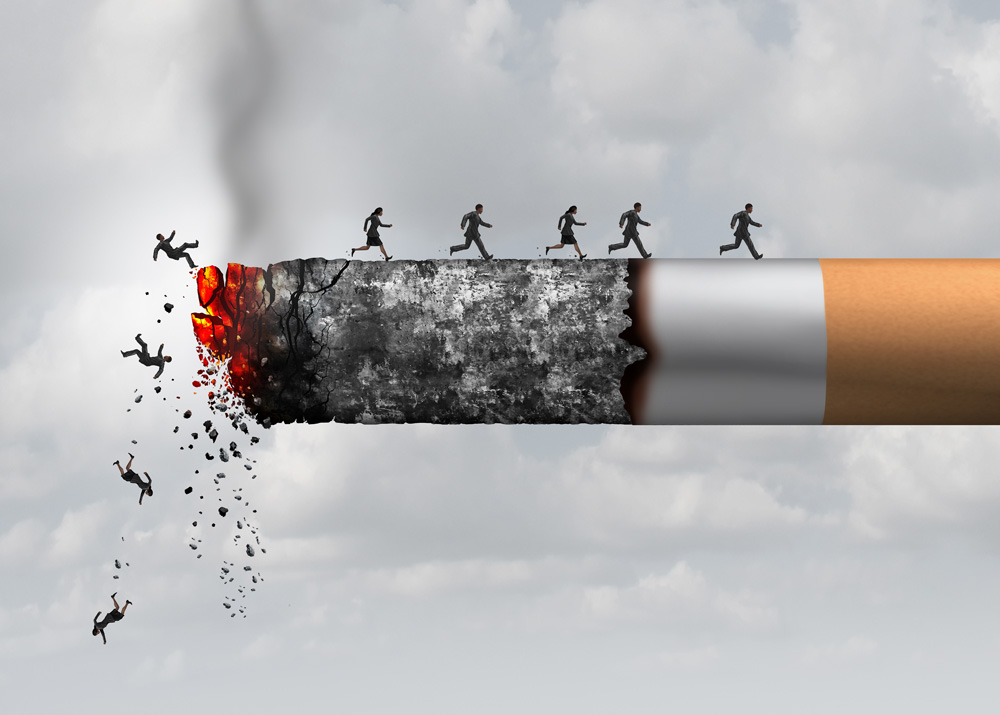
Breaking free from smoking addiction represents one of the most important health decisions you’ll ever make. While the journey is challenging, millions of people have successfully quit and reclaimed their health, freedom, and vitality—and you can too.
The path to becoming smoke-free isn’t about perfection; it’s about persistence. Each smoke-free hour, day, and week represents a victory worth celebrating. Your body begins healing immediately, your health risks decrease steadily, and your quality of life improves continuously.
Don’t let past failed attempts discourage you. Research shows most successful quitters tried multiple times before achieving long-term abstinence. Each attempt provides valuable learning experiences bringing you closer to success. The lessons learned from previous attempts—what triggered relapses, which strategies helped, what support you needed—inform better, more successful future strategies.
You don’t have to quit alone. Comprehensive support exists through healthcare providers, counseling services, quit-smoking programs, telephone quitlines, online communities, and loved ones. Reaching out for help demonstrates wisdom and strength, not weakness.
Today is the perfect day to take the first step toward your smoke-free future. Whether that means setting a quit date, scheduling a doctor’s appointment, calling a quitline, downloading a quit-smoking app, or simply believing you can succeed—every positive action moves you toward freedom from nicotine addiction.
Your health matters. Your life matters. You deserve to breathe freely, live vibrantly, and experience the countless benefits of being smoke-free. Take that crucial first step today, and discover the healthier, freer, more empowered person you’re meant to be. Breaking free from smoking addiction isn’t just possible—with determination, support, and effective strategies, it’s absolutely achievable. Your smoke-free life awaits.