
Comprehensive erectile dysfunction guide covering causes, symptoms, and proven treatments. Discover effective solutions including medications, lifestyle changes, and therapies to restore confidence and intimacy.
Introduction
Erectile dysfunction (ED) affects millions of men worldwide, yet shame and embarrassment often prevent open discussions about this common condition. The inability to achieve or maintain an erection sufficient for satisfactory sexual performance can devastate confidence, strain relationships, and significantly impact quality of life. However, erectile dysfunction is highly treatable, with numerous effective solutions available today. Understanding ED’s causes, recognizing when to seek help, and exploring treatment options empowers you to reclaim your sexual health and restore intimacy in your life.
What Is Erectile Dysfunction? Understanding the Condition
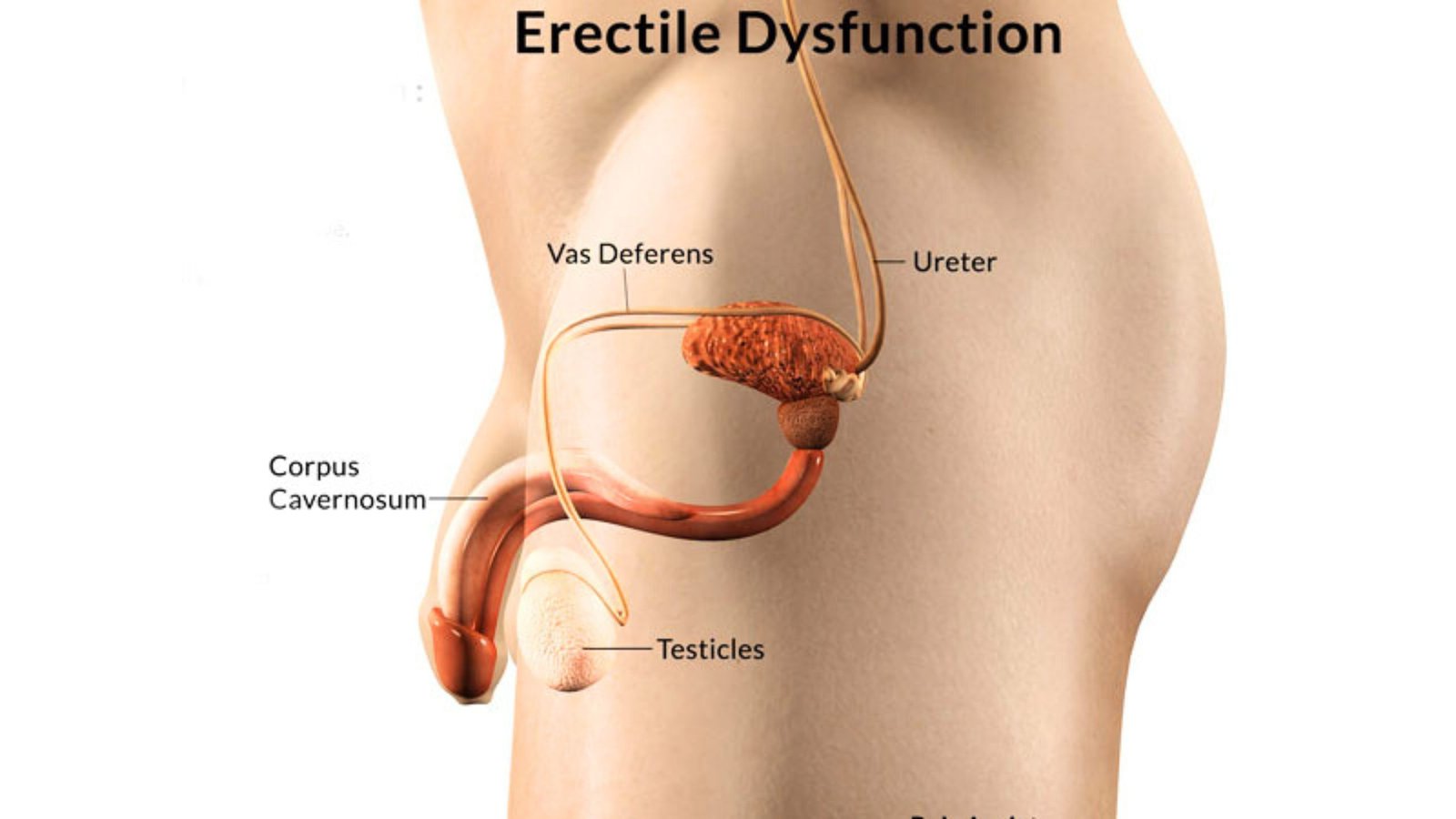
Erectile dysfunction, formerly called impotence, is the consistent inability to achieve or maintain an erection firm enough for sexual intercourse. Occasional difficulty achieving erections is normal and doesn’t necessarily indicate ED—most men experience this occasionally due to stress, fatigue, or alcohol consumption. ED diagnosis typically requires persistent problems lasting at least three months.
The Erection Process:
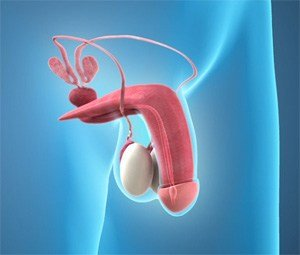
Understanding how erections work helps clarify what goes wrong in erectile dysfunction. Achieving erection involves complex coordination between your brain, hormones, emotions, nerves, muscles, and blood vessels:
- Sexual stimulation (physical touch or mental arousal) triggers nerve signals from your brain to your penis
- These signals cause blood vessels in penis tissue to relax and dilate
- Increased blood flow fills erectile chambers (corpora cavernosa) in the penis shaft
- As chambers fill with blood, the penis expands and becomes rigid
- A membrane around the chambers traps blood, maintaining erection
- After orgasm or when arousal ends, nerves signal blood vessel constriction, allowing blood to drain and penis to soften
Problems at any stage of this process can cause or contribute to erectile dysfunction.
Prevalence:
ED becomes increasingly common with age, affecting approximately:
- 40% of men at age 40
- 50% of men at age 50
- 70% of men at age 70
However, ED isn’t an inevitable part of aging. Many older men maintain excellent erectile function, while younger men can experience ED due to various factors.
Recognizing ED Symptoms: When to Seek Help
Primary symptoms of erectile dysfunction include:
- Consistent difficulty achieving erections
- Trouble maintaining erections during sexual activity
- Reduced sexual desire or libido
- Premature or delayed ejaculation
- Inability to achieve orgasm
Occasional erectile difficulties don’t necessarily indicate ED, but if problems persist or worsen, professional evaluation is warranted. Beyond physical symptoms, ED often triggers emotional consequences including:
- Anxiety about sexual performance
- Stress affecting relationships
- Low self-esteem and confidence
- Embarrassment and frustration
- Relationship tension and communication problems
- Depression
Similar to how mental health challenges affect overall wellbeing, ED significantly impacts emotional and psychological health, making comprehensive treatment essential.
Causes of Erectile Dysfunction: Physical and Psychological Factors
ED rarely has a single cause. Most cases involve multiple contributing factors:
Physical (Organic) Causes:
Cardiovascular Disease: The most common physical cause of ED. Atherosclerosis (hardened arteries) restricts blood flow throughout your body, including to the penis. ED often serves as an early warning sign of heart disease, as penile arteries are smaller and show damage sooner than coronary arteries. Managing cardiovascular health is crucial for both heart and sexual function.
Diabetes: High blood sugar damages nerves and blood vessels, impairing signals necessary for erection and reducing blood flow to the penis. Approximately 50% of diabetic men experience ED.
High Blood Pressure (Hypertension): Damages arterial linings, reduces blood flow, and ironically, some blood pressure medications can cause ED as a side effect.
High Cholesterol: Contributes to atherosclerosis, narrowing blood vessels and reducing penile blood flow.
Obesity: Excess weight contributes to vascular disease, diabetes, and low testosterone—all ED risk factors. Maintaining healthy weight through proper nutrition and regular exercise supports erectile function.
Neurological Disorders: Conditions like multiple sclerosis, Parkinson’s disease, stroke, or spinal cord injuries disrupt nerve signals between brain and penis.
Hormonal Imbalances: Low testosterone, thyroid problems, or pituitary gland disorders affect sexual desire and erectile function.
Peyronie’s Disease: Scar tissue inside the penis causes curved, painful erections and may contribute to ED.
Sleep Disorders: Sleep apnea and chronic sleep deprivation reduce testosterone levels and impair erectile function.
Medications: Numerous drugs can cause or worsen ED, including certain blood pressure medications, antidepressants, antihistamines, and pain medications.
Substance Abuse: Excessive alcohol, tobacco, and recreational drugs damage blood vessels and interfere with sexual function.
Pelvic Surgery or Injury: Prostate surgery, bladder surgery, or pelvic trauma may damage nerves or blood vessels essential for erections.
Psychological Causes:
Mental health significantly influences sexual function:
Performance Anxiety: Worry about sexual performance creates self-fulfilling prophecy, making erections more difficult.
Stress: Work pressure, financial concerns, and life stress redirect mental focus away from sexual arousal.
Depression: Reduces libido and erectile capability. Additionally, antidepressant medications often worsen ED.
Relationship Problems: Communication issues, unresolved conflicts, or lack of intimacy with partners affect sexual function.
Anxiety Disorders: General anxiety or panic disorders interfere with sexual arousal and performance.
Most ED cases involve both physical and psychological components—physical problems trigger anxiety and stress, which further worsen erectile difficulties.
Diagnosis: How Doctors Evaluate ED
Medical and Sexual History:
Your doctor discusses erectile problems, onset timing, other medical conditions, medications, substance use, and relationship factors. While potentially uncomfortable, honest communication ensures accurate diagnosis and appropriate treatment.
Physical Examination:
Examines genitals for physical abnormalities, checks blood pressure, listens to heart and lungs, and evaluates overall health indicators.
Laboratory Tests:
Blood Tests: Measure testosterone levels, blood sugar (diabetes screening), cholesterol, thyroid function, and other hormones affecting sexual function.
Urinalysis: Checks for diabetes or other underlying conditions.
Specialized Tests (if needed):
Nocturnal Penile Tumescence (NPT) Test: Monitors erections during sleep. Healthy men experience multiple erections nightly during REM sleep. Normal nighttime erections suggest psychological rather than physical causes.
Penile Doppler Ultrasound: Evaluates blood flow to the penis, identifying vascular problems.
Psychological Examination: Mental health professionals assess psychological factors contributing to ED.
According to the Mayo Clinic, comprehensive evaluation identifying underlying causes enables targeted, effective treatment approaches.
Treatment Options: Restoring Erectile Function
Oral Medications:
Phosphodiesterase type 5 (PDE5) inhibitors represent first-line treatment for most ED cases:
Sildenafil (Viagra): The original ED medication, taken 30-60 minutes before sexual activity, effective for 4-5 hours.
Tadalafil (Cialis): Longer-acting option effective up to 36 hours. Also available as low-dose daily medication for continuous readiness.
Vardenafil (Levitra, Staxyn): Similar to sildenafil with slightly longer duration.
Avanafil (Stendra): Fastest-acting option, working within 15-30 minutes.
These medications enhance nitric oxide effects, relaxing penile muscles and increasing blood flow during sexual stimulation. They don’t automatically cause erections—sexual arousal remains necessary.
Important Considerations:
- Not safe with nitrate medications (used for chest pain)
- May cause headaches, flushing, nasal congestion, or visual changes
- Require doctor prescription and monitoring
- Don’t increase sexual desire or cure ED—they treat symptoms only
Testosterone Replacement Therapy:
For men with confirmed low testosterone contributing to ED, testosterone replacement (injections, patches, gels) may improve erectile function and libido.
Penile Injections:
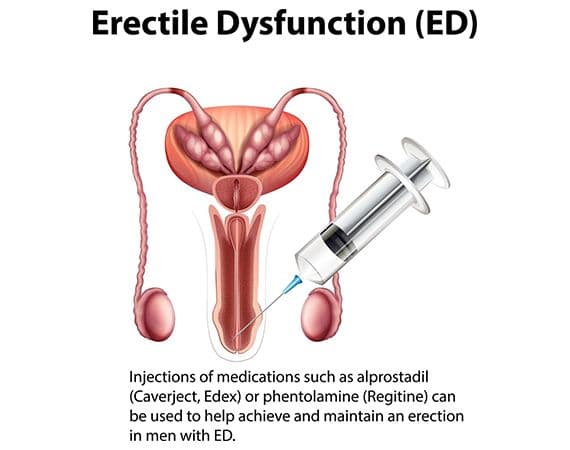
Self-administered injections of medications (alprostadil, papaverine, phentolamine) directly into penis base produce erections within 5-20 minutes, lasting up to an hour. While injections sound intimidating, many men successfully use this highly effective treatment.
Urethral Suppository:
Small alprostadil pellet inserted into urethra dissolves and is absorbed, causing erection within 10 minutes.
Vacuum Erection Devices:
Manual or battery-powered pumps create vacuum around penis, drawing blood into erectile chambers. Tension ring placed at penis base maintains erection after removing pump. Non-invasive option effective for many men.
Penile Implants:
Surgically placed devices offering permanent solution for men not responding to other treatments:
Inflatable Implants: Pump implanted in scrotum inflates cylinders in penis, creating natural-appearing erection.
Semi-rigid Rods: Bendable rods keep penis firm but malleable for positioning.
While involving surgery, implants provide reliable, on-demand erections with high satisfaction rates.
Vascular Surgery:
Rarely performed procedures repairing arterial blockages or reducing venous leakage in select younger patients with identifiable vascular problems.
Psychological Counseling and Sex Therapy:
For ED with significant psychological components, therapy addressing anxiety, depression, relationship issues, or performance concerns proves highly effective. Couples counseling improves communication and intimacy.
Lifestyle Modifications: Natural Approaches to Improving ED
Exercise Regularly:
Physical activity improves blood flow, reduces stress, helps weight management, and boosts testosterone. Even moderate exercise significantly improves erectile function. Pelvic floor exercises (Kegels) specifically strengthen muscles involved in erections.
Maintain Healthy Weight:
Losing excess weight, particularly abdominal fat, improves vascular health and increases testosterone.
Eat Heart-Healthy Diet:
Foods supporting cardiovascular health also support erectile function. Emphasize fruits, vegetables, whole grains, fish, nuts, and olive oil while limiting red meat, processed foods, and refined sugars.
Quit Smoking:
Tobacco damages blood vessels and dramatically worsens ED. Quitting smoking improves erectile function, sometimes dramatically. Similar to addiction recovery from other substances, smoking cessation benefits require professional support.
Limit Alcohol:
While small amounts may reduce anxiety, excessive drinking impairs erectile function acutely and chronically damages sexual health.
Manage Stress:
Implement stress management techniques including meditation, yoga, deep breathing, or hobbies reducing mental tension.
Prioritize Sleep:
Adequate quality sleep maintains testosterone levels and overall health supporting sexual function.
Review Medications:
Discuss medication side effects with your doctor. Alternative drugs might provide similar benefits without sexual side effects.
Relationship and Communication Strategies
Open Communication:
Discussing ED openly with partners reduces anxiety and strengthens relationships. Many couples report improved intimacy after addressing ED together.
Redefine Intimacy:
Sexual satisfaction extends beyond intercourse. Exploring other forms of intimacy reduces performance pressure and maintains connection.
Involve Your Partner:
Including partners in treatment decisions and doctor visits improves outcomes and relationship satisfaction.
Seek Couples Counseling:
Professional guidance helps navigate ED’s emotional impact and strengthens relationships.
Prevention: Protecting Long-Term Sexual Health
Maintain Cardiovascular Health:
What’s good for your heart is good for your penis. Control blood pressure, cholesterol, and blood sugar through diet, exercise, and medications when necessary.
Regular Health Screenings:
Annual checkups detect conditions contributing to ED before they cause problems. Comprehensive preventive care protects sexual and overall health.
Stay Physically Active:
Regular exercise maintains vascular health, healthy weight, and testosterone levels.
Avoid Substance Abuse:
Limit alcohol, don’t smoke, and avoid recreational drugs damaging vascular and neurological systems.
Manage Chronic Conditions:
Control diabetes, hypertension, and other health problems reducing ED risk.
Frequently Asked Questions About Erectile Dysfunction
At what age does erectile dysfunction typically begin?
ED can occur at any age but becomes increasingly common with advancing years. While approximately 40% of men experience some degree of ED by age 40, this increases to about 70% by age 70. However, age alone doesn’t cause ED—underlying health conditions becoming more common with age are the actual culprits. Many older men maintain excellent erectile function through healthy lifestyles and managing medical conditions. Conversely, younger men with diabetes, obesity, cardiovascular disease, or psychological issues can experience ED.
Are erectile dysfunction medications safe?
For most men, PDE5 inhibitors like Viagra and Cialis are safe and well-tolerated when used appropriately under medical supervision. However, they’re contraindicated with nitrate medications (used for chest pain/angina) due to dangerous blood pressure drops. Men with certain heart conditions, recent stroke, severe liver or kidney disease, or specific eye problems require careful evaluation before using these medications. Common side effects include headaches, flushing, nasal congestion, and temporary visual changes. Always consult doctors before starting ED medications.
Can erectile dysfunction be a sign of serious health problems?
Yes, ED frequently serves as an early warning sign of cardiovascular disease, diabetes, or other significant health conditions. Because penile arteries are smaller than coronary arteries, they show atherosclerosis damage earlier. Men with ED have substantially higher risks of heart attack and stroke. ED should prompt comprehensive health evaluation, not just sexual health assessment. Addressing underlying conditions protects both erectile function and overall health, potentially preventing life-threatening complications.
Will erectile dysfunction go away on its own?
This depends on the underlying cause. Temporary ED from stress, fatigue, excessive alcohol, or relationship issues often resolves when triggering factors improve. However, ED from chronic conditions like diabetes, cardiovascular disease, or neurological disorders typically requires ongoing treatment. Even when physical causes exist, proper treatment can restore erectile function. Ignoring persistent ED allows underlying conditions to worsen and makes treatment more challenging. Early intervention produces better outcomes.
Can lifestyle changes alone cure erectile dysfunction?
For some men, particularly those with mild ED primarily from lifestyle factors like obesity, sedentary habits, poor diet, or excessive alcohol use, comprehensive lifestyle modifications can dramatically improve or even resolve erectile problems. Weight loss, regular exercise, smoking cessation, stress management, and improved diet enhance vascular health and testosterone levels. However, men with significant vascular disease, diabetes, neurological conditions, or severe ED typically require medical treatments alongside lifestyle changes for optimal results. Lifestyle modifications benefit everyone with ED regardless of treatment approach.
Reclaiming Your Sexual Health and Confidence
Erectile dysfunction is not a character flaw, sign of diminished masculinity, or inevitable consequence of aging. It’s a medical condition with identifiable causes and highly effective treatments. The shame and silence surrounding ED often cause more suffering than the condition itself, preventing men from seeking help that could dramatically improve their lives.
If you’re experiencing persistent erectile difficulties, take the courageous step of consulting healthcare providers. Modern medicine offers numerous solutions—oral medications, injections, devices, surgery, therapy, and lifestyle modifications—ensuring virtually every man can find effective treatment. Sexual health is an important component of overall wellbeing, relationships, and quality of life.
Don’t let embarrassment rob you of intimacy, confidence, and satisfaction. Millions of men successfully manage ED and maintain fulfilling sexual lives. With proper diagnosis, appropriate treatment, open communication with partners, and commitment to overall health, you can overcome erectile dysfunction and restore the sexual vitality you deserve.
Take action today—your sexual health and happiness are worth it.