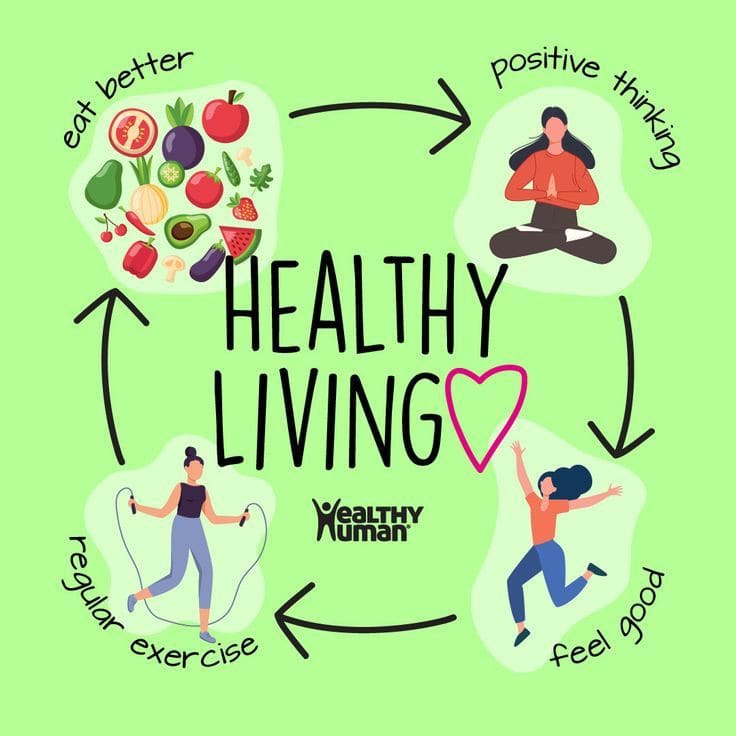
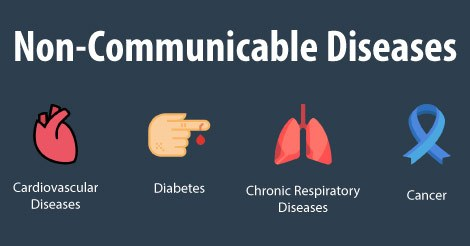

Essential guide to preventing noncommunicable diseases (NCDs) including heart disease, diabetes, and cancer. Learn how reducing tobacco, alcohol, physical inactivity, and unhealthy diet can save 41 million lives annually through proven prevention strategies.
Introduction
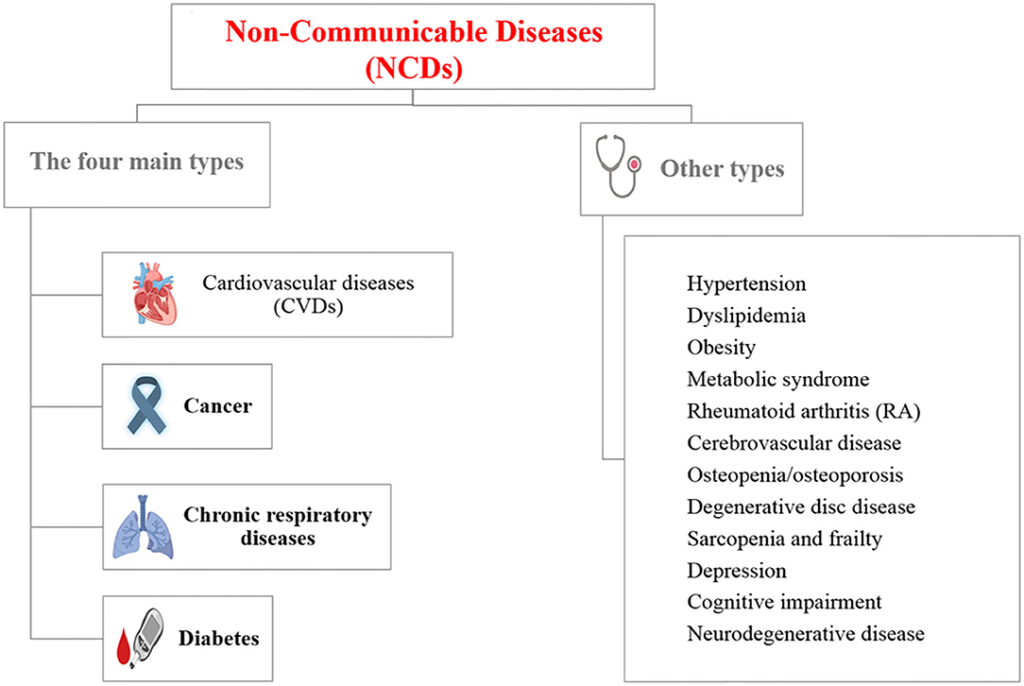
Every two seconds, someone under age 70 dies from a noncommunicable disease. Noncommunicable diseases kill 41 million people each year worldwide, equivalent to 71% of all deaths globally. These devastating statistics reveal a largely preventable public health crisis. NCDs—primarily heart disease, cancers, diabetes, and chronic respiratory diseases—result from modifiable risk factors within our control: tobacco use, harmful alcohol consumption, physical inactivity, and unhealthy diets. The 2025 UN High-Level Meeting adopted historic targets demonstrating global commitment to NCD prevention, positioning these conditions not merely as health concerns but as central pillars for achieving sustainable development.
Understanding Noncommunicable Diseases
The term NCDs refers to a group of conditions that are not mainly caused by an acute infection, result in long-term health consequences, and often create a need for long-term treatment and care. Unlike infectious diseases spreading from person to person, NCDs develop gradually over years, often silently progressing before symptoms emerge. This chronic nature makes prevention particularly crucial—by the time diagnosis occurs, significant damage may already exist.
Many NCDs can be prevented by reducing common risk factors such as tobacco use, harmful alcohol use, physical inactivity, and eating unhealthy diets. The burden of NCDs falls disproportionately on developing countries, where 82% of premature deaths from these diseases occur. Tackling risk factors saves lives while providing enormous boosts for economic development, as NCDs impose substantial healthcare costs and productivity losses.
The Four Major Modifiable Risk Factors
Tobacco: The Leading Preventable Cause
Tobacco accounts for over 7.2 million deaths every year, including from the effects of exposure to secondhand smoke, and is projected to increase markedly over the coming years. Smoking and tobacco use directly cause multiple cancer types, cardiovascular disease, chronic obstructive pulmonary disease, and numerous other conditions. Even exposure to secondhand smoke creates serious health risks, particularly for children and pregnant women.
Evidence-Based Tobacco Control:
- Implementing comprehensive smoke-free policies in public spaces and workplaces
- Increasing tobacco taxes substantially—every 10% price increase reduces consumption by 4% in high-income countries and 8% in low-income countries
- Enforcing complete bans on tobacco advertising, promotion, and sponsorship
- Offering cessation support including counseling and nicotine replacement therapy
- Mandating graphic health warnings covering at least 50% of tobacco product packages
- Regulating e-cigarettes and novel tobacco products preventing youth uptake
The 2025 political declaration reflects sharper regulatory focus on e-cigarettes, novel tobacco products, and comprehensive tobacco control measures proven to reduce consumption and prevent NCD development.
Physical Inactivity: The Silent Killer
Physical inactivity contributes to 1.6 million deaths annually and represents a major risk factor for cardiovascular disease, diabetes, certain cancers, and mental health conditions. Modern lifestyles increasingly promote sedentary behavior through desk jobs, screen time, transportation reliance, and reduced active recreation. Yet regular physical activity provides profound protection against NCDs while improving mental health, bone density, and overall quality of life.
Promoting Physical Activity:
- Creating safe, accessible infrastructure including sidewalks, bike lanes, and parks
- Implementing urban planning prioritizing active transportation over vehicles
- Providing physical education in schools with adequate facilities and equipment
- Offering community-based programs making exercise accessible across socioeconomic groups
- Using workplace wellness programs encouraging movement breaks and active commuting
- Leveraging technology through apps and wearables motivating sustained activity
WHO recommends adults engage in at least 150 minutes of moderate-intensity aerobic activity weekly, or 75 minutes of vigorous activity, plus muscle-strengthening activities twice weekly. Learn more about creating your personalized fitness plan through our comprehensive exercise and cancer prevention guide.
Unhealthy Diet: Fueling the NCD Epidemic
Dietary patterns profoundly influence NCD risk. Diets high in processed foods, added sugars, sodium, saturated fats, and trans fats while low in fruits, vegetables, whole grains, and fiber directly contribute to obesity, hypertension, elevated cholesterol, and diabetes—all major NCD risk factors. Approximately 4.1 million annual deaths have been attributed to excess salt/sodium intake alone.
Nutritional Interventions:
- Reducing sodium intake to less than 5 grams daily through food industry reformulation and public awareness
- Eliminating industrial trans fats from food supply—19 countries protecting 3.2 billion people have achieved this
- Implementing front-of-pack nutrition labeling enabling informed consumer choices
- Restricting marketing of unhealthy foods and beverages to children
- Providing nutrition education in schools, healthcare settings, and communities
- Increasing fruit and vegetable consumption through subsidies, accessibility improvements, and social marketing
The 2025 political declaration emphasizes unhealthy food marketing to children, front-of-pack labeling, and trans fat elimination as priority areas requiring urgent action. Our nutrition guide for cancer prevention provides detailed dietary strategies reducing NCD risk.
Harmful Alcohol Use: A Multifaceted Threat
More than half of the 3.3 million annual deaths attributable to alcohol use are from NCDs, including cancer. Alcohol consumption increases risk for liver disease, cardiovascular conditions, certain cancers (particularly breast, colorectal, liver, and esophageal), diabetes, and mental health disorders. No safe alcohol threshold exists for cancer prevention—even moderate consumption elevates risk.
Effective Alcohol Policies:
- Increasing alcohol taxes and minimum pricing reducing consumption
- Restricting alcohol availability through reduced outlet density and operating hours
- Banning or comprehensively restricting alcohol advertising and sponsorship
- Enforcing drinking and driving laws with lowered blood alcohol limits
- Providing brief interventions in healthcare settings identifying harmful drinking
- Offering treatment and support services for alcohol use disorders
Metabolic Risk Factors: The Biological Consequences
The four behavioral risk factors create metabolic changes amplifying NCD risk. In terms of attributable deaths, the leading metabolic risk factor globally is elevated blood pressure, to which 19% of global deaths are attributed, followed by overweight and obesity, and raised blood glucose. These metabolic conditions require screening, monitoring, and management as essential NCD prevention components.
Key Metabolic Interventions:
- Routine blood pressure screening with treatment for hypertension
- Diabetes screening and management preventing complications
- Cholesterol monitoring and treatment when indicated
- Weight management support addressing obesity through multidisciplinary approaches
- Access to essential medicines for cardiovascular disease, diabetes, and other NCDs
Frequently Asked Questions About Preventing NCDs
Can individual lifestyle changes really prevent NCDs, or are they primarily genetic?
While genetic factors influence NCD susceptibility, behavioral risk factors prove far more impactful at population levels. The WHO estimates that reducing the four major risk factors—tobacco, alcohol, inactivity, unhealthy diet—would prevent millions of premature NCD deaths annually. Even individuals with genetic predisposition substantially reduce risk through healthy lifestyles. Approximately 80% of premature heart disease, stroke, and diabetes cases are preventable through risk factor modification. The key is consistent, long-term adherence to healthy behaviors rather than short-term interventions.
Why do NCDs disproportionately affect low- and middle-income countries?
More than 80% of premature NCD deaths occur in low- and middle-income countries due to multiple factors: limited access to prevention programs and health education, aggressive marketing of tobacco, alcohol, and unhealthy foods, less stringent regulations on harmful products, inadequate healthcare infrastructure for early detection and treatment, and socioeconomic conditions promoting risk factors. Additionally, these countries face a double burden, simultaneously addressing communicable diseases and rising NCDs with limited resources. The 2025 UN political declaration specifically prioritizes Small Island Developing States and lower-income countries needing targeted attention and global support.
What role do governments and policies play in NCD prevention?
Individual choices occur within environments shaped by policies, regulations, and social conditions. Government action proves essential for population-level NCD prevention through tobacco taxation and advertising bans, food industry regulations including trans fat elimination, urban planning promoting physical activity, healthcare systems providing screening and treatment, education curricula incorporating health literacy, and social protection programs addressing poverty driving unhealthy behaviors. The WHO’s “best buys” identify cost-effective policy interventions delivering significant health returns on modest investments. Countries implementing comprehensive NCD strategies demonstrate measurable mortality reductions.
How quickly can NCD prevention efforts show results?
Timeline varies by intervention and outcome. Some benefits emerge rapidly—smoking cessation reduces heart attack risk within weeks, blood pressure improvements from sodium reduction occur within months. Other outcomes require sustained efforts—cancer risk reductions from lifestyle changes accumulate over years to decades. At population levels, comprehensive tobacco control shows measurable reductions in heart disease and lung cancer within 3-5 years. Childhood obesity prevention efforts require generation-long commitment before full impact. However, the 2025 political declaration emphasizes that investment of at least US$7 by 2030 for every US$1 spent would result in more than US$230 billion in economic benefits, demonstrating substantial return on prevention investments.
What can I personally do to reduce my NCD risk?
Individual action includes eliminating tobacco use completely—including avoiding secondhand smoke exposure, limiting alcohol consumption significantly or abstaining entirely, engaging in at least 150 minutes weekly of moderate physical activity, adopting predominantly plant-based diets emphasizing vegetables, fruits, whole grains, and legumes, maintaining healthy body weight through balanced nutrition and regular activity, managing stress through mindfulness, adequate sleep, and social connections, and undergoing regular health screenings for blood pressure, glucose, and cholesterol. Small, consistent changes accumulate substantial long-term benefits. Our guides on plant-based eating and meal planning for disease prevention provide practical implementation strategies.
The 2025 Global Commitment
The historic political declaration adopted December 2025 represents the most comprehensive NCD commitment to date, integrating mental health for the first time and addressing unprecedented scope including oral health, lung health, childhood cancer, liver disease, kidney disease, rare diseases, air pollution, clean cooking, lead exposure, and hazardous chemicals. The declaration establishes bold targets including reducing premature NCD mortality by one-third by 2030 and ensuring at least 80% of countries maintain robust surveillance and monitoring systems.
Economic and Development Dimensions
NCDs impose enormous economic burdens through healthcare costs, lost productivity, and premature death. The declaration recognizes NCDs as development concerns threatening achievement of Sustainable Development Goals. Investment in NCD prevention delivers remarkable returns—every dollar spent returns seven dollars through reduced healthcare costs and improved productivity. Tackling NCDs proves essential for economic development, particularly in countries where premature deaths rob economies of productive adults in prime working years.
Integrated, People-Centered Approaches
Effective NCD prevention requires integrated approaches addressing shared risk factors across multiple conditions simultaneously. The WHO’s HEARTS technical package for cardiovascular health, essential NCD intervention packages for primary care, and mental health gap action programs demonstrate how integrating NCD services into primary healthcare improves access, reduces costs, and achieves better outcomes. People-centered care recognizing individual circumstances, preferences, and needs while addressing social determinants of health represents the future of NCD prevention and management.
Conclusion: Urgent Action for Preventable Deaths
The NCD crisis represents an urgent challenge hiding in plain sight. While 41 million annual deaths create staggering human toll, the knowledge, tools, and evidence-based interventions needed to prevent most NCDs already exist. What remains is political will to implement proven policies, adequate financing for prevention programs, multisectoral collaboration addressing commercial and environmental determinants, and individual commitment to healthier lifestyles.
The 2025 UN High-Level Meeting political declaration provides the roadmap. Now comes implementation—transforming commitments into concrete actions reducing tobacco use, increasing physical activity, improving diets, limiting harmful alcohol consumption, and ensuring access to essential NCD services. For the millions currently living with NCDs, families affected by premature deaths, and future generations deserving healthier lives, the time for action is now. Prevention works—let’s make it our priority.