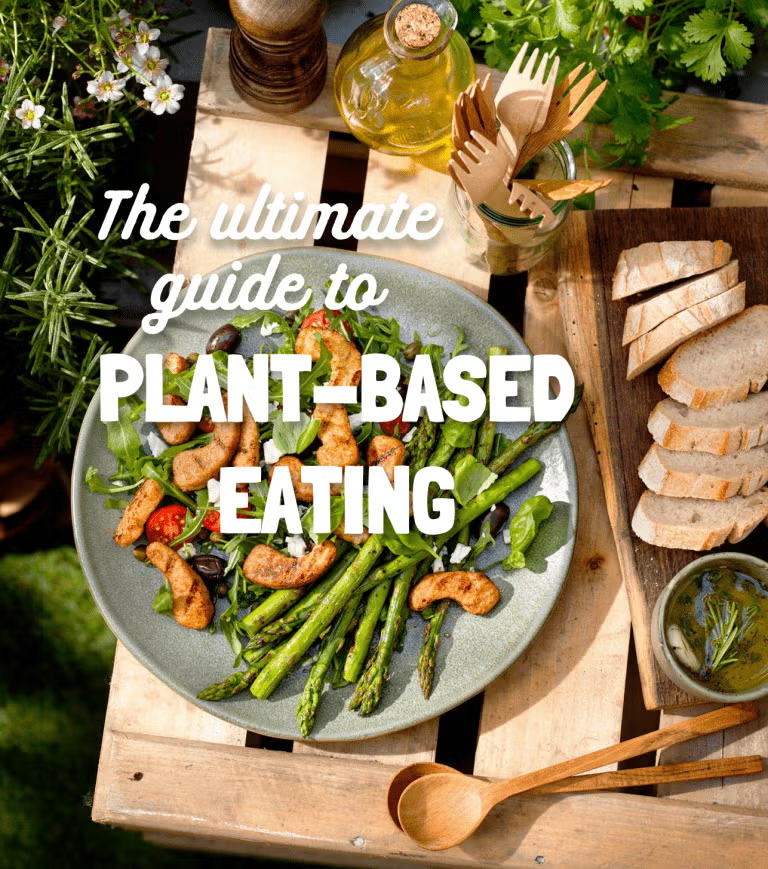

Master plant-based eating with this complete beginner’s guide. Discover protein sources, meal planning strategies, health benefits, transition tips, and delicious recipes for a sustainable whole-food plant-based lifestyle transformation.
Introduction
If you’ve been curious about plant-based eating but feel overwhelmed about where to start, you’re not alone. The shift toward plant-centered nutrition has captured mainstream attention for compelling reasons: research demonstrates that plant-based diets can reduce risk of Type 2 diabetes, heart disease, certain cancers, and other major illnesses. Many people report increased energy, reduced inflammation, and better health outcomes after making the switch. This comprehensive guide demystifies plant-based eating, providing practical strategies for a sustainable transition that fits your lifestyle.
What Exactly Is Plant-Based Eating?
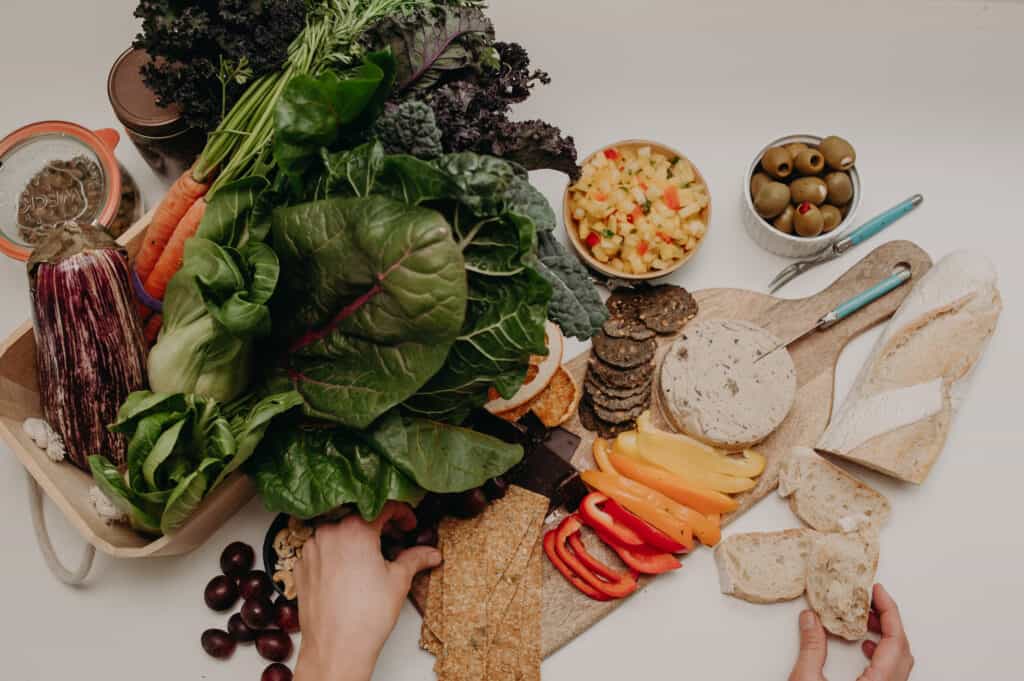
The key ingredients of a plant-based diet vary depending on who you ask, with some definitions specifying the diet includes only plants while others expand to mean eating plants more often than animal products. What isn’t up for debate is that minimally processed vegetables, fruits, grains, nuts, seeds, herbs and spices are included.
A whole-food, plant-based diet focuses on plants, including vegetables, fruits, whole grains, legumes, seeds, and nuts, as the majority of your diet while limiting refined foods like added sugars, white flour, and processed oils. Unlike restrictive vegan diets that exclude all animal products, plant-based eating offers flexibility, you choose the extent to which you include animal foods based on your preferences, ethics, and health goals.
Plant-Based vs. Vegan: Understanding the Difference
A vegan diet falls into the category of plant-based eating, but it’s more restrictive because you do not eat any animal products at all, including eggs, honey, dairy, or meat. Veganism often extends beyond food to encompass ethical stances regarding animal products in clothing, cosmetics, and other consumer goods.
Plant-based eating, conversely, centers meals around plants without necessarily eliminating animal products entirely. While one person following a plant-based diet may eat no animal products, another may include small amounts of eggs, poultry, seafood, meat, or dairy as complements rather than focal points. This flexibility makes plant-based eating more accessible for beginners and easier to sustain long-term.
The Compelling Health Benefits
Scientific evidence supporting plant-based nutrition continues mounting. Following a plant-based diet makes it easier to portion-control foods that tend to be less healthy, like saturated fats and sugars, thereby lowering risk for heart disease, Type 2 diabetes, obesity, and other health problems.
Weight Management Without Calorie Counting
Research shows plant-based eating can be a good diet for weight loss, with studies finding that people prescribed plant-based eating plans for weight loss on average lost the equivalent of 7.5 to 10 pounds. In vegans, people who don’t eat any animal products, appeared to have lowest rates of cancer of any diet, with vegetarians showing the next lowest rate.
The weight loss occurs naturally without obsessive calorie counting because plant foods are generally lower in calorie density while higher in fiber and water content. You can eat satisfying portions while consuming fewer calories compared to animal-based, processed food diets.
Disease Prevention and Reversal
Whole-food, plant-based eating can prevent, halt, and in some cases reverse chronic diseases, with scientific evidence especially overwhelming for heart disease and diabetes. Studies link plant-based diets to lower rates of arthritis, improved liver function, and healthier kidneys.
Plant-based diets benefit people with existing chronic conditions like high blood pressure, heart disease, and Type 2 diabetes because you’re limiting saturated fats and sugars. The anti-inflammatory compounds in plants, combined with abundant fiber and antioxidants, create an internal environment that supports healing and disease management.
Environmental Impact
Beyond personal health, plant-based eating places much less stress on the environment. Animal farming contributes significantly to greenhouse gas emissions, water consumption, and land degradation. Shifting toward plant-centered plates represents one of the most impactful individual actions for environmental sustainability.
Essential Nutrients: Getting Everything You Need
Many beginners worry about nutritional adequacy, particularly protein, on plant-based diets. Rest assured—the Academy of Nutrition and Dietetics confirmed that vegetarian or vegan diets can provide all nutritional requirements for adults, children, pregnant women, and nursing mothers when properly planned.
Protein: Dispelling the Myth
The question “where do you get your protein?” tops the list of concerns. Absolutely, it’s possible to get enough protein from plant-based sources. The Dietary Guidelines recommend adults eat about 50 grams of protein daily, and there is protein in whole grains like quinoa, beans and legumes like lentils and chickpeas, vegetables like artichokes, asparagus, broccoli, and spinach, plus soy products like tofu and tempeh.
Complete vs. Incomplete Proteins: Animal products contain all nine essential amino acids, making them complete proteins. Some plant products, such as soya beans and quinoa, are also complete proteins while others are incomplete, lacking one or more essential amino acids. However, eating a varied diet of plant-based foods throughout the day ensures you get the required range of amino acids. Your body stores amino acids and combines them as needed—you don’t need complete proteins at every meal.
Top Plant-Based Protein Sources:
- Legumes: Beans, lentils, chickpeas, and peas provide 15-18 grams of protein per cooked cup
- Soy Products: Tofu, tempeh, and edamame offer complete protein with 10-20 grams per serving
- Quinoa: This pseudocereal provides 8 grams per cooked cup as a complete protein
- Nuts and Seeds: Almonds, hemp seeds, chia seeds deliver protein alongside healthy fats
- Whole Grains: Brown rice, oats, whole wheat contribute 5-8 grams per serving
- Seitan: Made from wheat gluten, seitan provides 25 grams per 100-gram serving
- Nutritional Yeast: This deactivated yeast offers 8-9 grams per 2 tablespoons plus B vitamins
Critical Vitamins and Minerals
Vitamin B12: Since B12 is primarily found in animal products, vegans should supplement or consume fortified foods such as plant-based milk, breakfast cereals, and nutritional yeast. Even flexible plant-based eaters benefit from monitoring B12 status, as deficiency causes anemia and neurological problems.
Iron: Plant-based sources include lentils, beans, tofu, tempeh, fortified cereals, spinach, and pumpkin seeds. Pairing iron-rich plant foods with vitamin C sources like citrus fruits, strawberries, tomatoes, and peppers dramatically increases iron absorption.
Calcium: Calcium is abundant in fortified plant milks, tofu, tempeh, almonds, sesame seeds, and leafy greens like kale and collard greens. Check labels on plant milks for added calcium and vitamin D to match dairy’s nutritional profile.
Omega-3 Fatty Acids: Flaxseed, walnuts, chia seeds, pumpkin seeds, and edamame provide alpha-linolenic acid (ALA), a plant-based omega-3. Some people also supplement with algae-based EPA and DHA, especially if limiting fish consumption entirely.
Building Your Plant-Based Plate
Visualizing balanced meals helps beginners construct nutritious, satisfying plates without overthinking macronutrient ratios.
The Simple Half-Plate Method
Fill half your plate for meals and snacks with non-starchy vegetables and fresh fruits such as leafy greens, carrots, peppers, broccoli, cauliflower, berries, grapes, apples, pears, and melons. Fill the rest with lean proteins like beans, tofu, or yogurt, complex carbohydrates high in fiber like whole grains or starchy vegetables, and healthy fats from avocados, nuts, seeds, and oils.
This intuitive approach automatically increases vegetable and fruit intake while ensuring adequate protein, fiber, and essential nutrients without complex calculations.
Foods to Emphasize
Vegetables: All types count—leafy greens, cruciferous vegetables, colorful peppers, root vegetables, mushrooms, squash. The more variety and color you add to plate meals, the more you improve overall health.
Fruits: Fresh, frozen, and dried fruits provide natural sweetness, fiber, vitamins, and antioxidants. Berries, citrus fruits, apples, pears, peaches, pineapple, and bananas offer incredible nutritional diversity.
Whole Grains: Brown rice, quinoa, oats, whole wheat, farro, barley, bulgur provide sustained energy, fiber, B vitamins, and minerals. Choose 100% whole grain products over refined versions.
Legumes: Beans, lentils, chickpeas, and peas deliver protein, fiber, resistant starch, folate, and various phytochemicals at minimal cost.
Nuts and Seeds: These nutrient-dense foods provide protein, healthy fats, vitamin E, selenium, and satisfaction in small portions.
Herbs and Spices: Turmeric, ginger, garlic, cinnamon, and countless others add flavor while contributing anti-inflammatory and antioxidant compounds.
Foods to Limit
Plant-based doesn’t automatically mean healthy—ultra-processed vegan products can contain excessive sodium, saturated fats from coconut and palm oils, and added sugars. When purchasing foods with labels, aim for items with the fewest possible ingredients.
Current evidence supports beneficial dietary patterns rich in vegetables, legumes, whole fruit, and whole grains while limited in added sugars, refined grains, processed foods, and red and processed meat for preventing various cancers and chronic diseases.
Practical Transition Strategies
Radical dietary overhauls often fail due to overwhelm and deprivation feelings. Gradual approaches prove more sustainable for lasting change.
Start Small: Incremental Changes
Meatless Mondays: Dedicate one day weekly to fully plant-based eating, experimenting with new recipes and ingredients without pressure.
Meal-Specific Changes: Make breakfast or lunch consistently plant-based before tackling all meals. Many find breakfast easiest—oatmeal with fruit and nuts, smoothie bowls, whole grain toast with nut butter.
Add Before Subtracting: Rather than focusing on elimination, emphasize addition. Add a fruit or veggie to each meal, include extra vegetables in favorite dishes, experiment with one new plant protein weekly. This abundance mindset prevents deprivation feelings.
Plant Milk Swap: Replace cow’s milk and yogurt with soy, oat, or almond alternatives fortified with calcium and vitamin D. Modern plant milks taste excellent in coffee, cereal, smoothies, and cooking.
Meal Planning and Preparation
Developing habits such as eating five servings of vegetables and two servings of fruit daily requires planning. Most people need drastic change in their habits to make it long-lasting, so consider picking a specific day for your switch, or for a slower pace, make one smaller change each day.
Weekly Planning Steps:
- Research Recipes: Websites, cookbooks, and social media platforms offer endless plant-based recipe inspiration
- Stock Your Kitchen: Keep pantry staples like canned beans, whole grains, nuts, and frozen vegetables readily available
- Batch Cooking: Prepare large quantities of grains, beans, and soups for quick meal assembly during busy weekdays
- Pre-Prep Vegetables: Wash, chop, and store vegetables immediately after shopping for convenient access
- Plan Protein Sources: Ensure each meal includes adequate protein from legumes, tofu, tempeh, or other sources
Recreating Favorite Dishes
Many traditional recipes adapt beautifully to plant-based versions. Swap non-vegan ingredients for plant-based alternatives in dishes you already enjoy. Lentil or mushroom bolognese replaces beef versions, cashew cream substitutes for dairy cream, chickpea “tuna” salad mimics traditional tuna salad, and black bean burgers satisfy burger cravings.
The key is finding versions that genuinely satisfy rather than leaving you feeling deprived. This may require experimentation with different recipes and techniques.
Frequently Asked Questions

Will I feel hungry all the time on a plant-based diet?
No—plant-based diets can be incredibly satisfying when properly constructed. The key is including adequate protein, healthy fats, and sufficient calories. Many beginners undereat initially because they haven’t yet learned to build substantial plant-based meals. Focus on calorie-dense foods like nuts, seeds, avocados, whole grains, and legumes alongside vegetables and fruits. Meals should leave you comfortably full for 3-4 hours. If you’re experiencing constant hunger, increase portions of starches and legumes, add more fat sources, and ensure you’re eating enough overall calories.
How do I handle social situations and unsupportive family members?
Social challenges represent one of the biggest hurdles for new plant-based eaters. Unfortunately, not everyone will understand or support your decision. Approach conversations calmly, focusing on your personal reasons and health goals rather than criticizing others’ choices. When dining with others, suggest restaurants with plant-based options, offer to bring dishes to gatherings, and eat beforehand if necessary. Lead by example—when people see your positive results and delicious food, many become more receptive. Find supportive communities online or locally for encouragement during difficult moments.
Can children and pregnant women follow plant-based diets safely?
Yes, the Academy of Nutrition and Dietetics states that vegetarian or vegan diets can provide all nutritional requirements for children and pregnant or breast-feeding women when properly planned. However, these life stages have specific nutritional needs requiring attention—adequate calories for growth, sufficient protein, iron, calcium, vitamin D, vitamin B12, and omega-3 fatty acids. Pregnant and nursing women should work with healthcare providers or registered dietitians to ensure nutritional adequacy. Children benefit from nutrient-dense foods including legumes, nut butters (if no allergies), fortified plant milks, whole grains, and diverse fruits and vegetables. Monitor growth patterns and supplement as recommended by pediatricians.
Do I need to take supplements on a plant-based diet?
Vitamin B12 supplementation is essential for strict vegans and recommended for many plant-based eaters, as B12 is primarily found in animal products and deficiency causes anemia and protects neurological function. Beyond B12, individual needs vary. Some people benefit from vitamin D supplementation, especially in northern climates with limited sun exposure. Omega-3 supplements from algae oil provide EPA and DHA for those avoiding fish. Iron and calcium supplements may be necessary for individuals with diagnosed deficiencies or increased needs. However, most nutrients should come from food when possible. Consult healthcare providers for personalized recommendations based on blood work and individual circumstances.
What about eating out at restaurants?
Restaurant dining is increasingly accommodating to plant-based eaters. Many restaurants now offer dedicated vegan or vegetarian sections. When menus lack obvious options, ask servers about modifications—most kitchens accommodate requests to remove animal products or substitute vegetables for meat. Ethnic restaurants often excel at plant-based options: Indian restaurants serve lentil dishes and vegetable curries; Mexican restaurants offer bean burritos and vegetable fajitas; Italian restaurants provide pasta with marinara or vegetables; Asian restaurants serve tofu stir-fries and vegetable-based dishes. Don’t hesitate to call ahead to discuss options. The worst outcome is discovering limited choices and supplementing with side dishes or eating beforehand.
How do I ensure I’m getting enough calories?
Plant foods are generally less calorie-dense than animal products and processed foods, meaning larger volumes are needed to meet caloric needs. If you’re losing weight unintentionally, feeling weak, or experiencing constant hunger, increase portions of calorie-dense plant foods. Include nuts, seeds, nut butters, avocados, tahini, and oils. Don’t fear whole food fats—they’re essential for hormone production, vitamin absorption, and satiety. Ensure adequate starch intake from potatoes, sweet potatoes, whole grains, and legumes. Eat until comfortably full at meals rather than stopping while still hungry. Some people benefit from tracking calories temporarily to understand whether they’re meeting needs, though long-term tracking isn’t necessary for most people.
Can athletes meet their protein needs on plant-based diets?
Absolutely—numerous elite athletes thrive on plant-based nutrition. Athletes have higher protein requirements than sedentary individuals, typically 1.2-2.0 grams per kilogram body weight depending on sport and training intensity. Meeting these needs plant-based requires intention but is entirely achievable. Focus on protein-rich plant foods at each meal: legumes, tofu, tempeh, seitan, edamame, quinoa, nutritional yeast, and protein-rich grains. Many athletes use plant-based protein powders from pea, hemp, or brown rice protein for convenience and concentrated protein. Caloric intake matters tremendously for athletes—ensure you’re eating enough overall calories to support training demands and recovery. Work with sports dietitians familiar with plant-based nutrition for personalized guidance.
Sample Meal Ideas to Get Started
Breakfast Options:
- Oatmeal topped with berries, ground flaxseed, walnuts, and almond milk
- Tofu scramble with vegetables and whole grain toast
- Smoothie with spinach, banana, berries, nut butter, and plant-based protein powder
- Whole grain toast with avocado and tomatoes
- Chia pudding with fruit and nuts
Lunch Ideas:
- Buddha bowl with quinoa, chickpeas, roasted vegetables, tahini dressing
- Lentil soup with whole grain bread
- Hummus and vegetable wrap in whole wheat tortilla
- Black bean and sweet potato burrito bowl
- Chickpea salad sandwich with leafy greens
Dinner Suggestions:
- Stir-fry with tofu or tempeh, vegetables, and brown rice
- Lentil bolognese over whole wheat pasta
- Bean and vegetable curry with quinoa
- Stuffed bell peppers with beans, rice, and vegetables
- Sheet pan roasted vegetables with white beans and herbs
Snacks:
- Apple slices with almond butter
- Hummus with carrots and bell peppers
- Trail mix with nuts, seeds, and dried fruit
- Edamame sprinkled with sea salt
- Whole grain crackers with cashew cheese
Overcoming Common Challenges
“I don’t like vegetables.” Start with preparations you enjoy—roasted vegetables with herbs taste dramatically different from plain steamed versions. Experiment with different cooking methods, seasonings, and sauces. Begin with milder vegetables and gradually expand. Blend vegetables into smoothies, soups, or sauces where texture is less noticeable. Many people discover they enjoy vegetables when prepared well.
“It’s too expensive.” Plant-based eating can actually reduce grocery costs when centered on whole foods rather than specialty products. Beans, lentils, rice, oats, potatoes, seasonal produce, and frozen vegetables cost significantly less than meat and dairy. Expensive specialty items like vegan cheeses and meat alternatives aren’t necessary—use them occasionally if desired but don’t consider them staples.
“I don’t have time to cook.” Batch cooking on weekends provides quick meals throughout the week. Canned beans and frozen vegetables offer convenience without sacrificing nutrition. Simple meals—grain bowl with canned beans and fresh vegetables—require minimal time. As you develop routine recipes, preparation becomes increasingly efficient.
Resources for Continued Learning
The transition to plant-based eating represents a learning journey. Continue expanding knowledge through reputable resources including registered dietitians specializing in plant-based nutrition, evidence-based websites like the American Heart Association and Physicians Committee for Responsible Medicine, cookbooks from authors like Forks Over Knives, and documentaries examining nutrition science.
Seek community support through online forums, local meetup groups, or plant-based eating classes. Connecting with others on similar journeys provides accountability, recipe ideas, and encouragement during challenging moments.
Conclusion: Your Plant-Based Journey Begins Now
Embracing plant-based eating doesn’t require perfection—progress over perfection creates sustainable change. Start where you are, make gradual adjustments, experiment with new foods and recipes, and listen to your body. Most people find the transition easier than anticipated once they discover the abundance of delicious plant-based options available.
The benefits extend far beyond personal health. Your food choices impact animal welfare, environmental sustainability, and contribute to a more compassionate food system. Every plant-based meal represents a positive choice for your body, animals, and the planet.
Give yourself grace during the transition. You’ll encounter challenges, make mistakes, and occasionally crave familiar comfort foods. That’s normal and expected. The goal isn’t dietary purity but rather establishing predominantly plant-based eating patterns that nourish your body while remaining sustainable and enjoyable long-term.
Your journey toward vibrant, plant-powered health starts with your next meal. Stock your kitchen with colorful vegetables, fruits, whole grains, and legumes. Try one new recipe this week. Add plants to a favorite dish. Take that first step—your future self will thank you for the investment in your health, vitality, and well-being.