

Create your personalized exercise plan for cancer prevention. Discover how 150 minutes of weekly physical activity reduces cancer risk by 28%, with evidence-based strategies for aerobic exercise, strength training, and sustainable fitness habits.
Introduction
Cancer prevention often feels like navigating an overwhelming maze of conflicting information, but one intervention stands out with remarkable clarity: exercise. Regular physical activity not only reduces cancer risk but also significantly mitigates side effects of cancer therapies, with research demonstrating that adults sticking to an exercise program of 15 or more metabolic equivalent hours of physical activity per week decreased their risk for cancer, including obesity-related cancers. This isn’t wishful thinking—it’s evidence-based science that empowers you to take meaningful action today.
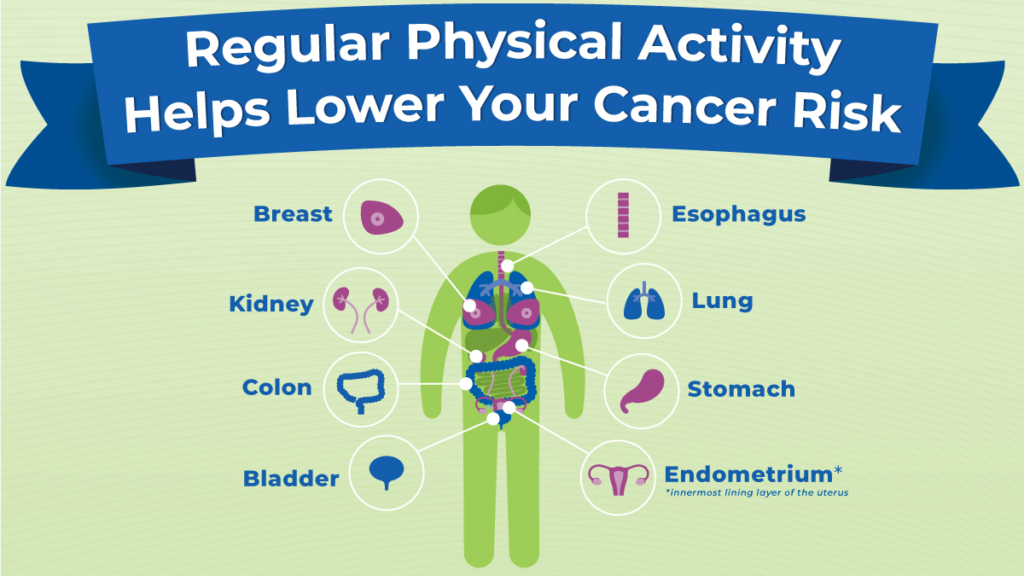
The connection between physical activity and cancer prevention extends across multiple cancer types. Exercise through its multiple forms such as aerobic and resistance activities significantly lowers the risk of developing cancer, with numerous studies demonstrating reduced risks for cancers such as breast, colon, and prostate. This comprehensive guide translates scientific evidence into actionable strategies, helping you create a personalized fitness plan that fits your lifestyle while maximizing cancer-protective benefits.
The Science Behind Exercise and Cancer Prevention
Understanding how exercise protects against cancer motivates consistent action. Physical activity influences body weight, inflammation levels, and hormonal balances—all critical factors in cancer development. Exercise doesn’t target a single pathway but creates a cascade of protective biological changes throughout your body.
Mechanisms of Protection
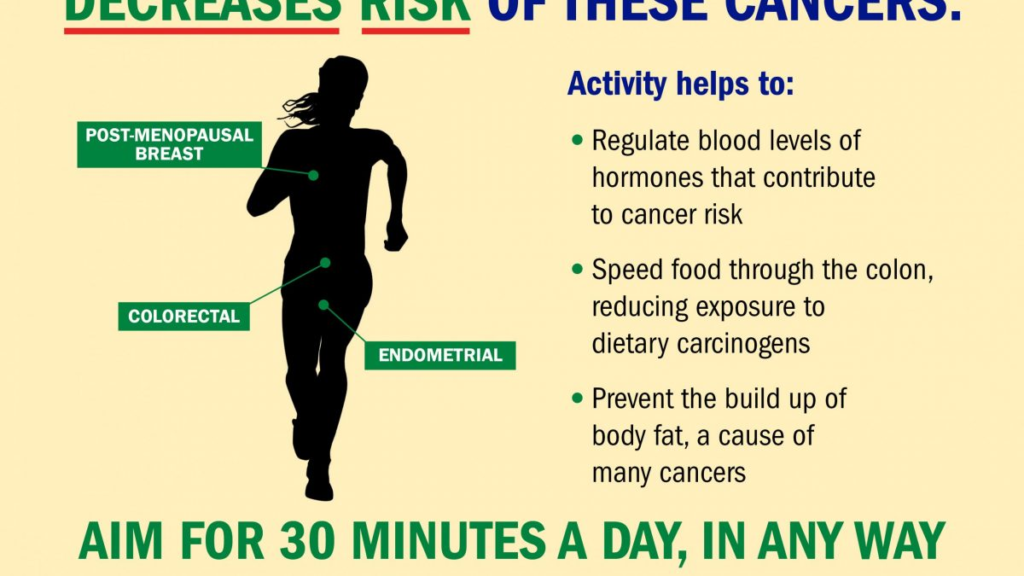
Hormonal Regulation: Exercise helps regulate hormones including estrogen, insulin, and insulin-like growth factors that influence cancer risk when chronically elevated. Physical activity improves insulin sensitivity, preventing the metabolic dysfunction that fuels tumor growth.
Immune System Enhancement: Regular exercise strengthens immune surveillance, enabling your body to identify and eliminate precancerous cells before they become problematic. Research demonstrates that physical activity affects anticancer immunity through multiple pathways.
Inflammation Reduction: Chronic low-grade inflammation creates environments conducive to cancer development. Exercise reduces inflammatory markers throughout the body, creating hostile conditions for tumor initiation and progression.
Weight Management: Excess body weight increases cancer risk through inflammation, elevated insulin levels, increased estrogen production, and altered immune function. Exercise supports healthy weight maintenance, addressing multiple cancer risk factors simultaneously.
DNA Repair Enhancement: Physical activity upregulates genes involved in DNA repair mechanisms, reducing mutation accumulation that leads to cancer. Exercise may prevent transformation of precancerous lesions through lowering blood glucose and improving insulin sensitivity.
Cancer Types Most Affected by Exercise

Research demonstrates particularly strong evidence for exercise reducing risk of:
Breast Cancer: Exercise has been shown to reduce the risk of breast cancer by 30–40% in women with increased physical activity, with even greater reductions when combined with other healthy lifestyle factors. For postmenopausal women, moderate aerobic exercise five times weekly combined with daily physical activity has reduced risk by 50-75%.
Colorectal Cancer: Studies report exercise decreases colorectal cancer risk by approximately 24%, with recent clinical trial evidence showing that exercise reduced risk of recurrence, new primary cancer developing, or death by 28% in patients who had completed colon cancer treatment.
Prostate Cancer: Men engaging in regular physical activity show reduced prostate cancer risk, with exercise also improving outcomes for survivors managing treatment side effects.
Lung Cancer: Even accounting for smoking status, physically active individuals demonstrate lower lung cancer incidence compared to sedentary counterparts.
Endometrial Cancer: Physical activity reduces endometrial cancer risk by addressing obesity, insulin resistance, and hormonal imbalances that promote this malignancy.
Evidence-Based Exercise Guidelines for Cancer Prevention
The American Cancer Society and World Cancer Research Fund provide specific recommendations based on extensive scientific evidence. A new, large study led by researchers at the American Cancer Society shows adults sticking to 15 or more metabolic equivalent hours (MET) of physical activity per week—300 or more minutes of moderate activity or 150 or more minutes of vigorous activity—decreased their risk for cancer significantly.
The 150-Minute Foundation
Minimum Target: At least 150 minutes of moderate-intensity aerobic physical activity or 75 minutes of vigorous-intensity activity weekly, distributed throughout the week rather than concentrated in single sessions.
Moderate-Intensity Activities: Brisk walking, recreational cycling, water aerobics, doubles tennis, ballroom dancing, active gardening, or household chores that noticeably increase heart rate and breathing.
Vigorous-Intensity Activities: Running or jogging, swimming laps, singles tennis, aerobics classes, cycling fast or uphill, jumping rope, or competitive sports.
The Talk Test: During moderate activity, you can talk but not sing. During vigorous activity, you cannot say more than a few words without pausing for breath.
Beyond Minimum Guidelines
Research suggests more extensive benefits with increased physical activity. Researchers stress adherence to physical activity recommendations for cancer prevention could significantly lower risk of developing cancers, including those related to obesity, with some evidence suggesting that exceeding minimum guidelines provides additional protection. However, the relationship isn’t strictly linear—doubling exercise doesn’t automatically halve cancer risk.
Strength Training: The Often-Overlooked Component
Resistance training offers unique cancer-preventive benefits beyond cardiovascular exercise. The American Cancer Society recommends muscle-strengthening activities on at least two days per week, working all major muscle groups including legs, hips, back, abdomen, chest, shoulders, and arms.
Strength Training Benefits:
- Increases metabolic rate, supporting healthy weight management
- Improves insulin sensitivity independent of aerobic exercise
- Maintains muscle mass that typically declines with age
- Enhances bone density, reducing fracture risk
- Improves functional capacity for daily activities
Effective Approaches: Free weights, resistance bands, body-weight exercises like push-ups and squats, weight machines at gyms, or functional movements like carrying groceries.
Creating Your Personalized Fitness Plan
Generic recommendations work for population-level guidance, but sustainable change requires personalization based on your current fitness level, preferences, schedule, and health status.
Starting from Sedentary: The Gradual Approach
If you’re currently inactive, jumping directly to 150 weekly minutes sets you up for injury, burnout, and failure. Recent research shows that even tiny amounts of activity can dramatically reduce cancer risk, which could be a game-changer for people who don’t like to exercise.
Week 1-2: Begin with 10-15 minutes of moderate activity three days weekly. Simple walking around your neighborhood, gentle cycling, or water aerobics provides accessible starting points.
Week 3-4: Increase to 15-20 minutes four days weekly, maintaining comfortable intensity that feels sustainable rather than exhausting.
Week 5-8: Progress to 20-30 minutes five days weekly, experimenting with different activities to discover what you enjoy.
Month 3 and Beyond: Gradually build toward 150 weekly minutes, remembering that consistency matters more than intensity during this phase.
Building Exercise Snacks into Daily Life
Short bursts of physical activity throughout the day accumulate meaningful health benefits. People have successfully integrated movement by doing squats while kettles boil, lunges while brushing teeth, or walking up escalators rather than standing.
Practical Exercise Snacking Ideas:
- Park farther from destinations for extra walking
- Take stairs instead of elevators
- Do wall push-ups during work breaks
- March in place during TV commercials
- Dance while preparing meals
- Perform standing desk exercises
- Walk while taking phone calls
These micro-activities may seem trivial individually but compound into substantial weekly physical activity totals when practiced consistently.
Sample Weekly Exercise Plans
Beginner Plan (100 minutes/week):
- Monday: 20-minute brisk walk
- Tuesday: 15-minute strength training (body weight)
- Wednesday: 20-minute bike ride
- Thursday: Rest or gentle stretching
- Friday: 20-minute walk
- Saturday: 15-minute strength training
- Sunday: 10-minute activity of choice
Intermediate Plan (150 minutes/week):
- Monday: 30-minute jog
- Tuesday: 30-minute strength training
- Wednesday: 30-minute swimming
- Thursday: 20-minute walk
- Friday: Rest or yoga
- Saturday: 40-minute cycling
- Sunday: 20-minute strength training
Advanced Plan (225+ minutes/week):
- Monday: 45-minute running
- Tuesday: 45-minute strength training
- Wednesday: 30-minute HIIT workout
- Thursday: 30-minute swimming
- Friday: 45-minute cycling
- Saturday: 30-minute strength training
- Sunday: Active recovery (gentle yoga or walking)
Frequently Asked Questions
How quickly will I see cancer-protective benefits from starting exercise?
While cancer development typically spans years or decades, protective biological changes begin almost immediately. Within weeks of starting regular exercise, you’ll experience improved insulin sensitivity, reduced inflammation markers, enhanced immune function, and favorable hormonal shifts. These cumulative benefits reduce cancer risk progressively over time. Research examining cancer development demonstrates that improvement in lifestyle can reduce cancer incidence, with some studies showing reduced breast cancer risk ranging from 15-20% and colorectal cancer by 24% in active individuals compared to sedentary counterparts. Remember that every workout contributes to cumulative protection—there’s no such thing as wasted exercise.
Is exercise safe if I have existing health conditions or injuries?
For most people, exercise proves remarkably safe and beneficial even with chronic conditions. However, certain situations warrant medical clearance before starting vigorous programs: cardiovascular disease, uncontrolled diabetes, severe arthritis, or recent surgeries. Consult healthcare providers who can recommend appropriate intensity levels and modifications. Many conditions actually improve with tailored exercise—arthritis pain decreases with movement, diabetes management improves with physical activity, and cardiovascular function strengthens with training. The key is starting appropriately and progressing gradually under professional guidance when needed.
What if I hate traditional exercise like running or gyms?
Cancer-protective benefits arise from accumulated physical activity regardless of how you achieve it. Dancing, gardening, hiking, swimming, recreational sports, active play with children or pets, martial arts, cycling for transportation—all count. The best exercise is the one you’ll actually do consistently. Experiment broadly until you discover activities you genuinely enjoy rather than tolerate. Consider social dimensions: group fitness classes, walking clubs, recreational sports leagues, or workout partners make exercise enjoyable while providing accountability. Remember that variety prevents boredom—rotate among different activities rather than forcing yourself through monotonous routines you dread.
Can I get enough cancer-preventive benefits from strength training alone?
While strength training provides unique benefits—improved insulin sensitivity, increased metabolic rate, maintained muscle mass—research demonstrates that aerobic exercise offers distinct cancer-protective advantages particularly related to cardiovascular health, immune function, and inflammation reduction. The most comprehensive cancer prevention strategy combines both aerobic and resistance training. However, if choosing only one due to time constraints or preference, select the one you’ll sustain long-term. Consistent strength training beats sporadic aerobic exercise that you hate and eventually abandon. Ideally, aim for both: 150 minutes aerobic activity plus two weekly strength sessions.
How do I maintain motivation when results seem abstract and distant?
Cancer prevention lacks the immediate gratification of visible results that weight loss or muscle building provide. Shift perspective by celebrating proximate outcomes: improved energy levels, better sleep quality, enhanced mood, increased strength, greater endurance in daily activities. Track these tangible benefits through fitness journals, noting how much easier stairs become or how much farther you walk without fatigue. Schedule exercise as non-negotiable appointments, treating them with equal priority as medical appointments. Find intrinsic satisfaction in movement itself rather than solely distant health outcomes. Connect with like-minded communities through the American Cancer Society’s resources for support and accountability.
Should I exercise differently if I have family history of specific cancers?
Family history elevates personal risk for certain malignancies, making exercise even more crucial as a modifiable protective factor. The general guidelines remain relevant, though you might emphasize activities with strongest evidence for your highest-risk cancer types. For breast cancer family history, prioritize consistent moderate-to-vigorous aerobic exercise shown to reduce risk by 30-40%. For colorectal cancer family history, focus on regular physical activity that improves metabolic health and reduces inflammation. Discuss your situation with healthcare providers who can recommend personalized screening schedules alongside lifestyle modifications. Remember that family history doesn’t determine destiny—proactive lifestyle choices including exercise significantly modify even genetic predisposition.
Can exercise help if I’m already a cancer survivor?
Absolutely. Physical activity proves beneficial throughout the phases of cancer prevention, treatment, and survivorship, with exercise reducing recurrence risk and improving survival outcomes. Recent clinical trial evidence demonstrated that disease-free survival was significantly longer in the exercise group compared with health-education group after both five years (80.3% vs. 73.9%) and eight years (90.3% vs. 83.2%) among colon cancer survivors. Exercise during treatment helps manage fatigue, maintains muscle mass, improves mood, and enhances treatment tolerance. However, cancer survivors should work with oncology teams and exercise specialists familiar with cancer-related considerations to develop safe, appropriate programs accounting for treatment side effects and individual limitations. Many cancer centers now offer supervised exercise programs specifically designed for patients and survivors.
Overcoming Common Exercise Barriers
“I don’t have time.” Exercise doesn’t require hour-long gym sessions. Three 10-minute walks equal one 30-minute session for cancer-protective benefits. Wake 20 minutes earlier, use lunch breaks for movement, or replace evening television with activity. Exercise snacking—brief activity bursts throughout the day—accumulates meaningful totals without requiring dedicated time blocks.
“I’m too tired.” Paradoxically, regular exercise increases energy levels rather than depleting them. Research consistently shows that physical activity reduces fatigue, improves sleep quality, and enhances overall vitality. Start with very gentle, brief activities when fatigued, gradually building as energy improves. Most people discover that movement energizes rather than exhausts once they establish consistent habits.
“I can’t afford a gym membership.” Walking, jogging, body-weight exercises, online workout videos, outdoor activities, and home-based strength training using household items cost nothing. Parks, trails, and public spaces provide free exercise venues. Many communities offer low-cost recreation programs. Cancer-protective benefits arise from movement itself, not expensive equipment or facilities.
“I’m too out of shape.” Everyone starts somewhere. Your current fitness level simply determines your starting point, not your destination. Begin with activities you can sustain for 10 minutes, gradually progressing as capacity improves. Avoid comparing yourself to others—your only competition is yesterday’s version of yourself.
Integrating Nutrition and Lifestyle Factors
Exercise provides powerful cancer protection but works synergistically with other healthy behaviors. For comprehensive cancer prevention, combine regular physical activity with nutrient-dense nutrition emphasizing vegetables, fruits, whole grains, and legumes while limiting processed meats, alcohol, and ultra-processed foods. Maintaining healthy body weight, avoiding tobacco, limiting sun exposure, and following age-appropriate cancer screening guidelines complement exercise benefits.
The World Cancer Research Fund emphasizes that meeting multiple health recommendations provides additive protection. Research shows females who met at least five of the World Cancer Research Fund and American Institute for Cancer Research recommendations had a 60% lower risk of breast cancer. Each positive lifestyle choice reinforces others, creating comprehensive cancer-protective effects greater than any single intervention alone.
Conclusion
Cancer prevention through exercise isn’t about perfection—it’s about consistent, sustainable physical activity integrated into daily life. The evidence is overwhelming: regular exercise significantly reduces cancer risk across multiple cancer types through biological mechanisms affecting hormones, inflammation, immune function, and metabolic health.
Your fitness plan doesn’t need to be elaborate or extreme. Start where you are, with activities you enjoy, at intensity levels you can sustain. Every walk around the block, every flight of stairs climbed, every strength training session contributes to your cumulative cancer-protective armor. Progress gradually, celebrate small victories, and remember that the best exercise program is the one you’ll actually maintain long-term.
The power to reduce your cancer risk rests literally in your own hands and feet. Lace up those shoes, step outside, and take the first stride toward a healthier, more vibrant future. Your body possesses remarkable capacity for adaptation and protection when you provide the stimulus of regular physical activity. Start today—your future self will thank you for this investment in longevity, vitality, and cancer prevention.