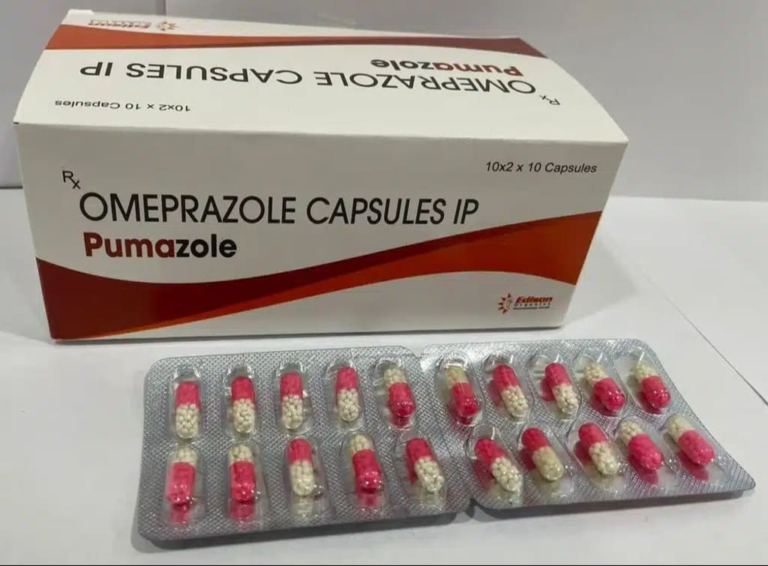


Comprehensive guide to UTIs in postmenopausal women covering increased susceptibility, proven prevention strategies, and effective treatment options for relief.
Introduction
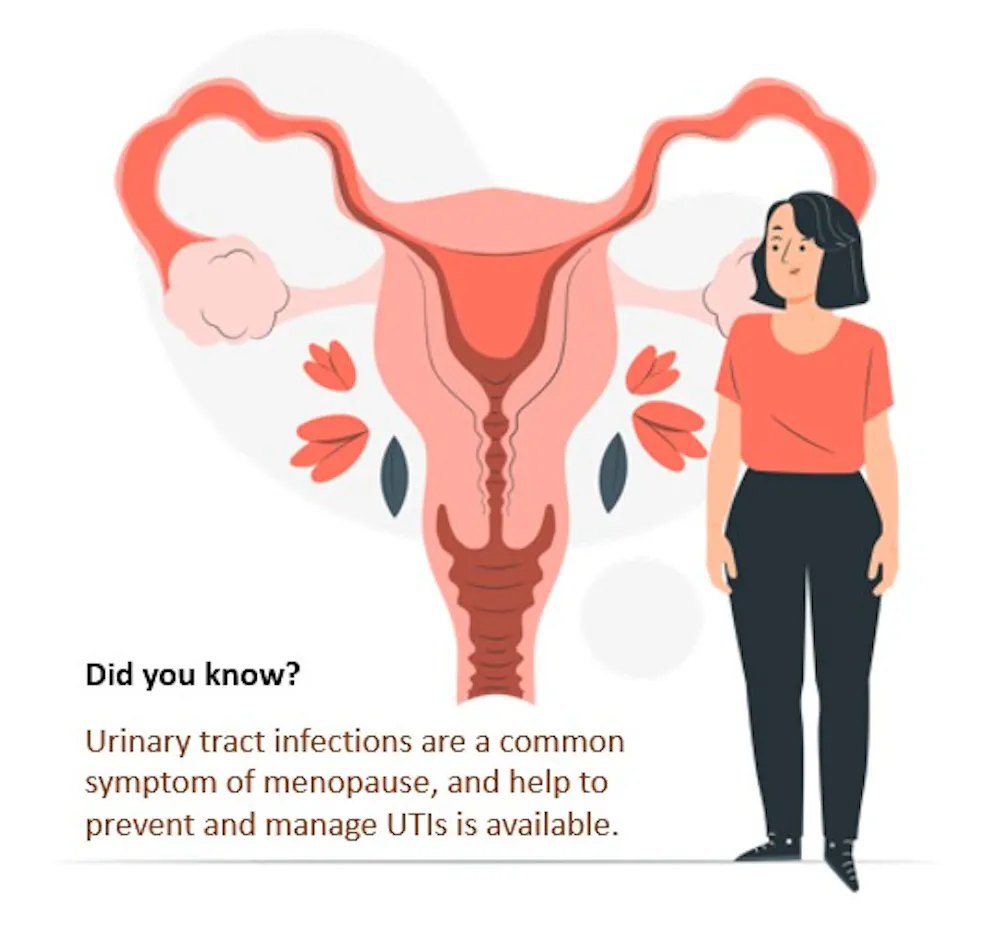
Urinary tract infections (UTIs) affect millions of postmenopausal women annually, causing painful, disruptive symptoms that significantly impact quality of life. After menopause, women experience dramatically increased UTI susceptibility—with up to 10 percent of women over 65 experiencing at least one UTI yearly, and many suffering recurrent infections. This frustrating pattern results from hormonal changes that fundamentally alter the urogenital environment, creating conditions that favor bacterial growth and infection. Understanding why postmenopausal women face heightened UTI risk and implementing powerful, evidence-based prevention strategies empowers you to break the cycle of recurrent infections and reclaim comfort and confidence.
Why Menopause Increases UTI Risk
The dramatic rise in UTI susceptibility after menopause stems primarily from declining estrogen levels and their cascade of effects on the urogenital system.
Hormonal Changes and Vaginal Health

Estrogen plays crucial roles in maintaining urogenital health. Before menopause, this hormone keeps vaginal tissues thick, elastic, and well-lubricated while maintaining slightly acidic pH (3.8-4.5) that inhibits harmful bacterial growth. Estrogen also supports healthy populations of protective Lactobacillus bacteria that produce lactic acid and hydrogen peroxide, further preventing colonization by pathogenic organisms.
After menopause, plummeting estrogen levels cause vaginal atrophy (thinning and inflammation of vaginal walls), reduced vaginal lubrication and moisture, elevated vaginal pH (becoming more alkaline), and depletion of protective Lactobacillus populations. These changes create an environment where harmful bacteria like E. coli—responsible for approximately 80-85 percent of UTIs—can thrive and ascend into the urinary tract.
Urethral and Bladder Changes
Estrogen deficiency also affects the urethra and bladder directly, causing urethral tissue thinning and weakening, reduced urethral closure pressure, compromised bladder lining integrity, and weakened pelvic floor muscles. These changes make bacterial adherence easier and ascending infection more likely.
Additional Contributing Factors
Beyond hormonal changes, several age-related factors compound UTI risk in postmenopausal women:
Incomplete Bladder Emptying: Pelvic organ prolapse, weakened bladder muscles, or neurological changes can prevent complete bladder emptying, allowing residual urine to harbor bacteria.
Decreased Immune Function: Age-related immune system changes reduce the body’s ability to fight infections effectively, similar to how aging affects vulnerability to conditions like influenza.
Chronic Health Conditions: Diabetes, which becomes more common with age, increases UTI risk through elevated glucose in urine that feeds bacteria and impaired immune function.
Medications: Certain drugs including anticholinergics (for overactive bladder) can cause urinary retention, increasing infection risk.
Reduced Mobility: Physical limitations may make proper hygiene more difficult and reduce frequency of bathroom visits.
Catheter Use: Women requiring intermittent or indwelling catheters face substantially elevated UTI risk.
Recognizing UTI Symptoms in Postmenopausal Women
Symptom recognition ensures prompt treatment and prevents complications.
Classic UTI Symptoms
Lower Urinary Tract Symptoms:
- Frequent, urgent need to urinate
- Burning sensation during urination (dysuria)
- Passing small amounts of urine frequently
- Cloudy, dark, bloody, or foul-smelling urine
- Pelvic pain or pressure
- Lower abdominal discomfort
Upper Urinary Tract Symptoms (Kidney Infection):
- High fever and chills
- Nausea and vomiting
- Back or side pain (flank pain)
- General feeling of illness and fatigue
Atypical Presentations in Older Women
Postmenopausal women, particularly those over 70, may present with atypical symptoms including confusion or altered mental status, generalized weakness, loss of appetite, falls, or worsening of chronic conditions without classic urinary symptoms. These non-specific presentations can delay diagnosis and treatment, increasing complication risks.
If you experience any concerning symptoms, particularly fever combined with urinary changes, seek prompt medical evaluation. Similar to recognizing early warning signs in conditions like stroke, quick identification and treatment of UTIs prevents serious complications including kidney damage and sepsis.
Powerful Prevention Strategies
Preventing UTIs requires multi-faceted approaches addressing hormonal, behavioral, and hygiene factors.
Vaginal Estrogen Therapy
The most effective prevention strategy for postmenopausal women with recurrent UTIs is local vaginal estrogen therapy. Multiple high-quality studies demonstrate that vaginal estrogen significantly reduces UTI recurrence by restoring vaginal tissue health, lowering vaginal pH, promoting Lactobacillus growth, and improving urethral function.
Available Formulations:
Vaginal Estradiol Cream: Applied with an applicator 1-3 times weekly. Provides flexible dosing and direct symptom relief.
Vaginal Estradiol Tablets: Small tablets inserted into the vagina twice weekly. Convenient and less messy than creams.
Vaginal Estradiol Ring: Flexible ring inserted every three months that continuously releases low-dose estrogen. Most convenient option requiring minimal attention.
According to the North American Menopause Society, vaginal estrogen therapy is safe for most women and doesn’t carry the same risks as systemic hormone therapy since minimal estrogen enters the bloodstream. However, women with breast cancer history should consult oncologists before starting estrogen therapy.
Hydration and Urination Habits

Adequate Fluid Intake: Drinking 6-8 glasses of water daily dilutes urine, reduces bacterial concentration, and promotes frequent urination that flushes bacteria from the urinary tract. While cranberry products are popular, evidence supporting their effectiveness is mixed and inconsistent.
Regular, Complete Urination: Don’t delay urination when the urge arises—holding urine allows bacterial multiplication. Take time to fully empty your bladder rather than rushing. Double-voiding (urinating, waiting a moment, then trying again) can help ensure complete emptying.
Post-Sexual Urination: Urinating within 30 minutes after sexual activity helps flush bacteria that may have been introduced during intercourse.
Hygiene Practices
Proper Wiping Technique: Always wipe from front to back after bowel movements to prevent introducing intestinal bacteria into the urethral area.
Gentle Cleansing: Wash the genital area with mild soap and water. Avoid harsh soaps, douches, or feminine hygiene sprays that disrupt natural bacterial balance.
Appropriate Clothing: Wear breathable cotton underwear and avoid tight-fitting pants that trap moisture and heat, creating environments favorable for bacterial growth.
Prompt Bathing Suit Changes: Don’t sit in wet bathing suits for extended periods—change into dry clothing promptly after swimming.
Sexual Health Considerations
Lubrication: Use water-based lubricants during sexual activity to reduce friction and tissue trauma that can facilitate bacterial entry.
Partner Hygiene: Encourage partners to maintain good hygiene, particularly genital cleanliness before sexual activity.
Position Modifications: Some sexual positions may increase UTI risk by facilitating bacterial transfer. Experiment to identify positions that don’t trigger infections.
Dietary and Lifestyle Approaches
Probiotics: While evidence is still emerging, some studies suggest that probiotics containing Lactobacillus strains may help restore protective vaginal flora and reduce UTI recurrence. Probiotic supplements or yogurt with live cultures may offer benefits.
D-Mannose: This simple sugar supplement shows promise in preventing UTIs, particularly those caused by E. coli. D-mannose may prevent bacteria from adhering to urinary tract walls. However, more research is needed to confirm effectiveness.
Maintain Healthy Weight: Obesity can contribute to incomplete bladder emptying and complicate hygiene. Implementing sustainable weight management strategies supports overall urogenital health.
Regular Exercise: Physical activity including pelvic floor exercises (Kegels) strengthens muscles supporting bladder function. Incorporate appropriate workout routines that include pelvic floor strengthening.
Avoid Bladder Irritants: Limit caffeine, alcohol, artificial sweeteners, and spicy foods that can irritate the bladder and worsen urinary symptoms.
Manage Chronic Conditions: Control diabetes, hypertension, and other chronic conditions that affect UTI susceptibility. Proper management of conditions like cardiovascular disease supports overall health including urogenital function.
Stress Management: Chronic stress affects immune function and may increase infection susceptibility. Implement stress and anxiety reduction techniques and practice mindfulness to support overall wellness.
Medical Interventions
For women with recurrent UTIs despite preventive measures, additional medical strategies include:
Prophylactic Antibiotics: Low-dose antibiotics taken daily or after specific triggers (like sexual activity) can prevent recurrent infections. Common regimens include nitrofurantoin, trimethoprim-sulfamethoxazole, or cephalexin. However, concerns about antibiotic resistance make this a strategy reserved for women with frequent recurrences who haven’t responded to other interventions.
Methenamine Hippurate: This urinary antiseptic converts to formaldehyde in acidic urine, creating an antibacterial environment. It’s less likely to cause antibiotic resistance compared to traditional antibiotics.
Immunotherapy: Emerging treatments like OM-89 (Uro-Vaxom), an oral immunostimulant made from bacterial extracts, may boost immune response to urinary pathogens, though availability varies by country.
Treatment of Acute UTIs
When prevention fails and UTI symptoms develop, prompt treatment prevents complications.
Antibiotic Therapy
First-line antibiotics for uncomplicated lower UTIs typically include nitrofurantoin, trimethoprim-sulfamethoxazole, or fosfomycin. Treatment duration usually spans 3-7 days depending on the specific antibiotic and infection severity.
For complicated UTIs or kidney infections (pyelonephritis), longer treatment courses (7-14 days) with different antibiotics may be necessary. Always complete the full antibiotic course even if symptoms improve to prevent incomplete treatment and antibiotic resistance development.
Symptom Management
Pain Relief: Phenazopyridine (Pyridium) provides symptomatic relief from burning and urgency but doesn’t treat infection. Use only short-term alongside antibiotics.
Heat Application: Heating pads applied to the lower abdomen may ease discomfort.
Increased Fluids: Drink extra water to help flush bacteria from the urinary system.
Follow-Up Care
For recurrent infections, urine cultures identifying specific bacteria and antibiotic sensitivities help guide appropriate treatment. Women experiencing frequent UTIs should undergo evaluation for anatomical abnormalities, bladder dysfunction, or other contributing factors.
When to Seek Medical Care
Seek immediate medical attention if you experience fever above 101°F (38.3°C), severe back or side pain suggesting kidney infection, nausea and vomiting, blood in urine, or confusion and altered mental status. These symptoms may indicate serious infection requiring prompt intervention.
Frequently Asked Questions About Postmenopausal UTIs
Why do UTIs become more common after menopause?
Declining estrogen levels cause vaginal and urethral tissue thinning, elevated vaginal pH, loss of protective bacteria, and weakened pelvic floor muscles—all creating conditions favorable for bacterial colonization and ascending infection.
Is vaginal estrogen safe for women with breast cancer history?
This depends on individual circumstances and cancer type. Vaginal estrogen involves minimal systemic absorption, but women with hormone-sensitive cancers should consult their oncologists. Non-hormonal alternatives may be recommended.
Can cranberry juice prevent UTIs?
Evidence is mixed. While some studies suggest cranberry products may reduce UTI recurrence, effects appear modest. Cranberry shouldn’t replace proven strategies like vaginal estrogen or adequate hydration.
How can I tell if I have a bladder infection or kidney infection?
Bladder infections typically cause urinary symptoms (burning, frequency, urgency) without systemic illness. Kidney infections add fever, back/side pain, nausea, and general illness. Kidney infections require prompt medical treatment.
Will antibiotics cure recurrent UTIs permanently?
Antibiotics treat individual infections but don’t address underlying susceptibility factors like estrogen deficiency. Without prevention strategies, infections will likely recur. Focus on prevention through vaginal estrogen and lifestyle modifications alongside treating acute infections.
Can sexual activity cause UTIs in postmenopausal women?
Yes, sexual activity can introduce bacteria into the urethra. Post-menopausal tissue changes increase this risk. Urinating after sex, using lubrication, and considering vaginal estrogen help reduce post-intercourse UTI risk.
Are there alternatives to estrogen for preventing UTIs?
Yes, alternatives include adequate hydration, proper hygiene, probiotics, D-mannose supplements, and in some cases, prophylactic antibiotics or methenamine. However, vaginal estrogen remains the most effective evidence-based prevention strategy for most postmenopausal women.
The Psychological Impact of Recurrent UTIs
Living with recurrent UTIs affects more than physical health—it impacts mental and emotional wellbeing, sexual health, social activities, and overall quality of life. The constant worry about infection recurrence, interruptions to daily activities, and impact on intimate relationships can contribute to anxiety and depression.
Accessing comprehensive mental health support addresses the emotional burden of chronic UTIs alongside physical treatment. Don’t dismiss the psychological toll of recurrent infections—your emotional wellbeing matters as much as physical health.
Moving Forward With Confidence
/assets/images/provider/photos/2801882.jpeg)
Recurrent UTIs after menopause are frustrating, but they’re not inevitable. With proper understanding of why postmenopausal women face increased risk and implementation of evidence-based prevention strategies—particularly vaginal estrogen therapy combined with behavioral modifications—most women can significantly reduce or eliminate recurrent infections.
The key is taking a proactive, comprehensive approach rather than simply treating infections as they occur. Work with your healthcare provider to develop a personalized prevention plan addressing your specific risk factors and circumstances.
Don’t suffer in silence or accept recurrent UTIs as an unavoidable part of aging. Effective solutions exist that can restore your comfort, confidence, and quality of life. Take control of your urogenital health through proven prevention strategies, and reclaim the freedom from constant worry about the next infection.
Your post-menopausal years should be a time of freedom and enjoyment, not constant battles with painful infections. With knowledge, appropriate medical treatment, and consistent prevention practices, you can defeat recurrent UTIs and embrace this life stage with vitality and confidence. Start implementing these strategies today, and experience the relief that comes from breaking free from the UTI cycle.