
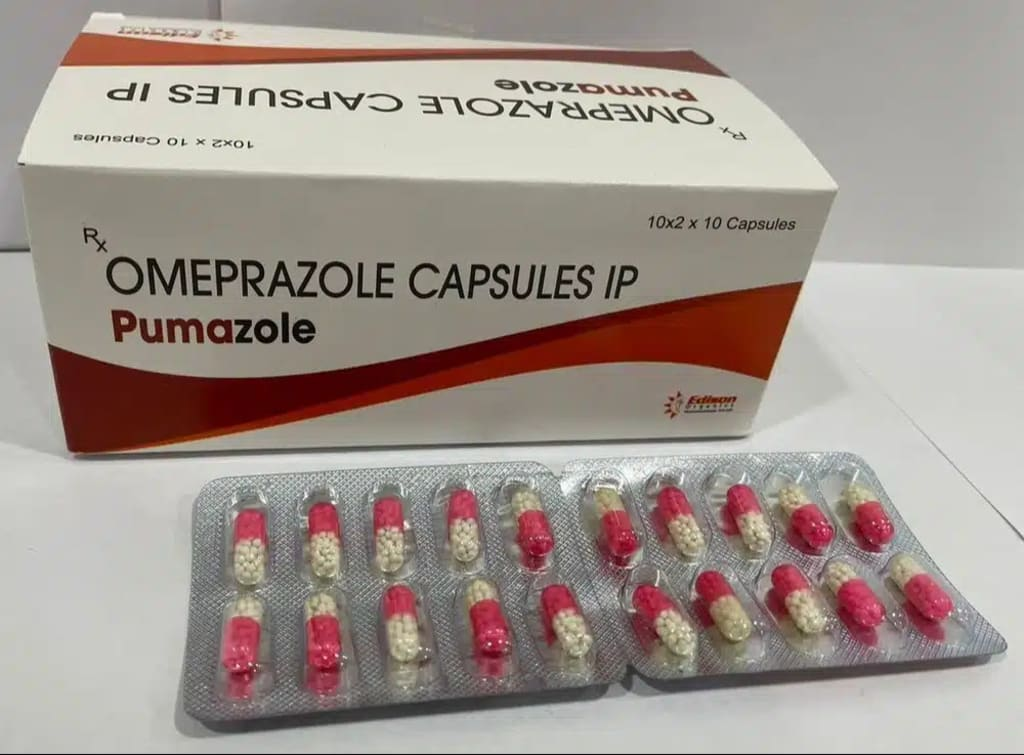

“Latest NHS and MHRA warnings about omeprazole in the UK: safety updates, product recalls, side effects, and guidance on safe long-term use. What every patient should know.
Introduction

In mid-2025, UK data showed a spike in searches for “NHS omeprazole warning”. Many people are asking what new guidance or information has emerged about omeprazole which is the commonly used proton-pump inhibitor (PPI) for acid reflux, heartburn, ulcers, and related conditions.
This article addresses that by covering:
- What omeprazole is and how it works
- The latest NHS and MHRA (Medicines and Healthcare products Regulatory Agency) warnings and alerts
- Potential risks, side effects, and concerns associated with omeprazole use
- Who should be especially careful, and what alternatives exist
- How to use omeprazole safely, when to seek medical advice
- What this means for patients in the UK
By the end, you’ll have a clear, evidence-based picture of what the NHS warning is, whether it applies to you, and what to do moving forward.
What is Omeprazole?
Omeprazole is a proton pump inhibitor (PPI), a class of medications that reduce the production of stomach acid.
Key facts from NHS sources:
- Omeprazole is used for indigestion, heartburn, acid reflux, and to prevent or treat stomach ulcers.
- It is also used for rarer conditions such as Zollinger-Ellison syndrome, where excessive stomach acid is produced.
- Available in multiple forms: capsules, tablets, liquid. Some strengths can be purchased by the public (over the counter), but many uses require prescription.
- Effects begin to show in 2–3 days, but for full effect in some cases, it may take up to 4 weeks.
What’s the “Warning” from NHS / MHRA?
The “warning” trending in searches seems to arise primarily from several recent regulatory notices, safety updates, and product recalls in the UK. Key items include:
- Medicines Recall – Omeprazole 20 mg/15 ml Oral Solution (Glenmark) (June 2025)
The MHRA issued a Class 3 medicines recall for a specific batch of Glenmark’s omeprazole oral solution. The reason was precipitation and discoloration in bottles, reported via customer complaints. Patients were advised that the issue was at the pharmacy/wholesaler level; no immediate action was needed for other batches. - Medicines Defect Notice – Sandoz Omeprazole Products (August 2024)
The MHRA issued a Class 4 defect information notice about certain Sandoz omeprazole preparations. The problem: missing safety information in the patient-information leaflet (PIL) and the Summary of Product Characteristics (SmPC). Specifically, the warning/precaution for serious skin reactions like DRESS (Drug Reaction with Eosinophilia and Systemic Symptoms) and AGEP (Acute Generalized Exanthematous Pustulosis) were missing. - Long-Term Use Safety Concerns
NHS information has long noted that taking omeprazole (or any PPI) for longer than the recommended period (often longer than 3 months or 1 year) may lead to increased risk of side effects, including:- Low levels of magnesium in the blood
- Vitamin B12 deficiency
- Increased risk of fractures (hip, wrist, spine)
- Gut infections, likely because stomach acid suppression alters gut flora or reduces acid barrier to pathogens.
- Patient Information Leaflet / Labeling Issues
The missing safety warnings in some batches (as above) are especially concerning because patients may not be properly informed about rare but serious potential adverse reactions. The MHRA ensures oversight, but delays or omissions in updating PILs/SmPCs can lead to misinformed use.
So the “warning” is multifaceted: it’s not necessarily that omeprazole has been newly shown to be dangerous overall, but that new concerns or regulatory actions have emerged that increase awareness of risks, especially with long-term or inappropriate use.
What the Side Effects or the Risks Are
Here’s a detailed look at what is known about omeprazole risks and side effects, especially as they relate to “warnings” from the NHS, MHRA, and patient safety bodies.
Common Side Effects
These are effects many people may experience, especially early in treatment. They are usually mild, often transient.
- Headaches
- Nausea, vomiting, diarrhoea, stomach discomfort or pain
- Flatulence (“wind”), constipation
Less Common or Rare but Serious Effects
These are less frequent, but more concerning. Many are highlighted in the “long-term use” warnings.
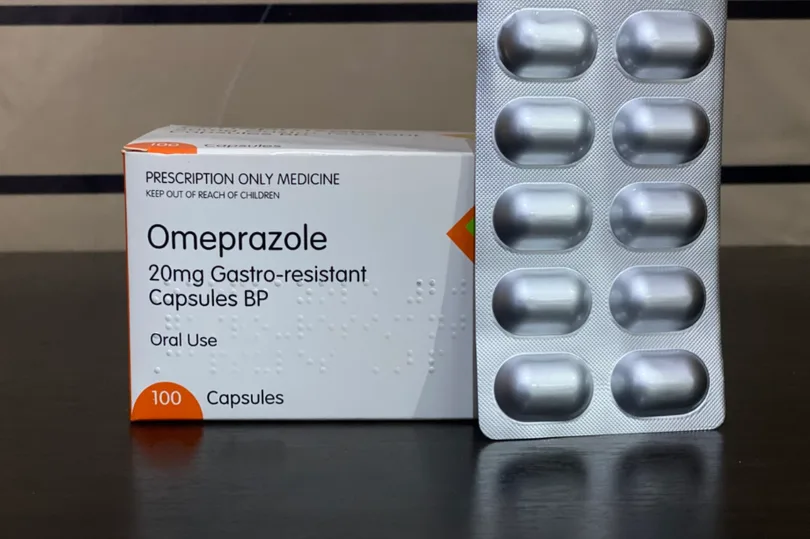
- Low magnesium levels (hypomagnesemia): Long-term suppression of acid may interfere with absorption of minerals. Symptoms include muscle twitches, weakness, confusion, irregular heartbeat.
- Vitamin B12 deficiency: Over months to years, stomach acid suppression may impede B12 absorption. Symptoms: fatigue, sore tongue, numbness or tingling in limbs.
- Bone Fractures: Increased risk in people who take PPIs long term, particularly those with other risk factors for osteoporosis.
- Gut Infections: Risk of infections like Clostridioides difficile and other bacterial overgrowth due to reduced acidity.
- Serious Skin Reactions: Conditions such as Stevens-Johnson syndrome, toxic epidermal necrolysis (TEN), DRESS, and AGEP. Some of these are associated with certain batches where warnings were missing.
- Liver function changes and allergic reactions in very rare cases.
Who Should Be Particularly Careful
While many people use omeprazole safely, certain groups should be more cautious, monitor side effects closely, or consider alternatives. If you fall into any of the following, talk to your GP or pharmacist:
- Patients on long-term omeprazole (more than 3 months to several years) – risk of mineral/vitamin deficiencies, bone issues.
- Elderly individuals – higher baseline risk of osteoporosis, fracture, reduced kidney or liver function.
- People with existing liver disease – because omeprazole is metabolized by the liver.
- Those with malabsorption or nutritional deficiencies – e.g., ileal disease, prior gastric surgeries.
- Patients also on medications that may interact with PPIs (e.g., certain antiretrovirals, antifungals, etc.) – always check with a clinician.
- Pregnant or breastfeeding patients – while omeprazole is generally considered safe in pregnancy and breastfeeding, risks vs benefits should be weighed.
What the Recent Alerts Mean for You (Patient Perspective)
Given the NHS / MHRA warnings and recalls, what should patients in the UK know and do?
- Check your batch / product
If you use omeprazole oral solution or certain Sandoz capsules, check whether your batch is among those flagged in the recalls or defect notices. Pharmacy staff may have replaced problem batches. If unsure, contact your GP or pharmacist. - Read your Patient Information Leaflet (PIL)
Make sure your PIL includes warnings about serious skin reactions (DRESS, AGEP) and what symptoms to watch out for. If your PIL lacks this information, you may want to mention that to your pharmacist or GP. - Limit duration of use when possible
Try to use omeprazole only as long as prescribed. For many cases of heartburn or reflux, short-term treatment might suffice. When longer treatment is needed, regular reviews are essential. - Monitor symptoms for side effects
Be aware of signs of low magnesium, B12 deficiency (fatigue, numbness, changes in taste, red tongue), bone pain or fractures, skin issues, unusual sensations. If these arise, report them promptly. - Lifestyle modifications
Help reduce reliance on PPIs by:- Avoiding foods and drinks that trigger acid (spicy, fatty, caffeinated, alcohol)
- Eating smaller meals, avoiding late-night eating
- Raising head of bed if reflux at night
- Losing weight if overweight
- Quitting smoking if applicable
- Alternative treatments
Explore alternatives or adjuncts under medical supervision: antacids, H2 blockers like ranitidine (if available), alginate reflux remedies, dietary changes, surgical options in severe cases.
Debunking Myths & Clarifying Misconceptions
Because warnings can cause fear, it’s important to separate fact from misconception.
| Myth / Claim | Reality / Evidence |
|---|---|
| “Omeprazole is newly banned by NHS.” | No. There is no blanket ban. It is still widely prescribed and used. Some product batches are recalled or revised, but that does not mean danger in general use. |
| “It should never be used long-term.” | Long-term use carries risk, but for some conditions (e.g. severe reflux, Barrett’s oesophagus, Zollinger-Ellison syndrome), long-term therapy may be necessary and beneficial. This should always be under clinical supervision. |
| “Any rash when using omeprazole means a life-threatening reaction.” | Most skin reactions are mild. Severe reactions (e.g. DRESS, Stevens-Johnson, AGEP) are rare. Warning signs should prompt immediate medical attention. |
| “Stopping omeprazole abruptly is simple and always safe.” | Not necessarily. Sudden cessation can cause rebound acid hypersecretion. Gradual tapering or switching may be needed based on your condition. |
Regulatory and NHS / MHRA Actions to Watch

- Batch recalls / safety alerts: As seen, some oral solution batches have been recalled. Others have defect notices for missing safety information. Being aware of product identification (batch/lot) is important.
- Labeling updates: PILs and SmPCs for omeprazole products are being updated to include warnings about serious skin reactions. Patients should check whether their product includes them.
- Prescription reviews: NHS guidance often suggests reviewing need for long-term therapy, reducing dose where possible, considering de-escalation.
- Monitoring programs: Patients on long-term therapy may have periodic blood tests, bone health assessments, vitamin B12 and magnesium levels checked.
How to Use Omeprazole Safely: Practical Guidance
To use omeprazole with minimal risk:
- Use the lowest effective dose
Start with standard dosing; avoid high doses unless prescribed. Overmedication can increase risk. - Limit duration when possible
For many issues, 4-8 weeks may be sufficient. For chronic or severe disease, follow doctor’s plan but ensure regular review. - Take at the right time
Usually once daily in the morning; some conditions require twice daily. Follow the doctor’s or pharmacologist’s dosing schedule. - Lifestyle and dietary adjustments
As above: avoid triggers, adjust posture, weight loss, reduce caffeine/alcohol, avoid late meals. These often help reduce reliance. - Watch for warning signs
Be alert for side effects as noted earlier, especially if treatment is extended. If you see skin rashes, swelling, breathing difficulty, signs of liver issues (yellowing skin, dark urine), contact emergency services. - Talk to healthcare providers
If you feel omeprazole is no longer effective, or have concerns, a GP or pharmacist can advise. They might consider stepping down, switching PPIs, or alternative therapies.
Implications for UK Public Health & Patients
- The recent alerts and warnings reflect a move toward greater transparency and patient safety. But they also signal the need for better communication: many patients may hear “warning” and assume “danger,” which may not be accurate.
- Doctors and pharmacists must ensure that patients are well informed—providing PILs with updated safety information and discussing risks vs benefits.
- Because many people buy omeprazole over the counter (OTC) for heartburn and reflux, public awareness is key. People may use omeprazole without medical supervision; this increases risk of misuse or long-term use without monitoring.
- Health policy may evolve. For example, tighter regulation of long-term use, improved labeling, enhanced patient education, or more robust systems for reporting adverse reactions (via Yellow Card scheme) may be part of ongoing responses.
When to Seek Medical Advice Immediately
If any of these occur while taking omeprazole, contact a healthcare professional:
- Signs of severe allergic reaction: swelling of face, throat, difficulty breathing
- Widespread rash, blisters, or skin peeling
- Yellowing of skin or eyes, dark urine (possible liver involvement)
- Stomach bleeding: vomiting blood, black or bloody stools
- Significant weight loss or difficulty swallowing
- Severe or persistent diarrhoea, or dehydration
Conclusion
The “NHS omeprazole warning” trend reflects legitimate patient concerns: new recalls, missing warning labels, and recognition that long-term or inappropriate use of omeprazole carries non-trivial risks.
However, omeprazole remains an important and often effective medication for many digestive disorders when used correctly. What has changed recently is not that it is unsafe across the board. It has been said that both patients and providers are being asked to be more cautious, informed, and vigilant.
If you are taking omeprazole:
- Make sure your product information leaflet is complete and up to date
- Use it only as prescribed
- Review necessity of long-term use with your GP
- Monitor for side effects, especially if you’ve been using it for months or years
For NHS / regulators / clinicians: clear communication, batch quality control, regular monitoring, and patient education remain essential. That is why the warning was issued, though while it triggers anxiety for some, it can ultimately lead to safer medicine use if harnessed correctly.