

Discover the shocking truth about Victorian-era diseases, how poor sanitation and rapid urbanization fueled deadly epidemics, and how these tragedies transformed modern public health and medicine.
Introduction
The Victorian era, spanning from 1837 to 1901, was a period of incredible industrial progress, social reform, and empire expansion. Yet, behind the grandeur of Queen Victoria’s reign lay a grim reality, the devastating health crises that plagued both the poor and the wealthy. Infectious diseases swept through crowded streets, slums, and even royal palaces, leaving a permanent mark on human history.
In this article, we dive deep into Victorian-era diseases, their causes, impacts, and how they helped shape modern public health systems.
The Hidden World of Victorian Health
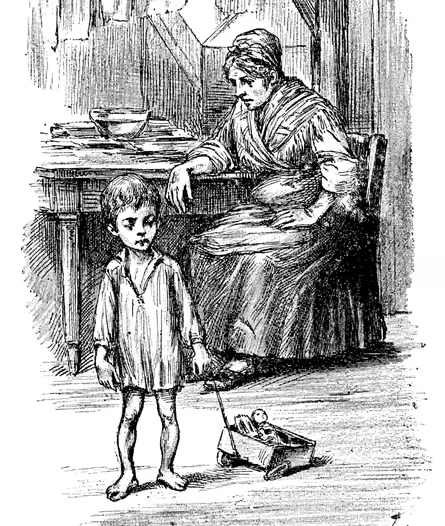
Life in the 19th century was a mix of advancement and misery. While steam engines, railways, and factories were revolutionizing society, sanitation and healthcare lagged far behind. The Industrial Revolution brought thousands into cities like London, Manchester, and Liverpool, but infrastructure couldn’t keep up with the population boom.
The result? Overcrowded housing, contaminated water supplies, and poor waste disposal which happens to be the perfect breeding ground for infectious diseases.
Common Diseases of the Victorian Era
Below are some of the most notorious diseases that ravaged the Victorian population:
1. Cholera: The Blue Death
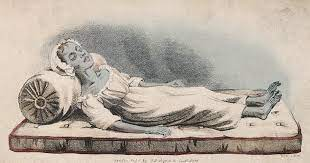
Cholera became one of the deadliest epidemics during the 19th century. It spread rapidly through contaminated water, causing severe diarrhea, dehydration, and death within hours. The disease turned victims’ skin bluish due to dehydration, earning it the name “the blue death.”
One of the most famous cholera outbreaks occurred in London in 1854. Dr. John Snow’s groundbreaking investigation linked the disease to contaminated water from the Broad Street pump. His work laid the foundation for modern epidemiology and public sanitation systems.
2. Tuberculosis: The White Plague
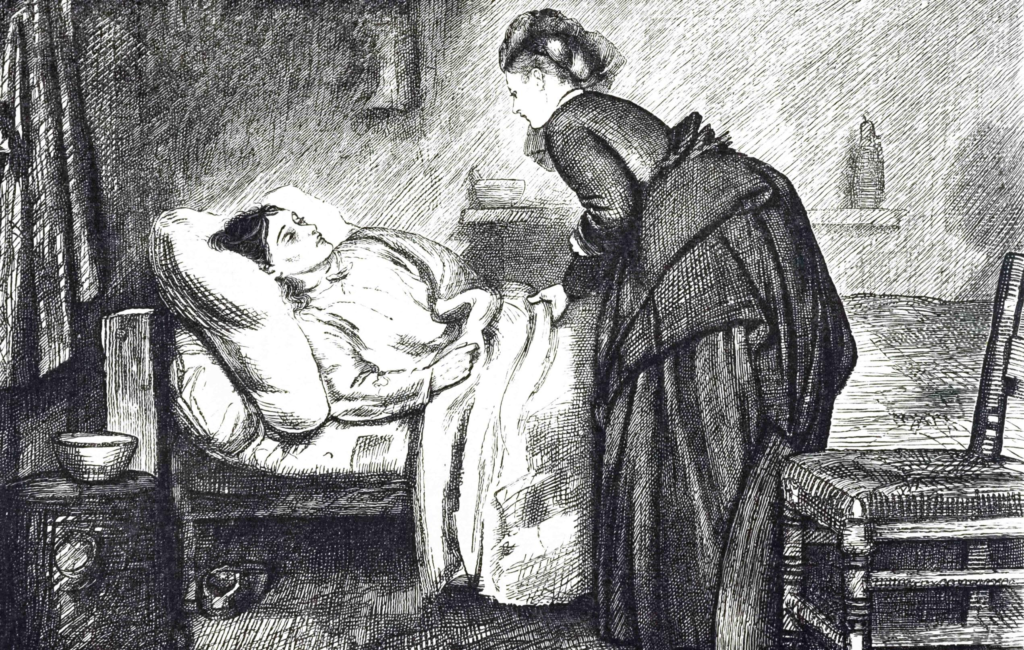
Known as consumption during the Victorian era, tuberculosis (TB) was one of the most feared diseases of the time. It was romanticized in literature and art, yet it was a slow and painful killer. The infection caused prolonged coughing, fever, and weight loss which eventually leading to death.
Poor ventilation and cramped living conditions allowed TB to spread easily, especially among factory workers and the urban poor.
3. Typhoid Fever: The Silent Killer
Typhoid fever was another waterborne disease that spread through poor sanitation. It caused high fever, weakness, and abdominal pain. The famous case of Typhoid Mary in the early 1900s drew attention to asymptomatic carriers of disease and individuals who could infect others without showing symptoms.
This discovery reshaped medical understanding of infection control and public hygiene.
4. Smallpox: The Scourge of Empires
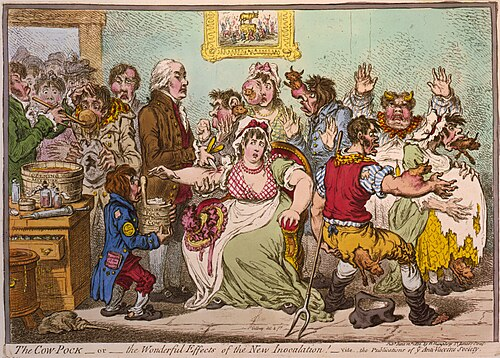
Smallpox had haunted humanity for centuries, but the Victorian era saw both its devastating effects and the beginnings of its decline. The introduction of Edward Jenner’s vaccine in the early 19th century was a major medical breakthrough. Vaccination campaigns became more organized during Queen Victoria’s reign, saving countless lives.
5. Scarlet Fever and Diphtheria: Child Killers of the Century
Children were particularly vulnerable during this period. Scarlet fever caused rashes, high fever, and throat pain, while diphtheria created a thick coating in the throat that suffocated its victims. Families often lost several children within weeks.
Medical treatments were limited and antibiotics had not yet been discovered, so prevention and sanitation were the only defenses.
The Social Divide in Disease
Health outcomes in the Victorian era were closely tied to class. The wealthy could afford cleaner living conditions, medical care, and even countryside retreats to avoid city outbreaks. The poor, meanwhile, lived in overcrowded tenements with no access to clean water or healthcare.
This inequality spurred early social reform movements and inspired many writers like Charles Dickens, who exposed the harsh realities of urban poverty in works like Oliver Twist.
Sanitation and the Birth of Public Health
The horrors of Victorian-era diseases forced governments and scientists to act. In 1848, the Public Health Act was introduced in Britain as a landmark step toward improving sanitation and controlling disease. The act led to cleaner water systems, proper waste disposal, and the creation of local health boards.
These reforms not only saved lives but also laid the groundwork for modern urban planning and hygiene practices. The link between cleanliness and health became widely accepted, transforming how societies approached disease prevention.
Internal Link: For more on how community health initiatives continue to shape society, read our article on The Impact of Community Health Service to the Community.
Victorian Medicine: From Mysticism to Science
The medical field also evolved dramatically during this era. Early in the century, treatments were primitive-bloodletting, mercury tonics, and dubious home remedies were common. However, by the late 1800s, advancements in germ theory, surgical antiseptics, and anesthesia transformed medicine into a true science.
Pioneers like Louis Pasteur and Joseph Lister proved that microorganisms caused infection, revolutionizing hospital practices and sterilization techniques.
The Legacy of Victorian Diseases
While the diseases of the Victorian era caused unimaginable suffering, they also sparked the greatest transformations in medical history. Public health systems, vaccination campaigns, and improved sanitation all emerged from the chaos of this period.
Modern societies owe much of their health infrastructure to the lessons learned from the tragedies of the 19th century.
Frequently Asked Questions (FAQs)
1. What were the most common Victorian-era diseases?
Cholera, tuberculosis, typhoid fever, smallpox, scarlet fever, and diphtheria were among the most common and deadly diseases of the period.
2. How did poor sanitation contribute to these diseases?
Contaminated water and inadequate waste disposal allowed pathogens to spread rapidly, especially in crowded cities.
3. What role did the Victorian era play in modern medicine?
The era marked the beginning of epidemiology, vaccination, germ theory, and the development of organized public health systems.
4. How did society respond to these health crises?
Reforms such as the 1848 Public Health Act, better sanitation infrastructure, and vaccination programs were introduced to combat disease.
5. Are any of these diseases still around today?
Yes, diseases like tuberculosis and cholera still exist in parts of the world, though modern medicine and hygiene have greatly reduced their impact.
Final Thoughts
The Victorian-era diseases that once terrified entire cities now serve as powerful reminders of the importance of hygiene, science, and social reform. From filthy streets to sterile hospitals, the transformation of healthcare during this era continues to influence how we protect public health today.
Understanding this history not only honors the struggles of the past but also helps us prepare for future global health challenges.