

Discover how lifestyle medicine prevents obesity and metabolic syndrome. Learn evidence-based strategies in nutrition, exercise, stress management, and sleep for better long-term health.
Introduction
Obesity and metabolic syndrome have become two of the most significant public health challenges of the 21st century. With globalization, urbanization, and sedentary lifestyles on the rise, the prevalence of these conditions has skyrocketed worldwide. They are not merely cosmetic issues but represent major risk factors for cardiovascular disease, diabetes, stroke, and even certain cancers. The World Health Organization (WHO) estimates that worldwide obesity has nearly tripled since 1975, while metabolic syndrome is affecting roughly one-quarter of the adult population globally.
This article explores obesity and metabolic syndrome, their health consequences, and most importantly, how lifestyle medicine provides a powerful, evidence-based approach to prevention and management.
Understanding Obesity and Metabolic Syndrome
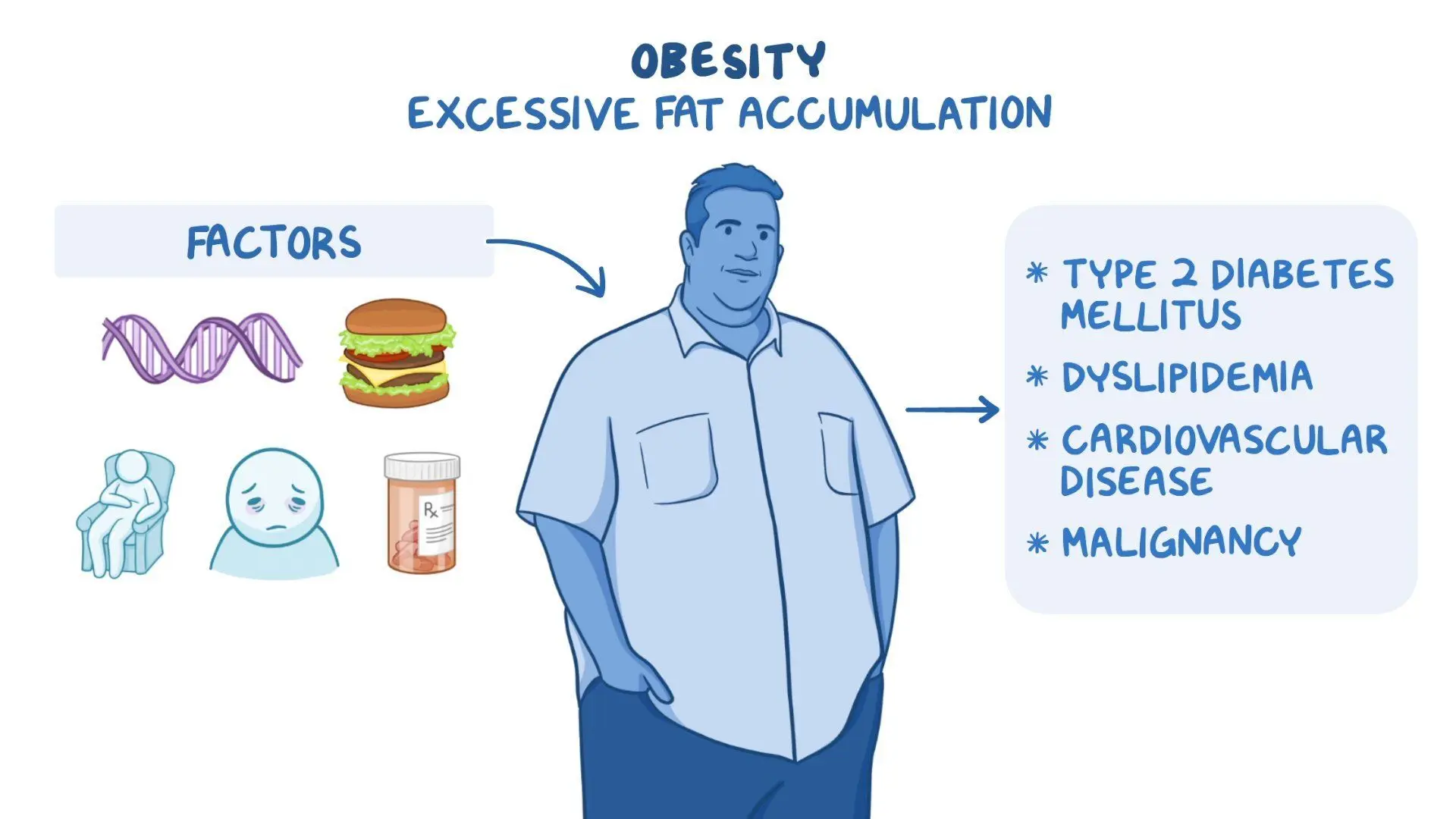
Obesity is defined as excessive body fat accumulation that poses a risk to health. Body Mass Index (BMI) is often used for classification:
- Normal: 18.5–24.9
- Overweight: 25–29.9
- Obese: ≥30
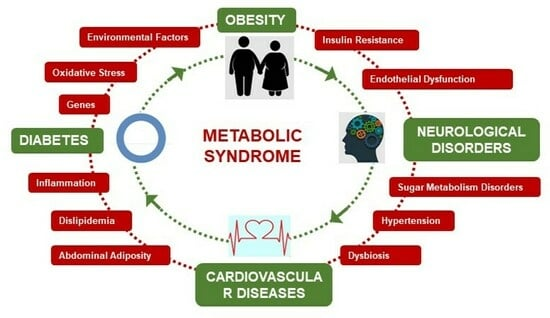
Abdominal obesity (measured by waist circumference) is particularly dangerous as it indicates visceral fat surrounding vital organs.
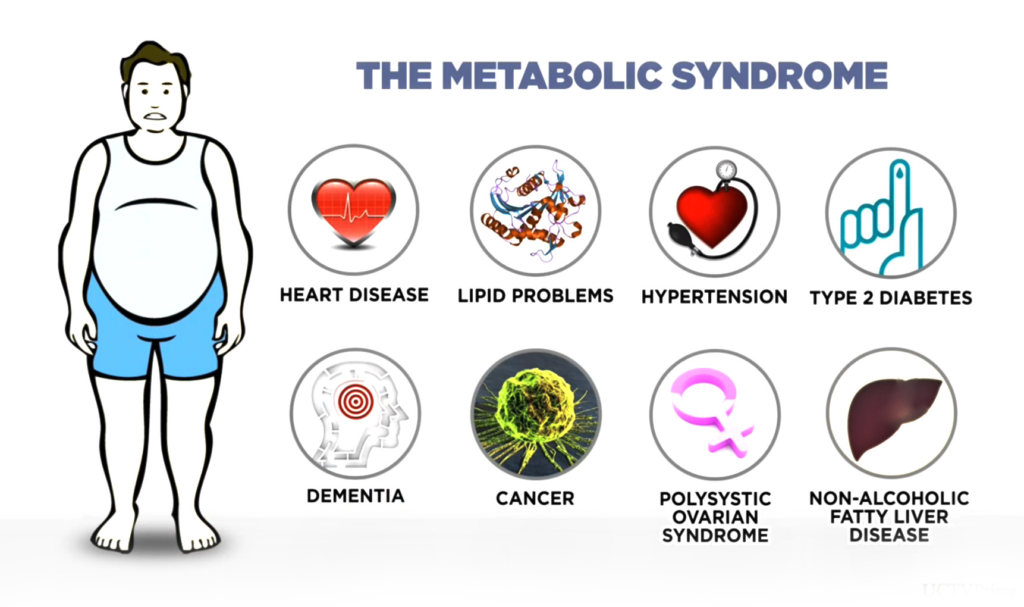
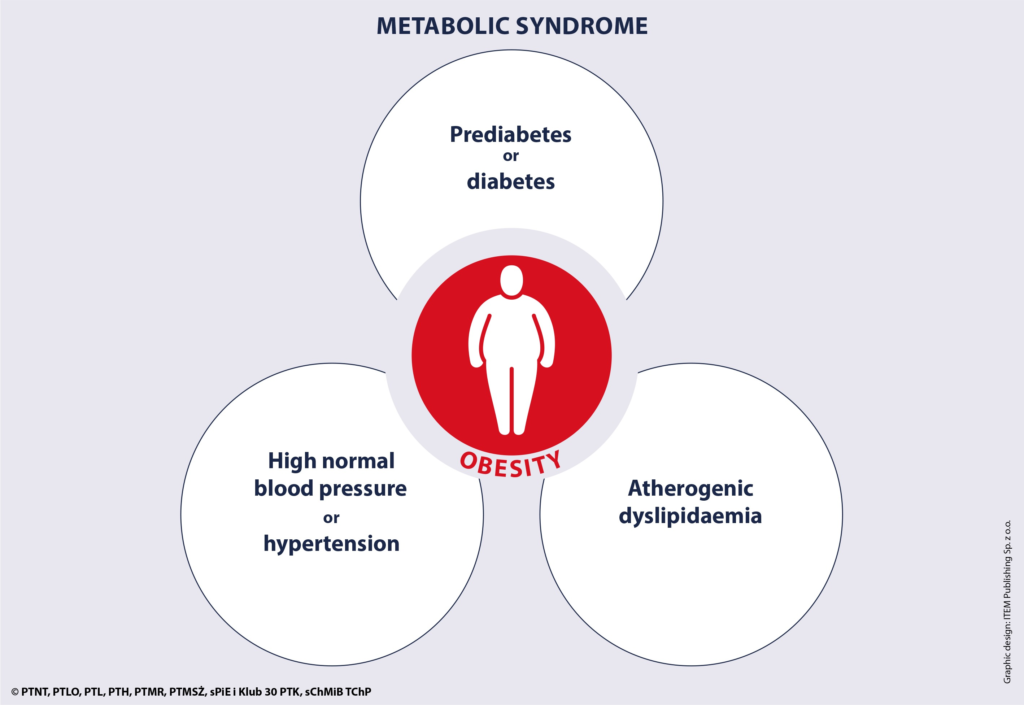
Metabolic Syndrome is not a single disease but a cluster of conditions that occur together, increasing risk for heart disease, diabetes, and stroke. The criteria include:
- Abdominal obesity (waist >40 inches in men, >35 inches in women)
- Elevated triglycerides
- Low HDL cholesterol
- High blood pressure
- Elevated fasting blood glucose
A person is diagnosed with metabolic syndrome when they meet at least three of these criteria. Obesity and metabolic syndrome often overlap, but they are not synonymous. Importantly, both can be addressed through lifestyle changes.
Health Risks Associated
Both obesity and metabolic syndrome are linked to serious health outcomes:
- Type 2 Diabetes: Insulin resistance is a hallmark of metabolic syndrome and obesity, significantly increasing diabetes risk.
- Cardiovascular Disease: High blood pressure, abnormal cholesterol levels, and abdominal fat together heighten heart attack and stroke risk.
- Non-Alcoholic Fatty Liver Disease (NAFLD): Fat buildup in the liver can progress to cirrhosis.
- Certain Cancers: Obesity increases the risk of breast, colon, pancreatic, and prostate cancers.
- Shortened Lifespan: Both conditions significantly reduce life expectancy and overall quality of life.
Causes and Contributing Factors
Several factors drive obesity and metabolic syndrome:
- Unhealthy Diet: High intake of refined carbohydrates, sugary beverages, fried foods, and processed snacks.
- Sedentary Lifestyle: Desk jobs, excessive screen time, and lack of regular physical activity.
- Chronic Stress: Prolonged stress elevates cortisol, leading to fat accumulation, especially around the abdomen.
- Sleep Deprivation: Poor sleep disrupts hunger hormones (ghrelin and leptin), promoting overeating.
- Genetics: While genes may predispose individuals, lifestyle choices remain the most powerful modifiers.
The Role of Lifestyle Medicine in Prevention
Lifestyle medicine focuses on the use of healthy lifestyle interventions as the primary form of treatment for chronic diseases. Unlike conventional medicine that often emphasizes medications, lifestyle medicine addresses the root causes. Its six pillars include:
- Whole-food, plant-predominant eating patterns
- Regular physical activity
- Restorative sleep
- Stress management
- Avoidance of risky substances
- Positive social connections
When applied consistently, these principles can prevent and even reverse obesity and metabolic syndrome.
Nutrition Strategies for Prevention
A healthy diet is the cornerstone of prevention:
- Plant-Rich Diets: Emphasize vegetables, fruits, legumes, nuts, and whole grains. These foods provide fiber, antioxidants, and essential nutrients.
- Limit Processed Foods: Reduce sugary drinks, packaged snacks, and fast food.
- Healthy Fats: Prioritize omega-3s from fish, flaxseed, and walnuts; and monounsaturated fats from olive oil and avocado.
- Portion Control: Smaller plates, mindful eating, and slowing down meals can reduce calorie intake.
- Hydration: Drinking water before meals supports satiety and helps replace calorie-dense beverages.
Exercise and Physical Activity
Regular physical activity is vital for preventing and managing both obesity and metabolic syndrome:
- Aerobic Exercise: Walking, swimming, and cycling improve cardiovascular health and aid weight loss.
- Strength Training: Builds lean muscle mass, which boosts metabolism and enhances insulin sensitivity.
- Flexibility and Balance: Yoga and stretching improve mobility and reduce injury risk.
- Daily Movement: Simple habits like taking the stairs, walking short distances, and reducing sitting time make a difference.
The general recommendation is at least 150 minutes of moderate-intensity aerobic activity per week plus two sessions of strength training.
Weight Management and Behavior Change
Sustainable weight management is not about quick fixes but long-term habit formation:
- Set Realistic Goals: Aim for 5–10% body weight reduction, which significantly improves health markers.
- Self-Monitoring: Tracking food intake and activity levels improves accountability.
- Behavioral Therapy: Cognitive-behavioral strategies can address emotional eating.
- Support Systems: Group programs, coaching, or peer support enhance adherence.
Sleep, Stress, and Mental Health
Poor sleep and chronic stress are often overlooked drivers of obesity and metabolic syndrome:
- Sleep: Adults need 7–9 hours per night. Consistent sleep schedules and sleep hygiene practices are essential.
- Stress: Techniques like meditation, breathing exercises, and journaling help regulate cortisol.
- Mind-Body Practices: Yoga, tai chi, and mindfulness improve both physical and emotional well-being.
Community and Public Health Approaches
While individual action is critical, community and societal changes amplify prevention efforts:
- Education: Nutrition and fitness literacy from childhood builds healthier adults.
- Workplace Wellness: Companies promoting movement breaks, healthier cafeterias, and stress-reduction programs.
- Policy Changes: Taxing sugary drinks, limiting junk food advertising, and improving access to fresh foods.
- Urban Planning: Creating parks, bike lanes, and walkable neighborhoods encourages daily activity.
Conclusion
Obesity and metabolic syndrome are complex conditions but largely preventable through lifestyle medicine. By prioritizing a balanced diet, regular exercise, quality sleep, and stress management, individuals can reduce risk and improve long-term health. Collective efforts at the community and policy levels are also essential to curb the epidemic.
In essence, prevention lies in everyday choices—small, consistent steps that, over time, yield life-changing results.