


Comprehensive dementia guide covering early warning signs, proven care strategies, and support resources. Learn to recognize symptoms and provide compassionate, effective care.
Introduction
Dementia affects over 55 million people worldwide, yet many families feel unprepared when confronting this challenging diagnosis. This progressive cognitive decline impacts not just memory but also thinking, behavior, and the ability to perform everyday activities. Understanding dementia—its early warning signs, progression patterns, and care strategies—empowers families to provide compassionate support while preserving dignity and quality of life for their loved ones throughout this difficult journey.
What Is Dementia?
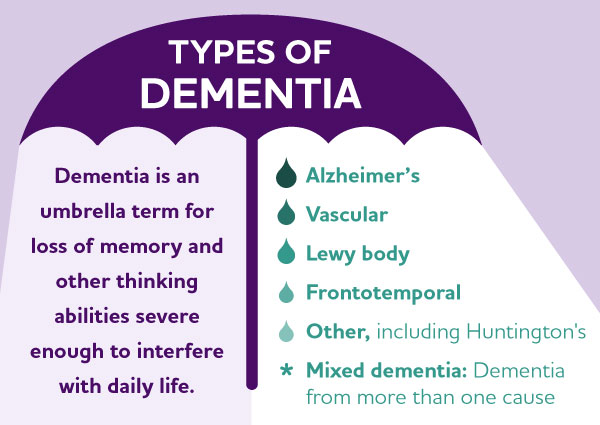
Dementia is not a single disease but rather an umbrella term describing a group of symptoms affecting cognitive function severely enough to interfere with daily life. While memory loss commonly occurs with aging, dementia represents a significant decline beyond normal age-related changes that disrupts independence and quality of life.
The condition results from damage to brain cells that impairs their ability to communicate with each other. When brain cells cannot communicate normally, thinking, behavior, and feelings become affected. Different types of dementia are associated with particular brain regions and specific patterns of cellular damage.
Alzheimer’s disease accounts for 60 to 80 percent of dementia cases, making it the most common type. Other forms include vascular dementia (caused by reduced blood flow to the brain), Lewy body dementia (characterized by abnormal protein deposits), frontotemporal dementia (affecting the frontal and temporal lobes), and mixed dementia (combination of multiple types). According to the Alzheimer’s Association, understanding the specific dementia type helps predict symptom progression and guides treatment decisions.
Recognizing Early Warning Signs
Early detection allows families to plan ahead, access treatments that may slow progression, and implement safety measures before crises occur. Watch for these critical warning signs:
Memory Changes That Disrupt Daily Life
While occasionally forgetting appointments or names is normal, dementia involves memory loss that seriously disrupts daily functioning. Warning signs include forgetting recently learned information, repeatedly asking the same questions, increasingly needing memory aids or family members for things previously handled independently, and forgetting important dates or events.
Challenges in Planning or Problem-Solving
Some people experience changes in their ability to develop and follow plans or work with numbers. They may have trouble following familiar recipes, managing monthly bills, concentrating on tasks, or taking much longer to complete routine activities than before.
Difficulty Completing Familiar Tasks
People with dementia often struggle to complete daily tasks they’ve done countless times. This might include difficulty driving to familiar locations, managing budgets, remembering game rules, or organizing grocery lists. Similar to how epilepsy management requires recognizing subtle changes in neurological function, identifying these cognitive shifts enables earlier intervention.
Confusion With Time or Place
Losing track of dates, seasons, and passage of time is concerning when someone forgets where they are or how they got there. People with dementia may have trouble understanding something if it’s not happening immediately or may forget what day it is and fail to remember later.
Vision and Spatial Relationship Problems
For some individuals, vision problems signal dementia. They may have difficulty reading, judging distance, determining color or contrast, or recognizing their own reflection in a mirror, thinking someone else is in the room.
Language and Communication Difficulties
People with dementia may struggle following or joining conversations, stop mid-sentence without knowing how to continue, repeat themselves frequently, struggle with vocabulary, call things by wrong names, or have increasing difficulty finding the right words.
Misplacing Items and Losing Ability to Retrace Steps
Everyone occasionally misplaces items, but people with dementia may put things in unusual places, lose items frequently, and be unable to retrace their steps to find them. They may accuse others of stealing, which can become more frequent over time.
Decreased or Poor Judgment
Dementia affects judgment and decision-making. Warning signs include giving large amounts of money to telemarketers, paying less attention to grooming and cleanliness, or making poor financial decisions they wouldn’t have made previously.
Withdrawal From Social Activities
People with dementia may become passive, withdrawing from hobbies, social activities, work projects, or sports. They may avoid being social because of changes they’ve experienced or struggle to maintain conversations and keep up with activities.
Changes in Mood and Personality
Mood and personality shifts can occur with dementia. People may become confused, suspicious, depressed, fearful, or anxious. They may be easily upset when out of their comfort zone or with particular people.
Understanding Dementia Progression

Dementia typically progresses through stages, though individual experiences vary significantly based on dementia type, overall health, and other factors.
Early Stage (Mild)
In early-stage dementia, individuals function independently but experience memory lapses affecting everyday life. They may forget familiar words, misplace objects, have difficulty planning or organizing, or struggle with names of new acquaintances. Many people recognize these changes themselves, feeling frustrated or anxious about their declining abilities.
Middle Stage (Moderate)
This longest stage involves more pronounced symptoms requiring greater care and support. Individuals may forget events or personal history, become moody or withdrawn in challenging situations, be unable to recall their address or phone number, become confused about location or time, need help choosing appropriate clothing, experience sleep disturbances, have increased risk of wandering and becoming lost, and show personality and behavioral changes including suspiciousness or compulsiveness.
Late Stage (Severe)
In late-stage dementia, individuals require extensive assistance with daily activities and personal care. They lose awareness of recent experiences and surroundings, experience changes in physical abilities including walking and sitting, have increasing difficulty communicating, become vulnerable to infections like pneumonia, and require around-the-clock assistance with personal care.
Diagnosis and Medical Evaluation
No single test can diagnose dementia. Healthcare providers use several approaches to determine if dementia exists and identify the specific type.
Medical History and Physical Examination: Doctors review medical history, medications, and symptoms while conducting physical exams to identify conditions contributing to cognitive decline like cardiovascular disease or vitamin deficiencies.
Cognitive and Neurological Tests: These assessments evaluate memory, problem-solving, attention span, counting abilities, and language skills. The Mini-Mental State Examination (MMSE) and Montreal Cognitive Assessment (MoCA) are commonly used screening tools.
Brain Scans: CT or MRI scans identify strokes, tumors, or other structural problems. PET scans can show patterns of brain activity and detect amyloid plaques associated with Alzheimer’s disease.
Laboratory Tests: Blood tests rule out physical conditions causing cognitive impairment, including thyroid disorders, vitamin deficiencies, or infections.
Psychiatric Evaluation: Mental health professionals assess whether depression or other mental health conditions contribute to symptoms, as depression can mimic dementia symptoms in older adults.
Treatment and Management Approaches
While most dementia types cannot be cured, various treatments help manage symptoms and improve quality of life.
Medications
Cholinesterase Inhibitors: Medications like donepezil (Aricept), rivastigmine (Exelon), and galantamine (Razadyne) boost levels of chemical messengers involved in memory and judgment. They’re primarily prescribed for Alzheimer’s disease but may help other dementia types.
Memantine (Namenda): This medication regulates glutamate activity, a chemical messenger involved in learning and memory. It may be used alone or combined with cholinesterase inhibitors.
Other Medications: Depending on symptoms, doctors may prescribe antidepressants for mood changes, anti-anxiety medications for anxiety or restlessness, or antipsychotic medications for severe behavioral problems, though these require careful monitoring due to serious side effects.
Non-Drug Approaches
Cognitive Stimulation: Engaging in activities that challenge thinking skills may help maintain cognitive function. This includes puzzles, memory games, reading, discussion groups, and learning new skills. Similar to how mindfulness practices support mental wellness, cognitive activities promote brain health.
Physical Exercise: Regular physical activity benefits both physical and mental health. Exercise may slow cognitive decline, improve mood, maintain cardiovascular health, and reduce fall risk. Implementing appropriate workout routines adapted to ability level supports overall wellbeing.
Social Engagement: Maintaining social connections combats isolation and depression while providing cognitive stimulation. Adult day programs, support groups, and community activities offer valuable opportunities for interaction.
Occupational Therapy: Occupational therapists teach coping strategies, modify home environments for safety, and help maintain independence longer by adapting activities to current abilities.
Music and Art Therapy: Creative therapies tap into abilities that remain intact longer than other cognitive functions, providing emotional outlets, reducing agitation, and improving quality of life.
Creating a Supportive Care Environment
According to the World Health Organization, person-centered care that respects individual dignity and preferences produces the best outcomes. Implement these strategies:
Safety Modifications: Install grab bars in bathrooms, remove tripping hazards, secure cabinets containing hazardous materials, use monitoring devices if wandering occurs, ensure adequate lighting throughout the home, and place locks on doors leading outside at unusual heights.
Communication Strategies: Use simple sentences and speak slowly, maintain eye contact and use gentle touch, give one-step directions at a time, allow extra time for responses, validate feelings rather than arguing with false beliefs, and minimize distractions during conversations.
Daily Routine Structure: Establish consistent schedules for meals, activities, and bedtime. Predictability reduces confusion and anxiety. Include preferred activities and maintain familiar surroundings when possible.
Nutrition and Hydration: Ensure adequate nutrition despite appetite changes or forgetting to eat. Offer small, frequent meals, use colorful plates for visual contrast, provide finger foods if utensils become challenging, and monitor hydration carefully as people with dementia may not recognize thirst.
Supporting Caregivers
Caring for someone with dementia is physically and emotionally demanding. Caregiver burnout is common and can negatively impact both caregiver and care recipient health. Just as managing stress and anxiety is crucial for overall wellness, addressing caregiver stress is essential.
Self-Care Strategies: Prioritize your own physical health through proper nutrition, regular exercise, adequate sleep, and medical checkups. Make time for activities you enjoy and maintain social connections outside caregiving responsibilities.
Respite Care: Regular breaks prevent burnout. Options include adult day centers, in-home respite services, or short-term residential care allowing caregivers time to recharge.
Support Resources: Join caregiver support groups where you can share experiences, learn coping strategies, and feel less isolated. Professional counseling helps process complex emotions about caregiving and loss.
Education: Learning about dementia progression helps set realistic expectations and prepares you for upcoming challenges. Understanding behavioral symptoms reduces frustration and improves response strategies.
Accept Help: Allow family and friends to assist with errands, meal preparation, or companionship for your loved one. Delegating tasks preserves your energy for essential care activities.
Frequently Asked Questions About Dementia
Is dementia a normal part of aging?
No, dementia is not a normal part of aging. While some memory changes occur naturally with age, dementia represents a significant decline that interferes with daily life and independence. Many older adults maintain sharp cognitive function throughout their lives.
Can dementia be prevented?
While no guaranteed prevention exists, research suggests certain lifestyle factors may reduce risk. These include regular physical exercise, maintaining social connections, managing cardiovascular disease risk factors, eating a heart-healthy diet like the Mediterranean diet, staying mentally active, getting quality sleep, and avoiding head injuries.
How quickly does dementia progress?
Progression varies greatly between individuals and dementia types. Some people decline rapidly over a few years, while others maintain stable functioning for extended periods. Early-stage dementia may last 2 to 7 years, middle stages 2 to 10 years, and late stages 1 to 3 years, though these timeframes are approximate.
Can stress cause dementia?
While stress alone doesn’t cause dementia, chronic stress may increase risk by promoting inflammation and damaging brain cells over time. Managing stress through relaxation techniques, adequate sleep, and healthy coping strategies supports brain health.
What’s the difference between Alzheimer’s and dementia?
Dementia is an umbrella term for cognitive decline symptoms, while Alzheimer’s disease is the most common specific cause of dementia. It’s like the relationship between cancer and lung cancer—cancer is the general term, lung cancer is a specific type.
Should I correct someone with dementia when they’re wrong?
Generally, arguing or correcting doesn’t help and may increase agitation. Instead, validate feelings, redirect attention to other topics, or join their reality if the misconception isn’t dangerous. Focus on emotional connection rather than factual accuracy.
When should someone with dementia stop driving?
This difficult decision depends on individual abilities. Warning signs include getting lost in familiar areas, traffic violations, confusion about road signs, slow reaction times, or anxiety while driving. Discuss concerns with healthcare providers who can arrange driving assessments.
Planning for the Future
Early planning provides peace of mind and ensures wishes are honored as dementia progresses. Important steps include establishing advance directives specifying healthcare preferences, designating power of attorney for healthcare and financial decisions, discussing long-term care preferences and arranging finances accordingly, reviewing insurance coverage including long-term care policies, and addressing legal matters including wills and estate planning.
Finding Hope Amid Challenges
While dementia presents significant challenges, focusing on remaining abilities rather than losses helps maintain quality of life. Many people with dementia continue enjoying meaningful relationships, favorite activities, and moments of joy throughout their journey. Celebrate small victories, cherish present moments, and remember that the person you love remains inside despite cognitive changes.
Research continues advancing our understanding of dementia, bringing hope for better treatments and eventual prevention. Clinical trials explore promising therapies, and organizations worldwide work tirelessly to support affected families while seeking breakthroughs.
Moving Forward With Compassion
Understanding dementia transforms fear into informed action. Whether you’re concerned about personal risk, supporting a loved one, or working in caregiving professions, knowledge empowers better decisions and more compassionate care. Remember that no one faces dementia alone—countless resources, support systems, and communities stand ready to help.
By recognizing warning signs early, accessing appropriate medical care, implementing supportive strategies, and prioritizing both patient and caregiver wellbeing, families can navigate this challenging journey with dignity, love, and hope. Take that first step today—whether scheduling a medical evaluation, joining a support group, or simply learning more about this condition affecting millions worldwide.