
Comprehensive guide to herpes symptoms, proven treatment options, and powerful management strategies. Learn to control outbreaks and live confidently with this common condition.
Introduction
Herpes affects more than one in six Americans between ages 14 and 49, yet it remains one of the most misunderstood and stigmatized health conditions. This common viral infection, while incurable, is highly manageable with modern treatments and lifestyle strategies. Understanding herpes empowers you to take control of your health, minimize outbreaks, and live a full, confident life without letting this condition define you.
Understanding Herpes: The Essential Facts

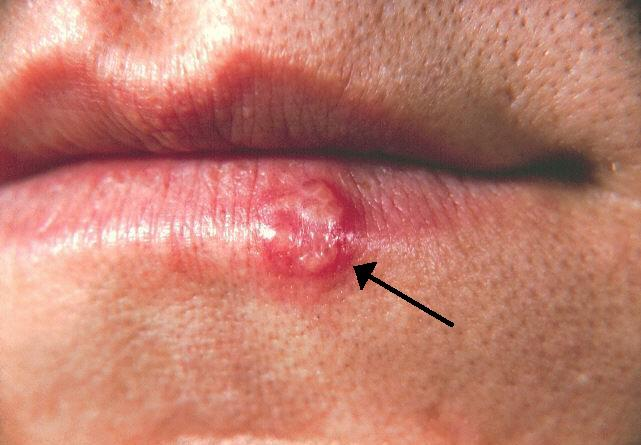
Herpes is caused by the herpes simplex virus (HSV), which exists in two main types. HSV-1 traditionally causes oral herpes (cold sores around the mouth), while HSV-2 typically causes genital herpes. However, both types can infect either location through oral, genital, or skin-to-skin contact with an infected area.
Once the virus enters your body, it travels to nerve cells where it remains dormant between outbreaks. Certain triggers can reactivate the virus, causing periodic symptoms. While there’s currently no cure that eliminates the virus completely, effective treatments can dramatically reduce outbreak frequency, severity, and transmission risk.
What makes herpes particularly challenging is that many infected individuals show no symptoms or mistake mild symptoms for other conditions. According to the Centers for Disease Control and Prevention, most people with genital herpes don’t know they have it, which contributes to unknowing transmission.
Recognizing Herpes Symptoms
Herpes symptoms vary significantly between individuals and can range from completely asymptomatic to severe outbreaks. Understanding these signs helps with early recognition and prompt treatment.
Initial Outbreak Symptoms
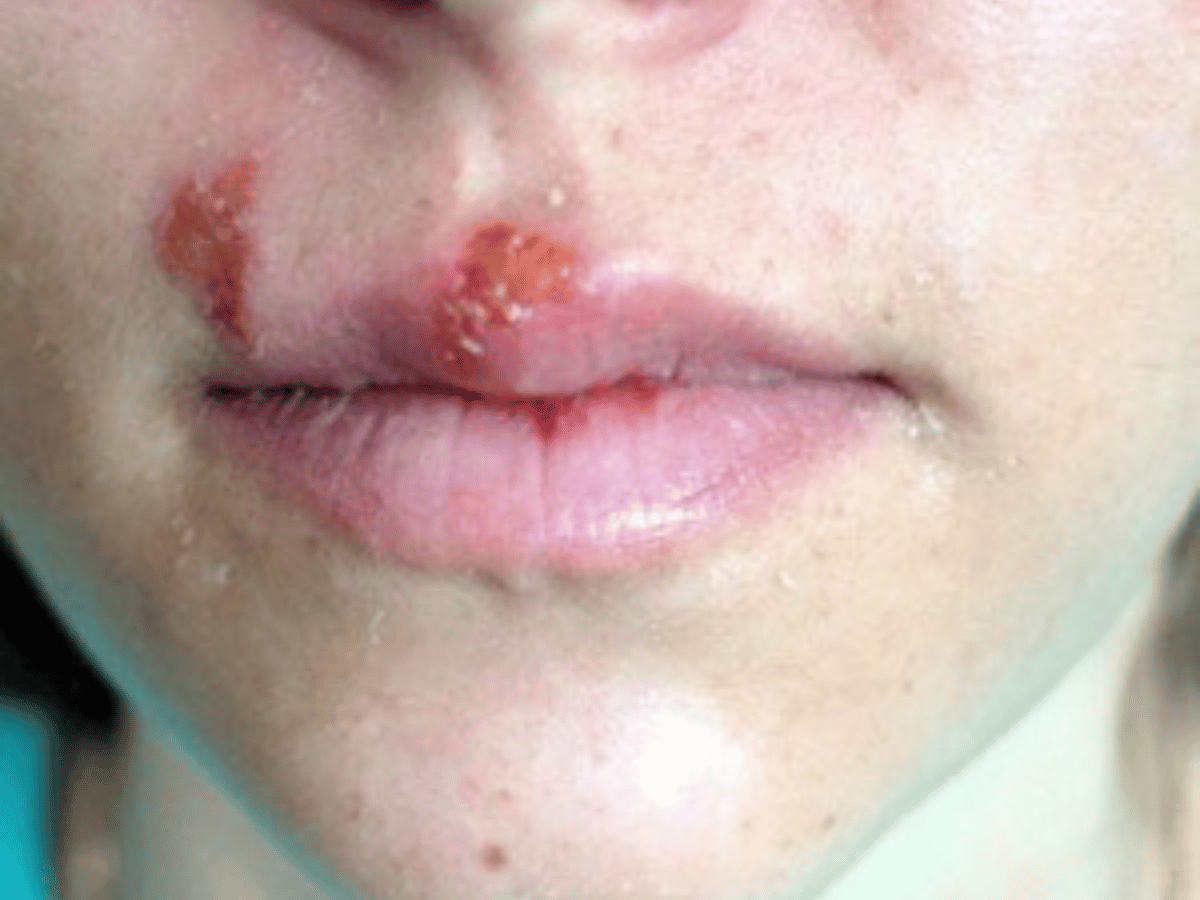
The first herpes outbreak typically occurs 2 to 12 days after exposure and tends to be the most severe. Primary symptoms include painful blisters or sores on the genitals, buttocks, thighs, anus, mouth, or lips. These lesions start as small red bumps that develop into fluid-filled blisters, eventually breaking open to form painful ulcers that crust over during healing.
Additional first-outbreak symptoms include fever and body aches, swollen lymph nodes in the groin or neck, headache, fatigue and malaise, painful urination (for genital herpes), and unusual vaginal discharge in women. The initial outbreak typically lasts 2 to 4 weeks, though symptoms gradually improve throughout this period.
Recurrent Outbreak Symptoms
Subsequent outbreaks are usually milder and shorter than the initial episode. Many people experience warning signs called prodrome symptoms hours to days before visible sores appear, including tingling, itching, or burning sensations at the outbreak site, shooting pains in the legs, buttocks, or genital area, and general feelings of discomfort.
Recurrent outbreaks typically involve fewer, smaller sores that heal faster than the initial outbreak, less severe pain and discomfort, and shorter duration of 3 to 7 days. Similar to recognizing early signs in conditions like epilepsy, identifying prodrome symptoms allows for prompt antiviral treatment that can prevent or minimize outbreaks.
Asymptomatic Shedding
Herpes can spread even without visible symptoms through asymptomatic viral shedding. During these periods, the virus is active on the skin’s surface but doesn’t cause noticeable sores. This silent transmission accounts for a significant portion of new herpes infections and underscores the importance of disclosure and protective measures even during symptom-free periods.
How Herpes Is Diagnosed
Accurate diagnosis involves multiple testing approaches that confirm both infection and virus type.
Visual Examination: Healthcare providers can often identify herpes lesions through physical examination, though visual diagnosis alone isn’t definitive since other conditions can cause similar-appearing sores.
Viral Culture: A sample taken from an active sore is cultured in a laboratory to grow the virus. This method is most accurate during early outbreak stages when sores are fresh and contains adequate viral material.
PCR Testing: Polymerase chain reaction tests detect viral DNA from samples taken from sores or spinal fluid. PCR is more sensitive than viral culture and can identify virus type accurately.
Blood Tests: Serological tests detect HSV antibodies in the blood, indicating past or present infection. Type-specific blood tests differentiate between HSV-1 and HSV-2 antibodies and can detect infection even without symptoms, though they take 12 to 16 weeks after exposure to become reliable.
Getting tested is crucial if you have symptoms, have had unprotected sexual contact with someone who has herpes, or want comprehensive STI screening. Just as understanding cardiovascular disease requires proper diagnosis, knowing your herpes status empowers informed health decisions.
Powerful Treatment and Management Strategies
While herpes cannot be cured, modern treatments effectively control symptoms and reduce transmission risk. A comprehensive management approach includes antiviral medications, lifestyle modifications, and proactive outbreak prevention.
Antiviral Medications
Three FDA-approved antiviral drugs treat herpes effectively:
:max_bytes(150000):strip_icc()/Health-JockItch-92.tineacrur3-big-1387cc7f5e4e4a13a047415d5c11ef19.jpg)
Acyclovir (Zovirax): The original antiviral medication for herpes, available in oral and topical forms. Standard dosing for outbreaks is 400 mg three times daily for 7 to 10 days, or 200 mg five times daily.
Valacyclovir (Valtrex): A more convenient option that converts to acyclovir in the body with better absorption. Typical outbreak treatment involves 1000 mg twice daily for 7 to 10 days, or a single-day treatment of 2000 mg twice daily 12 hours apart for recurrent episodes.
Famciclovir (Famvir): Another effective option with dosing of 1000 mg twice daily for one day for recurrent outbreaks, or 500 mg twice daily for 7 days for first episodes.
Suppressive Therapy
For individuals with frequent outbreaks (six or more per year) or those wanting to reduce transmission risk to partners, daily suppressive therapy dramatically reduces recurrence rates. Standard suppressive regimens include valacyclovir 500 mg once daily, acyclovir 400 mg twice daily, or famciclovir 250 mg twice daily.
Research shows suppressive therapy reduces transmission to uninfected partners by approximately 50 percent when combined with safer sex practices. According to the World Health Organization, antiviral medications significantly improve quality of life for people with herpes.
Outbreak Management
When outbreaks occur, these strategies promote faster healing and symptom relief:
Start Antivirals Early: Begin medication at the first sign of prodrome symptoms for maximum effectiveness. Keep medication on hand so you can start treatment immediately.
Keep Affected Areas Clean and Dry: Gently wash sores with mild soap and water, pat dry carefully, and avoid tight clothing that creates friction or traps moisture.
Manage Pain and Discomfort: Apply ice packs wrapped in cloth for 15 to 20 minutes several times daily, take over-the-counter pain relievers like ibuprofen or acetaminophen, and apply topical lidocaine for localized pain relief.
Avoid Touching Sores: This prevents spreading the virus to other body areas or to partners. Wash hands thoroughly if contact occurs.
Wear Loose, Breathable Clothing: Cotton underwear and loose-fitting clothes reduce irritation and promote healing.
Lifestyle Strategies for Outbreak Prevention
Beyond medication, lifestyle modifications significantly impact outbreak frequency and severity.
Manage Stress Effectively: Stress is a primary outbreak trigger. Implement stress-reduction techniques like meditation, yoga, deep breathing exercises, regular physical activity, and adequate sleep. Similar to addressing stress and anxiety for mental wellness, managing stress helps control herpes outbreaks.
Boost Immune Function: A strong immune system suppresses viral reactivation. Support immunity through balanced nutrition rich in vitamins C, E, and zinc, regular moderate exercise, 7 to 9 hours of quality sleep nightly, limiting alcohol consumption, and avoiding smoking.
Identify Personal Triggers: Track outbreaks to identify patterns. Common triggers include illness or infection, hormonal changes during menstruation, sun exposure or extreme temperatures, physical trauma to affected areas, and certain foods (particularly those high in arginine like chocolate, nuts, and seeds).
Consider Lysine Supplementation: Some research suggests lysine, an amino acid, may reduce outbreak frequency. Typical dosing ranges from 1000 to 3000 mg daily, though you should consult healthcare providers before starting supplements.
Protect Skin From Sun Exposure: UV radiation can trigger oral herpes outbreaks. Use lip balm with SPF 30 or higher, wear protective clothing, and avoid prolonged sun exposure during peak hours.
Navigating Relationships and Disclosure
One of the most challenging aspects of herpes involves navigating intimate relationships. Honest communication protects both you and potential partners while building trust.
When to Disclose: Tell potential sexual partners about your herpes status before engaging in any sexual activity. This allows them to make informed decisions about their health and shows respect for their autonomy.
How to Disclose: Choose a private, comfortable setting unrelated to sexual activity, educate yourself thoroughly so you can answer questions confidently, remain calm and matter-of-fact rather than apologetic, provide resources for them to research independently, and respect their reaction and decision-making process.
Reducing Transmission Risk: While disclosure is essential, you can also take concrete steps to minimize transmission. Use condoms consistently during all sexual activity, avoid sexual contact during outbreaks and for several days after sores heal completely, consider daily suppressive antiviral therapy, and encourage partners to get vaccinated against other preventable STIs.
Remember that having herpes doesn’t prevent healthy, fulfilling relationships. Many people choose to be with partners who have herpes, and with proper precautions, transmission rates are relatively low.
Frequently Asked Questions About Herpes
Can herpes be cured completely?
Currently, no cure eliminates herpes from the body. However, antiviral medications effectively manage symptoms, reduce outbreak frequency, and decrease transmission risk. Ongoing research explores potential cures and vaccines.
How often do herpes outbreaks occur?
Outbreak frequency varies dramatically between individuals. Some people never experience recurrent outbreaks after the initial episode, while others have multiple outbreaks yearly. On average, people with HSV-2 experience 4 to 5 outbreaks in the first year, with frequency typically decreasing over time.
Can you transmit herpes when no symptoms are present?
Yes, asymptomatic viral shedding allows transmission even without visible sores. However, transmission risk is highest during active outbreaks. Daily suppressive therapy and consistent condom use significantly reduce asymptomatic transmission.
Does herpes affect pregnancy?
Herpes can complicate pregnancy if the mother experiences an outbreak during delivery, potentially transmitting the virus to the newborn (neonatal herpes). However, with proper management including suppressive therapy in late pregnancy and potential cesarean delivery if active lesions are present at labor, transmission risk is very low.
Is oral herpes the same as genital herpes?
Both HSV-1 and HSV-2 can cause either oral or genital infections. Traditionally, HSV-1 caused cold sores and HSV-2 caused genital herpes, but oral sex has blurred these distinctions. The location matters more than the virus type for management purposes.
Can herpes cause other health problems?
In most healthy individuals, herpes doesn’t cause serious complications beyond occasional outbreaks. However, immunocompromised individuals may experience severe infections. Rarely, herpes can cause meningitis, encephalitis, or eye infections requiring immediate medical attention. Just as Crohn’s disease requires careful management to prevent complications, monitoring herpes symptoms helps identify rare complications early.
Do cold sore medications work for genital herpes?
Yes, the same antiviral medications treat both oral and genital herpes effectively. The virus is essentially the same regardless of location, though dosing may vary slightly depending on infection site and severity.
Living Confidently With Herpes
Receiving a herpes diagnosis can feel devastating initially, but millions of people live full, healthy lives with this condition. The key lies in viewing herpes as a manageable health condition rather than a life sentence.
Reframe Your Perspective: Herpes is incredibly common—more prevalent than diabetes in many populations. It doesn’t define your worth, desirability, or future relationship potential. Many people have herpes and go on to have successful relationships, careers, and families.
Build a Support System: Connect with others who understand through online communities, support groups, or counseling. Sharing experiences reduces isolation and provides practical management tips.
Focus on Overall Wellness: Taking care of your physical and mental health benefits every aspect of life. Implement healthy eating habits similar to those recommended for weight management, engage in regular exercise through structured workout routines, and prioritize mental wellness through mindfulness practices.
Stay Informed: Medical research continuously advances. Stay updated on new treatments, management strategies, and research developments that may benefit you.
Practice Self-Compassion: Be kind to yourself. Having herpes doesn’t make you dirty, damaged, or less deserving of love and happiness. Challenge stigmatizing thoughts and remember that this is simply a manageable medical condition.
Moving Forward With Confidence
Understanding herpes transforms it from a frightening diagnosis into a manageable aspect of your health. With effective treatments, lifestyle strategies, and proper precautions, you can minimize outbreaks, reduce transmission risk, and live without constant worry about this condition.
The most important step is taking action—whether that means starting antiviral medication, implementing stress-reduction techniques, having honest conversations with partners, or seeking support from healthcare providers and communities. Every positive step you take reclaims control over your health and wellbeing.
Remember that having herpes places you among millions of others managing this condition successfully. You are not alone, you are not broken, and you absolutely deserve happy, healthy relationships and a fulfilling life. With knowledge, proper management, and self-compassion, you can move forward confidently and live beyond herpes rather than being defined by it.