
Discover essential syphilis symptoms, powerful treatment options, and life-saving prevention strategies. Expert guide to recognizing stages, getting tested, and protecting your sexual health.
Introduction
Syphilis remains one of the most dangerous yet treatable sexually transmitted infections (STIs) affecting millions worldwide. Despite being curable with antibiotics, this ancient disease has seen a concerning resurgence in recent years, making awareness and early detection more critical than ever. Understanding the symptoms, stages, and treatment options can be the difference between a simple cure and serious, irreversible health complications.
What Is Syphilis?
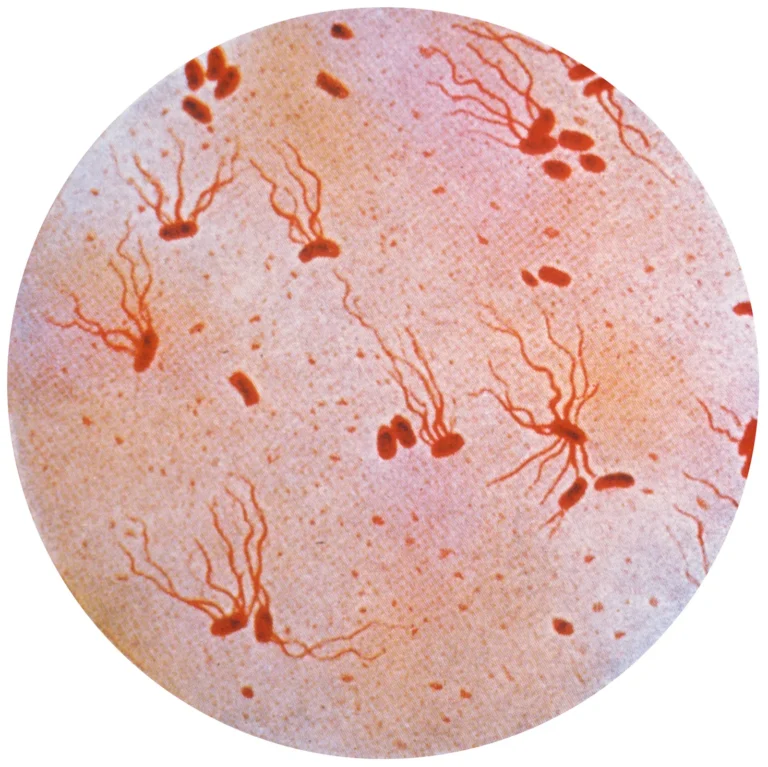
Syphilis is a bacterial infection caused by Treponema pallidum, primarily transmitted through sexual contact. This stealthy infection can affect multiple organ systems and progress through distinct stages if left untreated. The bacteria enter the body through mucous membranes or small breaks in the skin during vaginal, anal, or oral sex with an infected person.
What makes syphilis particularly dangerous is its ability to remain hidden for years while silently causing damage throughout the body. Without treatment, this infection can lead to devastating consequences including cardiovascular disease, neurological damage, blindness, and even death.
The Four Stages of Syphilis
Understanding the progression of syphilis is essential for early recognition and treatment.
Primary Syphilis
The first stage typically appears 10 to 90 days after initial infection. The hallmark symptom is a painless sore called a chancre that develops at the infection site—usually on the genitals, anus, rectum, lips, or inside the mouth. This sore is firm, round, and often goes unnoticed because it doesn’t hurt. Without treatment, the chancre heals on its own within 3 to 6 weeks, but the infection remains active in your body.
Secondary Syphilis
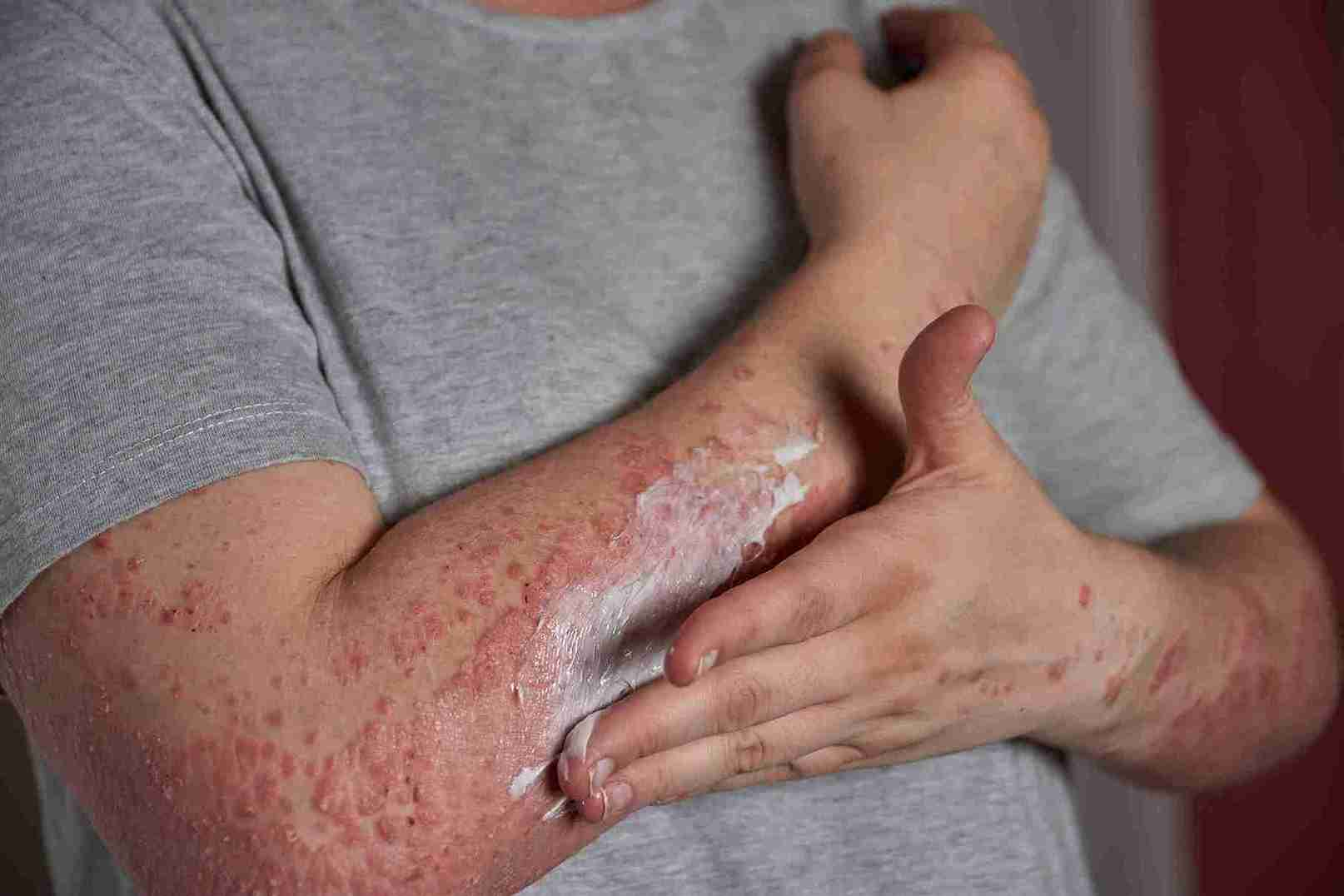
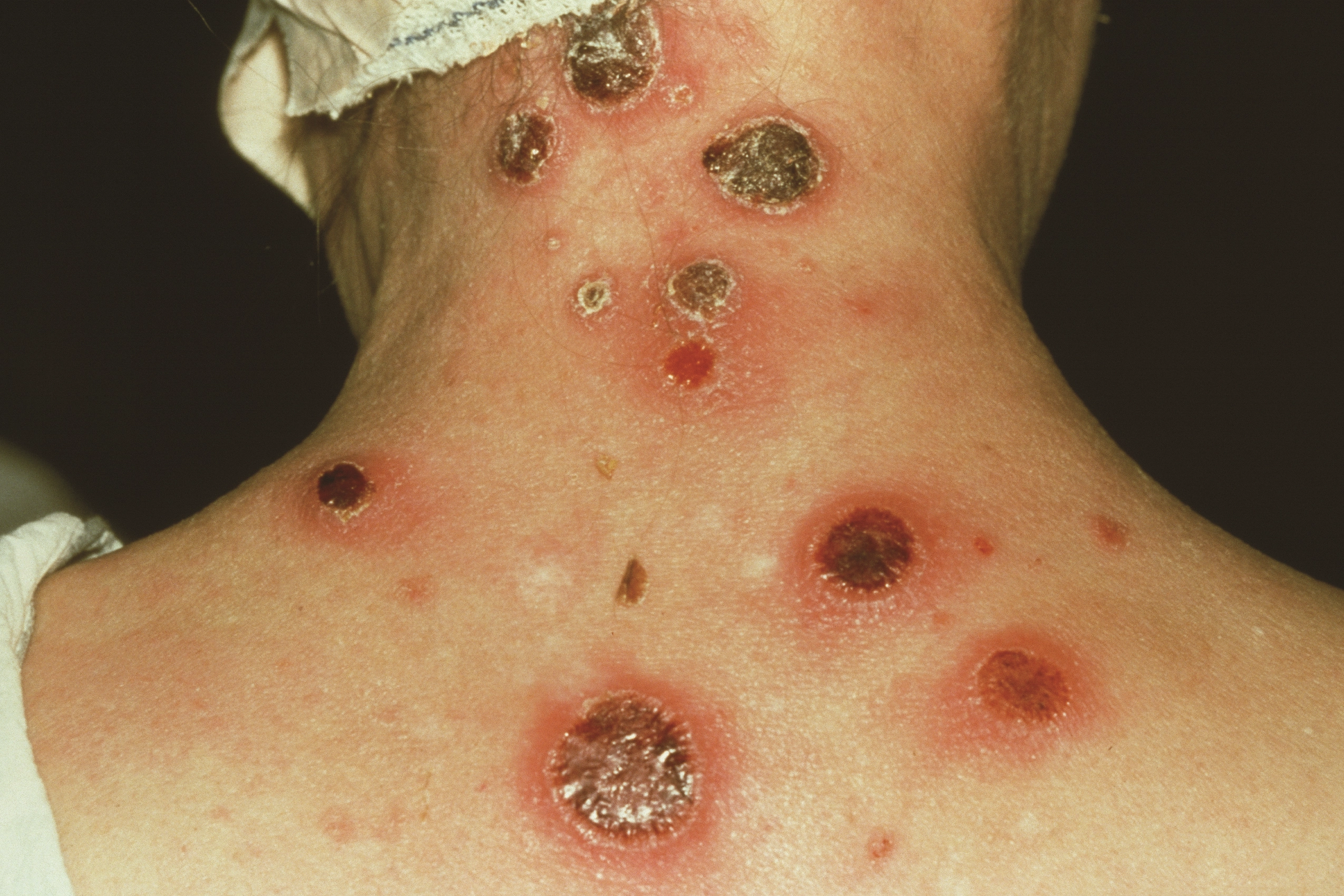
As the bacteria spread throughout your bloodstream, secondary syphilis emerges weeks to months after the chancre heals. This stage brings more noticeable symptoms including rough, reddish-brown spots on the palms of your hands and soles of your feet. Additional symptoms include fever, swollen lymph nodes, sore throat, patchy hair loss, headaches, weight loss, muscle aches, and extreme fatigue. These symptoms may come and go over months or even years.
Latent Syphilis
After secondary symptoms disappear, syphilis enters a hidden latent phase where no symptoms are present. This stage can last for years or even decades. During early latent syphilis (within the first year), you can still transmit the infection to sexual partners. However, during late latent syphilis, transmission becomes less likely even though the bacteria remain active in your body.
Tertiary Syphilis
Without treatment, approximately 15 to 30 percent of infected individuals develop tertiary syphilis, which can occur 10 to 30 years after initial infection. This devastating stage causes severe damage to organs including the heart, brain, blood vessels, liver, bones, and joints. Complications include neurosyphilis (brain and nervous system damage), cardiovascular syphilis (heart and blood vessel damage), gummatous syphilis (soft tumor-like growths), blindness, deafness, dementia, paralysis, and death.
Recognizing Syphilis Symptoms
Early recognition of syphilis symptoms dramatically improves treatment outcomes. Here are the key warning signs to watch for:
Physical Signs:
- Painless sores or ulcers on genitals, anus, or mouth
- Skin rashes, particularly on palms and soles
- Swollen lymph nodes throughout the body
- Wart-like lesions in the groin area
- White patches inside the mouth or on the tongue
Systemic Symptoms:
- Unexplained fever and chills
- Persistent fatigue and malaise
- Unintentional weight loss
- Muscle aches and joint pain
- Severe headaches
Advanced Stage Indicators:
- Vision problems or blindness
- Difficulty coordinating muscle movements
- Confusion or altered mental state
- Numbness or paralysis
- Severe cardiovascular problems
If you experience any of these symptoms, especially after unprotected sexual contact, seek immediate medical attention. Similar to how diarrhea requires prompt attention to prevent complications, syphilis demands urgent evaluation and treatment.
How Syphilis Is Diagnosed
Accurate diagnosis involves multiple testing approaches:
Blood Tests: The most common screening method detects antibodies your body produces in response to syphilis. These include rapid plasma reagin (RPR) tests and venereal disease research laboratory (VDRL) tests, which detect non-specific antibodies, followed by confirmatory treponemal tests that detect antibodies specific to the syphilis bacteria.
Physical Examination: Healthcare providers examine any visible sores or rashes and check for swollen lymph nodes.
Fluid Analysis: If sores are present, doctors can take fluid samples to examine under a microscope using dark-field microscopy.
Cerebrospinal Fluid Testing: For suspected neurosyphilis, a lumbar puncture may be necessary to analyze spinal fluid.
According to the Centers for Disease Control and Prevention, regular screening is essential for sexually active individuals, particularly those with multiple partners or who engage in unprotected sex.
Powerful Treatment Options
The good news is that syphilis is completely curable with proper antibiotic treatment, especially when caught early.
Penicillin Treatment
Penicillin G remains the gold standard treatment for all stages of syphilis. The specific regimen depends on the infection stage:
- Primary, secondary, and early latent syphilis: Single intramuscular injection of benzathine penicillin G
- Late latent or tertiary syphilis: Three doses of benzathine penicillin G administered weekly
- Neurosyphilis: Intravenous aqueous crystalline penicillin G for 10 to 14 days
Alternative Treatments
For individuals with penicillin allergies, alternative antibiotics may include doxycycline, tetracycline, or azithromycin. However, these alternatives are generally less effective, and desensitization to penicillin is often recommended for pregnant women and those with neurosyphilis.
Treatment Follow-Up
After treatment, regular blood tests are essential to confirm the infection has cleared. You should avoid sexual contact until you and your partners have completed treatment and follow-up tests confirm cure.
Essential Prevention Strategies
Preventing syphilis requires a comprehensive approach to sexual health:
Practice Safe Sex: Consistently use latex condoms during vaginal, anal, and oral sex. While condoms significantly reduce transmission risk, they don’t provide complete protection since syphilis can spread through contact with sores not covered by condoms.
Limit Sexual Partners: Reducing the number of sexual partners decreases exposure risk. Being in a mutually monogamous relationship with an uninfected partner provides the best protection.
Get Regular STI Testing: Regular screening helps detect infections early. Sexually active individuals should get tested annually, while those at higher risk should test more frequently.
Communicate With Partners: Open discussions about STI testing and sexual history with partners is crucial. All partners must be tested and treated if necessary.
Avoid Alcohol and Drug Use: Substance use can impair judgment and lead to risky sexual behaviors. Maintaining clear thinking helps you make safer choices.
Know Your Status: Get tested before starting new sexual relationships and encourage partners to do the same.
Just as understanding erectile dysfunction causes helps men seek appropriate care, knowing your STI status empowers you to protect yourself and others.
Frequently Asked Questions About Syphilis
Can syphilis be cured completely?
Yes, syphilis can be completely cured with appropriate antibiotic treatment, particularly when detected and treated early. However, treatment cannot reverse damage already done to organs in late-stage syphilis.
How long does it take for syphilis symptoms to appear?
The initial chancre typically appears 10 to 90 days after infection, with an average of 21 days. Secondary symptoms usually develop 4 to 10 weeks after the chancre appears.
Can you get syphilis more than once?
Absolutely. Having syphilis once doesn’t provide immunity. You can become reinfected if exposed again, making ongoing prevention practices essential even after successful treatment.
Is syphilis only transmitted through sexual contact?
While sexual transmission is most common, syphilis can also spread from mother to baby during pregnancy (congenital syphilis) or through direct contact with infectious sores. It cannot spread through toilet seats, doorknobs, swimming pools, or sharing eating utensils.
Can syphilis affect pregnancy?
Yes, untreated syphilis during pregnancy can cause miscarriage, stillbirth, premature birth, low birth weight, and serious complications in newborns including developmental delays, seizures, and death. All pregnant women should be tested for syphilis.
What’s the difference between syphilis and other STIs?
Unlike viral STIs like herpes or HIV that can be managed but not cured, syphilis is bacterial and completely curable with antibiotics. However, unlike some other bacterial STIs, syphilis progresses through distinct stages and can cause severe systemic damage if untreated.
How accurate are syphilis tests?
Modern syphilis tests are highly accurate, especially when combining screening and confirmatory tests. False positives can occasionally occur with certain medical conditions, which is why confirmatory testing is standard practice.
Living With and Managing Syphilis

Receiving a syphilis diagnosis can feel overwhelming, but remember that this is a treatable condition. Here’s how to navigate the journey:
Complete Your Treatment: Take all prescribed medications exactly as directed, even if symptoms disappear. Incomplete treatment can lead to antibiotic resistance and persistent infection.
Attend Follow-Up Appointments: Regular monitoring ensures treatment success and catches any potential complications early.
Inform Sexual Partners: All recent sexual partners need testing and potential treatment. Most health departments offer partner notification services to maintain your privacy while ensuring partners receive care.
Practice Self-Care: Much like managing stress and anxiety requires attention to overall wellness, dealing with an STI diagnosis benefits from good nutrition, adequate rest, and emotional support.
Seek Support: Don’t hesitate to reach out to healthcare providers, counselors, or support groups. Having syphilis doesn’t define you, and seeking help demonstrates strength and responsibility.
The Importance of Breaking the Stigma
Syphilis carries unnecessary stigma that prevents many people from seeking testing and treatment. According to the World Health Organization, millions of new syphilis infections occur globally each year, affecting people of all ages, backgrounds, and orientations.
Open conversations about sexual health normalize STI testing and treatment, ultimately reducing transmission rates. Just as we’ve learned to discuss mental health support openly, we must extend that same openness to sexual health.
Moving Forward With Confidence
Understanding syphilis empowers you to protect your sexual health and make informed decisions. Whether you’re concerned about potential exposure, supporting a partner through treatment, or simply educating yourself, knowledge is your most powerful tool against this preventable infection.
Early detection and treatment make syphilis one of the most manageable STIs. By staying informed, getting tested regularly, practicing safe sex, and maintaining open communication with partners and healthcare providers, you can significantly reduce your risk and protect both your health and the health of others.
Remember, seeking testing and treatment isn’t something to be ashamed of—it’s a responsible act of self-care that demonstrates maturity and respect for yourself and your partners. Take control of your sexual health today by scheduling regular STI screenings and maintaining open dialogues about sexual wellness with healthcare providers and partners alike.