
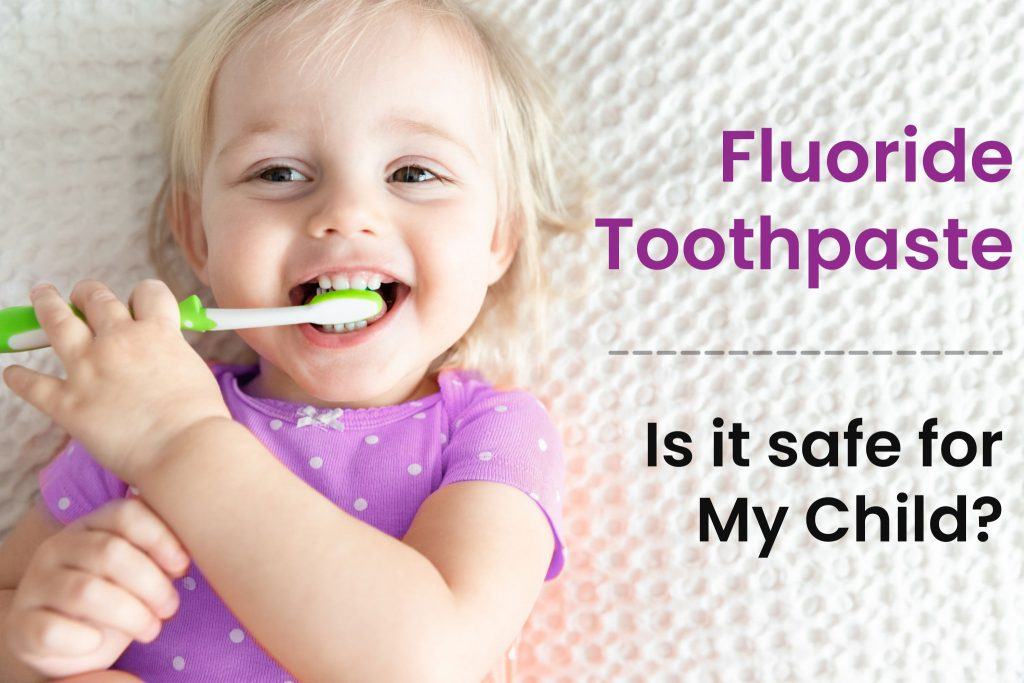

Discover the truth about fluoride use in children, its benefits, safety concerns, and the latest scientific findings. Learn how to protect your child’s teeth without risking their health.
Introduction
When it comes to children’s dental health, few topics spark as much debate as fluoride. Parents often hear mixed messages some praising fluoride as a shield against cavities while others warn of potential risks like fluorosis. So, is fluoride use in children safe, or is it risky? In this article, we’ll break down the science, expert recommendations, and practical advice every parent should know.
What is Fluoride?
Fluoride is a natural mineral found in soil, water, and certain foods. For decades, dentists have recommended it because of its ability to:
- Strengthen tooth enamel
- Make teeth more resistant to decay
- Reverse early stages of tooth damage
This is why fluoride is added to toothpaste, mouth rinses, and even public water supplies in many countries.
Why Fluoride is Important for Children

Children are at high risk for cavities due to diets rich in sugary foods and drinks, as well as sometimes poor brushing habits. According to the World Health Organization (WHO), dental caries is still the most common chronic disease in children worldwide. Fluoride helps by:
- Reducing the growth of harmful bacteria in the mouth
- Strengthening developing permanent teeth before they even erupt
- Lowering the lifetime risk of dental decay
➡️ For a deeper look into preventing childhood tooth decay, check out our article: Child Health: Managing Common Infections.
Sources of Fluoride for Children
Children can be exposed to fluoride in different ways:
- Fluoridated Toothpaste – Most common source recommended by dentists.
- Community Water Fluoridation – Practiced in countries like the US and UK.
- Professional Treatments – Fluoride varnish or gels applied by dentists.
- Dietary Sources – Some natural groundwater and foods contain fluoride.
Potential Risks of Fluoride in Children
While fluoride has proven benefits, too much exposure can be harmful, particularly during early childhood.
1. Dental Fluorosis
- Occurs when children under 8 consume too much fluoride while teeth are developing.
- Appears as faint white spots or streaks on the teeth.
- Mild cases are mostly cosmetic, but severe fluorosis can affect enamel strength.
2. Skeletal Fluorosis (Rare)
- Extremely rare and usually linked to very high fluoride levels in drinking water.
- Can affect bones and joints if exposure is prolonged.
3. Overconsumption from Multiple Sources
- Swallowing too much toothpaste is the most common risk.
- Risk increases if children drink fluoridated water and also receive high-fluoride supplements.
Expert Guidelines on Safe Fluoride Use in Children
From the American Dental Association (ADA):
- Children should start using fluoride toothpaste as soon as their first tooth erupts.
- Use a rice grain–sized smear for children under 3 years old.
- Use a pea-sized amount for children aged 3–6 years.

From the NHS (UK):
- Children up to age 3 should use toothpaste containing at least 1,000 ppm fluoride.
- Over 3 years, toothpaste should contain 1,350–1,500 ppm fluoride.
WHO Recommendations:
- Community water fluoridation between 0.5–1.0 mg/L is safe and effective.
Balancing Benefits and Risks: What Parents Should Do
- Supervise Brushing – Ensure children don’t swallow toothpaste.
- Use the Right Amount – Follow ADA/NHS guidelines for toothpaste quantity.
- Check Water Fluoride Levels – Especially if you use well water or bottled water.
- Regular Dental Visits – Dentists can apply fluoride varnishes safely.
- Promote Healthy Diets – Limit sugary snacks and drinks to reduce reliance on fluoride alone.
Fluoride-Free Alternatives: Do They Work?
Some parents prefer fluoride-free toothpaste due to safety concerns. These may contain ingredients like xylitol or calcium phosphates, which can help reduce bacteria or remineralize teeth. However:
- They are not as effective as fluoride in preventing cavities.
- Dentists recommend them only for children with extremely low cavity risk.
FAQs About Fluoride Use in Children

Q1: Is fluoride toothpaste safe for toddlers?
Yes, if used correctly in small amounts (a smear the size of a rice grain). Supervised brushing is essential.
Q2: Can fluoridated water harm my child?
No, as long as levels are within recommended limits (0.5–1.0 mg/L). Excessive natural fluoride levels in groundwater are the main concern.
Q3: Should I avoid fluoride if my child already eats a healthy diet?
A healthy diet helps, but fluoride still offers unique enamel-strengthening benefits that diet alone cannot provide.
Q4: What if my child accidentally swallows toothpaste?
A small amount is generally safe, but if a large quantity is swallowed, contact your dentist or poison control immediately.
Q5: Are fluoride supplements necessary?
Only if your water supply is not fluoridated. Always consult your dentist before giving supplements.
Conclusion
So, is fluoride use in children safe or risky? The evidence is clear: when used properly, fluoride is safe, effective, and one of the best tools we have to prevent tooth decay in children. The risks are minimal compared to the lifelong benefits of strong, healthy teeth.