
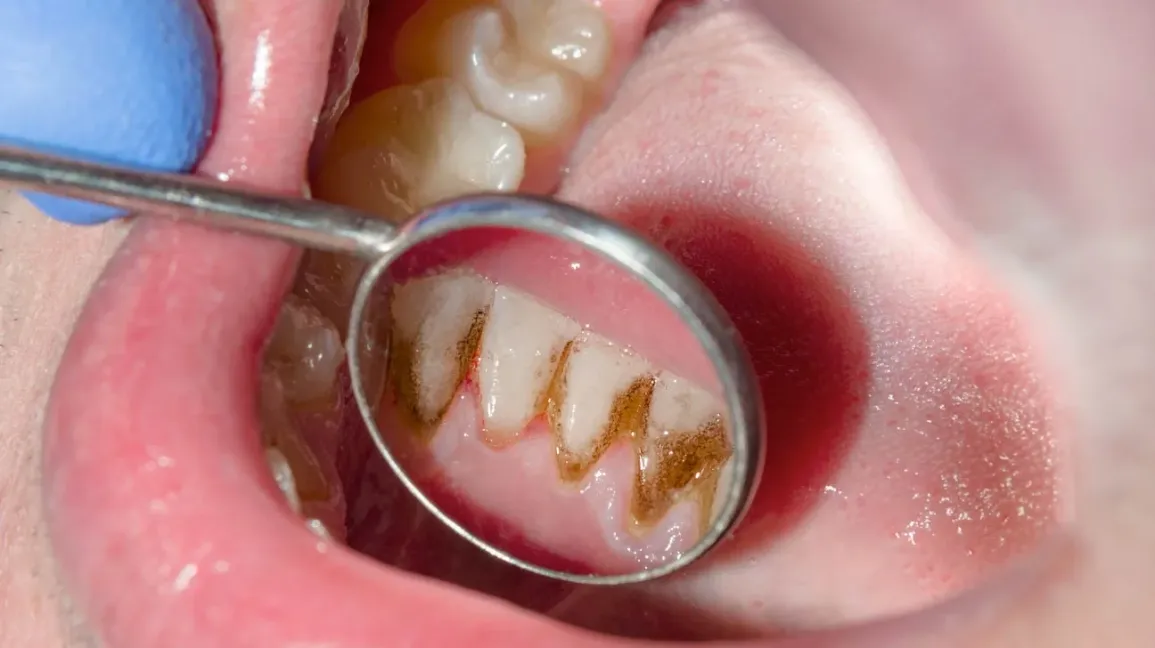

Discover the shocking truth about gum disease causes, recognize critical symptoms early, and learn proven treatments that actually work to save your smile.
Introduction
Gum disease is often called the “silent threat” to oral health because it progresses quietly until the damage becomes significant. Millions of people worldwide live with gum problems without realizing the risks, not only to their teeth but also to their overall health. Research has linked untreated gum disease to conditions like heart disease, diabetes, and even pregnancy complications.
In this comprehensive guide, we expose the truth about gum disease, covering its causes, symptoms, stages, and effective treatments. By the end, you’ll understand how to recognize early warning signs and protect your oral health with proven strategies.
What Is Gum Disease and Why Should You Care?
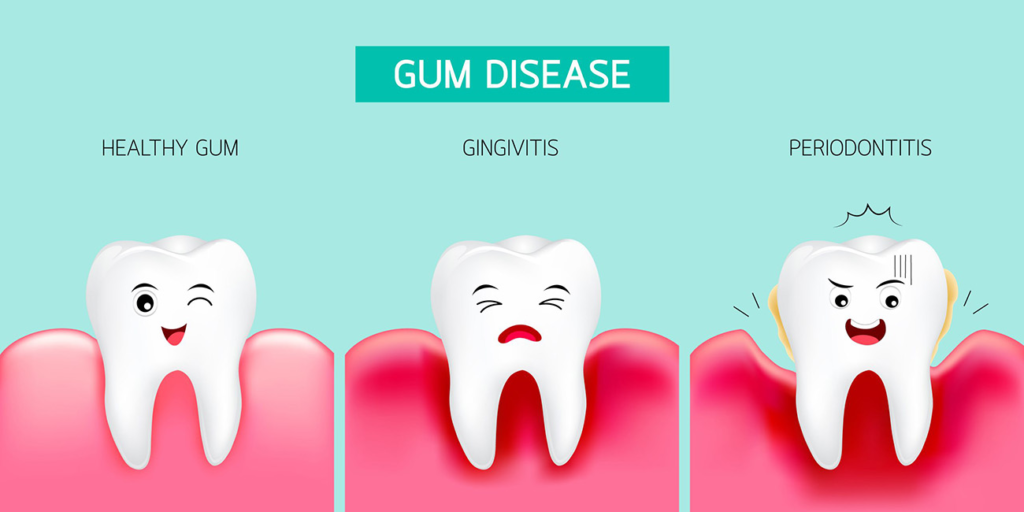
Gum disease, also known as periodontal disease, is an infection of the tissues that support the teeth. It begins with bacteria in dental plaque (a sticky film that forms on teeth) and, if untreated, can progress to tooth loss. There are two main stages:
- Gingivitis: Which is the early, reversible stage, that is characterized by red, swollen, inflammation of the gums and bleeding gums.
- Periodontitis: Which happens to be the advanced stage. Periodontitis is a severe condition that destroys the bone supporting your teeth (i.e., the gums pull away from teeth, bone is destroyed, and teeth may loosen or fall out).
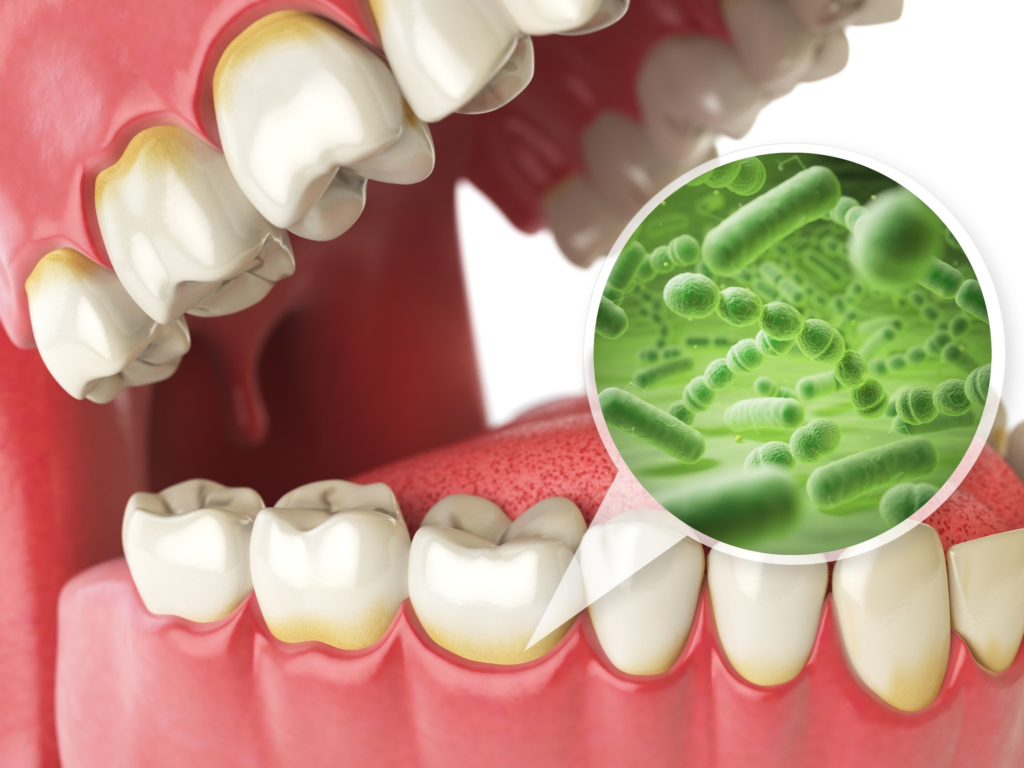
The bacteria living in dental plaque produce toxins that irritate your gums, causing inflammation and infection. When left untreated, this infection creates pockets between your teeth and gums, allowing bacteria to penetrate deeper and cause irreversible damage to the bone structure.
What makes gum disease particularly dangerous is its stealth nature. Many people experience no pain in the early stages, allowing the disease to progress unnoticed until significant damage has occurred.
The Root Causes: What Triggers Gum Disease?
Understanding what causes gum disease is essential for prevention and effective gum disease treatment. Multiple factors contribute to its development:
Poor Oral Hygiene Habits
The primary culprit behind gum disease is inadequate oral hygiene. When you don’t brush and floss regularly, plaque—a sticky film of bacteria—accumulates on your teeth and hardens into tartar. This tartar buildup creates the perfect environment for harmful bacteria to thrive, triggering inflammation and infection.
Smoking and Tobacco Use
Tobacco use significantly increases your risk of developing gum disease and makes treatment less effective. Smoking weakens your immune system, making it harder for your body to fight off gum infections. It also restricts blood flow to the gums, slowing healing and masking symptoms like bleeding.
Genetic Predisposition
Research shows that genetics play a substantial role in gum disease susceptibility. If your parents or siblings have experienced periodontal problems, you’re at higher risk regardless of your oral hygiene practices. According to the American Academy of Periodontology, approximately 30% of the population may be genetically predisposed to gum disease.
Hormonal Changes
Fluctuating hormones during pregnancy, menstruation, and menopause can make gums more sensitive and vulnerable to infection. Pregnant women should pay particular attention to proper dental care during pregnancy to prevent pregnancy gingivitis.
Chronic Health Conditions
Diabetes, autoimmune diseases, and conditions that compromise your immune system increase your vulnerability to infections, including gum disease. Additionally, certain medications that cause dry mouth reduce saliva’s protective effects, creating favorable conditions for bacterial growth.
Nutritional Deficiencies
A diet lacking essential nutrients, particularly vitamin C and vitamin D, weakens your body’s ability to maintain healthy gum tissue and fight infections. Poor nutrition compromises your immune response, making you more susceptible to periodontal disease.
Warning Signs: Symptoms You Shouldn’t Ignore
Early detection is crucial for successful gum disease treatment. Watch for these telltale symptoms:
Bleeding Gums
Healthy gums should never bleed. If you notice blood when brushing, flossing, or eating, it’s often the first sign of gingivitis. Many people dismiss this as normal, but it’s your body’s alarm system signaling infection.
Persistent Bad Breath
Chronic halitosis that doesn’t improve with brushing could indicate bacterial buildup beneath the gum line. The bacteria produce sulfur compounds that create an unpleasant odor resistant to typical oral hygiene efforts.
Receding Gums
When gums pull away from teeth, exposing more of the tooth surface or root, it’s a clear sign of progressing gum disease. This recession creates pockets where bacteria accumulate, accelerating tissue and bone destruction.
Swollen or Tender Gums
Inflammation causes gums to appear red, puffy, and feel tender to touch. Healthy gums should be firm and pink, not swollen and painful.
Loose Teeth or Changes in Bite
Advanced gum disease destroys the bone supporting your teeth, causing them to shift position or become loose. This is a critical warning sign requiring immediate professional intervention.
Pus Between Teeth and Gums
The presence of pus indicates a serious infection that demands urgent dental care. This symptom typically appears in advanced stages of periodontitis.
Can You Answer These Common Questions About Gum Disease?
Many people have questions about gum disease that prevent them from seeking treatment. Let’s address the most pressing concerns:
Is gum disease reversible? Yes, but only in its earliest stage. Gingivitis can be completely reversed with improved oral hygiene and professional cleaning. However, once it progresses to periodontitis, the damage to bone and tissue is permanent, though further progression can be halted with proper gum disease treatment.
How quickly does gum disease progress? The progression varies significantly between individuals. Some people may see rapid advancement within months, while others experience slow progression over years. Factors like smoking, genetics, and overall health influence the speed of deterioration.
Can gum disease affect your overall health? Absolutely. Research has established strong connections between periodontal disease and systemic health conditions. The bacteria and inflammation associated with gum disease can enter your bloodstream, potentially contributing to heart disease, stroke, diabetes complications, and respiratory problems.
Does gum disease treatment hurt? Modern gum disease treatment techniques have become increasingly comfortable. While some procedures may cause mild discomfort, dentists use local anesthesia and sedation options to ensure patient comfort throughout treatment.
Proven Treatment Options That Actually Work
Effective gum disease treatment depends on the severity of your condition. Here’s what you can expect:
Professional Deep Cleaning (Scaling and Root Planing)
This non-surgical gum disease treatment removes plaque and tartar from below the gum line. Scaling cleans the tooth surface, while root planing smooths the root surfaces, helping gums reattach to teeth. This procedure is highly effective for early to moderate periodontitis.
Antibiotic Therapy
Dentists may prescribe antibiotics in pill form or apply them directly to infected gum pockets. These medications help control bacterial infection, especially when combined with deep cleaning procedures.
Laser Therapy
Advanced laser technology offers a minimally invasive gum disease treatment option. Lasers remove diseased tissue and bacteria while promoting healing with less pain, swelling, and recovery time compared to traditional methods.
Surgical Interventions
When gum disease has caused significant damage, surgical procedures may be necessary:
- Flap Surgery: The dentist lifts back gums to remove tartar deposits and then sutures the gums back in place to fit snugly around teeth
- Bone Grafting: Replaces bone destroyed by periodontitis, providing a stable foundation for teeth
- Soft Tissue Grafts: Covers exposed roots and prevents further gum recession
At-Home Maintenance
Successful long-term gum disease treatment requires commitment to excellent oral hygiene. Brush twice daily with fluoride toothpaste, floss daily, use an antimicrobial mouthwash, and maintain regular dental checkups. Consider incorporating advanced oral hygiene techniques into your routine for optimal results.
Prevention: Your Best Defense Against Gum Disease
Prevention is infinitely easier than treatment. Implement these strategies to protect your gums:
Master Your Oral Hygiene Routine
Brush for two full minutes twice daily using proper technique. Hold your brush at a 45-degree angle to your gums and use gentle, circular motions. Don’t forget to brush your tongue, where bacteria accumulate.
Never Skip Flossing
Flossing removes plaque and food particles from areas your toothbrush can’t reach. Use proper flossing technique to clean beneath the gum line without causing damage.
Schedule Regular Dental Visits
Professional cleanings every six months remove hardened tartar that brushing can’t eliminate. Your dentist can also detect early signs of gum disease before you notice symptoms.
Quit Tobacco Products
Eliminating tobacco use dramatically improves your oral health and treatment success rates. Your body’s healing capacity improves significantly once you quit.
Eat a Nutrient-Rich Diet
Foods rich in vitamins C and D, calcium, and antioxidants support gum health. Crunchy vegetables and fruits also help clean teeth naturally while stimulating gums.
Manage Stress
Chronic stress weakens your immune system, making you more susceptible to infections. Practice stress-reduction techniques like meditation, exercise, or yoga to support overall and oral health.
Take Action Today: Your Smile Depends on It
Gum disease doesn’t have to be your fate. By understanding its causes, recognizing symptoms early, and seeking prompt gum disease treatment, you can preserve your natural teeth and maintain optimal oral health for life.
If you’re experiencing any symptoms mentioned in this article, don’t wait for them to worsen. Schedule an appointment with your dentist immediately. Early intervention makes treatment simpler, more affordable, and more effective.
Remember, your oral health is intricately connected to your overall well-being. Investing time and effort into preventing and treating gum disease pays dividends in both your smile and your health for years to come.