

Discover essential hemophilia information, recognize critical symptoms, and learn about breakthrough treatments. Comprehensive guide to managing hemophilia and living a full, active life successfully.
Introduction
Hemophilia affects approximately 20,000 people in the United States and represents one of the most well-known inherited bleeding disorders. While this genetic condition presents unique challenges, advances in treatment have transformed hemophilia from a life-threatening condition into a manageable chronic disease. People with hemophilia today can live full, active lives with proper care and management.
This comprehensive guide reveals everything you need to know about hemophilia, from understanding the condition to accessing breakthrough treatments that are revolutionizing patient outcomes.
Understanding Hemophilia: The Science Behind the Condition
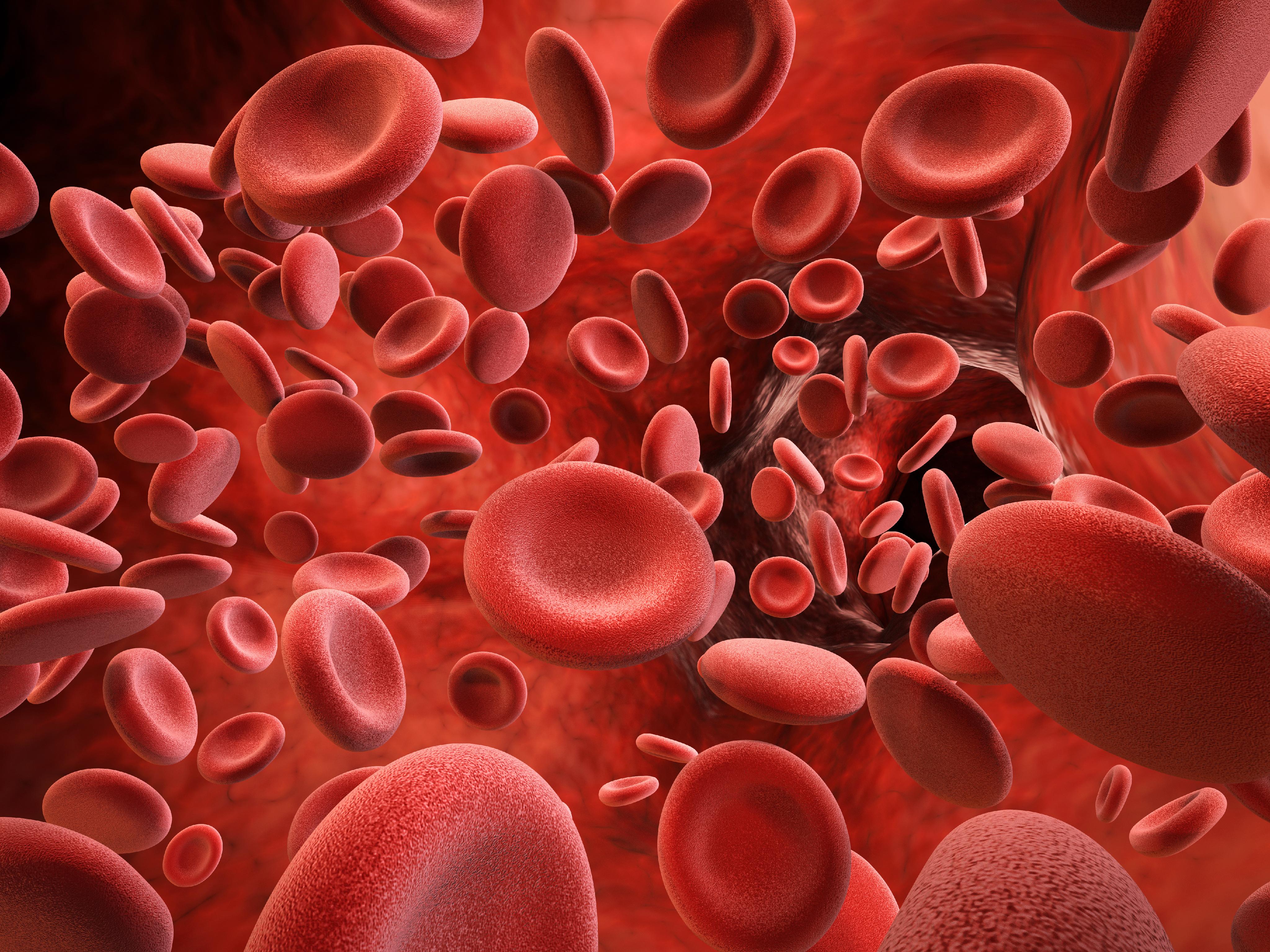
Hemophilia is a genetic bleeding disorder where blood doesn’t clot properly due to insufficient clotting factors—proteins essential for blood coagulation. When you cut yourself, your body normally forms a blood clot to stop bleeding. This complex process involves platelets and multiple clotting factors working together. In hemophilia, missing or deficient clotting factors prevent normal clot formation, leading to prolonged bleeding.
The condition primarily affects males, though females can be carriers and occasionally experience symptoms. Hemophilia follows an X-linked recessive inheritance pattern. Since males have only one X chromosome, inheriting a single defective gene causes the condition. Females with one defective gene are usually carriers with normal clotting factor levels, though some experience mild symptoms.
About one-third of hemophilia cases occur without family history, resulting from spontaneous genetic mutations. Once this mutation occurs, it can be passed to future generations.
Types of Hemophilia
Hemophilia A, the most common form, affects approximately 80% of hemophilia patients. This type results from deficiency of clotting factor VIII (eight). Hemophilia A occurs in about 1 in 5,000 male births.
Hemophilia B, also called Christmas disease, results from deficiency of clotting factor IX (nine). This rarer form affects approximately 1 in 30,000 male births. Despite different missing factors, hemophilia A and B present with similar symptoms and bleeding patterns.
Hemophilia C, caused by factor XI deficiency, is extremely rare and affects both males and females equally. This form typically causes milder symptoms than hemophilia A or B.
Severity Levels
Hemophilia severity depends on clotting factor levels in blood. Severe hemophilia means less than 1% of normal factor levels, causing frequent spontaneous bleeding episodes, particularly into joints and muscles. These bleeds often occur without obvious injury.
Moderate hemophilia involves 1-5% of normal factor levels, with occasional spontaneous bleeding and prolonged bleeding from minor injuries. Mild hemophilia means 5-40% of normal factor levels, typically causing problems only after surgery, dental procedures, or significant trauma.
Recognizing Critical Symptoms and Complications
Understanding hemophilia symptoms enables early recognition and treatment, preventing serious complications.
Bleeding Episodes
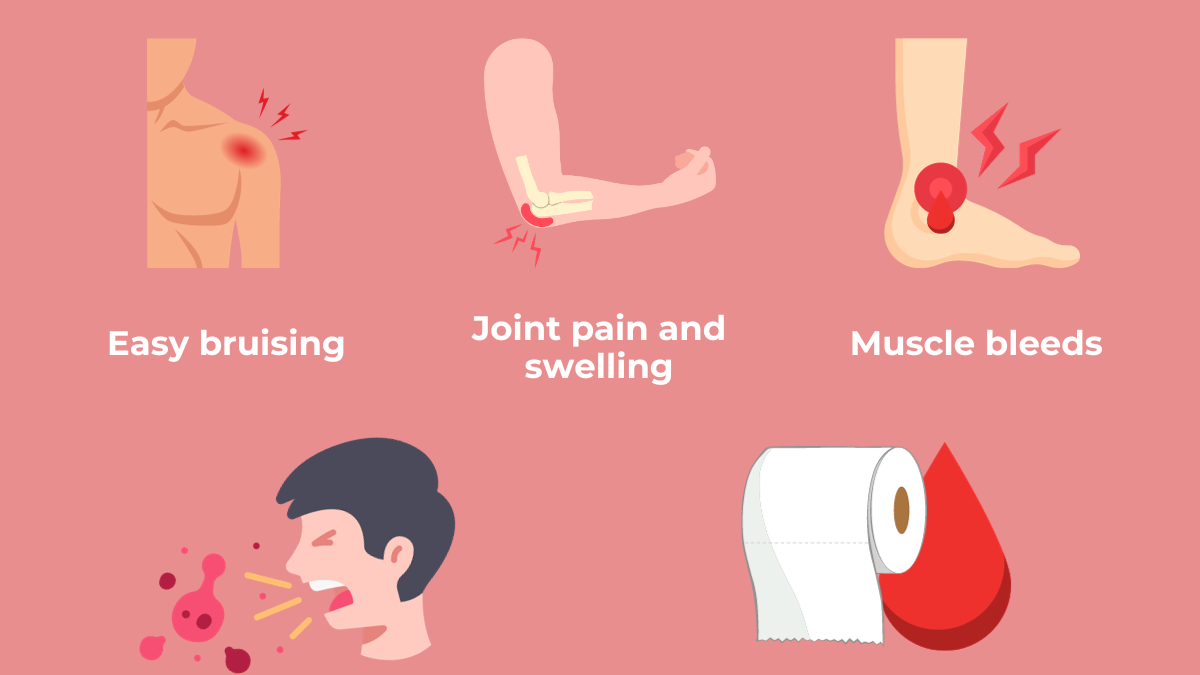
External bleeding from cuts or injuries continues longer than normal, sometimes restarting after initially stopping. Nosebleeds occur frequently and prove difficult to stop. Bleeding from dental procedures or tooth loss can be excessive and prolonged.
Internal bleeding represents the more serious concern. Joint bleeds (hemarthrosis) are the most common internal bleeding type in severe hemophilia, particularly affecting knees, elbows, and ankles. Early signs include tingling or bubbling sensation, warmth, swelling, pain, and restricted movement. Repeated joint bleeds can cause permanent damage without proper treatment.
Muscle bleeds cause pain, swelling, and limited movement in affected areas. Deep muscle bleeds, particularly in the iliopsoas muscle, require immediate medical attention. Bleeding into the brain, though rare, represents a life-threatening emergency requiring immediate treatment. Warning signs include severe headache, repeated vomiting, extreme sleepiness, double vision, weakness, or seizures.
Gastrointestinal bleeding may cause blood in stool or vomit, abdominal pain, or black, tarry stools. Kidney bleeding can produce blood in urine and back pain.
Signs in Infants and Young Children
Large bruises from minor bumps, unusual bruising on head or torso, prolonged bleeding from heel stick or circumcision, excessive bleeding when baby teeth fall out, and blood in urine or stool all warrant evaluation. Unexplained irritability in infants might indicate internal bleeding, particularly if accompanied by swelling in limbs or reluctance to move certain body parts.
Comprehensive Diagnostic Approaches
Early and accurate diagnosis ensures appropriate treatment and prevents complications.
Prenatal and Newborn Testing
Families with hemophilia history can pursue prenatal testing through chorionic villus sampling or amniocentesis. Some hospitals perform newborn screening for hemophilia, particularly when family history exists. Early diagnosis allows immediate treatment access and prevents complications.
Blood Tests
Complete blood count (CBC) evaluates overall blood health, though platelet counts remain normal in hemophilia. Activated partial thromboplastin time (aPTT) measures how long blood takes to clot—this test is prolonged in hemophilia. Prothrombin time (PT) usually remains normal in hemophilia, helping distinguish it from other clotting disorders.
Specific clotting factor assays measure levels of factors VIII and IX, confirming diagnosis and determining severity. Genetic testing identifies the specific mutation causing hemophilia, useful for family planning and carrier detection.
Carrier Testing
Females in families with hemophilia can undergo testing to determine carrier status. This information helps with family planning and ensures proper monitoring during pregnancy and childbirth, as carriers may experience increased bleeding with delivery.
Breakthrough Treatment Options Transforming Lives
Modern hemophilia treatment has evolved dramatically, offering options that significantly improve quality of life and reduce complications.
Factor Replacement Therapy
The cornerstone of hemophilia treatment involves infusing missing clotting factors into the bloodstream. This replacement therapy can be used on-demand to treat bleeding episodes or prophylactically to prevent bleeding.
Plasma-derived factors, extracted from donated human blood, undergo extensive viral inactivation processes to ensure safety. Recombinant factors, produced through genetic engineering without using human blood, eliminate risks of blood-borne infections. Extended half-life products require less frequent infusions while maintaining protection, dramatically improving convenience and adherence.
On-demand treatment addresses bleeding episodes as they occur. Patients or caregivers learn to recognize bleeding signs and administer factor immediately. Early treatment prevents complications and reduces recovery time.
Prophylactic therapy involves regular factor infusions to maintain clotting factor levels above 1%, preventing spontaneous bleeding. This approach, particularly important for severe hemophilia, dramatically reduces joint damage and improves quality of life. Most patients follow prophylaxis schedules of 2-3 infusions weekly, though extended half-life products allow less frequent dosing.
According to the National Hemophilia Foundation, prophylactic treatment has revolutionized hemophilia care, preventing the chronic joint disease that plagued previous generations.
Innovative Therapies
Emicizumab represents a groundbreaking treatment for hemophilia A. This subcutaneous injection, given weekly, biweekly, or monthly, mimics factor VIII function through a different mechanism. It’s particularly beneficial for patients with inhibitors—antibodies that make standard factor replacement ineffective.
Gene therapy holds tremendous promise, with several treatments in development or recently approved. These one-time therapies aim to enable patients’ bodies to produce missing clotting factors, potentially eliminating the need for regular infusions. While long-term outcomes are still being studied, early results are encouraging.
Antifibrinolytic medications like tranexamic acid help stabilize clots once formed, particularly useful for mouth bleeding, nosebleeds, and minor cuts. Desmopressin (DDAVP) stimulates release of stored factor VIII, effective for mild hemophilia A in specific situations like minor procedures.
Managing Inhibitors
Approximately 30% of severe hemophilia A patients develop inhibitors—antibodies that neutralize infused clotting factors. Bypassing agents like activated prothrombin complex concentrate or recombinant factor VIIa work around inhibitors to achieve clotting. Immune tolerance induction (ITI) involves regular high-dose factor infusions over months or years to desensitize the immune system, eliminating inhibitors in many patients.
Essential Home Care and Self-Management
Successful hemophilia management requires active patient and family participation.
Learning Self-Infusion
Most hemophilia patients learn to self-infuse clotting factors, typically during childhood or early adolescence. This skill provides independence and enables immediate treatment when bleeding occurs. Hemophilia treatment centers offer comprehensive training programs for patients and caregivers.
Proper technique includes thorough hand washing, careful preparation of factor concentrate, accessing veins safely, and accurate documentation of infusions. Maintaining a treatment log helps track factor usage, bleeding episodes, and treatment effectiveness.
Home Safety Modifications
Create a safe environment by padding furniture corners, using non-slip mats in bathrooms, keeping floors clear of clutter and tripping hazards, and ensuring adequate lighting throughout the home. For young children, safety gates, outlet covers, and age-appropriate toys without sharp edges reduce injury risk.
Recognizing and Treating Bleeds Early
The “RICE” protocol—Rest, Ice, Compression, Elevation—provides first aid for bleeding episodes alongside factor replacement. Rest the affected area immediately to prevent further bleeding. Apply ice wrapped in a cloth for 15-20 minutes to reduce swelling. Use compression bandages for external bleeding, and elevate the injured area above heart level when possible.
Administer factor replacement as soon as bleeding is recognized. Early treatment prevents complications and speeds recovery. Contact your hemophilia treatment center for severe bleeds, head injuries, or bleeds not responding to initial treatment.
Living Actively and Safely With Hemophilia
Hemophilia doesn’t mean avoiding all physical activity—in fact, appropriate exercise strengthens muscles and joints, providing protection against bleeding.
Safe Physical Activities
Swimming represents an ideal exercise, providing full-body conditioning with minimal injury risk. Walking, hiking, and cycling build cardiovascular fitness and leg strength. Golf and bowling offer enjoyable physical activity with low impact. Martial arts and dancing improve coordination, balance, and core strength when practiced safely with proper instruction.
Sports to approach cautiously or avoid include contact sports like football, hockey, and rugby that carry high injury risk. However, some individuals with well-controlled hemophilia participate in these activities with proper prophylaxis and protective equipment. Discuss activity choices with your hemophilia treatment team.
Regular exercise strengthens muscles supporting joints, reducing bleeding risk. Strong muscles absorb impact better, protecting joints from injury. Maintaining healthy weight reduces joint stress. Following workout routines designed for your fitness level supports overall health.
Nutritional Considerations
While no specific diet treats hemophilia, maintaining proper nutrition supports overall health. Adequate protein supports muscle development and repair. Calcium and vitamin D maintain bone health, crucial since joint problems can affect mobility. Iron-rich foods may be important if chronic bleeding causes anemia.
Maintain healthy weight management to reduce joint stress. Obesity increases bleeding risk and complicates treatment. Stay hydrated, as adequate fluid intake supports overall health and may help with vein access for infusions.
Avoid certain medications without medical guidance. Aspirin and NSAIDs like ibuprofen impair platelet function and should generally be avoided. Many alternative medications and supplements affect clotting, so consult your hemophilia team before taking any new medications or supplements.
Dental and Medical Care
Establish care with dentists experienced in treating bleeding disorders. Good oral hygiene prevents dental problems requiring invasive procedures. Schedule regular cleanings and checkups, treating problems before they become serious. For procedures, coordinate with your hemophilia team regarding factor replacement.
Always inform healthcare providers about hemophilia before any medical procedure, including injections. Avoid intramuscular injections when possible, using subcutaneous or intravenous routes instead. Plan surgery carefully with coordination between surgical and hemophilia teams, ensuring adequate factor coverage before, during, and after procedures.
Carry medical identification jewelry or cards identifying hemophilia and emergency contacts. This information proves crucial if you’re injured and unable to communicate.
Psychosocial Support and Mental Wellness
Living with a chronic condition affects mental wellness, making psychological support as important as medical treatment.
Addressing Emotional Challenges
Children with hemophilia may feel different from peers or frustrated by activity restrictions. Parents often experience anxiety about their child’s safety and future. Adults with hemophilia face challenges related to career choices, relationships, and independence.
Depression and anxiety occur more frequently among people with chronic conditions. Recognizing these feelings as normal but treatable is crucial. Effective stress management techniques support overall wellbeing.
Building Support Networks
Connect with other families affected by hemophilia through support groups and online communities. Sharing experiences reduces isolation and provides practical advice. Many hemophilia treatment centers offer family support programs.
Work with school personnel to ensure teachers and nurses understand hemophilia and your child’s needs. Develop individualized health plans outlining necessary accommodations and emergency procedures.
Educational and Career Considerations

Hemophilia shouldn’t limit educational or professional aspirations, though some planning helps ensure success.
School Planning
Develop 504 plans or individualized education programs addressing hemophilia-related needs. This might include modified physical education, extra time for assignments after bleeding episodes, or allowing late arrival after morning infusions. Ensure school nurses have emergency plans and contact information.
Educate teachers about hemophilia without creating unnecessary alarm. Many teachers have limited knowledge about bleeding disorders and benefit from information about when to be concerned versus routine management.
Career Choices
Most careers are appropriate for people with hemophilia with proper management. Consider physical demands—jobs requiring heavy lifting, exposure to trauma risk, or extended periods without access to treatment may be challenging. Office work, technology, healthcare, education, arts, and many other fields offer fulfilling careers.
Understand your rights under the Americans with Disabilities Act, which prohibits employment discrimination. Employers must provide reasonable accommodations for medical needs.
Planning for the Future
Genetic Counseling
Families affected by hemophilia benefit from genetic counseling when planning pregnancies. Counselors explain inheritance patterns, discuss testing options, and support informed decision-making. Preimplantation genetic diagnosis allows selecting embryos without hemophilia during in vitro fertilization.
Transition to Adult Care
Adolescents with hemophilia must transition from pediatric to adult hemophilia care, typically between ages 18-21. This process involves gradually assuming responsibility for self-care, learning to navigate adult healthcare systems, and establishing relationships with adult providers. Successful transition requires planning and support from both pediatric and adult care teams.
Life Expectancy and Quality of Life
With modern treatment, people with hemophilia can expect near-normal life expectancy and quality of life. The key lies in accessing comprehensive care through hemophilia treatment centers, adhering to prophylactic treatment regimens, promptly treating bleeding episodes, and maintaining overall health through proper nutrition, exercise, and preventive care.
Frequently Asked Questions About Hemophilia
Can females have hemophilia?
Yes, though it’s rare. Females have two X chromosomes, so they’d need hemophilia genes on both chromosomes to have the condition. This can occur if a carrier mother and father with hemophilia have a daughter, or through certain genetic abnormalities. Some female carriers experience mild symptoms due to random X-chromosome inactivation. All females in hemophilia families should be tested and monitored.
Is hemophilia contagious?
No, hemophilia is a genetic condition inherited from parents. It cannot be transmitted through casual contact, sharing items, or any other means. The confusion may stem from historical concerns about blood-borne infections transmitted through contaminated blood products used for treatment, but modern factor concentrates are extremely safe.
Can people with hemophilia play sports?
Yes, many people with hemophilia participate in sports and physical activities. Non-contact sports like swimming, tennis, and golf are generally safe. Some individuals with well-controlled hemophilia participate in contact sports with proper prophylaxis and protective equipment. Discuss specific activities with your hemophilia treatment team to develop appropriate safety plans.
What happens if someone with hemophilia gets cut?
Minor cuts usually stop bleeding with pressure, factor replacement if needed, and first aid measures. The concern isn’t bleeding faster than normal but bleeding longer. Prompt factor replacement and proper wound care typically resolve external bleeding without complications. Internal bleeding represents a greater concern and requires immediate treatment.
Will there be a cure for hemophilia?
Gene therapy shows tremendous promise as a potential cure or long-term solution. Several gene therapies are in development or recently approved, with some patients maintaining factor production for years after a single treatment. While challenges remain, including durability of response and optimal timing, gene therapy represents a realistic path toward functional cure for many patients.
How much does hemophilia treatment cost?
Hemophilia treatment is expensive, with annual costs ranging from hundreds of thousands to over a million dollars for severe cases. However, most patients in the United States have access to treatment through insurance, Medicaid, specialized assistance programs, or hemophilia treatment center social services. Financial considerations shouldn’t prevent accessing necessary care—social workers can help navigate coverage options.
Can people with hemophilia have children?
Yes, people with hemophilia can have children. Males with hemophilia will pass the hemophilia gene to all daughters (who become carriers) but not to sons. Female carriers have a 50% chance of passing the gene to each child. Genetic counseling helps families understand options and make informed reproductive decisions. Many families affected by hemophilia have healthy children and manage the condition successfully.
Does hemophilia affect life expectancy?
With modern comprehensive care, people with hemophilia can expect near-normal life expectancy. Historical complications like HIV and hepatitis C from contaminated blood products are no longer concerns with today’s safe factor concentrates. The key to longevity is accessing comprehensive care, following prophylactic treatment, and maintaining overall health through proper lifestyle choices.