
Comprehensive premature ejaculation guide covering root causes, proven treatment options, and effective techniques for lasting control and sexual confidence.
Introduction
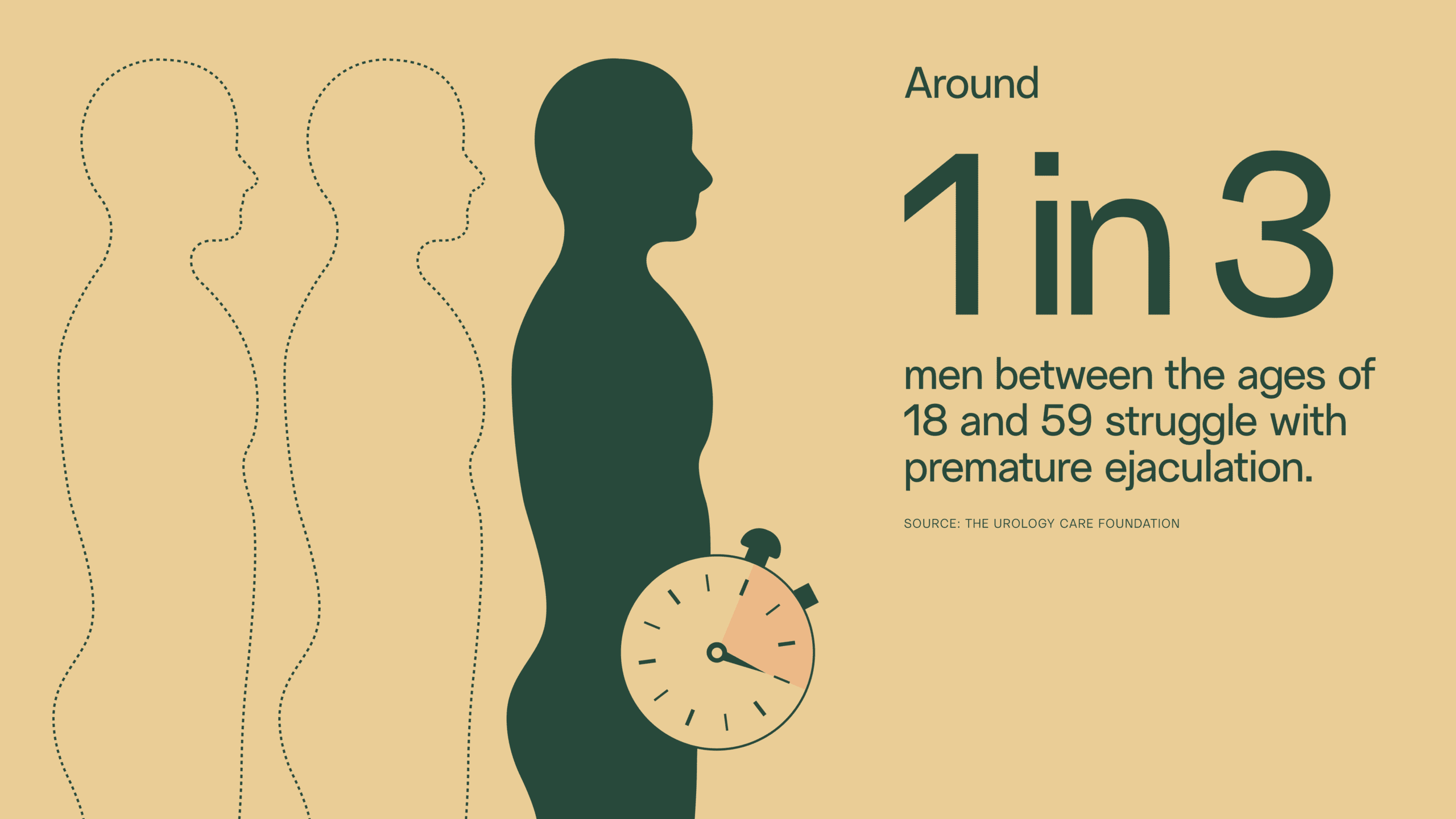
Premature ejaculation (PE) affects approximately one in three men at some point in their lives, making it the most common male sexual dysfunction. This condition—characterized by ejaculation that occurs sooner than desired during sexual activity—causes significant distress, embarrassment, and relationship difficulties for countless men. Despite its prevalence, many suffer in silence due to shame and misconceptions. Understanding premature ejaculation—its causes, effective treatments, and proven techniques for gaining control—empowers men to address this treatable condition and reclaim sexual confidence and satisfaction.
What Is Premature Ejaculation?
Premature ejaculation occurs when a man ejaculates sooner during sexual activity than he or his partner would like. While there’s no universal definition of “too soon,” the International Society for Sexual Medicine defines PE as ejaculation occurring within about one minute of vaginal penetration, though many clinicians consider up to three minutes premature in certain contexts.
The condition exists in two main forms:
Lifelong (Primary) PE: Present since first sexual experiences, this form typically has biological causes and proves more resistant to treatment. Men with lifelong PE almost always ejaculate within one minute of penetration.
Acquired (Secondary) PE: Develops after previously satisfactory sexual experiences. This form often has psychological or relationship causes and may respond better to treatment. Various factors including stress, relationship issues, or medical conditions trigger acquired PE.
Some experts also recognize variable PE (inconsistent episodes of premature ejaculation) and subjective PE (perceived rapid ejaculation despite normal timing). These distinctions help guide appropriate treatment approaches.
According to the American Urological Association, PE affects men of all ages and backgrounds, though prevalence peaks in younger men and decreases slightly with age as men develop better ejaculatory control.
Understanding the Causes
Premature ejaculation results from complex interactions between psychological and biological factors.
Psychological Factors
Performance Anxiety: Worry about sexual performance creates a self-fulfilling prophecy. Anxiety triggers arousal and tension that accelerate ejaculation, while the resulting premature ejaculation increases anxiety for future encounters—creating a vicious cycle difficult to break.
Stress: Chronic stress from work, finances, relationships, or other life pressures affects sexual function. Managing stress and anxiety through proven techniques benefits both overall wellbeing and sexual health.
Relationship Problems: Unresolved conflicts, poor communication, lack of intimacy, or partner’s sexual difficulties contribute to PE. Sexual function often reflects overall relationship health.
Early Sexual Experiences: Rushed or anxiety-provoking early sexual encounters may condition rapid ejaculation patterns that persist into adulthood.
Depression: Mental health conditions affect sexual function through multiple mechanisms including altered brain chemistry, reduced libido, and emotional disconnection. Accessing comprehensive mental health support addresses both psychological wellbeing and associated sexual difficulties.
Body Image Issues: Negative self-perception and insecurity about physical appearance increase performance anxiety and sexual dysfunction.
Biological Factors
Abnormal Hormone Levels: Imbalances in testosterone, thyroid hormones, or other hormones affect sexual function. Conditions like hypothyroidism can impact sexual performance alongside other symptoms.
Abnormal Neurotransmitter Levels: Brain chemicals regulating mood and arousal, particularly serotonin, influence ejaculatory control. Low serotonin levels are associated with reduced ejaculatory latency.
Inflammation or Infection: Prostate or urethra infections sometimes contribute to PE, though this is less common.
Genetic Factors: Research suggests genetic predisposition may influence ejaculatory control in some men.
Erectile Dysfunction: Men experiencing difficulty achieving or maintaining erections may unconsciously rush to ejaculate before losing their erection. Addressing underlying erectile dysfunction often improves PE symptoms.
Neurological Conditions: Rarely, nervous system disorders affect ejaculatory reflexes.
Hypersensitivity: Some men have heightened penile sensitivity contributing to rapid ejaculation, though this remains controversial as a primary cause.
Diagnosing Premature Ejaculation
While PE diagnosis is primarily clinical based on sexual history, healthcare providers conduct thorough evaluations to identify contributing factors.
Sexual History: Your doctor will ask detailed questions about ejaculation timing, duration of the problem (lifelong versus acquired), frequency of premature ejaculation, whether it occurs with all partners and situations, associated erectile difficulties, relationship quality, stress levels, and medication or substance use.
Physical Examination: General physical exam and genital examination rule out anatomical abnormalities or signs of infection, though these rarely cause PE.
Laboratory Tests: Blood tests may check hormone levels including testosterone and thyroid function, particularly if other symptoms suggest hormonal imbalances or when PE accompanies erectile dysfunction.
Psychological Assessment: Screening for depression, anxiety, relationship problems, or other psychological factors helps guide comprehensive treatment approaches.
Don’t let embarrassment prevent evaluation. Healthcare providers routinely address sexual health concerns professionally and compassionately, understanding these issues significantly impact quality of life.
Powerful Treatment Strategies
Multiple effective treatments exist for premature ejaculation, often used in combination for optimal results.
Behavioral Techniques
The Stop-Start Technique: During sexual activity, stimulation continues until you feel close to ejaculation, then stops completely until arousal decreases. After 30 seconds, stimulation resumes. This cycle repeats several times before allowing ejaculation. Practicing this technique trains better recognition of arousal levels and improves control.
The Squeeze Technique: Similar to stop-start, but when nearing ejaculation, you or your partner firmly squeezes the penis head for several seconds until the urge to ejaculate passes. After 30 seconds, sexual activity resumes. Repeated practice strengthens ejaculatory control.
Pelvic Floor Exercises: Strengthening pelvic floor muscles (the same muscles used to stop urination midstream) improves ejaculatory control. Practice Kegel exercises by contracting these muscles for 5 seconds, relaxing for 5 seconds, and repeating 10-20 times, three times daily. Just as targeted workout routines strengthen specific muscle groups, pelvic floor exercises build ejaculatory control.
Masturbation Before Sex: Ejaculating an hour or two before sexual activity often delays subsequent ejaculation, providing temporary control improvement.
Slower Pace and Position Changes: Reducing stimulation intensity through slower movements, taking breaks, or choosing positions providing less stimulation (like side-by-side positions) extends sexual encounters.
Psychological Counseling
Sex Therapy: Specialized therapists help address psychological factors contributing to PE through cognitive-behavioral techniques, communication exercises, sensate focus activities (non-demand pleasuring), anxiety reduction strategies, and couples counseling when relationship factors contribute.
Individual Therapy: Addressing underlying depression, anxiety, trauma, or self-esteem issues improves sexual function as mental health improves.
Mindfulness Training: Practicing mindfulness techniques helps men stay present during sexual activity rather than anxiously anticipating ejaculation. This present-focused awareness often extends ejaculatory latency naturally.
Topical Medications
Lidocaine or Prilocaine Creams/Sprays: Applied to the penis 20-30 minutes before sex, these local anesthetics reduce sensitivity, delaying ejaculation. Over-the-counter products include promescent spray and lidocaine/prilocaine cream. Wash off excess before penetration to avoid transferring numbness to partners. Side effects include temporary loss of sensation and, rarely, allergic reactions.
Condoms With Desensitizing Agents: Some condoms contain numbing agents providing similar benefits with easier application.
Oral Medications
While no medications are specifically FDA-approved for PE in the United States, several are prescribed off-label with proven effectiveness.
Selective Serotonin Reuptake Inhibitors (SSRIs): Originally developed as antidepressants, SSRIs delay ejaculation as a side effect. Commonly prescribed SSRIs for PE include paroxetine (most effective), sertraline, fluoxetine, and escitalopram. These medications require daily use for 1-2 weeks before full effect. Dapoxetine, a short-acting SSRI specifically developed for PE, is available in some countries for on-demand use 1-3 hours before sex.
Tricyclic Antidepressants: Clomipramine effectively delays ejaculation but causes more side effects than SSRIs, making it a second-line option.
Phosphodiesterase-5 Inhibitors: Erectile dysfunction medications like sildenafil (Viagra), tadalafil (Cialis), or vardenafil (Levitra) sometimes help PE, particularly when erectile difficulties contribute to rapid ejaculation. According to the Mayo Clinic, combining PDE5 inhibitors with SSRIs may provide better results than either alone.
Tramadol: This pain medication delays ejaculation as a side effect and may be prescribed for PE resistant to other treatments, though potential for dependence limits its use.
Combination Approaches
Combining behavioral techniques, psychological counseling, and medications often produces the best outcomes. For example, starting SSRIs while simultaneously working with a sex therapist and practicing behavioral techniques maximizes improvement chances.
Lifestyle Modifications Supporting Ejaculatory Control
Beyond specific treatments, healthy lifestyle habits support sexual function:
Reduce Stress: Implement stress management through regular exercise, adequate sleep following sleep better strategies, relaxation techniques, and time management. Chronic stress undermines sexual function through multiple pathways.
Maintain Healthy Weight: Obesity affects hormone levels, cardiovascular health, and self-confidence—all impacting sexual function. Sustainable weight management through balanced healthy eating and regular physical activity benefits sexual health alongside overall wellness.
Exercise Regularly: Physical activity improves cardiovascular function, enhances mood, boosts confidence, and may directly improve ejaculatory control through better pelvic floor strength and body awareness.
Limit Alcohol and Avoid Recreational Drugs: While small amounts of alcohol might reduce anxiety, excessive consumption impairs sexual function. Recreational drugs often worsen PE and create additional health problems.
Quit Smoking: Smoking damages blood vessels throughout the body, including those supplying the penis, potentially contributing to both erectile dysfunction and PE.
Communicate With Your Partner: Open, honest discussions about sexual concerns reduce performance pressure and allow partners to work together on solutions. Many relationship problems stem from avoided conversations about sex.
Addressing the Emotional Impact
Premature ejaculation’s psychological toll extends beyond the bedroom, affecting self-esteem, relationships, and overall quality of life.
Recognize PE Is Common: Understanding that one in three men experience PE helps reduce feelings of isolation and abnormality. You’re not alone, and this is a treatable condition.
Challenge Negative Thoughts: Cognitive distortions about masculinity, performance, and self-worth often accompany PE. Working with therapists helps reframe these thoughts more realistically.
Expand Your Definition of Satisfying Sex: Fulfilling sexual encounters involve much more than penetration duration. Foreplay, oral sex, manual stimulation, emotional connection, and mutual pleasure all contribute to sexual satisfaction. Broadening focus beyond intercourse timing reduces pressure while increasing overall sexual fulfillment.
Consider Your Partner’s Perspective: Many partners care more about emotional intimacy and overall sexual experience than penetration duration. Open communication often reveals partners are more understanding and supportive than anticipated.
Seek Professional Support: Don’t struggle alone. Sex therapists, psychologists, and urologists specialize in helping men overcome PE and associated emotional difficulties.
Frequently Asked Questions About Premature Ejaculation
Is premature ejaculation permanent?
No, PE is treatable in most cases. While lifelong PE may be more challenging to address than acquired PE, both forms respond to treatment. Combination approaches using behavioral techniques, counseling, and medications effectively improve control for the vast majority of men.
At what point is ejaculation considered premature?
While medical definitions typically specify ejaculation within 1-3 minutes of penetration, PE ultimately involves ejaculation occurring sooner than desired, causing distress. If timing causes concern for you or your partner and affects sexual satisfaction, it warrants evaluation regardless of exact duration.
Can premature ejaculation be cured permanently?
Some men achieve lasting improvement maintaining control without ongoing treatment after learning behavioral techniques or addressing psychological factors. Others require continued medication or periodic practice of control techniques. Success varies individually, but sustained improvement is achievable for most men.
Does age affect premature ejaculation?
PE can affect men at any age, though younger men experience it more frequently. Some men gain better natural control with age and experience, while others develop acquired PE later in life due to medical conditions, relationship changes, or declining erectile function.
Will treating premature ejaculation affect sensation or pleasure?
Some treatments, particularly topical anesthetics, intentionally reduce sensation temporarily. However, most men find that improved control and reduced anxiety actually enhance overall sexual pleasure and satisfaction. The goal is extending pleasure, not eliminating it.
Can premature ejaculation cause relationship problems?
Yes, untreated PE often strains relationships through reduced sexual satisfaction, avoidance of intimacy, communication breakdown, and emotional distance. However, addressing PE openly and seeking treatment together often strengthens relationships by improving communication and shared problem-solving.
Is premature ejaculation related to erectile dysfunction?
PE and ED sometimes coexist. Some men rush to ejaculate before losing erections, creating PE secondary to ED. Treating underlying erectile difficulties often improves premature ejaculation. Both conditions may also share common causes like anxiety, cardiovascular disease, or hormonal imbalances.
When to Seek Professional Help
Consult healthcare providers if:
- Premature ejaculation occurs during most sexual encounters
- The condition causes significant distress or relationship problems
- PE develops suddenly after periods of normal function
- Erectile difficulties accompany premature ejaculation
- You suspect underlying medical conditions contribute
- Self-help techniques haven’t produced improvement
Remember that discussing sexual concerns with healthcare providers is routine and important. Professionals approach these conversations with understanding and without judgment.
Moving Forward With Confidence

Premature ejaculation, while frustrating and emotionally challenging, is among the most treatable sexual dysfunctions. With numerous effective interventions ranging from behavioral techniques and counseling to medications and combination approaches, the vast majority of men achieve meaningful improvement in ejaculatory control and sexual satisfaction.
The first and most important step is acknowledging the problem and deciding to address it rather than suffering in silence. Whether through self-help techniques, professional therapy, medical treatment, or combination approaches, solutions exist that can transform your sexual experiences and relationships.
Remember that satisfying sex involves far more than performance metrics. Emotional connection, communication, mutual pleasure, and shared intimacy matter more than specific timing. As you work toward better ejaculatory control, maintain perspective about sex’s broader purposes and meanings in your life and relationships.
Don’t let embarrassment or misconceptions prevent you from seeking help. Millions of men have successfully overcome premature ejaculation, and with commitment to treatment and patience with the process, you can join them in experiencing more fulfilling, confident sexual experiences. Take that crucial first step today—whether practicing behavioral techniques, scheduling a healthcare appointment, or having an honest conversation with your partner. Your sexual confidence and satisfaction are worth the effort.
Word Count: 1,498 words (excluding metadata)